
Pup Trailers For Sale in Colorado
Shop pup trailers for sale, including 28-foot dry van pups with single axles, pintle hitches, roll doors, and fleet-ready regional specs.
Learn moreNo exact matches found for your search
Showing Pup Trailers instead.
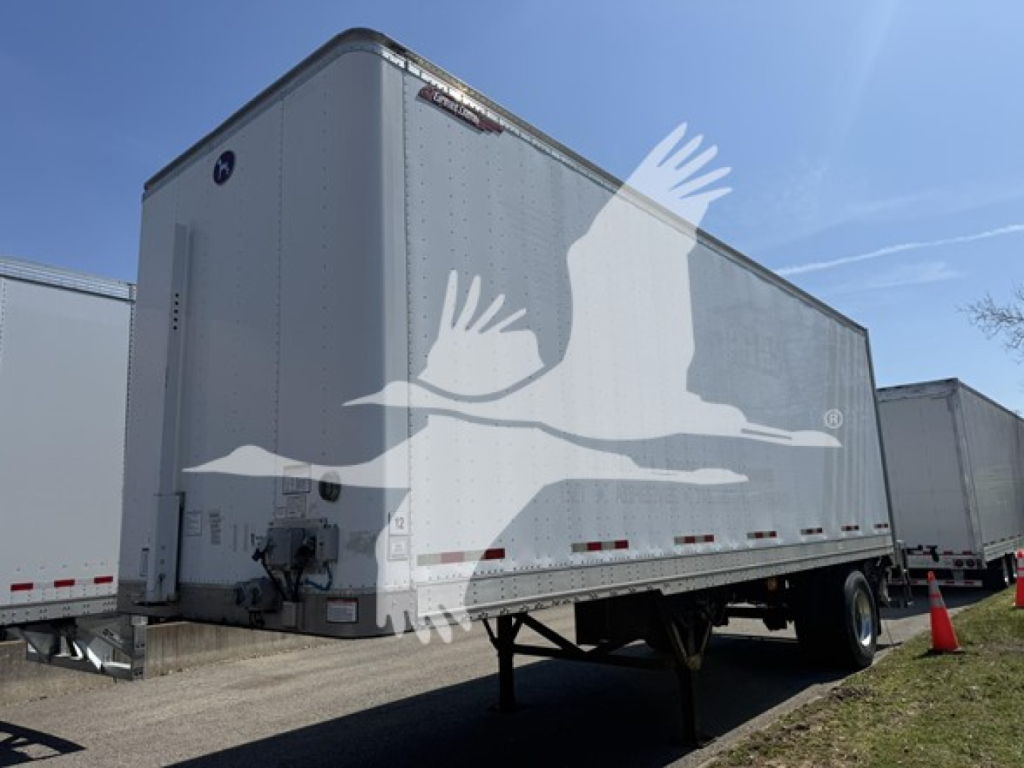
Have pup trailer to sell? List it here to reach thousands of buyers.
About Pup Trailers in Colorado
Dry van pup trailers are common in parcel, hub-and-spoke, and city P&D work. Typical specs include a single axle or tandem axle setup, spring ride or air ride suspension, a pintle hitch for doubles combinations, swing or roll rear doors, and wood or laminated flooring designed for forklift traffic. Many fleet buyers also look for practical wear items and uptime features such as scuff liners or wearbands, logistics posts, plate sidewalls, aluminum roofs, tire inflation systems, and low-profile 22.5 tires. A single axle pup can offer lighter tare weight and lower maintenance complexity, while tandem axle pups may be a better fit when cargo density, axle loading, or operating regulations call for more flexibility.
Body construction deserves close attention because pups in regional service take repeated dock contact, frequent loading cycles, and more turning stress than longer over-the-road vans. Plate trailers and combination bodies are often chosen for durability, especially where sidewall abuse is common from carts, pallets, or dense LTL freight. Floor condition, crossmember spacing, rear frame design, and roof integrity all matter on a used pup trailer, along with kingpin or drawbar dimensions depending on how the trailer will be matched in a set. If the trailer will run in doubles, make sure the coupling equipment, electrical setup, and brake system match the fleet standard and the intended lead or rear position.
A good pup trailer purchase comes down to matching the trailer to the freight and the route, not just the price tag. Lightweight freight may favor a single axle 28-foot dry van pup with a wood floor and roll door for fast dock work. Heavier mixed freight may push the decision toward a stronger body, different suspension, or added axle capacity. Buyers comparing pup trailers for sale should focus on legal payload by state, tare weight, suspension condition, tire spec, door opening, floor wear, and overall compatibility with existing converter dollies, tractors, and operating lanes.
Frequently Asked Questions
What is a pup trailer?
A pup trailer is a short trailer, commonly around 28 feet long, used in regional freight, LTL service, and doubles operations. It is smaller than a standard 48-foot or 53-foot trailer, which makes it easier to maneuver in city environments, terminals, and tight delivery areas. Pup trailers are often configured as dry vans, but the term refers mainly to the shorter trailer length and operating role rather than one exact body style.
Are pup trailers usually single axle or tandem axle?
Pup trailers can be built with either single or tandem axles, and the right choice depends on freight weight, operating regulations, and maintenance priorities. Single axle pups are common when fleets want lower tare weight, fewer components to maintain, and better maneuverability. Tandem axle pups are often preferred when loads are heavier, axle distribution is more important, or the trailer needs more flexibility across different states and applications.
What should I inspect first on a used dry van pup trailer?
Start with the floor, sidewalls, roof, rear frame, suspension, brakes, and tires because these areas usually show the most wear in regional service. Check the floor for forklift damage, soft spots, patches, and excessive wear at the door threshold. Inspect plate walls, logistics posts, and wearbands for impact damage, and confirm the door operates smoothly and seals correctly. On doubles equipment, also verify the hitch or coupling setup, wiring, and brake connections are compatible with the rest of the combination.
Why are 28-foot pup trailers so common?
The 28-foot pup is widely used because it fits well in doubles combinations and balances cargo space with maneuverability. It works efficiently in hub-and-spoke networks, city pickup and delivery, and terminal freight operations where trailers are moved often and loaded quickly. That size is also familiar across many fleets, which helps with operational standardization, driver familiarity, and equipment matching.
What features matter most for Colorado pup trailer service?
For Colorado service, buyers should pay close attention to brakes, suspension condition, tire spec, and overall structural durability because trailers may see elevation changes, winter weather, and frequent regional turns. A shorter pup trailer can be a strong fit for Front Range distribution, terminal work, and mountain-adjacent routes where maneuverability matters. Buyers should also confirm legal weight distribution, doubles equipment compatibility, and tire condition for the mix of highway, urban, and changing weather conditions common across the state.