
Used Utility Other Trailers For Sale
Browse used Utility other trailers, including specialty and less-common configurations, with practical guidance on specs, condition, and applications.
Learn more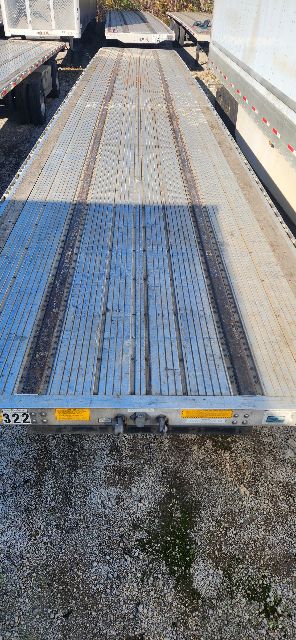
Have used utility other trailer to sell? List it here to reach thousands of buyers.
About Used Utility Other Trailers
A Utility combo flatbed is a good example of what often lands in an "other trailers" category. These trailers typically use a steel-and-aluminum combination to balance tare weight with durability, which matters for operators trying to preserve payload without giving up structural strength. Buyers should look closely at deck condition, crossmember integrity, side rail wear, rub rail design, winch track layout, and any evidence of concentrated forklift loading or off-center cargo stress. Tire age, brake condition, wheel-end service history, and suspension wear also deserve attention, especially on used trailers that have seen regional freight, building materials, machinery, or steel-hauling work.
Utility trailers in specialty categories are often purchased for a specific lane or customer requirement, so dimensions and legal compliance should be confirmed early. Check overall length, axle spacing, GVWR, landing gear condition, lighting, ABS status, and current DOT inspection readiness. If the trailer has aluminum wheels, coil package equipment, toolboxes, or aftermarket securement additions, those details can affect both value and suitability. For flatbed-style units, deck height, kingpin setting, and securement flexibility are practical concerns because they influence tractor compatibility and load planning.
For a buyer comparing multiple used Utility other trailers for sale, the best value is usually the trailer that matches the freight first and needs the least corrective work after delivery. A lighter trailer is not always the better trailer if the deck is tired or the running gear needs immediate attention. Service records, visible structural condition, and prior application tell more than a generic category label. When a used Utility trailer has been maintained properly, it can remain a productive asset for specialized freight, regional hauling, or owner-operator flatbed work for years.
Frequently Asked Questions
What types of trailers usually appear in the used Utility other trailers category?
This category usually includes Utility trailers that do not fit neatly into standard dry van, refrigerated, or conventional equipment groups. A common example is a Utility combo flatbed, but specialty platform trailers and niche commercial configurations may also appear here. Because the category can include mixed trailer types, buyers should verify the exact body style, dimensions, axle layout, and intended application before comparing price.
What should I inspect first on a used Utility combo flatbed or specialty trailer?
Start with the structure and running gear. On a flatbed-style trailer, inspect the deck, crossmembers, side rails, rub rails, winch track, landing gear, suspension, axles, brakes, and wheel ends. Uneven deck wear, bent components, cracked welds, corrosion around stress points, and neglected tires can quickly turn an attractive purchase price into a higher total cost. Structural condition matters more than cosmetic appearance on a used work trailer.
Are Utility combo flatbeds a good choice for maximizing payload?
They often are, especially when the trailer uses a steel-and-aluminum combination that helps reduce tare weight while maintaining strength in key load-bearing areas. That said, payload potential depends on the actual trailer spec, including axle rating, deck design, and installed equipment. Added accessories, repairs, or reinforcements can change empty weight, so buyers should confirm the trailer's current scale weight and legal capacity rather than relying only on the original model description.
How important are kingpin setting and deck height on this type of trailer?
Both are important because they affect tractor compatibility, bridge law considerations, and how the trailer fits your freight profile. Kingpin setting influences weight distribution and turning clearance with the tractor, while deck height affects legal loaded height and loading practicality. On specialty or flatbed-style Utility trailers, these dimensions can matter just as much as overall trailer length when matching the unit to your operation.