
Trailers For Sale in Manitoba
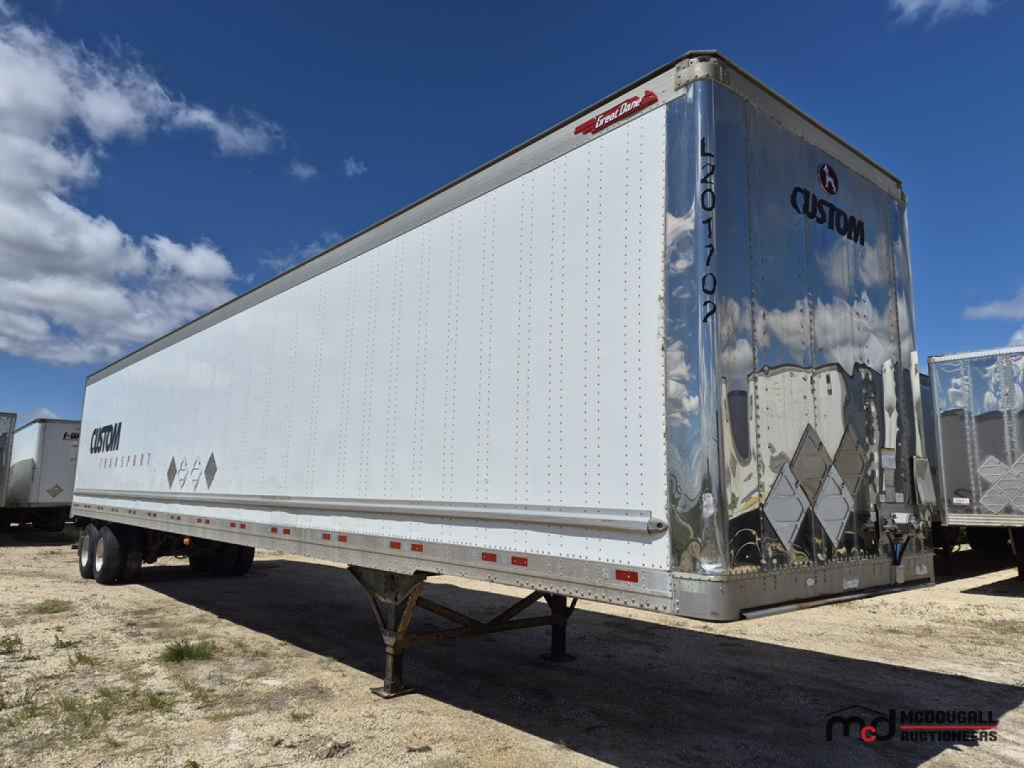
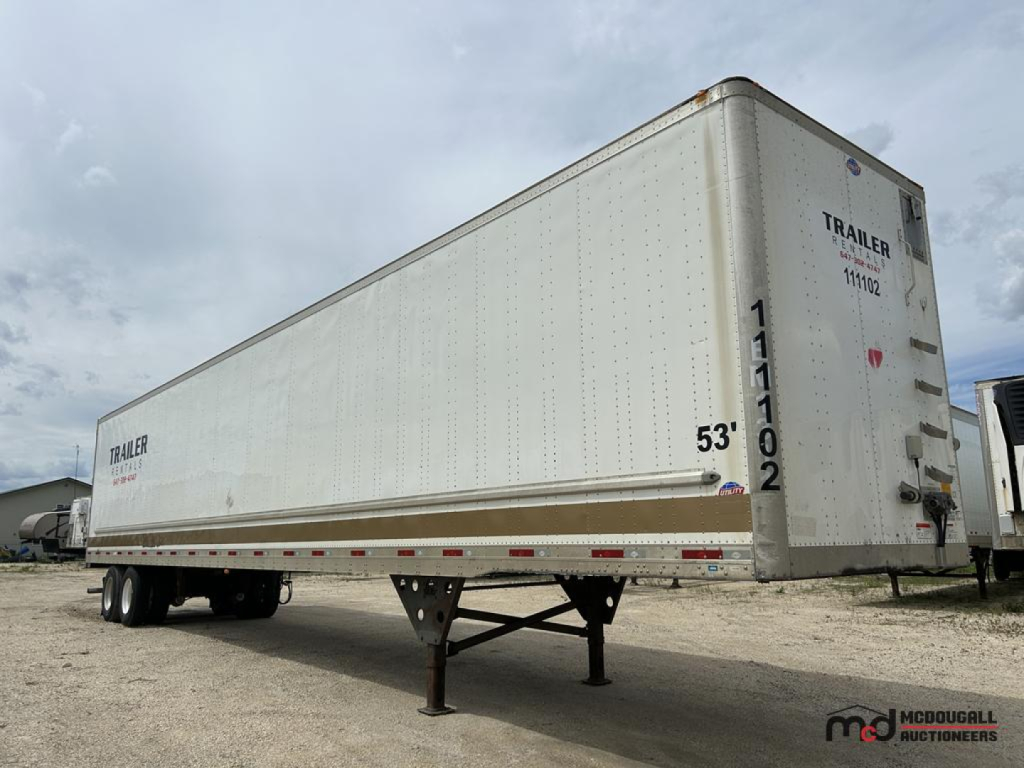
Shop trailers for sale in Manitoba, including dry van trailers with common specs, axle setups, suspension choices, and freight-ready options.
Learn more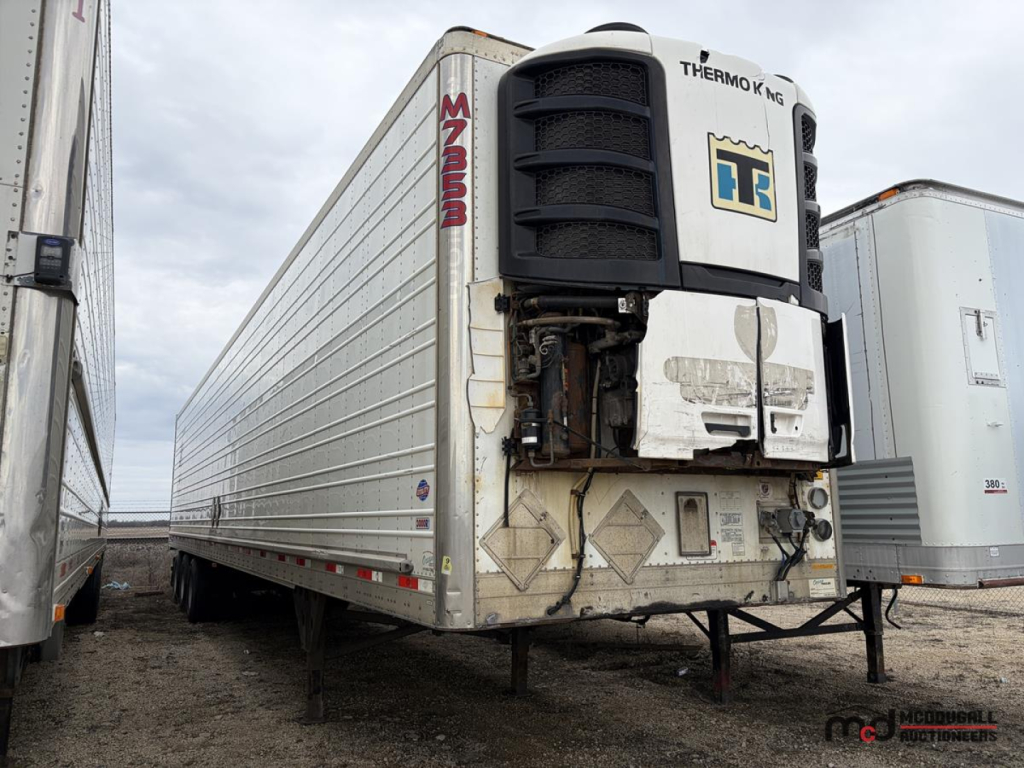
Have trailer to sell? List it here to reach thousands of buyers.
About Trailers in Manitoba
For Manitoba operations, trailer spec matters in winter service and long highway mileage. Air ride suspension is often preferred for ride quality and freight protection, while spring ride can still make sense for simpler maintenance and lower acquisition cost. Sliding tandems are common on van trailers because they help with bridge law compliance and axle weight distribution across provincial and cross-border routes. Tire size, wheel type, ABS configuration, brake condition, and the presence of tire inflation systems also deserve a close look, especially for fleets running long distances in mixed weather.
Body construction varies between aluminum, steel, and combination designs. Aluminum or composite sidewalls can help reduce tare weight, while steel components are still common in high-wear areas such as rear frames, thresholds, and door surrounds. Inside the trailer, buyers should pay attention to floor thickness, scuff liners, logistics posts, E-track, plywood lining, and roof condition. A 1-3/8 inch wood floor is common on freight vans, and features like galvanized rear frames, dock-lock reinforced bumpers, translucent or aluminum roofs, and full-height nose lining can make a real difference in durability and day-to-day loading performance.
Door configuration is another key decision. Swing doors are simple and durable, while roll-up doors can speed up dock work and reduce door swing issues in tight yards, though they may reduce a little interior clearance at the rear. If the trailer will handle food products, consumer goods, LTL freight, or high-cycle dock work, look closely at interior dimensions, load height, venting, side lining, and signs of prior forklift damage. A good trailer in this category should match the freight, the route, and the maintenance strategy, not just the purchase price.
Frequently Asked Questions
What are the most common trailer sizes for dry van trailers in Manitoba?
The most common dry van trailer sizes are 48 feet and 53 feet in length, with a standard width of 102 inches and overall height up to 13 feet 6 inches. A 53-foot van is the standard choice for maximizing cubic capacity on highway freight, while 48-foot units still appear in older fleets and certain regional applications. Buyers should also confirm inside height, door opening dimensions, and tandem slider range because those details affect freight compatibility and legal axle placement.
Is air ride or spring ride better on a van trailer?
Air ride is generally preferred for ride quality, cargo protection, and fleet-spec highway service, especially for sensitive or higher-value freight. Spring ride is simpler and can cost less to buy and maintain, which appeals to some owner-operators and budget-focused buyers. The right choice depends on the freight profile, expected mileage, road conditions, and how much priority is placed on reducing cargo shock and vibration.
What should I inspect first on a used dry van trailer?
Start with the floor, roof, rear frame, suspension, brakes, tires, and door operation. Floor wear from forklifts, roof leaks, crossmember damage, threshold cracking, and rear frame corrosion can turn a low purchase price into a costly repair program. It is also important to inspect the slider rails, kingpin area, landing gear, scuff liners, and interior sidewall condition because these points reveal how the trailer was loaded and maintained.
Are roll-up doors or swing doors better for a dry van trailer?
Swing doors are durable, lighter in some specs, and give full rear opening clearance, which can be helpful for certain freight and loading patterns. Roll-up doors are convenient at busy docks and in tight yards because they stay out of the way during loading, but they add moving parts and can reduce usable rear opening height. The better choice depends on dock frequency, yard space, cargo dimensions, and maintenance preference.
What features improve the value of a dry van trailer?
Features that usually improve value include air ride suspension, sliding tandems, logistics posts, E-track, good wood floors, galvanized rear frames, aluminum or composite body construction, and clean interior lining. Tire inflation systems, dock-lock compatible bumpers, quality landing gear, and well-maintained brakes also matter because they reduce downtime and support fleet service. A trailer with a sound structure and a practical freight-ready spec usually holds value better than one with cosmetic appeal alone.