
New Lowboy Trailers For Sale
New lowboy trailers for hauling heavy equipment, construction machinery, and oversized loads with low deck heights and detachable goosenecks.
Learn moreBrowse Lowboy Trailers by Make

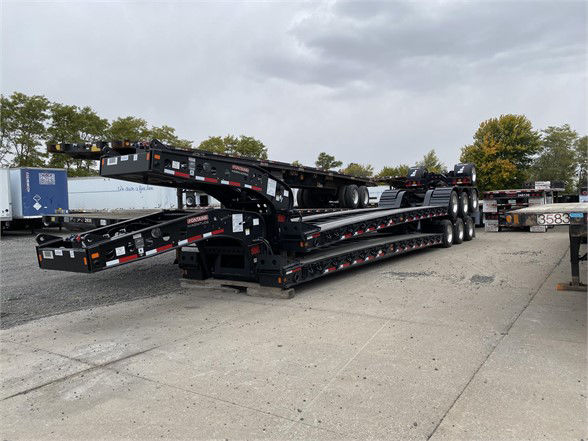
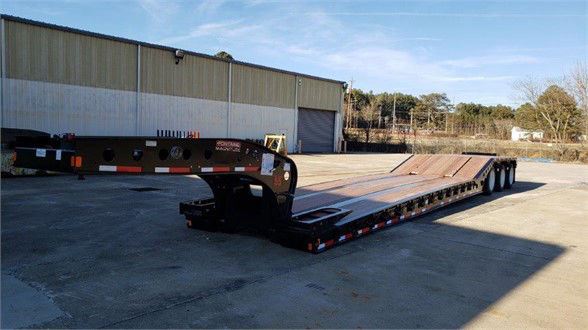
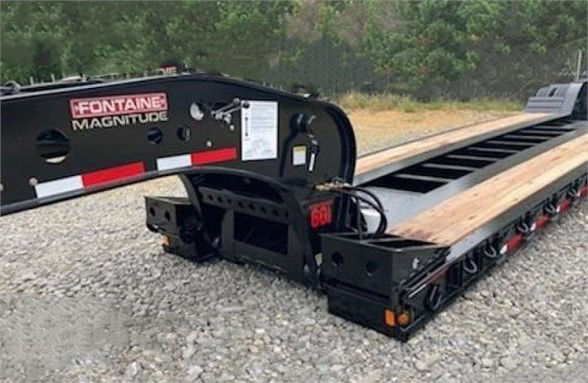
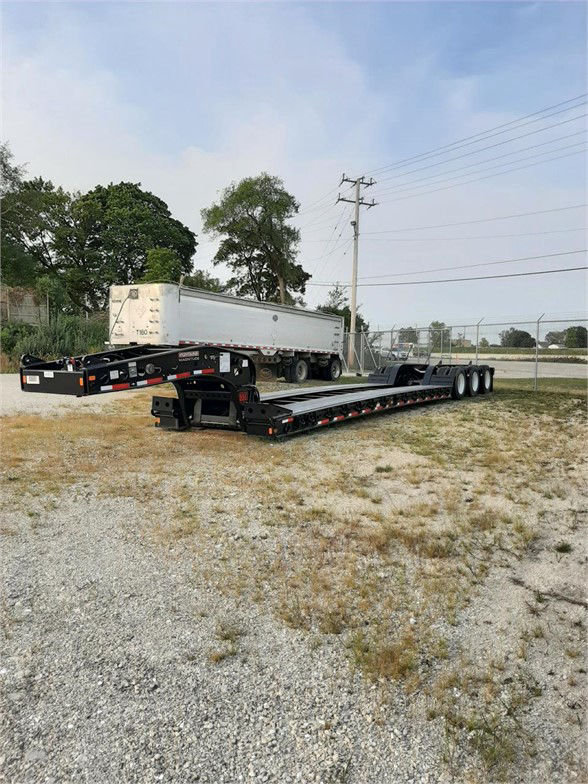
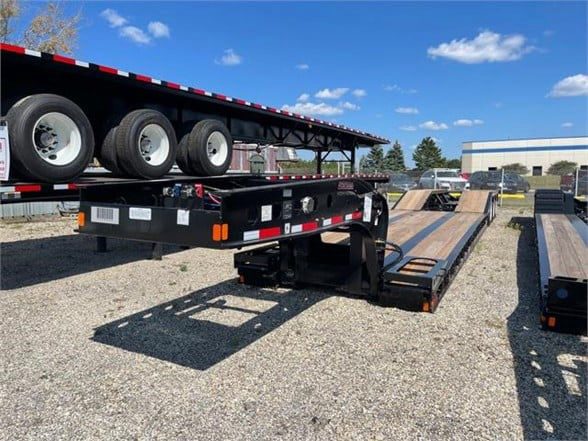
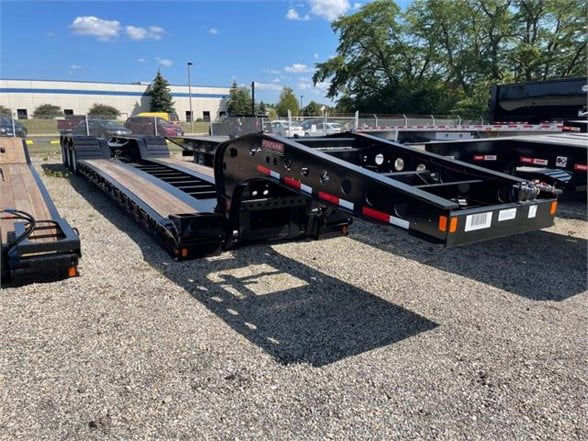
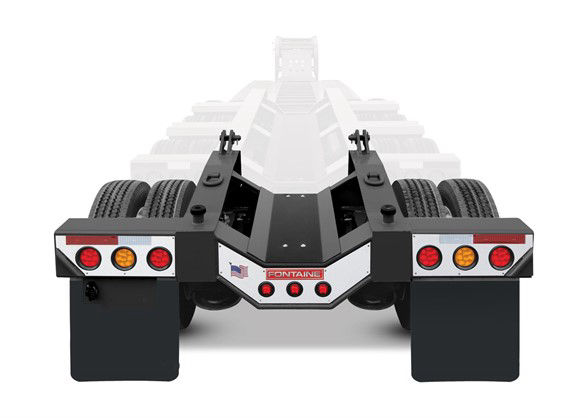
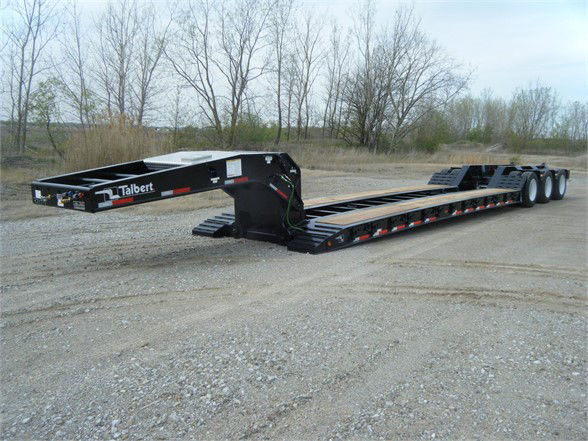
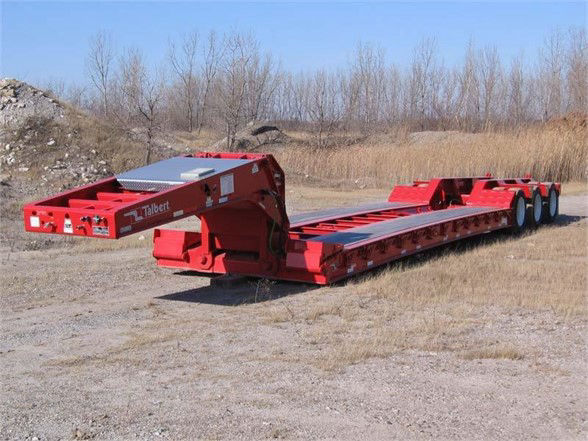
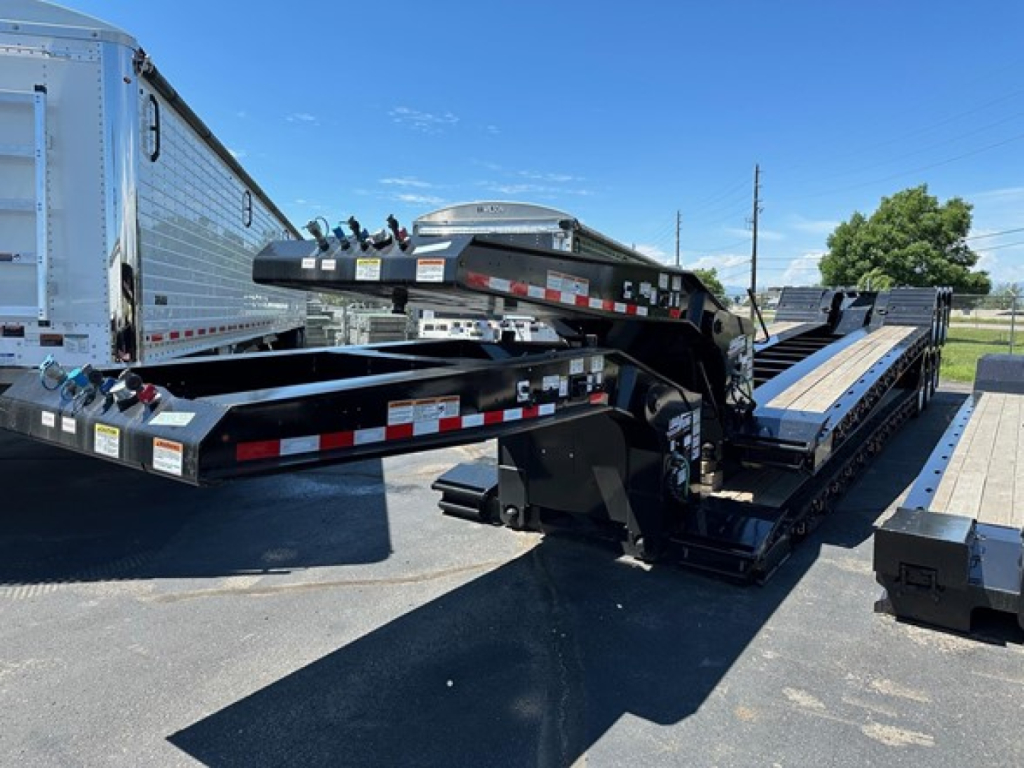
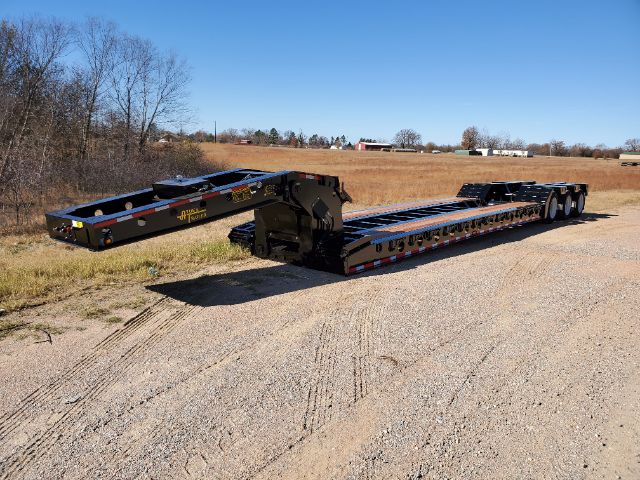
Showing 121 to 132 of 133 results
Have new lowboy trailer to sell? List it here to reach thousands of buyers.
About New Lowboy Trailers
One of the biggest buying decisions is trailer configuration. Many new lowboys are hydraulic detachable gooseneck models, including non-ground-bearing and ground-bearing designs, because they make self-loading tracked equipment faster and safer. Capacity is commonly rated by tons in a stated concentrated area, such as 55 tons in 13 feet, so buyers need to match the rating to the real footprint of the machine, not just its gross weight. Main deck length, gooseneck swing radius, kingpin setting, axle spacing, and the availability of flip axle connections all matter if the trailer will be permitted in multiple states. Newer heavy-haul setups often include tri-axle air ride suspensions, mechanical or multi-position ride height control, lift axles, and compatibility with rear or intermediate flip axles when extra capacity or bridge compliance is needed.
Spec details make a major difference in day-to-day use. Buyers should pay close attention to deck length, deck width, loaded deck height, crossmember spacing, and floor construction such as steel-reinforced wood or all-steel sections in high-wear areas. Outriggers, side rail chain slots, D-rings, covered boom troughs, hammer plates, wheel covers, and front approach ramps all affect how well the trailer handles varied equipment. Tire size and wheel package are also worth comparing, especially low-profile 22.5-inch rubber, aluminum outer wheels, and air ride suspension setups that help with ride quality and permit-friendly height. Toolboxes, air weigh or liquid-filled scale systems, LED lighting, strobe packages, and battery backup lighting add practical value for fleets running heavy-haul, paving, utility, and construction work.
A new lowboy trailer also gives buyers the advantage of current safety systems, fresh suspension and brake components, and a clean starting point for permit planning and fleet standardization. For many operations, the best choice is not simply the highest ton rating. It is the trailer that matches the machine mix, loading method, route profile, and jurisdiction requirements. If the work regularly includes tall excavators, long-track dozers, or concentrated point loads, focus on deck design, neck geometry, and axle expandability before comparing cosmetic options. A properly spec'd lowboy will load easier, permit cleaner, and stay productive longer in demanding heavy-haul service.
Frequently Asked Questions
What is the difference between a lowboy trailer and a standard flatbed or step deck?
A lowboy trailer has a much lower main deck than a flatbed or step deck, which allows taller and heavier equipment to be hauled while maintaining legal overall height. Most lowboys are designed for construction and machinery transport, especially tracked equipment and concentrated loads. A detachable gooseneck also lets machines be driven on from the front, which is a major advantage over rear-loading trailer types.
How is lowboy trailer capacity rated?
Lowboy capacity is typically rated in tons over a specified deck section, not simply as a total gross number. A trailer advertised as 55 ton or 60 ton capacity may only carry that rating within a defined load length such as 13 feet or 16 feet. Buyers should compare the machine's operating weight, track or tire footprint, axle loading, and center of gravity to the trailer's rating chart to make sure the spec fits the actual application.
When do I need a flip axle on a lowboy trailer?
A flip axle is used when additional axle count or load distribution is needed for bridge laws, permit requirements, or higher payloads. Rear flip axles and intermediate flip axles can change how the load is spread across the trailer combination and may be required in certain states for heavier machines. The important point is compatibility. Not every lowboy is set up for the same flip axle arrangement, so the trailer and axle package need to be matched from the start.
What features matter most on a new hydraulic detachable gooseneck lowboy?
The most important features usually include loaded deck height, main deck length, neck style, ride height positions, swing clearance, kingpin settings, axle configuration, and suspension type. Buyers should also look at practical equipment such as outriggers, D-rings, chain slots, front ramps, toolboxes, wheel covers, and scale systems. These details affect loading speed, securement flexibility, and how easily the trailer can be permitted and operated across different jobsites and road systems.
Is air ride suspension common on new lowboy trailers?
Yes. Air ride suspension is common on new lowboy trailers because it helps manage ride quality, deck height, and load stability. It also supports features such as dump valves, lift axles, and ride height adjustment, which are useful when loading equipment and meeting permit dimensions. For heavy-haul buyers, suspension setting and axle spacing are just as important as the suspension brand because they directly affect bridge compliance and roadability.