
Trailers For Sale Near Haleyville, Alabama
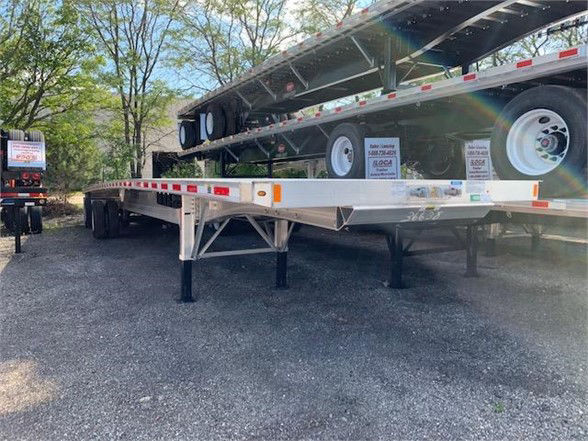
Shop trailers for sale in Haleyville, AL including flatbed and drop deck models with tandem axles, air ride, aluminum and steel construction.
Learn more
Have trailer to sell? List it here to reach thousands of buyers.
About Trailers Near Haleyville, Alabama
Material choice is one of the biggest decisions in this category. All-aluminum trailers are favored when payload matters most, especially for building products, packaged freight, and general flatbed work where tare weight cuts into revenue. Steel trailers tend to be heavier but are often selected for tougher duty cycles and concentrated loads. Combo trailers, which use steel in key structural areas and aluminum elsewhere, offer a middle ground between durability and weight savings. Floor design also matters. Aluminum floors, wood nail strips, coil packages, routed side rails, and double winch tracks can make a major difference in how quickly a driver can secure freight and how well the trailer holds up over time.
For flatbed buyers, key options usually include air ride suspension, widespread axle settings, rear axle slides, chain tie layouts, landing gear spec, and wheel-end setup. A 48-foot flatbed is a common choice for mixed regional freight, while a 53-foot aluminum flatbed is often preferred when maximizing deck space and payload on longer hauls. Buyers looking at step decks, also known as drop deck trailers, should pay close attention to loaded deck height, upper deck length, and frame construction. Drop decks are often the better fit for taller freight that would exceed legal height on a standard flatbed, including equipment, crated machinery, and certain construction materials.
In and around Haleyville, buyers often need trailers that can handle a mix of regional lanes, industrial freight, agricultural loads, and building materials. That makes practical features more important than cosmetic ones. Look closely at main beam design, crossmember spacing, suspension brand, brake specification, lighting protection, and securement hardware count. Details like recessed lights, scuff-resistant side rail designs, pop-up chain ties, rear axle dump, and grease or oil bath hubs can affect uptime and maintenance cost more than the initial spec sheet suggests. A well-matched trailer should fit the freight profile first, then the route, then the maintenance program.
Frequently Asked Questions
What is the difference between a flatbed trailer and a drop deck trailer?
A flatbed trailer has a single deck height from front to rear and is commonly used for general freight, building materials, machinery, and palletized loads that can be loaded from the side or top. A drop deck trailer, also called a step deck, has an upper deck and a lower deck, which allows taller freight to ride lower and stay within legal height limits. Buyers usually choose a drop deck when cargo height is the limiting factor and a standard flatbed would push the load overheight.
Is an aluminum trailer better than a steel trailer?
An aluminum trailer is usually lighter, which helps increase payload and improve fuel efficiency in weight-sensitive operations. A steel trailer generally offers rugged durability for hard use and concentrated loads, but it comes with more tare weight. Many fleets choose combo construction to balance weight savings with structural strength in key stress areas. The right choice depends on freight type, average haul length, and how much revenue is tied to every pound of payload.
What axle setup should I look for on a trailer?
Tandem axles are standard for many highway trailers, but spread axles and sliding rear axles are both common depending on operating needs. Spread axles can help with weight distribution and are popular on flatbeds, though they may affect maneuverability in tight areas. Sliding axles add flexibility for bridge compliance and load placement. Buyers should match the axle configuration to their freight mix, state bridge laws, turning environment, and loading patterns.
What features matter most on a flatbed trailer?
The most important flatbed features are usually frame rating, trailer weight, floor type, side rail design, suspension, securement layout, and axle spacing. Buyers hauling steel, coils, pipe, or machinery should pay special attention to concentrated load ratings, coil package specs, winch track design, and chain tie placement. For general freight, low tare weight, durable flooring, and easy access to securement points often matter more than specialized heavy-haul options.
How do I choose the right trailer length for my operation?
A 48-foot trailer is a common fit for regional work and mixed freight because it balances deck space with maneuverability. A 53-foot trailer provides more usable deck length and is often preferred for long-haul freight and operations trying to maximize load flexibility. The best length depends on your shipping lanes, customer requirements, dock access, and the dimensions of the cargo you haul most often. Buyers should also confirm how trailer length interacts with axle placement and state regulations.