
Wabash Flatbed Trailers For Sale in Illinois
Shop Wabash flatbed trailers for sale in Illinois. Compare 48-ft and 53-ft specs, axle setups, flooring, tie-downs, and lightweight options.
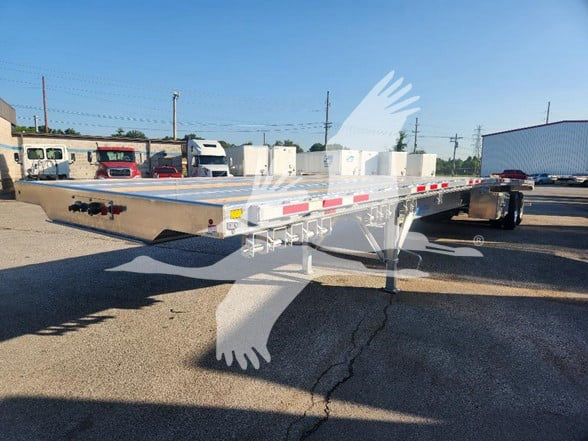
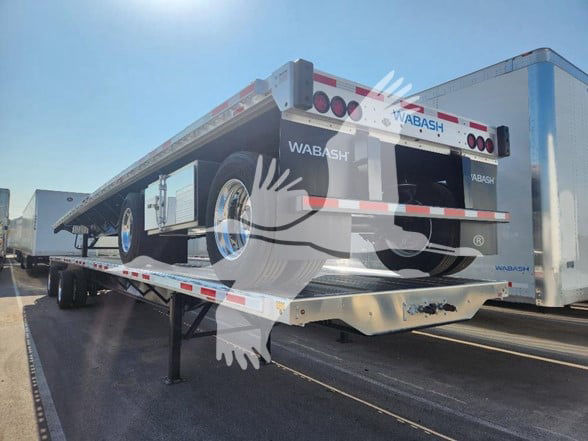

Have wabash flatbed trailer to sell? List it here to reach thousands of buyers.
Wabash Flatbed Trailers in Illinois
A lot of the buying decision comes down to how the trailer is equipped for securement and daily use. Wabash flatbeds are commonly spec'd with sliding winches, full winch tracks, stake pockets, chain spools, and multi-position tie-down systems so the deck can handle a wider range of cargo. Flooring matters too. Buyers often compare standard wood floors against upgraded systems such as engineered or high-durability floor packages designed for forklift traffic, concentrated loads, and longer service life. Toolboxes, extra marker lights, rear work-light provisions, and rear filler plates can make a noticeable difference for operators handling frequent tarp work, late loading appointments, or tight dock and yard conditions.
Suspension and axle layout are another major consideration. Spread axle flatbeds remain popular for payload distribution and loading stability, while air ride suspensions from suppliers such as Hendrickson are favored for better freight protection and a smoother pull. Some Wabash trailers are spec'd with rear axle slides to help with bridge law compliance and state-specific operating requirements, including California-legal positioning on certain applications. Features like axle dump valves and automatic tire inflation systems can also reduce tire wear, improve maneuverability in tight turns, and cut roadside downtime. Wheel and tire spec, including low-profile 22.5 rubber and aluminum wheels, also affects weight, maintenance cost, and overall trailer appearance.
For a buyer comparing Wabash flatbed trailers, the best fit usually comes down to freight profile more than brand name alone. A lightweight all-aluminum 53-footer makes sense for maximizing legal payload on longer runs, while an aluminum-combo build may be the better balance for fleets that want durability with controlled tare weight. Look closely at deck rating, crossmember spacing, tie-down count, suspension type, and how the trailer is laid out for the cargo you actually haul. A flatbed that is correctly spec'd for coils, lumber, machinery, or general building materials will work harder, wear more evenly, and cost less to operate over time.
Frequently Asked Questions about Wabash Flatbed Trailers in Illinois
What should I look for first when comparing Wabash flatbed trailers?
Start with deck length, trailer weight, axle configuration, and securement equipment. A 48-foot or 53-foot deck changes freight flexibility, while aluminum versus combo construction affects payload capacity and long-term durability. Spread axles, sliding rear axles, winch tracks, sliding winches, stake pockets, and multi-position tie-downs all matter because they determine how easily the trailer can be matched to your actual freight mix.
Are Wabash flatbed trailers available in all-aluminum and aluminum-combo designs?
Yes. Wabash flatbeds are commonly found in lightweight all-aluminum builds as well as aluminum-combo configurations that blend lower tare weight with reinforced structural areas. All-aluminum is often chosen when every pound of payload matters, while combo construction can be a practical middle ground for fleets hauling mixed commodities and working in tougher loading environments.
Is a spread axle Wabash flatbed better than a sliding axle setup?
It depends on the lanes and freight. Spread axles are popular because they help distribute weight and provide a stable platform for many open-deck loads. A sliding rear axle adds flexibility for bridge law compliance, turning needs, and state-specific requirements. Buyers running diverse interstate lanes often value that adjustability, while dedicated operations may prefer the simplicity of a fixed spread setup.
What flooring and tie-down features are important on a flatbed trailer?
Flooring should match the way the trailer is loaded and the type of cargo it carries. Heavy forklift traffic, concentrated pallet loads, and repeated loading cycles call for a durable floor system with strong support underneath. On the securement side, many buyers want sliding winches, full-length winch tracks, chain ties, and multiple tie-down positions so the trailer can handle machinery, steel, lumber, and general freight without constant rework or aftermarket additions.
Do features like air ride suspension and tire inflation systems really matter on a flatbed?
They do, especially for fleets watching maintenance cost and cargo protection. Air ride suspension helps reduce shock transfer to the load and can improve ride quality compared with harsher setups. Automatic tire inflation systems help maintain proper air pressure, which supports better tire life, fuel efficiency, and roadside reliability. On a flatbed that sees long highway miles and changing load conditions, those features can provide real operating value.