
2022 Utility Flatbed Trailers For Sale
Shop 2022 Utility flatbed trailers. Compare 48' and 53' specs, combo or steel construction, axle setups, deck types, and securement options.
Learn more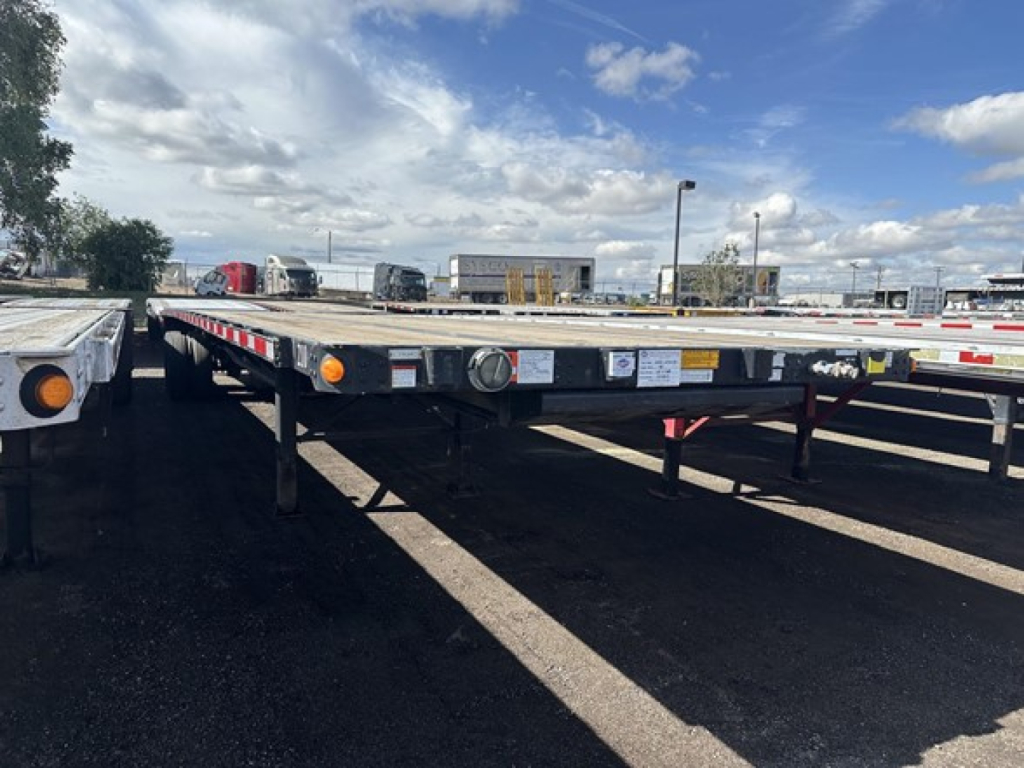
Have 2022 utility flatbed trailer to sell? List it here to reach thousands of buyers.
About 2022 Utility Flatbed Trailers
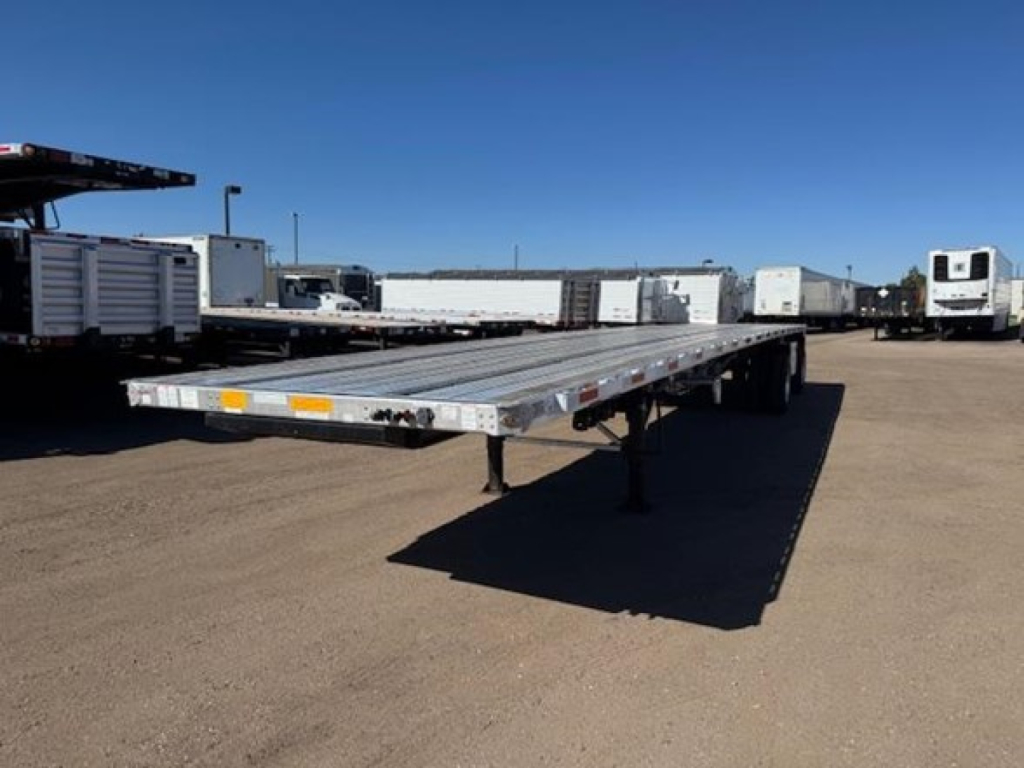
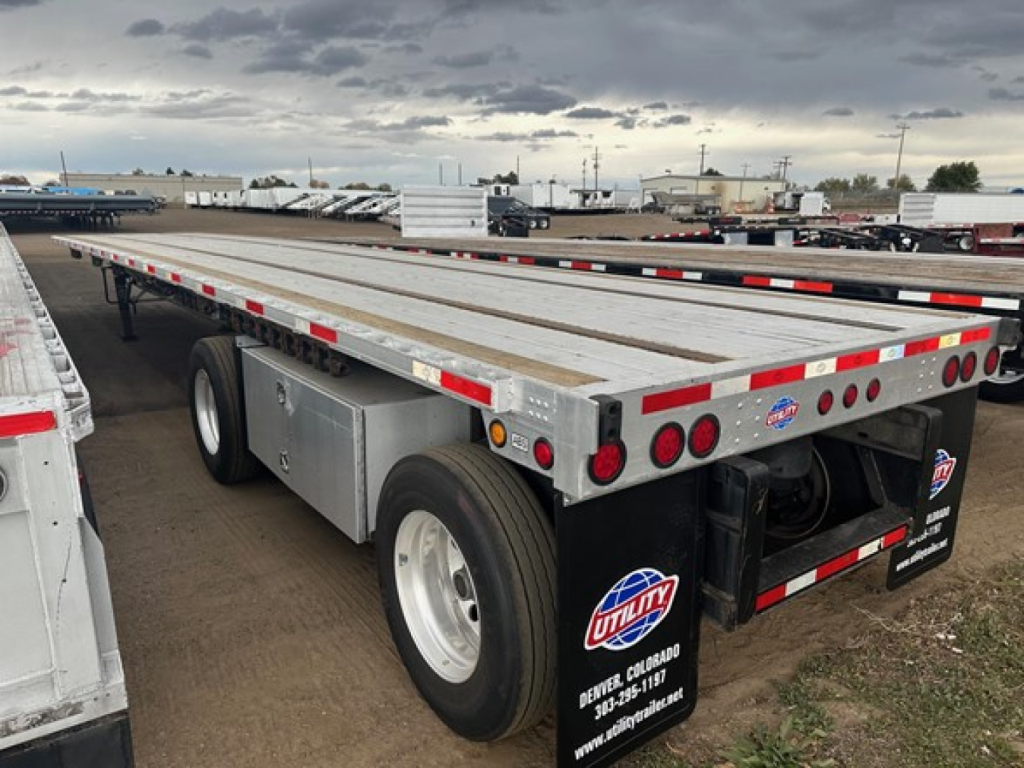
Deck layout and securement hardware matter as much as the frame. In this model year, buyers will often see 48-foot or 53-foot by 102-inch trailers with features such as stake pockets, double pipe spools, sliding winches, and winch tracks on both curb and road sides. Coil packages are a major value point for shippers hauling steel, and nail strips remain important for operators using wood dunnage, edge protectors, and mixed freight securement. Deck material also changes how the trailer works in the field. Apitong wood decks are still preferred by many operators for grip, easy replacement, and forklift tolerance, while aluminum deck sections help cut weight for payload-sensitive freight.
Axle configuration should match freight lanes and bridge law requirements. A 2022 Utility flatbed may be set up with a closed tandem, spread axle, or sliding tandem, and suspension can be spring ride or air ride depending on application. Spread air setups are attractive for stability and weight distribution, while sliding tandems give more flexibility at docks and across varying state regulations. Tire size, wheel material, rear impact guard, air dump features, and slider design all affect day-to-day usability, especially for fleets loading in tight yards or running irregular legal weights.
For a buyer comparing listings, the most important questions are simple: combo or steel, 48-foot or 53-foot, coil package or general freight deck, and fixed or sliding axle arrangement. Utility flatbeds have a strong reputation in general freight, steel, building products, machinery, and palletized cargo because the platform is straightforward, parts support is familiar, and the specification range fits both fleet and owner-operator work. A clean 2022 trailer with sound deck condition, straight frame rails, healthy suspension components, and complete securement hardware can still be a productive trailer for regional or over-the-road service.
Frequently Asked Questions
What is the difference between a Utility combo flatbed and a full steel flatbed?
A Utility combo flatbed typically uses steel main beams with aluminum crossmembers, rails, and deck components to lower empty weight and improve payload capacity. A full steel flatbed usually carries more tare weight but can be a good fit for harder-use applications where operators expect repeated concentrated loads, rough loading practices, or simpler structural repair work. The better choice depends on the freight mix, legal payload targets, and how the trailer will be maintained.
What should I check on a used 2022 Utility flatbed trailer?
Start with the frame, crossmembers, deck condition, suspension, and axle alignment. Look closely for cracked welds, bent rails, gouged or rotten decking, worn slider components, brake and air system issues, and damage around the kingpin, landing gear, and rear impact guard. Securement equipment also needs attention because missing sliding winches, damaged winch track, bent stake pockets, or worn pipe spools add replacement cost quickly. Tire age, wheel condition, and signs of uneven wear can also reveal alignment or suspension problems.
Is a 48-foot or 53-foot Utility flatbed better for general freight?
A 53-foot flatbed gives more deck space and typically fits broader over-the-road general freight demand, especially for building products, machinery, and palletized loads. A 48-foot trailer can still be a practical choice in regional work, denser freight lanes, or operations that value lower acquisition cost and simpler maneuvering. The right length depends on customer requirements, state bridge laws, and the type of freight that regularly fills the deck.
Why is a coil package important on a flatbed trailer?
A coil package is important if the trailer will haul steel coils because it provides the structural and deck configuration needed to support concentrated coil weight safely. Buyers hauling steel should confirm the trailer has the proper coil well or reinforced package, along with the right tiedown equipment and load placement capability. Even if the trailer will mostly carry general freight, a coil package can broaden the range of loads the trailer can legally and safely handle.
Which axle setup is best on a 2022 Utility flatbed trailer?
Closed tandem, spread axle, and sliding tandem setups each solve different operating problems. A closed tandem can be simpler and familiar for many fleets, a spread axle can improve stability and weight distribution, and a sliding tandem offers flexibility for dock positioning and compliance with varying state bridge requirements. The best setup depends on freight type, route geography, customer docks, and whether the operation values maneuverability more than fixed-position axle performance.