
2020 Transcraft Flatbed Trailers For Sale
Shop 2020 Transcraft flatbed trailers with specs buyers want, including combo construction, spread axles, air ride, deck options, and tie-down setups.
Learn more
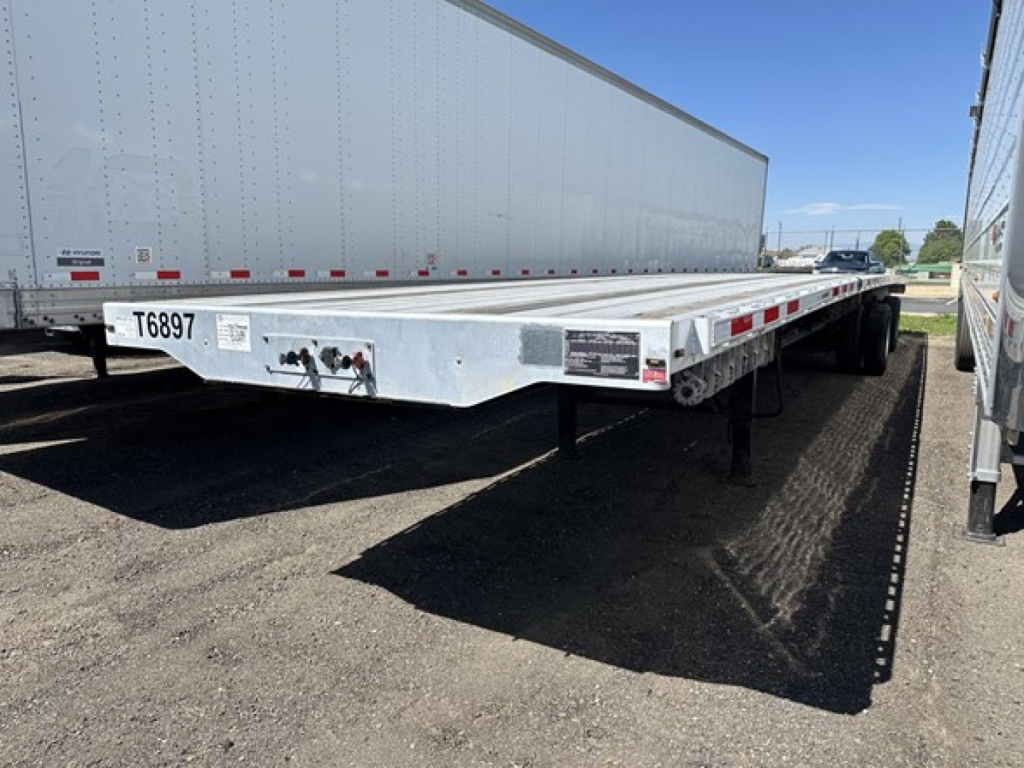
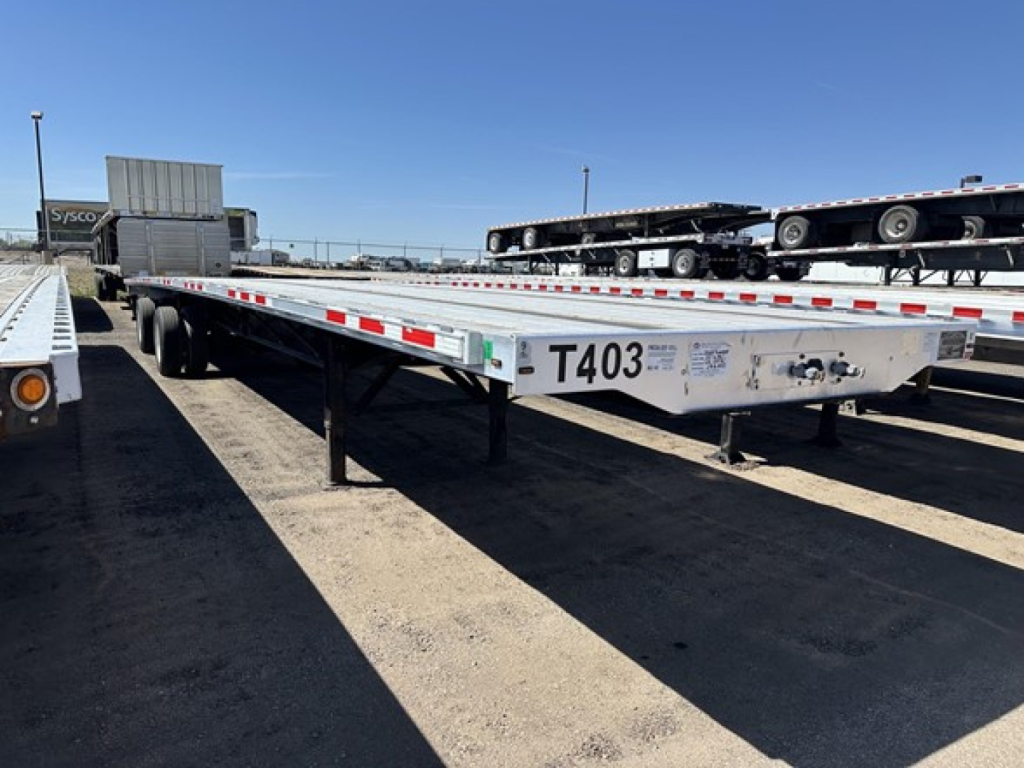
Have 2020 transcraft flatbed trailer to sell? List it here to reach thousands of buyers.
About 2020 Transcraft Flatbed Trailers
The biggest buying decision is usually construction type. A steel flatbed can be attractive for hard use and lower upfront cost, but a combo flatbed or aluminum-and-steel composite trailer often makes more sense when payload matters. Many 2020 Transcraft trailers were spec'd with aluminum decking, nail strips, stake pockets, pipe spools, and sliding winches, which keeps them versatile for chain, strap, and mixed securement work. Buyers should pay close attention to deck condition, crossmember spacing, side rail wear, winch track integrity, and the condition of the apitong or aluminum floor depending on the build. On a used flatbed, these details tell you more about remaining service life than the model year alone.
Axle layout and suspension matter just as much as deck construction. Spread axle air ride setups are common on 2020 Transcraft flatbeds because they improve load distribution and ride quality, especially on longer hauls and higher-value freight. Some are fixed spread and some are slider configurations, so it is important to match the trailer to the lanes you run and the bridge laws you deal with most often. California-legal flatbeds are a specific niche worth noting, especially for fleets that need 53-foot capacity with compliant axle spacing. Tire size, wheel type, brake spec, kingpin setting, and landing gear brand also affect serviceability and operating cost, even when two trailers look similar on paper.
For most buyers, the right 2020 Transcraft flatbed is the one that matches freight mix and securement style without adding unnecessary tare weight or maintenance complexity. A trailer set up with sliding winches, pipe spools, stake pockets, and a durable deck will handle a wide range of open-deck work. If the operation moves steel, lumber, machinery, or crated freight, it pays to inspect beam ratings, rear structure, rub rail condition, and signs of concentrated loading damage. Transcraft remains a familiar name in open-deck fleets because these trailers are generally simple to maintain, easy to spec for regional or over-the-road work, and widely accepted across common flatbed applications.
Frequently Asked Questions
What is the typical spec for a 2020 Transcraft flatbed trailer?
A common 2020 Transcraft flatbed spec is 53 feet long and 102 inches wide with a combo construction that uses steel main beams and aluminum deck or rail components. Many were built with air ride suspension, spread axles, 22.5 low-profile tires, stake pockets, pipe spools, nail strips, and sliding winches. Exact specs vary by freight application, so buyers should confirm axle spacing, deck material, wheel setup, and beam rating before comparing trailers.
Is a combo Transcraft flatbed better than a steel flatbed?
A combo flatbed is often the better choice when payload capacity matters because it reduces trailer weight while still keeping steel in high-stress structural areas. A steel flatbed can still be a strong option for severe-duty use, lower acquisition cost, or operations that prioritize ruggedness over tare weight. The better trailer depends on freight type, route density, and how much value your operation places on every pound of legal payload.
What should I inspect on a used 2020 Transcraft flatbed trailer?
Start with the main beams, crossmembers, side rails, and the deck because those areas reveal how the trailer was loaded and maintained. Check the winch track, rub rail, stake pockets, pipe spools, suspension components, brake condition, tire wear, and wheel type. Look closely for cracked welds, bent rear structure, floor damage around concentrated load points, and corrosion where steel and aluminum components meet.
Are spread axle 2020 Transcraft flatbeds good for general freight?
Yes. Spread axle Transcraft flatbeds are widely used for general open-deck freight because they offer stable load distribution and work well with longer, heavier, or higher-center loads. Air ride spread axle setups are especially common on freight that benefits from a smoother ride. Buyers still need to consider state bridge rules, turning characteristics, and whether a fixed or sliding axle arrangement fits their operation better.
Why does California-legal spacing matter on a flatbed trailer?
California-legal spacing matters if the trailer will regularly operate in California or on lanes where compliant axle dimensions affect route flexibility. A 53-foot flatbed with California-legal axle spacing lets carriers use full trailer length while staying within state requirements. That can make a major difference for fleets moving coast-to-coast freight or trying to avoid equipment restrictions on specific western routes.