
Used Doonan Flatbed Trailers For Sale
Shop used Doonan flatbed trailers with insight on deck length, axle setups, weight, tie-down options, and freight applications.
Learn more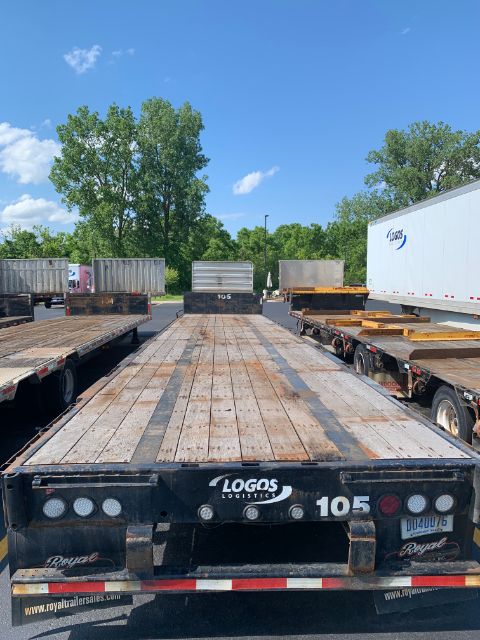
Have used doonan flatbed trailer to sell? List it here to reach thousands of buyers.
About Used Doonan Flatbed Trailers
A buyer should start with the basics that affect payload and compatibility. Deck length, legal width, loaded deck height, and axle spacing all matter, especially if the trailer will run in states with bridge-law sensitivity or in regional freight with frequent dock and yard transitions. Many used Doonan flatbeds are 102 inches wide and may be spec'd with tandem axles, sliding suspensions, aluminum wheels, and tire sizes selected to balance ride height with maintenance cost. Crossmember condition, main beam integrity, floor wear, and evidence of concentrated point loading deserve a close inspection. On a flatbed, the trailer's true value is often in the condition of the deck, frame, suspension, brakes, and wheel ends more than the age on paper.
Securement equipment is another major differentiator. Stake pockets, rub rails, chain spools, winches, sliding winches, and coil package options can significantly change how useful a used flatbed is for your freight mix. If the trailer has hauled steel or heavy machinery, inspect for deck damage, bent side rails, repaired crossmembers, and wear around tie-down points. If it has spent its life in lighter commodity service, look at corrosion, flooring life, and suspension wear. Buyers running frequent tarped loads should also think about how rub rail layout, winch placement, and deck access affect load times and driver safety.
For many fleets and owner-operators, a used Doonan flatbed makes sense when low tare weight, simple maintenance, and broad freight versatility are the priority. Also known as an open-deck trailer or flatbed trailer, this equipment class is easy to redeploy across different customers and lanes if the spec is right. The best used unit is not just the lowest-priced one. It is the one with the right deck length, securement package, structural condition, and remaining service life for the freight you actually haul.
Frequently Asked Questions
What should I inspect first on a used Doonan flatbed trailer?
Start with the structural items that determine safety and remaining service life. Inspect the main beams, crossmembers, deck surface, suspension, axle alignment, brake components, wheel ends, and tire wear. On a flatbed, damaged rub rails, worn stake pockets, and stretched or repaired tie-down areas can also reveal how the trailer was used. A close look under the deck often tells more than the model year.
Are Doonan flatbed trailers typically lightweight trailers?
Many Doonan flatbeds are spec'd to keep tare weight down through aluminum or combination construction, which can help maximize legal payload. Actual empty weight still depends on length, axle setup, floor type, wheel package, and securement options. A trailer built for heavier-duty freight may weigh more than a basic platform trailer, so buyers should compare the exact spec sheet or scale weight when payload is critical.
What freight is a used Doonan flatbed trailer best suited for?
A used Doonan flatbed is commonly used for steel, lumber, machinery, building materials, crated freight, and oversized palletized loads that require crane or forklift access from the side, rear, or top. The right fit depends on deck length, concentrated load rating, and securement setup. Buyers hauling coils, pipe, or dense machinery should confirm that the trailer has the structure and tie-down equipment for those commodities.
How do I choose between a 48-foot and 53-foot used flatbed trailer?
A 48-foot flatbed can be a practical choice for operations that value maneuverability, certain regional lane requirements, or compatibility with existing freight patterns. A 53-foot flatbed offers more deck space and can improve flexibility for lighter but longer freight. The decision should be based on commodity length, state regulations, shipper requirements, and whether the added deck space creates more revenue opportunities in your lanes.
Which flatbed securement features matter most on a used trailer?
The most important features depend on the freight, but buyers usually focus on rub rails, stake pockets, winches, sliding winches, chain tie-down points, and any coil package or special securement layout. These details directly affect how quickly a driver can secure a load and whether the trailer can legally and safely haul different commodities. A used trailer with the right securement package can be more valuable in daily operation than one with a lower purchase price but fewer tie-down options.