
East Trailers For Sale
Shop East trailers for sale, including aluminum flatbeds, drop decks, and dump trailers built for lower tare weight and demanding freight.
Selling a east trailer? List your east trailer for sale and reach thousands of commercial buyers.
East Trailers
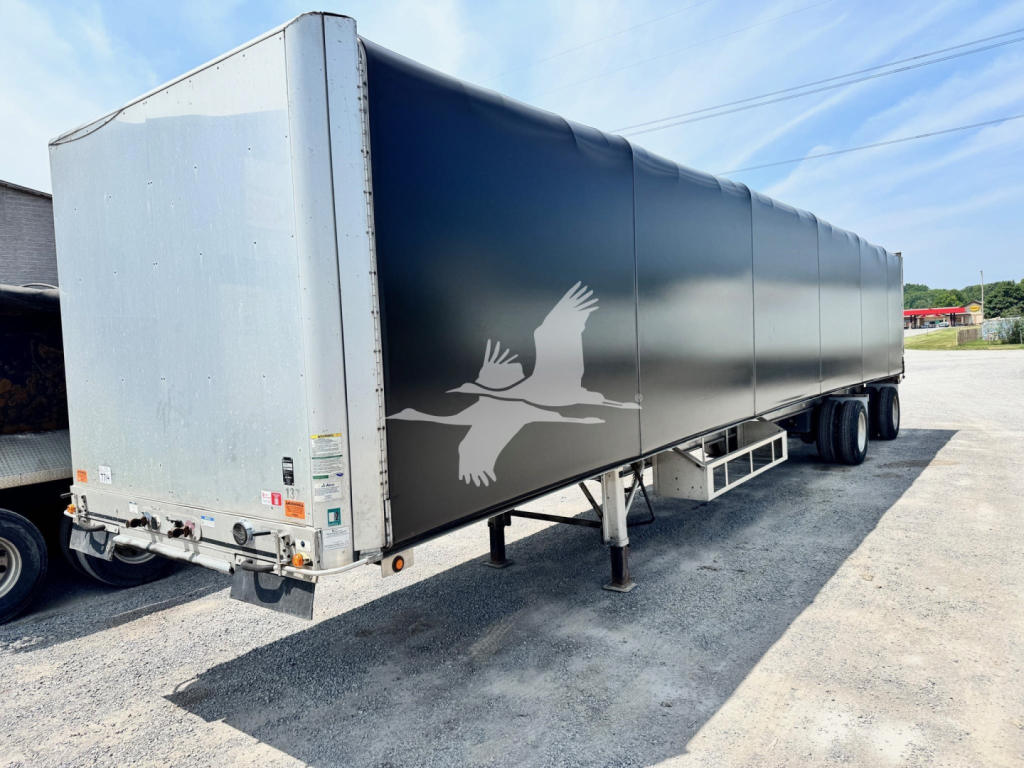
In East flatbed trailers, common configurations include 48-foot and 53-foot lengths, 102-inch width, tandem axles, and air ride suspension. Aluminum floors, integrated side rails, sliding winches, stake pockets, pipe spools, coil package options, and bulkheads are all common on this make. For freight haulers, the real buying decisions come down to beam rating, crossmember spacing, kingpin setting, winch track layout, and whether the trailer has fixed or sliding axle arrangements. If the work involves steel, building products, machinery, or palletized freight, look closely at floor condition, side rail integrity, bulkhead design, and the condition of tie-down hardware. East aluminum flatbeds are often chosen because they keep trailer weight down while still supporting 80,000-pound GVWR applications.
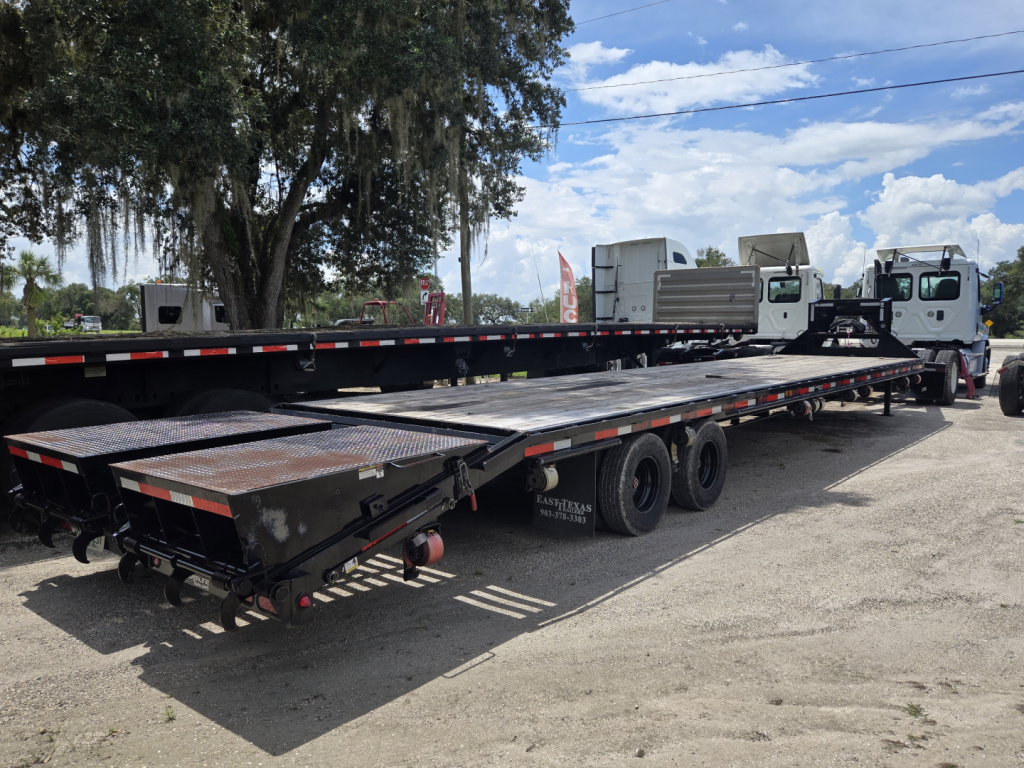
East drop deck and step deck trailers are popular when lower deck height matters for taller freight. Aluminum construction helps preserve payload, and many units are spec'd with sliding winches, nail strips, J-hooks, stake pockets, pipe spools, and air ride suspensions. Buyers should pay attention to loaded deck height, upper deck length, drop measurement, tire size, and any slide axle setup, especially in states with strict bridge and overall length rules. A California-legal or regional-compliance spec can matter if the trailer will cross multiple jurisdictions. On used East drop decks, inspect the transition area, deck surface, main beams, rear frame, and suspension alignment carefully because those zones see concentrated stress.
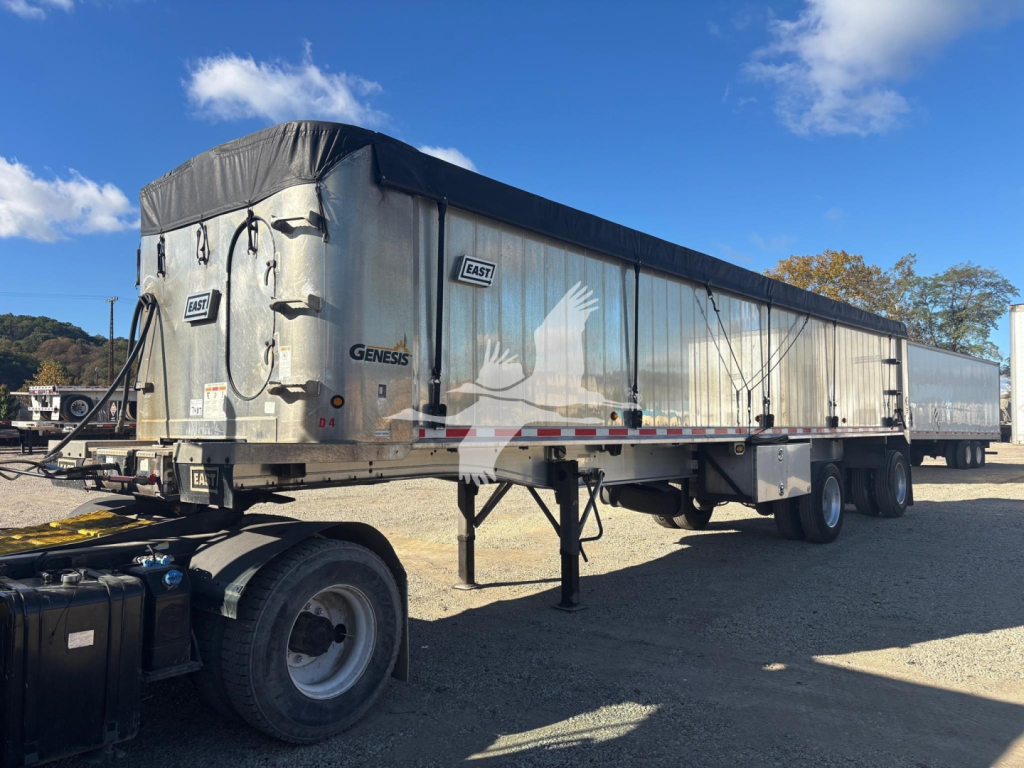
East dump trailers, including aluminum and hybrid designs, are common in aggregate, scrap, grain, mulch, and asphalt-related service depending on body spec. Important details include body length, side height, liner or floor condition, hoist type, tailgate style, tarp system, suspension, and axle spacing. A higher-volume aluminum body can increase payload potential, but the right spec depends on material type and operating conditions. For any East trailer, it pays to evaluate how the trailer was spec'd for the job rather than focusing on brand alone. Suspension brand, brake type, tire size, wheel setup, landing gear, and overall structural condition will tell you more about long-term suitability than model year by itself.
Frequently Asked Questions about East Trailers
What are East trailers known for?
East trailers are widely known for aluminum construction, reduced tare weight, and strong performance in flatbed, drop deck, and dump applications. That lighter construction can increase legal payload compared with heavier steel designs, which is one reason East remains popular with operators hauling dense freight or running weight-sensitive lanes. Buyers also value East for practical trailer specs such as air ride suspensions, integrated tie-down equipment, and vocational bodies designed for repeated loading cycles.
Are East trailers a good choice for payload-sensitive operations?
Yes. East trailers are often selected specifically for payload-sensitive work because aluminum construction helps keep empty weight down. That matters in flatbed freight, bulk hauling, and vocational applications where every few hundred pounds of tare weight can affect revenue. The tradeoff is that the buyer still needs to match the trailer's beam rating, floor design, and body configuration to the actual commodity being hauled, because low weight only helps if the trailer is built for the job.
What should I inspect on a used East flatbed or drop deck trailer?
Start with the main beams, crossmembers, floor condition, side rails, and tie-down system. Check stake pockets, winch tracks, pipe spools, bulkheads, and coil package components for distortion, cracking, or repair work. Then inspect the running gear, including suspension, axle alignment, brakes, wheels, tires, and landing gear. On a drop deck, pay extra attention to the deck transition and rear frame because those areas carry concentrated stress under heavy loads.
What matters most when buying an East dump trailer?
The key factors are body material, body length, side height, hoist specification, tailgate configuration, suspension, and the type of material the trailer will haul. An aluminum dump trailer can improve payload, but body design must match the commodity. Scrap, rock, sand, grain, and demolition debris all place different demands on the floor, sides, gate, and hoist. Tarp condition, hinge wear, frame integrity, and any signs of hard off-road use also deserve close inspection.
Do East trailers hold their value well?
East trailers generally hold value well when they are properly spec'd, maintained, and kept structurally sound. Buyers in the secondary market tend to look closely at frame condition, floor wear, suspension health, brake setup, and visible repair history. Lightweight aluminum construction and recognizable East branding can support resale, but condition and application history still drive the real market value.