
Dump Trailers For Sale in Wisconsin
Browse dump trailers for sale in Wisconsin. Compare capacities, trailer styles, hoists, liners, gates, and suspension options for heavy hauling.
No exact matches found for your search
Showing Dump Trailers instead.
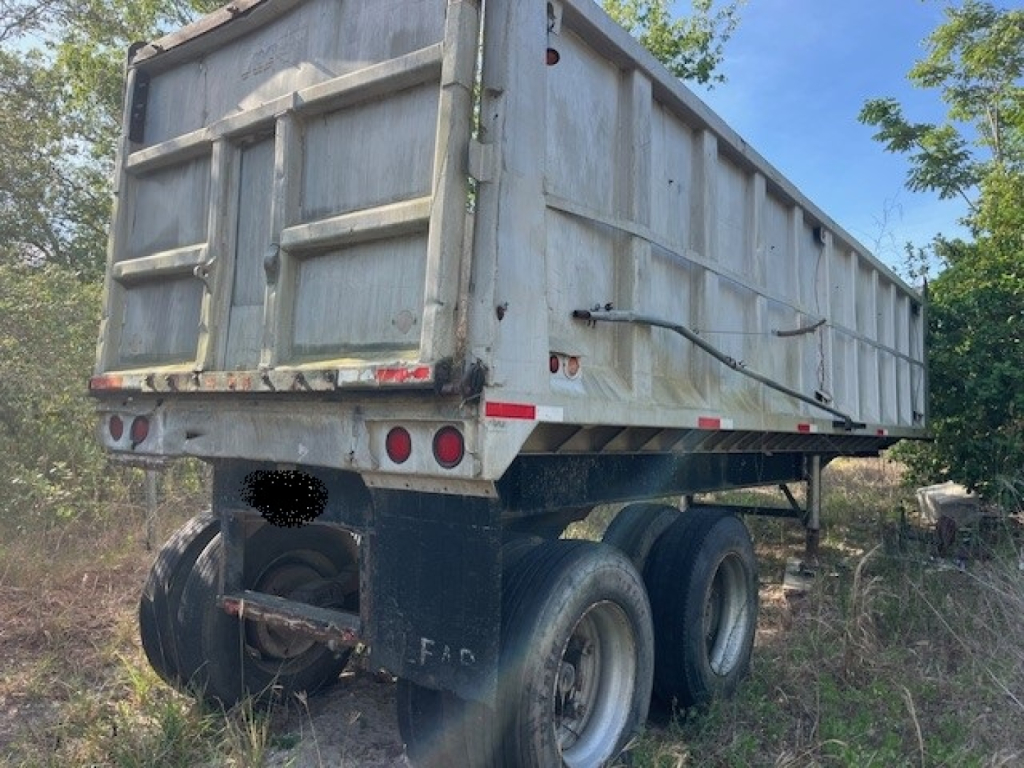
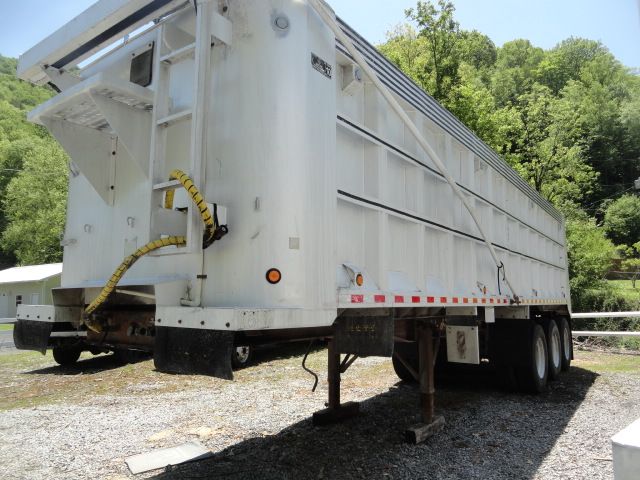
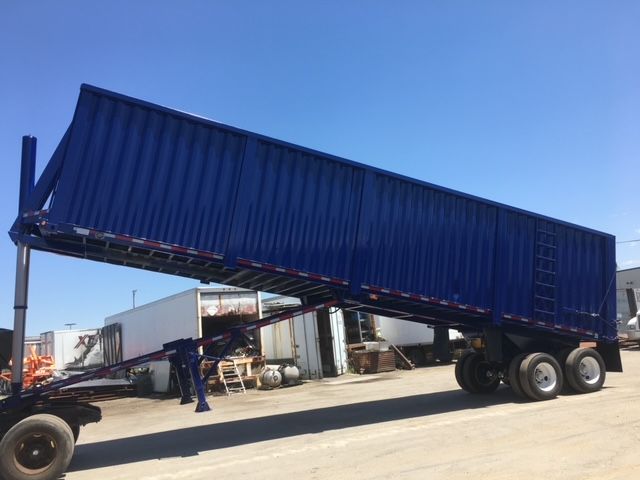
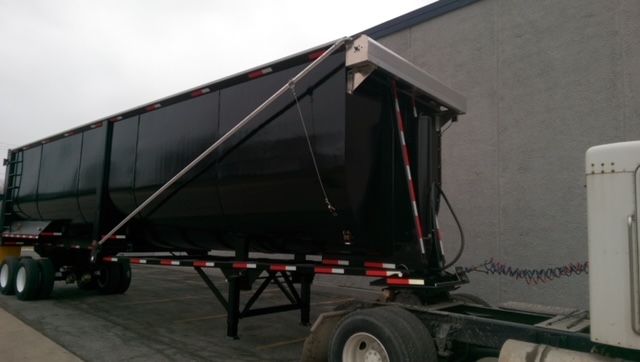
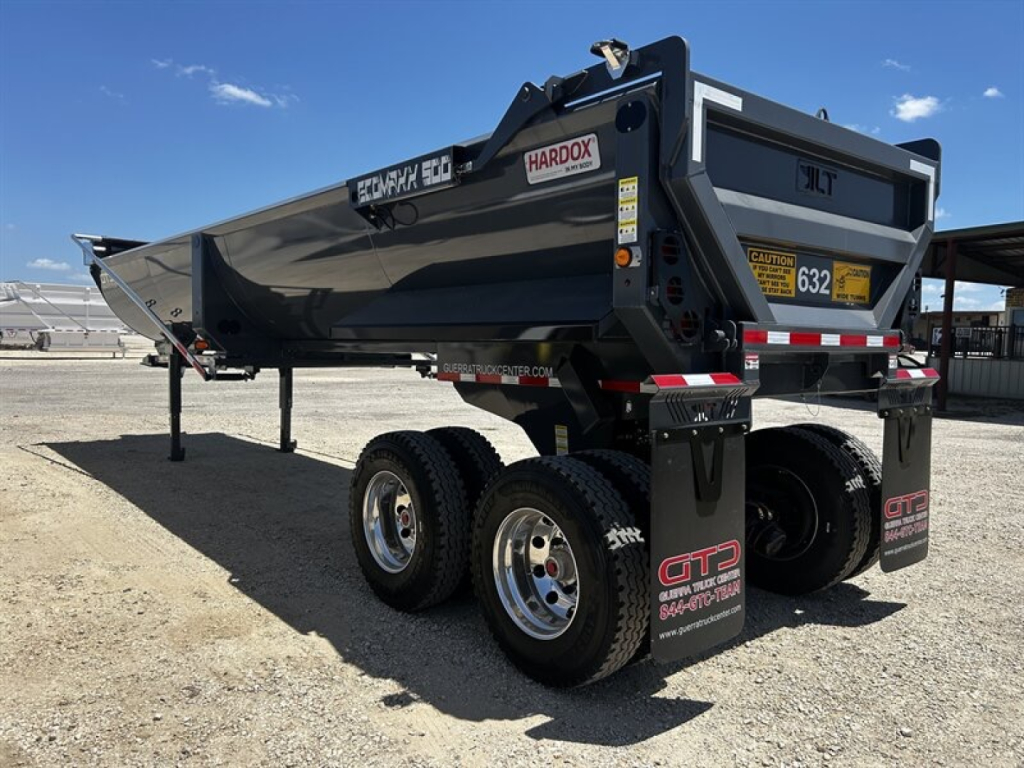
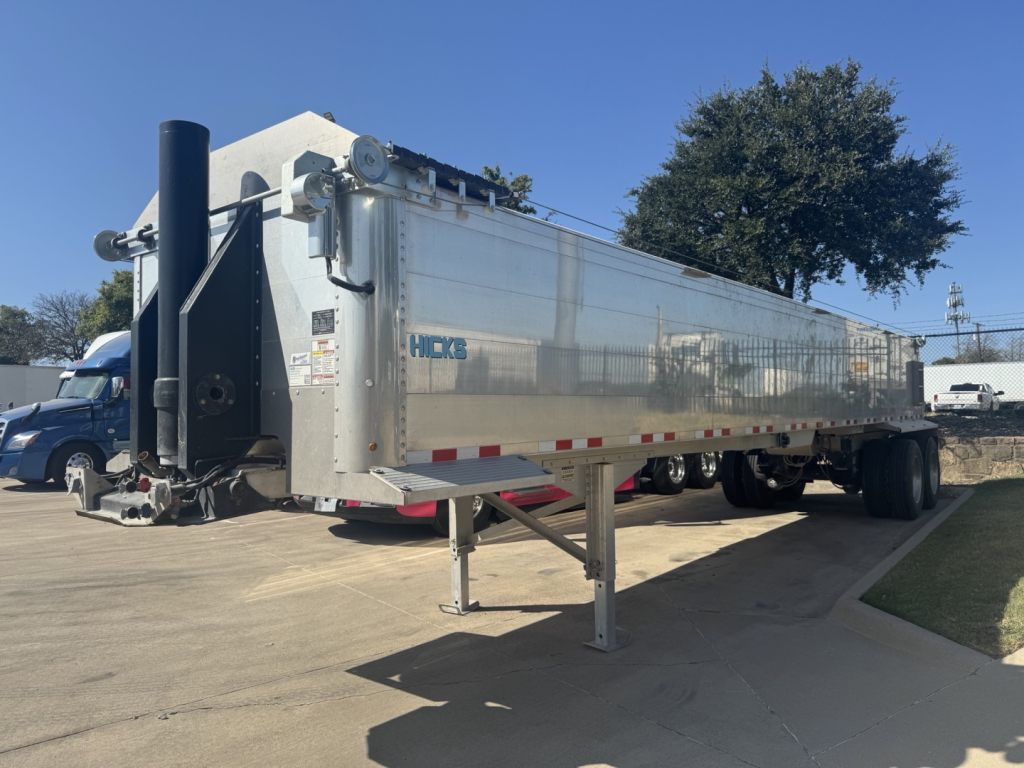
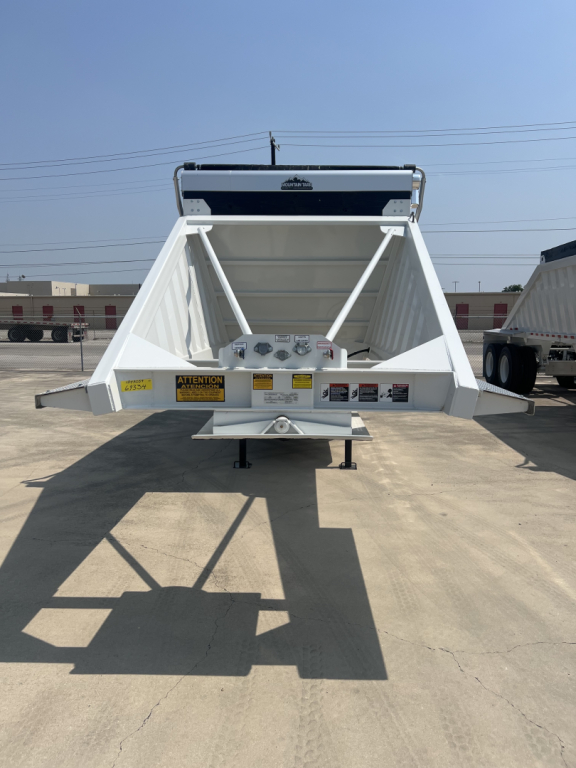
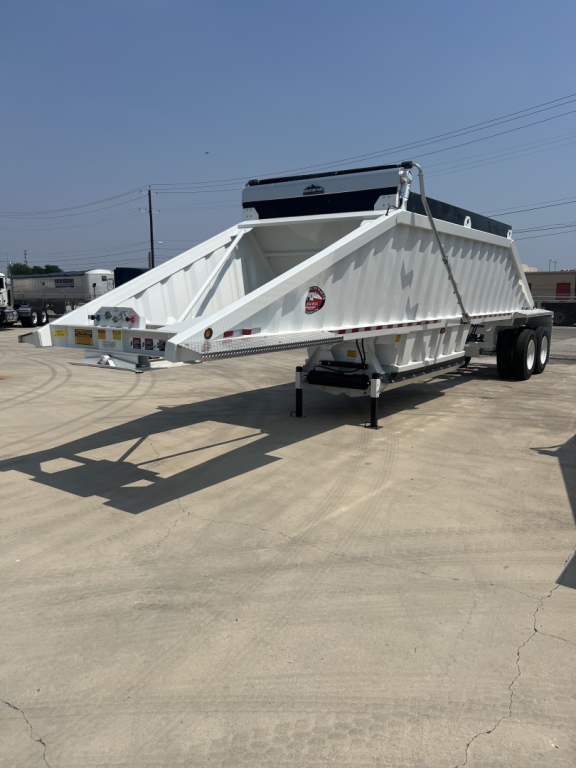
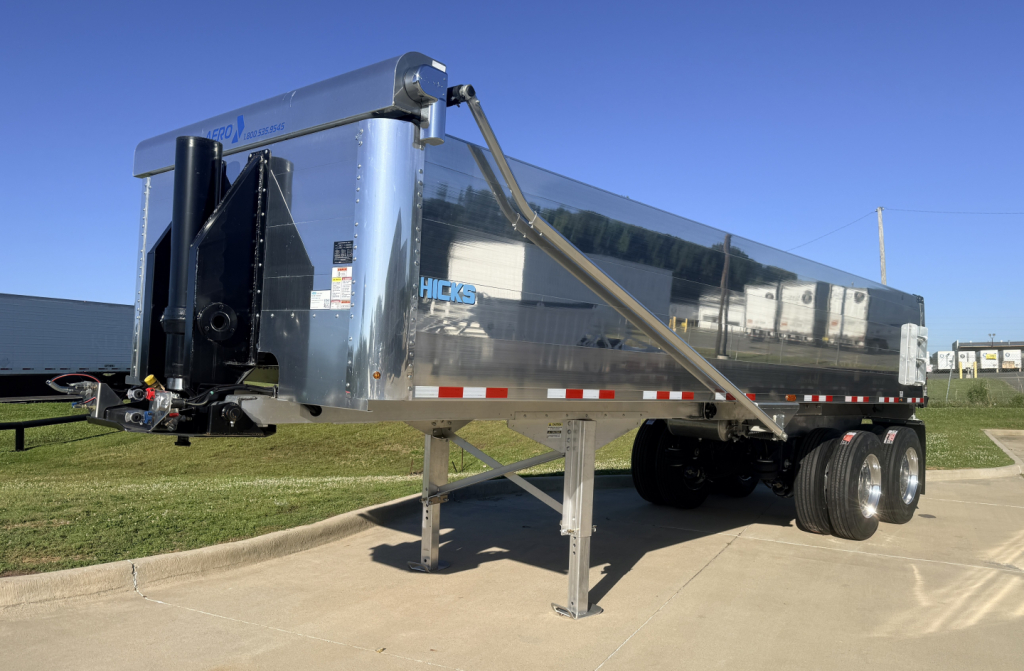
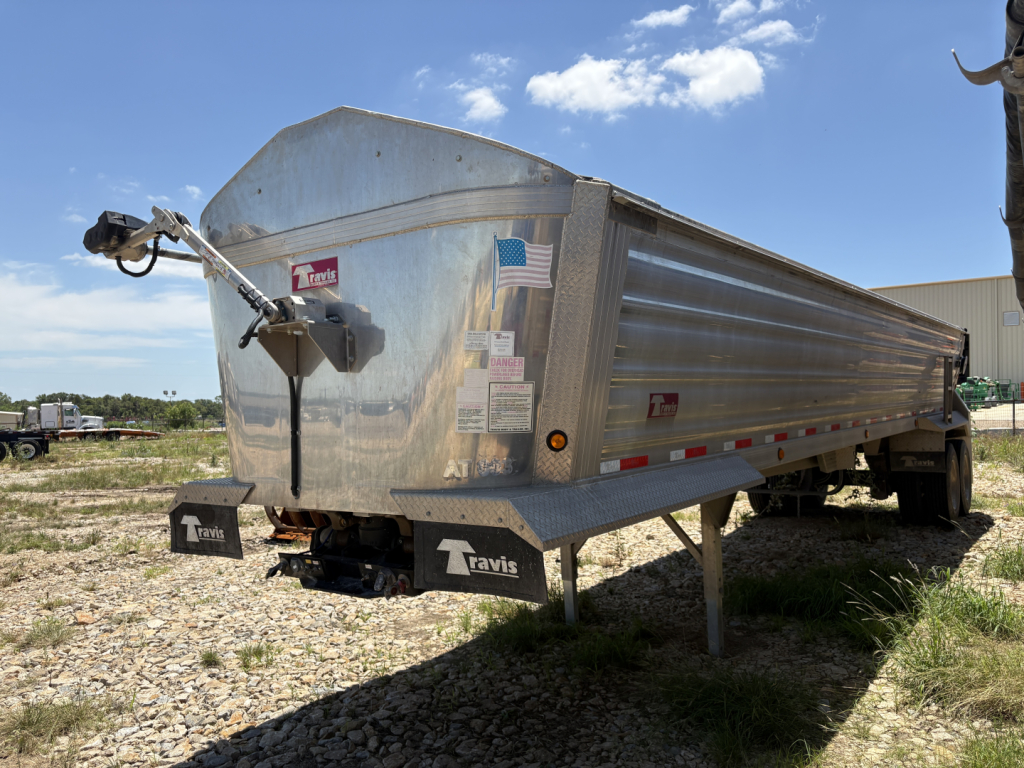
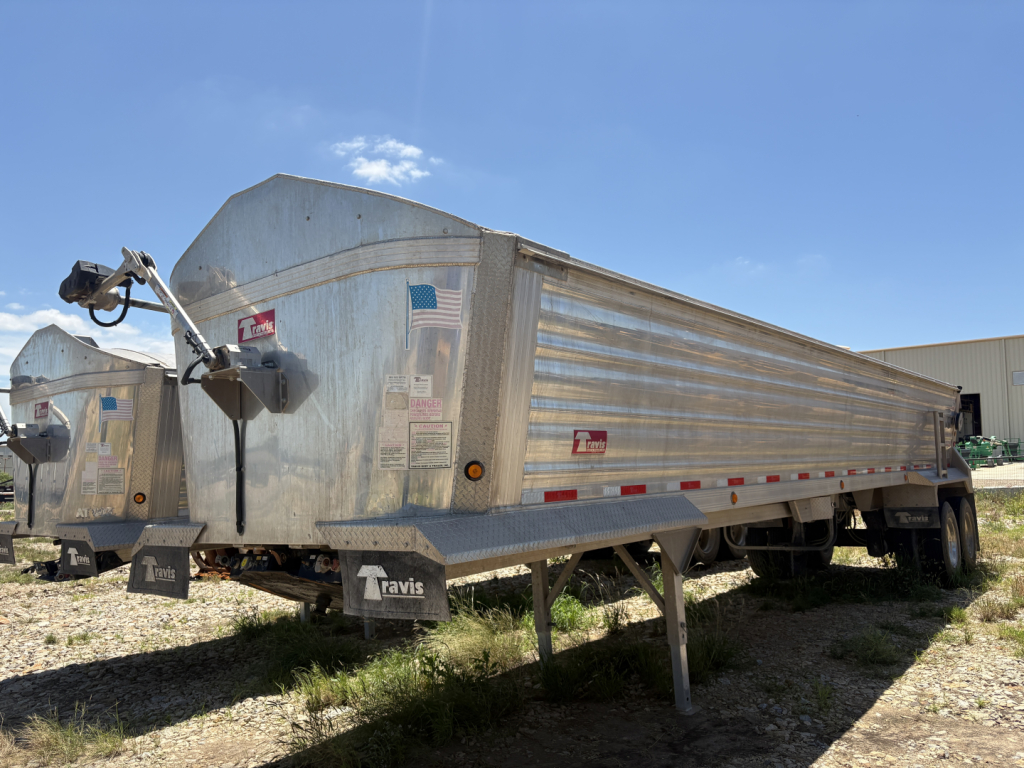
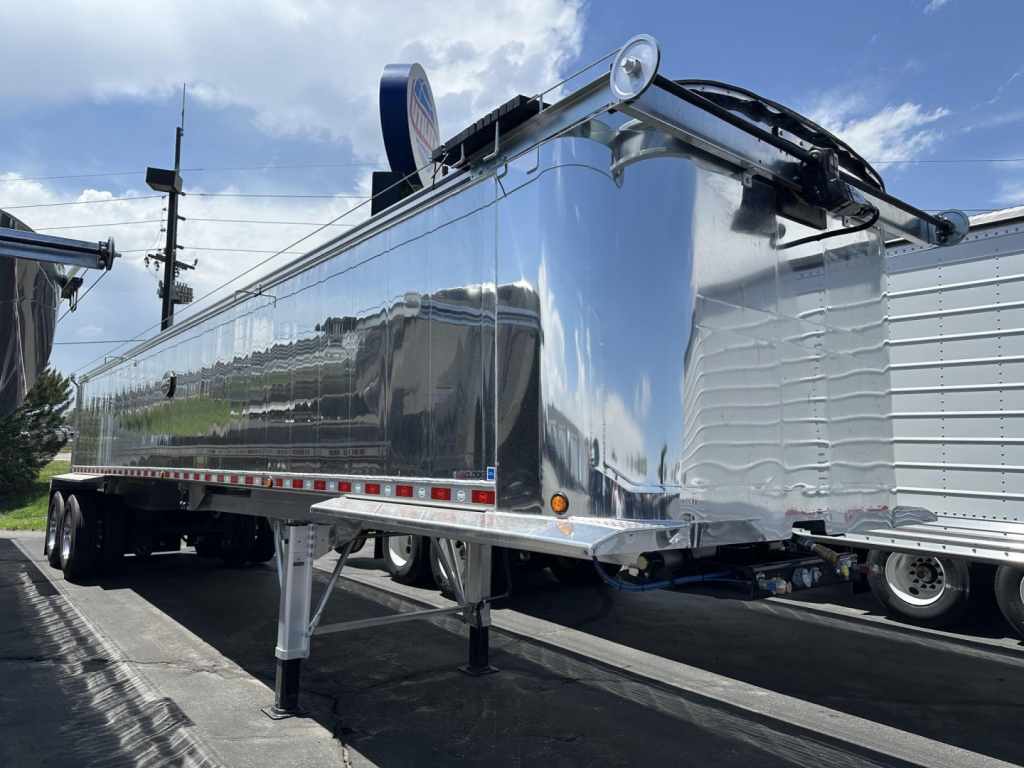
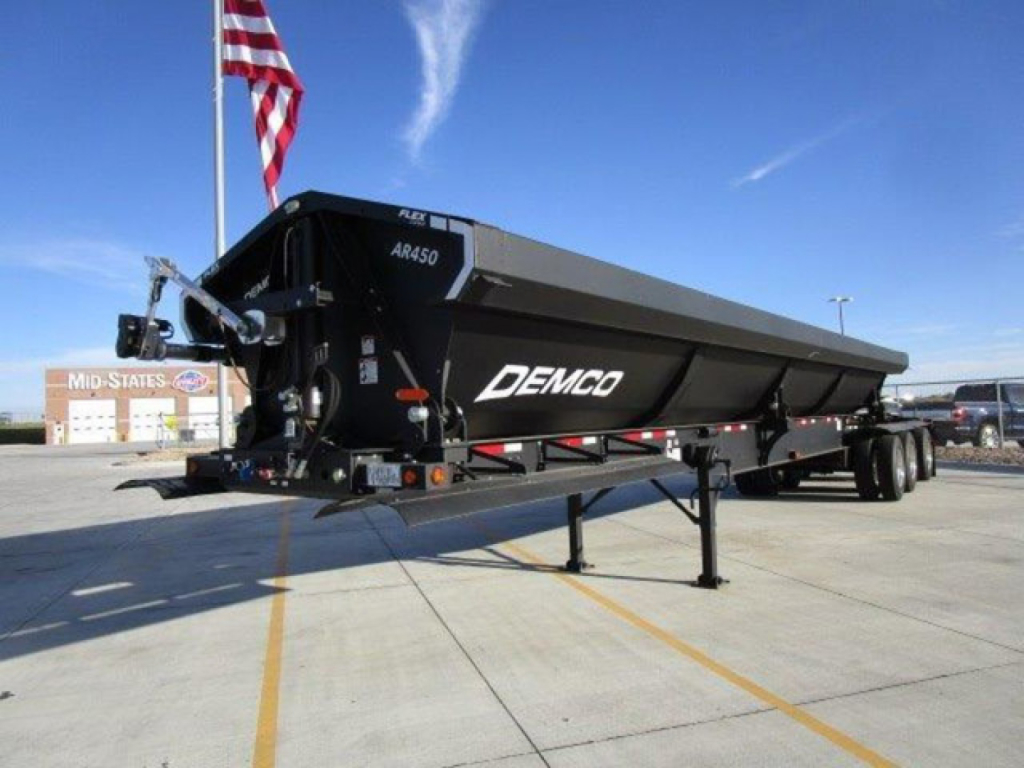
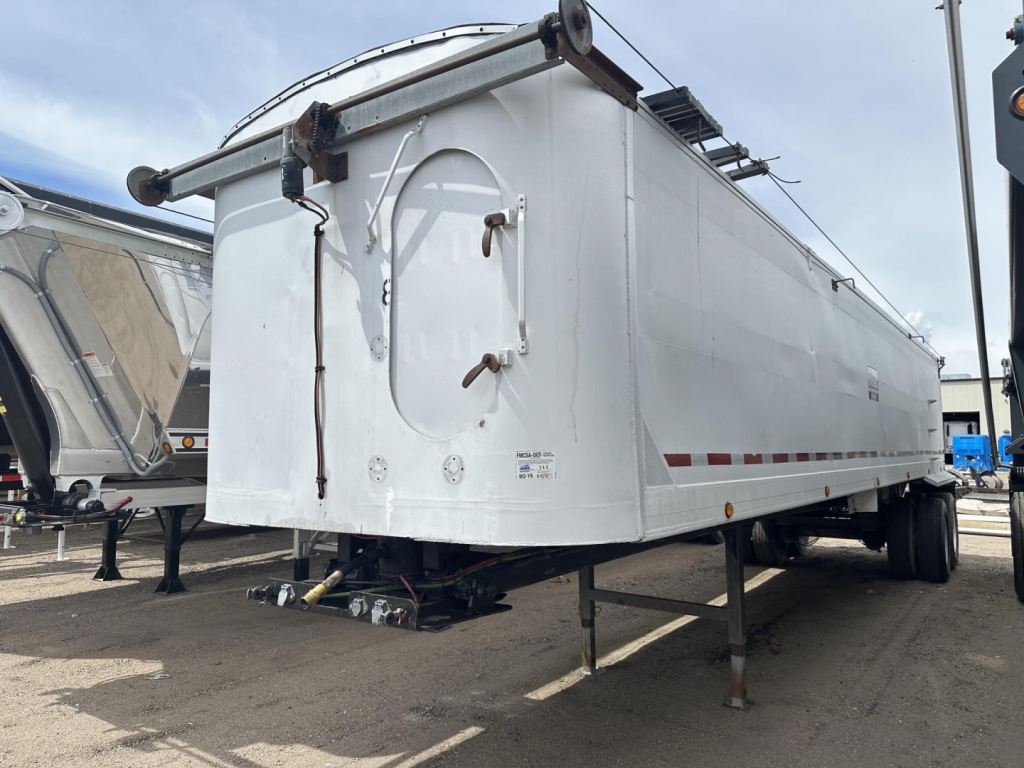
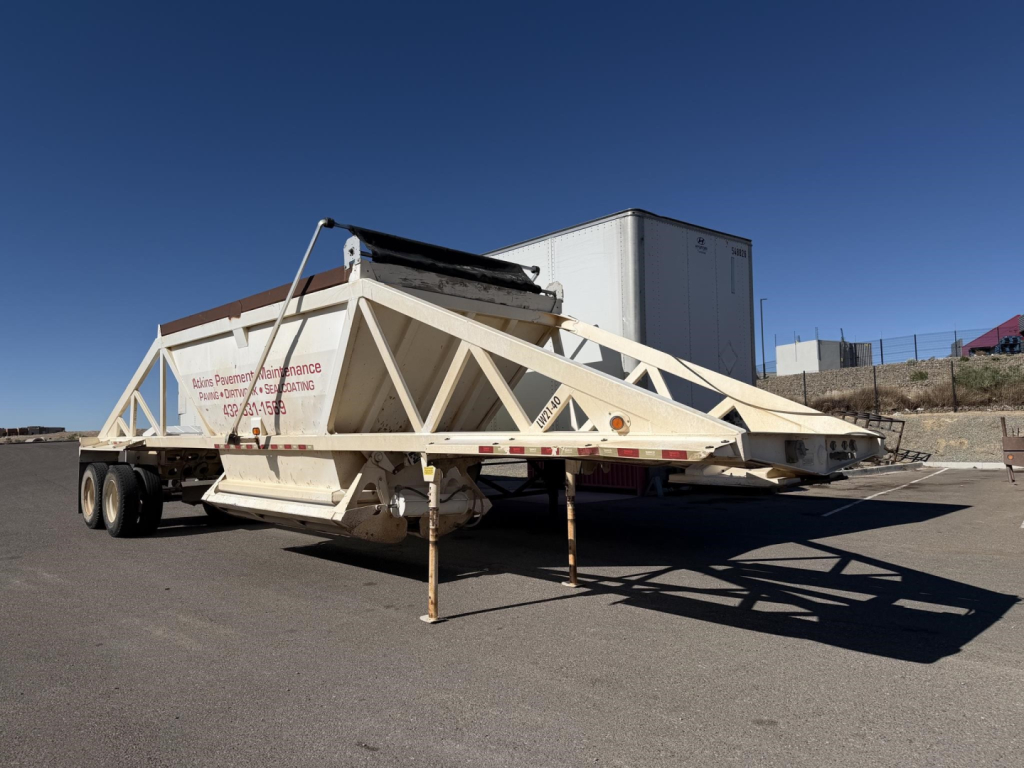
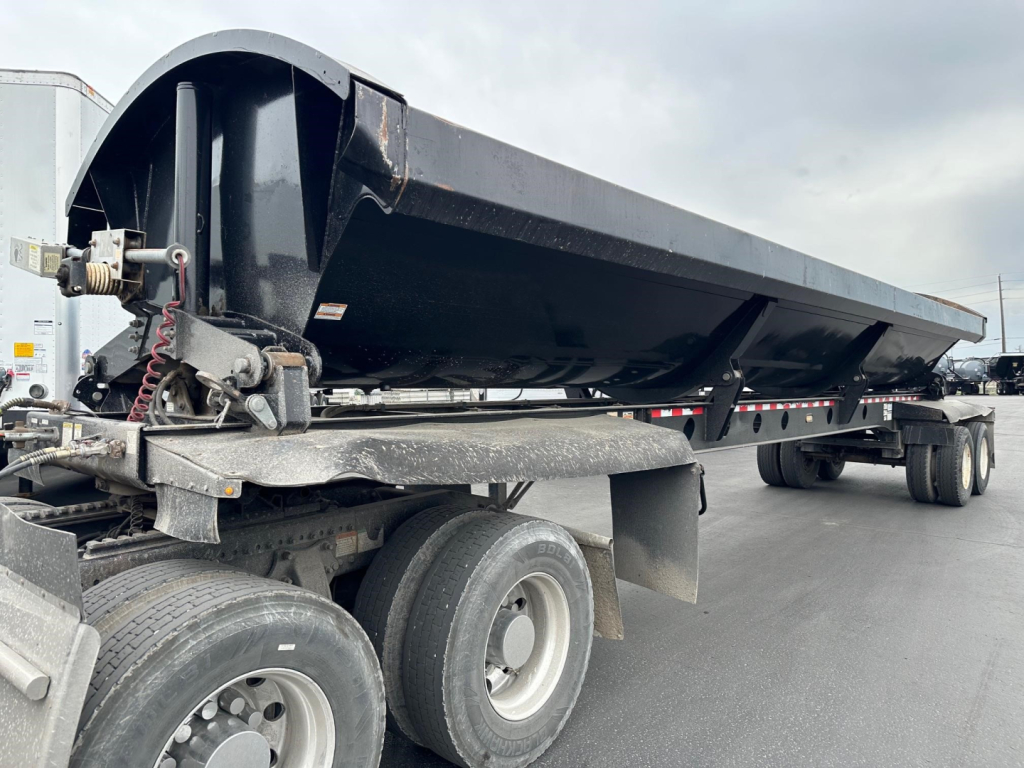
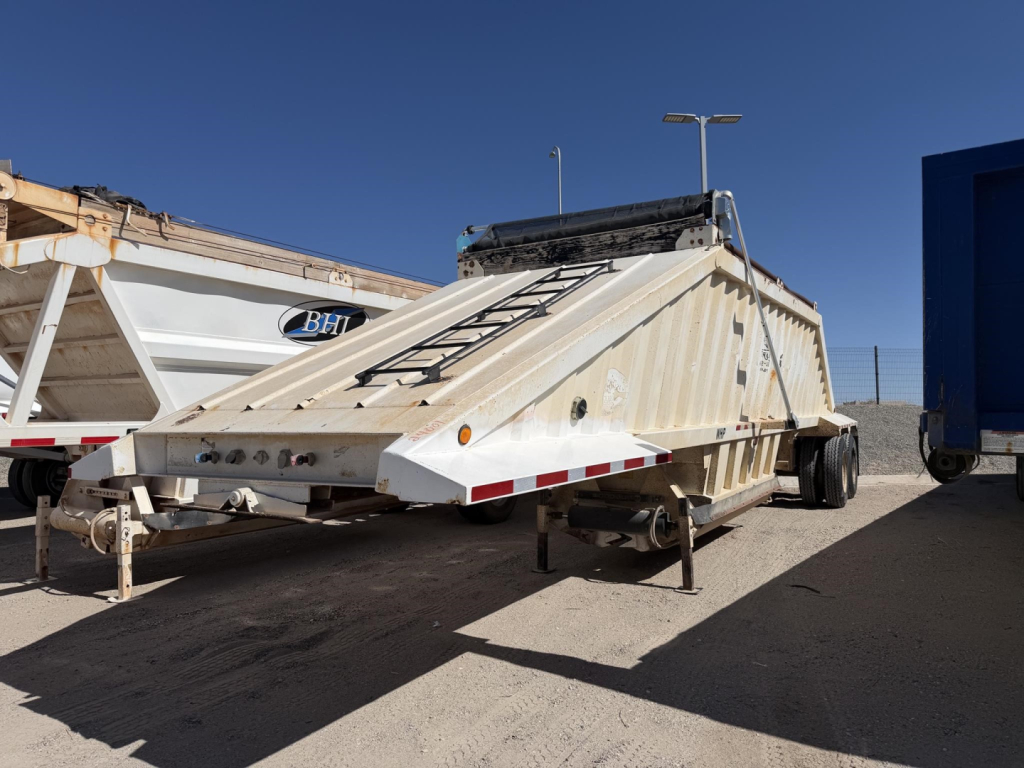
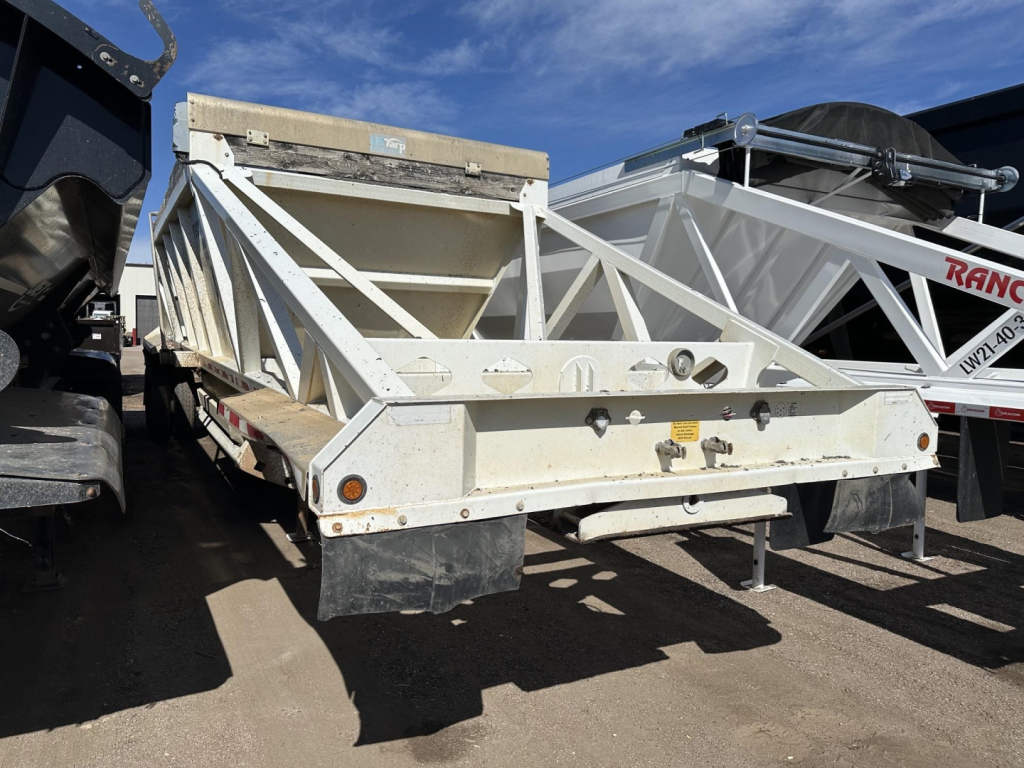
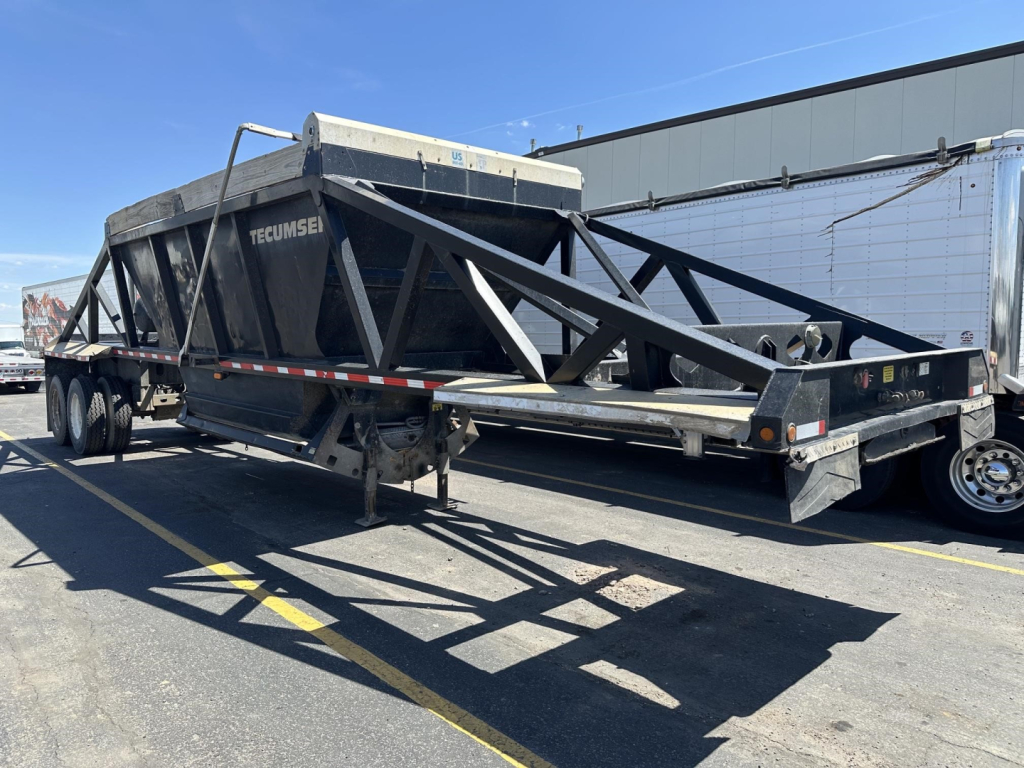
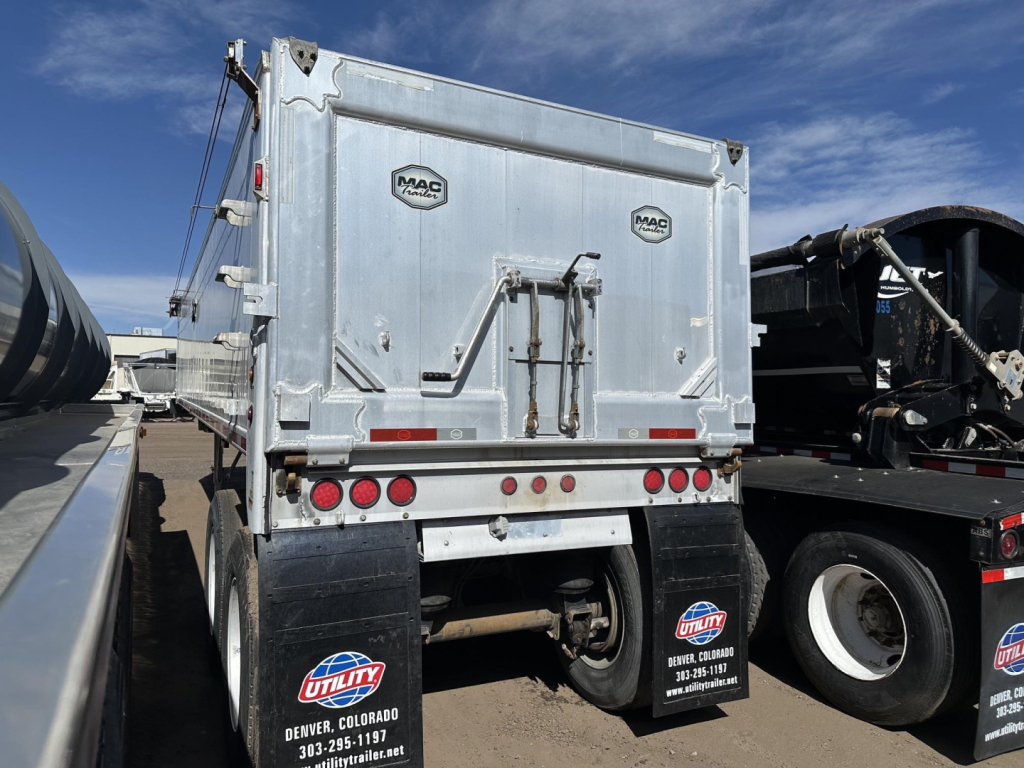
Showing 1 to 28 of 187 results
Looking for the easiest place to sell your dump trailer? List it here to reach thousands of buyers.
Dump Trailers in Wisconsin
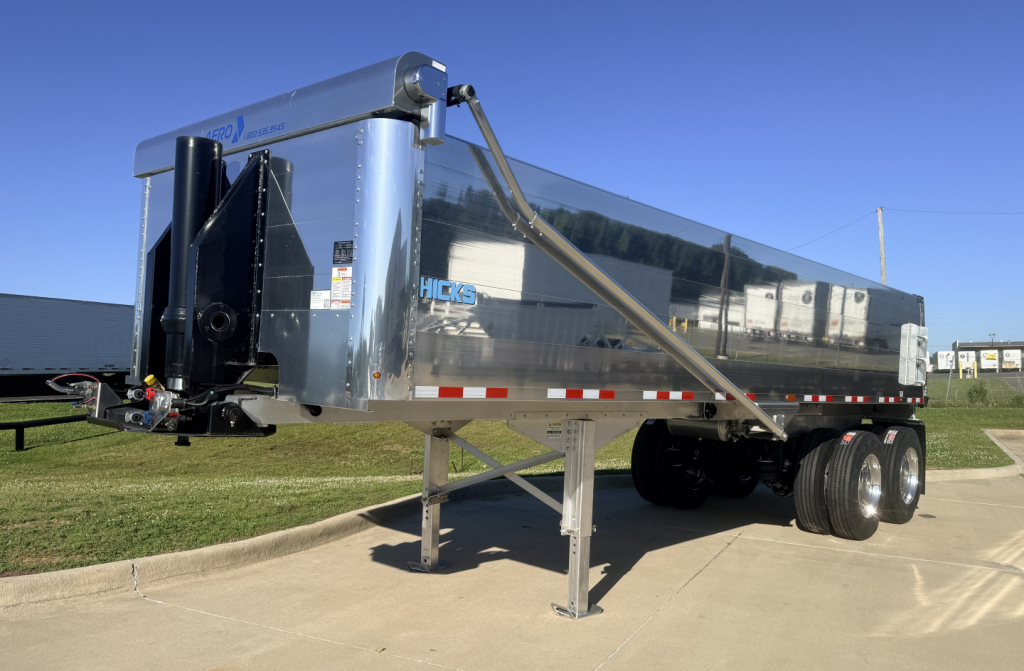
Body material is one of the biggest buying decisions. Steel dump trailers are typically chosen for abrasive loads, demolition work, and severe-duty applications where impact resistance matters more than tare weight. Aluminum dump trailers reduce empty weight and can improve payload on legal axle limits, which is attractive for aggregate, grain, and other lighter bulk commodities. Buyers should also compare side height, tub shape, floor thickness, wall thickness, and liner options. Quarter-frame and frameless designs each have their place. Frameless dump trailers can save weight and are popular in certain hauling applications, while frame-type trailers may be preferred when the operation sees rough sites, uneven approaches, or a mix of tractor setups.
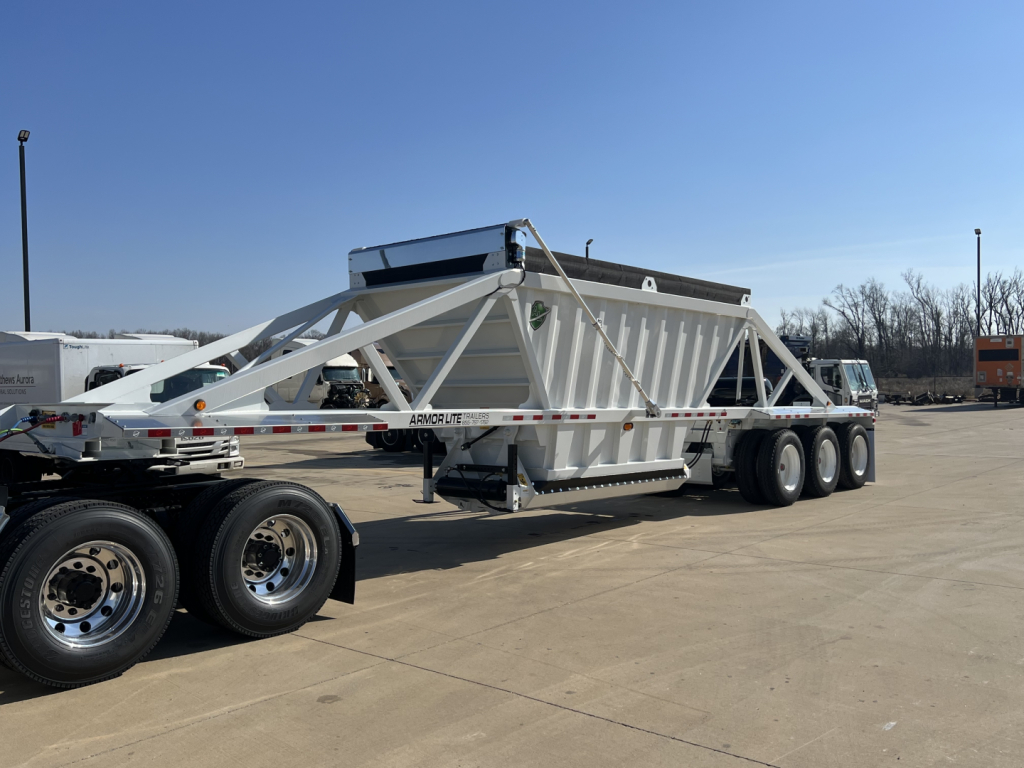
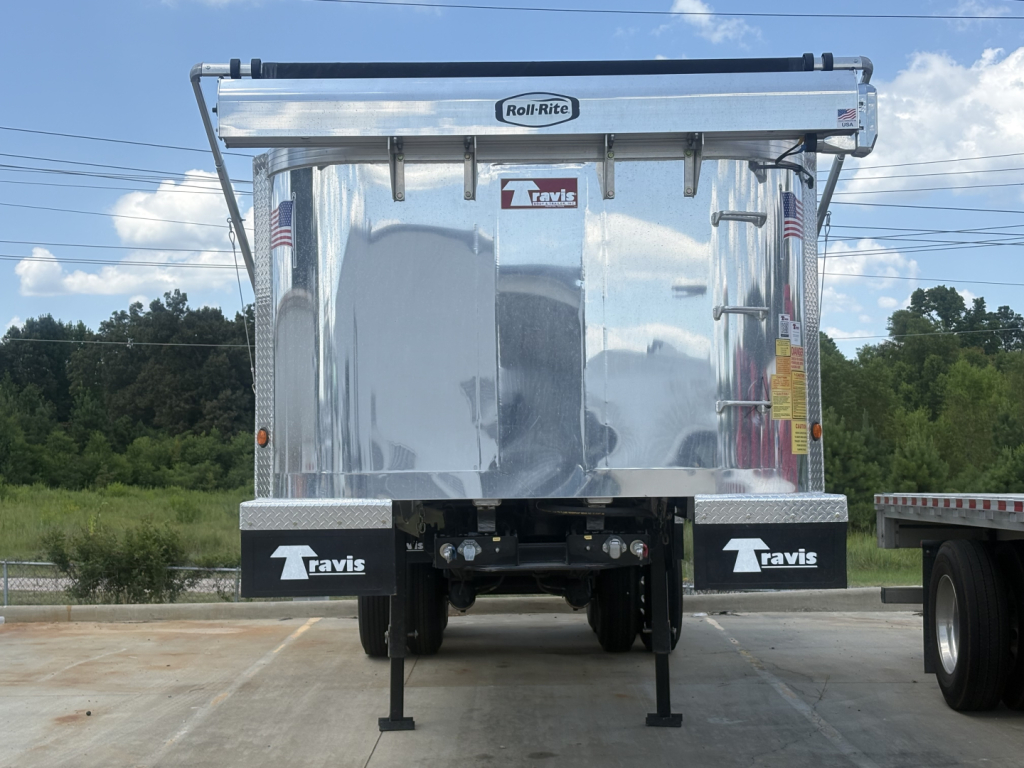
Running gear and hoist specs matter as much as the body. Common considerations include tandem or tridem axle layouts, lift axles, axle ratings, suspension type, wheelbase spread, tire size, and brake configuration. In Wisconsin, legal payload and seasonal road conditions can make suspension choice especially important, with air ride and mechanical suspensions each offering different tradeoffs in ride quality, durability, and maintenance profile. Buyers should also inspect cylinder design, tarp system type, gate configuration, and electric or pneumatic controls. Barn doors, high-lift gates, combination gates, and air-operated tailgates change how easily the trailer handles different materials. Features like asphalt liners, electric roll tarps, vibrators, scuff protection, and tire inflation systems can improve productivity and reduce cleanup or downtime.
A good dump trailer purchase is usually about stability, cycle time, and serviceability more than headline capacity alone. Check kingpin setting, loaded height, hoist geometry, frame condition, crossmember integrity, floor wear, gate seal condition, and any signs of hard use around hinge points and suspension mounts. If the trailer will haul sticky material, wet clay, hot mix, or oversized broken concrete, body shape and liner choice become critical. If it will spend most of its time on highway aggregate runs, tare weight and turnaround time may drive the decision. The best dump trailers for sale in Wisconsin are the ones spec'd for the material, the route, and the unloading conditions they will actually see every day.
Frequently Asked Questions about Dump Trailers in Wisconsin
What is the difference between a steel dump trailer and an aluminum dump trailer?
Steel dump trailers are generally preferred for abrasive, high-impact, and demolition-type loads because the body can better tolerate abuse from broken concrete, riprap, and scrap. Aluminum dump trailers typically weigh less, which helps maximize payload under legal gross weight limits, and they are commonly used for aggregate, grain, and other bulk commodities where lower tare weight matters. The tradeoff is that aluminum specs must be matched carefully to the material and duty cycle.
Which dump trailer style is best for aggregate hauling in Wisconsin?
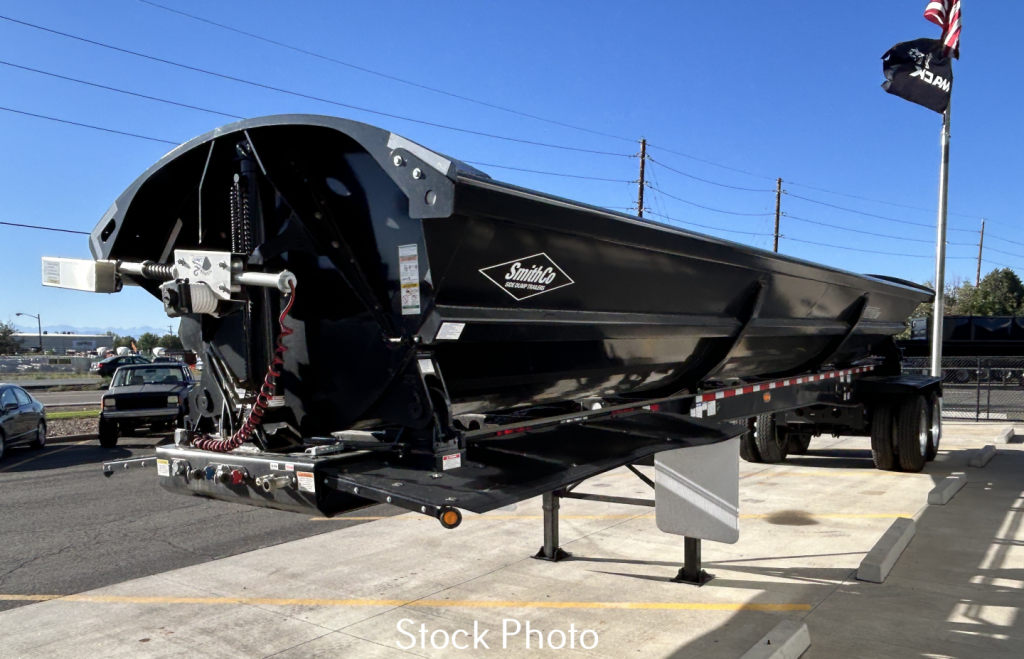
For aggregate hauling, many buyers focus on end dump trailers because they offer strong cubic capacity, quick unloading, and broad familiarity in pits, plants, and road construction work. The best choice still depends on jobsite conditions, tractor spec, and the type of aggregate being moved. If unloading stability on uneven ground is a major concern, some operations look at side dump configurations instead. Body material, axle setup, and gate style can be just as important as the dump style itself.
How do I choose the right axle and suspension setup on a dump trailer?
Start with the payload target, legal bridge requirements, and the surfaces the trailer will travel on every day. Tandem and tridem setups are both common, and some trailers use lift axles to balance legal compliance with tire wear and maneuverability. Air ride suspension can improve ride quality and help protect the trailer and tractor on rough roads, while mechanical suspension may be favored for simplicity and durability in severe service. The best setup is the one that supports legal loading, stable dumping, and manageable maintenance costs.
What features matter most if the trailer will haul sticky or hard-to-clean material?
If the trailer will haul wet clay, millings, sludge-like material, or hot mix, buyers should pay close attention to body shape, liner spec, gate seal, and tarp system. Smooth interior walls, appropriate floor liners, and a clean dumping angle can reduce carryback and speed up turnaround. Vibrators and properly spec'd hoists can also help with stubborn loads. These details affect cleanout time, weight retention from stuck material, and the risk of material hanging during discharge.
What should I inspect on a used dump trailer before buying?
Key inspection points include the floor, sidewalls, crossmembers, hinge areas, suspension mounts, axle alignment, brake components, and hoist system. Look for cracking, patches, distortion, excessive floor wear, and signs of body twist from hard off-road use or overloaded service. Check gate operation, tarp condition, wiring, air system integrity, and tire wear patterns. A dump trailer can look serviceable from a distance but still have expensive structural or hydraulic issues, so close inspection of the body and running gear is essential.