
Dump Trailers For Sale in Iowa
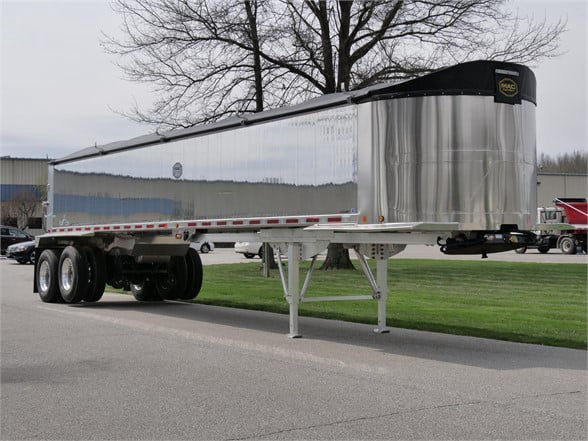
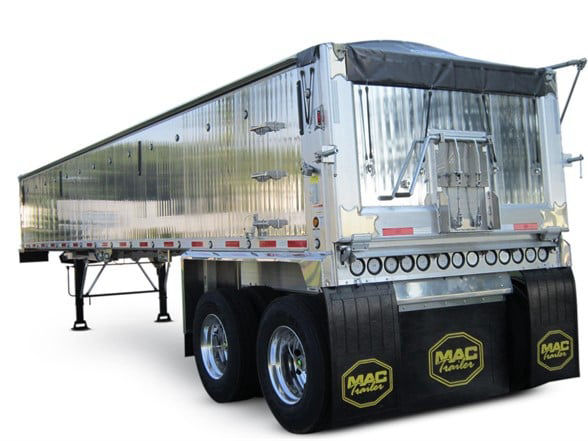
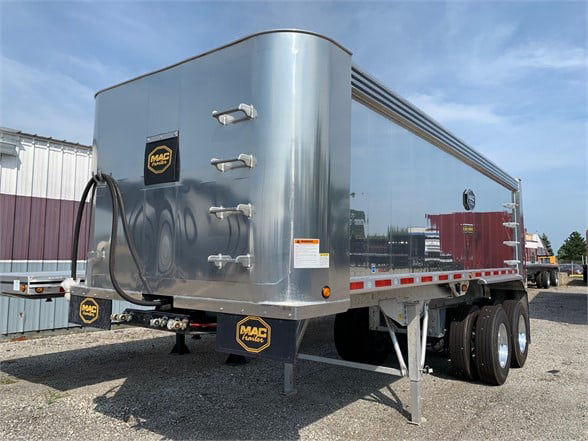
Browse dump trailers for sale in Iowa, including side dump models with steel tubs, air ride suspensions, tarp systems, and tandem or tri-axle setups.
Learn more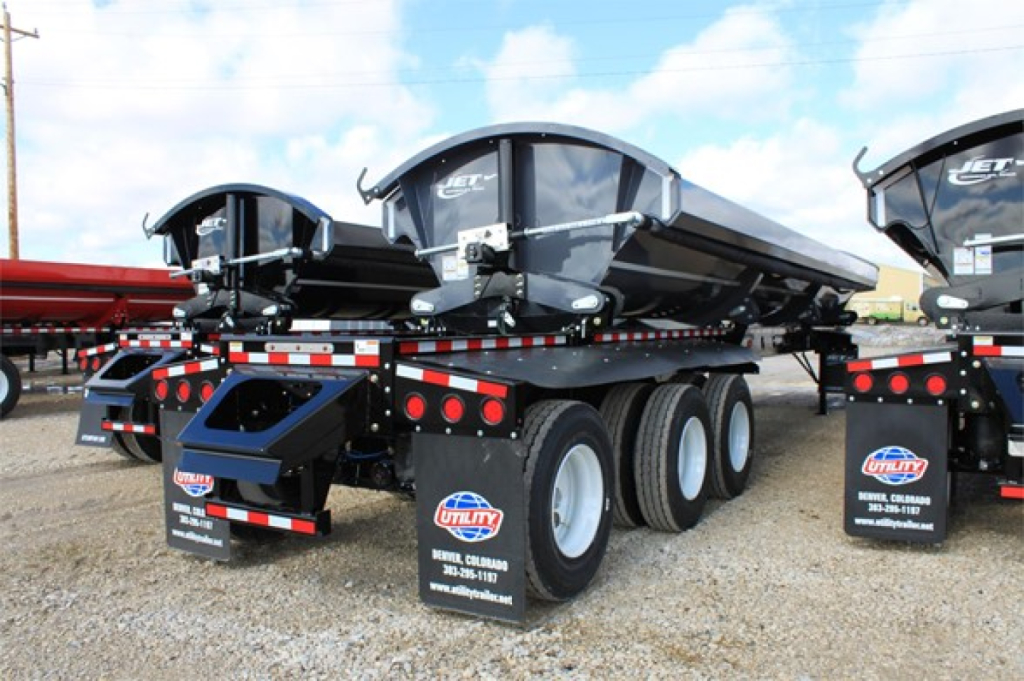
Have dump trailer to sell? List it here to reach thousands of buyers.
About Dump Trailers in Iowa
The main spec decisions usually start with tub design, trailer length, and body material. Common lengths in this category run around 40 to 45 feet, with steel construction remaining popular for hard use. AR400 steel tubs are common on rock-spec trailers because they hold up better against abrasion from gravel, demolition debris, and other high-wear material. Some high-capacity side dumps use tub extensions or flex tub designs to increase cubic yard volume for lighter commodities like silage or manure. If the trailer will regularly haul mixed loads, it is worth comparing tub shape, sidewall height, and extension design against both payload target and cleanout performance.
Suspension, axle spacing, and tire package directly affect durability and day-to-day operating cost. Air ride is widely preferred on modern dump trailers because it improves ride quality, helps protect the trailer structure, and can reduce load shock on rough roads. Tandem axle trailers are simpler and lighter, while tri-axle and super spread configurations can improve payload distribution and help in weight-sensitive applications. Buyers should also look at kingpin setting, kingpin height, landing gear, and push block design to make sure the trailer matches the intended tractor and unloading environment. On side dumps, hydraulic system layout matters too. Features like two-way valves, inverted cylinders, multiple pivot points, and tarp lockout switches all contribute to safer, smoother dumping.
A good Iowa dump trailer spec is usually built around the material first, then the route, then the scale ticket. Rock, sand, and demolition work call for a durable tub, dependable tarp system, and lighting package that holds up to daily abuse. Agricultural use may favor added cubic capacity, mesh electric roll-over tarps, and fenders that help in muddy conditions. It also pays to inspect wheel and tire sizing, rear light placement, DOT equipment, and wear areas around pivots, hinges, and cylinder mounts. For buyers comparing listings, the real differences are often in tub thickness, axle spread, suspension brand, hydraulic design, and how well the trailer's capacity matches the freight it is expected to haul every day.
Frequently Asked Questions
What is the difference between a side dump trailer and an end dump trailer?
A side dump trailer unloads by rolling the tub to the left or right side, while an end dump raises the front of the body and discharges out the rear. Side dump trailers are generally valued for better stability during unloading, especially on uneven ground or where overhead clearance is limited. End dumps can offer straightforward unloading for certain bulk materials, but side dumps are often preferred on jobsites where rollover risk is a major concern.
What materials are commonly hauled in dump trailers in Iowa?
Dump trailers in Iowa are commonly used for gravel, sand, black dirt, riprap, demolition debris, manure, compost, silage, and other bulk agricultural or construction materials. The right trailer depends on material density and abrasiveness. Heavier, sharper material usually calls for a heavier steel tub such as AR400, while lighter commodities may justify a higher-volume tub extension or a design optimized for cubic capacity rather than maximum structural toughness.
Is a tandem axle or tri-axle dump trailer better?
A tandem axle dump trailer is typically lighter, simpler, and easier to maintain, which can make it attractive for operators focused on lower empty weight and reduced complexity. A tri-axle trailer can improve payload distribution and may work better where bridge law compliance or specific legal weight strategies matter. The better choice depends on haul distance, road restrictions, commodity weight, and whether the trailer will spend more time on highways, county roads, or off-road jobsites.
Why does tub material matter on a dump trailer?
Tub material directly affects service life, empty weight, and how the trailer handles abrasive cargo. Steel tubs remain common because they are durable and well suited for rock, aggregate, and demolition applications. AR400 steel is especially popular in severe-duty use because it resists abrasion better than standard steel. Buyers should compare not just the material type, but also tub thickness, corner reinforcement, hinge design, and the overall structure in high-stress areas.
What features should buyers look for on a side dump trailer?
Important side dump trailer features include tub length and capacity, axle configuration, suspension type, hydraulic valve setup, cylinder mounting design, pivot point construction, tarp system, kingpin setting, and tire size. Electric roll-over tarps, air ride suspension, bolt-on push blocks, fenders, LED lighting, and tarp lockout switches are all common features that improve usability and safety. The best specification is the one that matches the trailer to the material, tractor, route, and daily unloading conditions.