
Used Drop Deck Trailers For Sale
Browse used drop deck trailers with common specs, deck lengths, axle setups, suspension options, and freight-hauling considerations.
Learn moreBrowse Drop Deck Trailers by Make
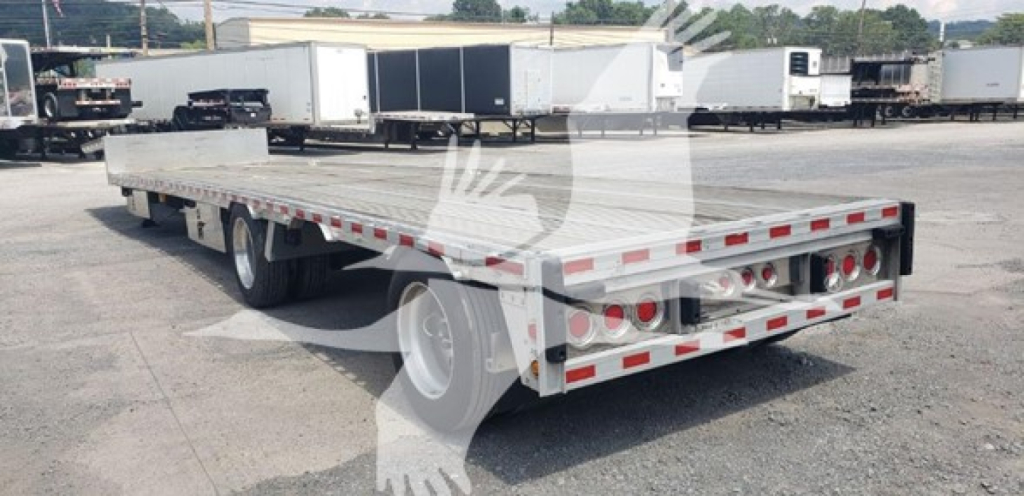
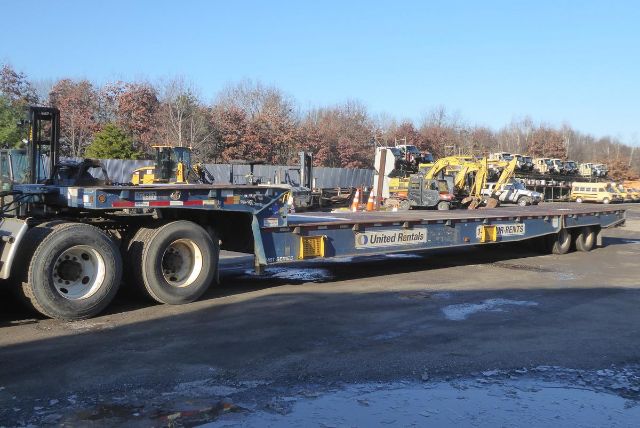
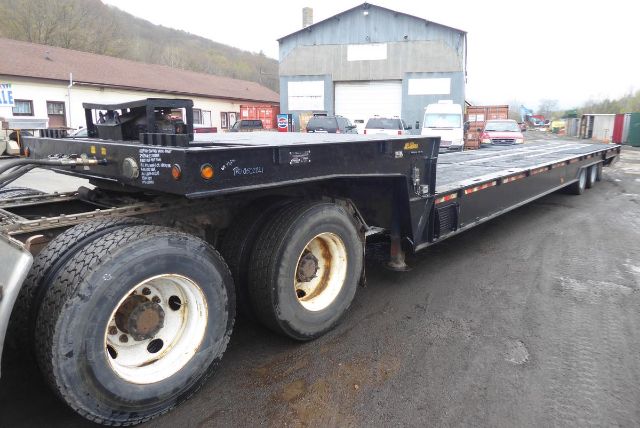
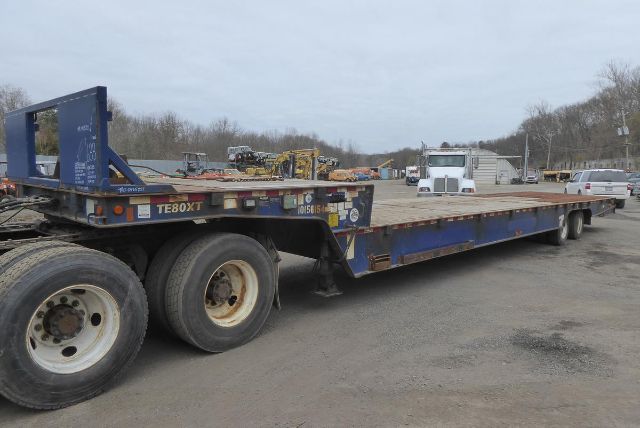
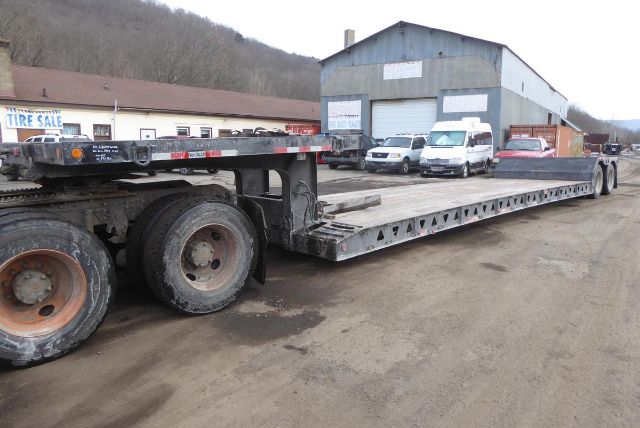
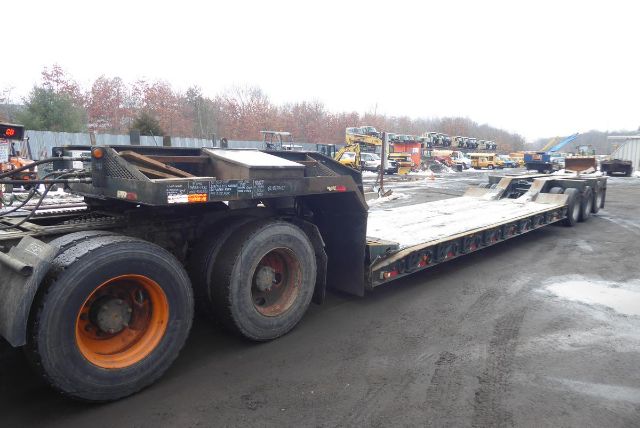
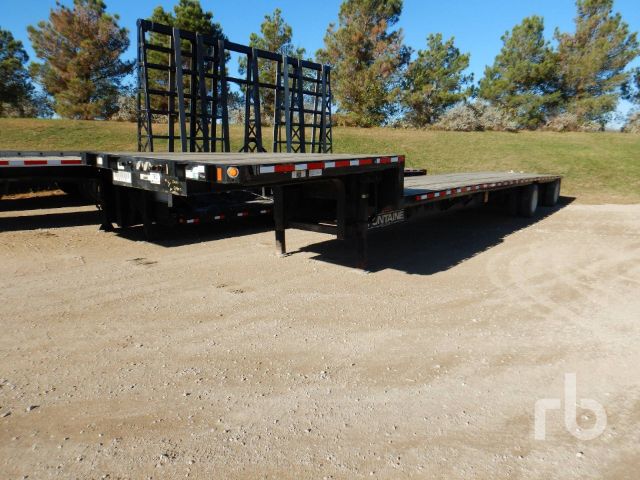
Showing 109 to 115 of 115 results
Have used drop deck trailer to sell? List it here to reach thousands of buyers.
About Used Drop Deck Trailers
One of the biggest buying decisions is aluminum versus steel construction. Aluminum drop decks usually offer lower tare weight and more payload capacity, which matters for general freight, building materials, and higher-mileage operations. Steel drop deck trailers tend to be heavier but are often preferred for tougher applications and repeated concentrated loading. Floor type also matters. Wood or Apitong floors are common for machinery, forklifts, and mixed freight, while aluminum floors help keep weight down. Buyers should also pay close attention to crossmember spacing, coil package configuration, side rail design, pipe spools, stake pockets, and the number and placement of sliding winches and chain tie-downs.
Axle layout changes how a drop deck performs on the road and at the scale. Tandem air ride units are common for general freight and broad resale appeal. Spread axle configurations can help with weight distribution but may be less maneuverable in tighter yards. Tri-axle drop deck trailers are used when higher gross weight ratings or specific load distributions are needed, and a lift axle can add flexibility when running empty or lightly loaded. Suspension brand, dump valves, tire size, wheel material, kingpin setting, and brake type all deserve a close look because they affect maintenance costs, bridge law compliance, and compatibility with your tractors and freight lanes.
A good used drop deck trailer should be evaluated around structure first, not paint. Check the frame rails, neck area, crossmembers, floor condition, suspension components, axle alignment, brake wear, tire condition, and signs of concentrated load damage on the main deck. Verify deck height, loaded capacity, and tiedown equipment against the freight you actually haul. Features like bulkheads, tire inflation systems, disc brakes, toolboxes, nail strips, and dual-sided winch tracks can make a real difference in daily use. For buyers hauling construction materials, steel products, crated machinery, forklifts, palletized loads, or equipment that needs lower deck height without moving into specialized heavy haul territory, a used drop deck trailer remains one of the most versatile trailer types in commercial trucking.
Frequently Asked Questions
What is the difference between a drop deck trailer and a flatbed trailer?
A drop deck trailer has two deck heights, with the main deck sitting lower than the front deck, while a flatbed trailer has one continuous deck height. That lower main deck allows taller freight to stay within legal height limits that might be too restrictive on a standard flatbed. Drop deck trailers are commonly used for equipment, machinery, construction materials, and freight that benefits from extra vertical clearance without requiring a lowboy.
What are the most common specs on a used drop deck trailer?
Common used drop deck trailer specs include a 48-foot overall length, 102-inch width, a top deck around 10 to 11 feet, and a main deck around 37 to 38 feet. Tandem and tri-axle configurations are both common, with air ride suspension frequently preferred for freight protection and ride quality. Buyers will also regularly see wood or Apitong floors, steel or aluminum construction, sliding winches, winch tracks, chain tie-downs, pipe spools, and coil packages.
Is an aluminum or steel drop deck trailer better?
The better choice depends on the freight and operating model. Aluminum drop deck trailers generally weigh less, which increases payload and can improve efficiency for general commodity hauling. Steel drop deck trailers are heavier but often stand up well in severe-duty applications and repeated concentrated loading. A buyer should compare tare weight, repairability, corrosion exposure, cargo type, and expected resale value before deciding between the two.
What should I inspect first on a used drop deck trailer?
Start with the structural areas that are expensive to repair and critical to safe operation. Focus on the frame, neck, upper and lower deck transitions, crossmembers, flooring, suspension mounts, axles, brakes, and tire wear patterns. Uneven tire wear can point to alignment or suspension issues, and deck damage can indicate past overloading or improper loading practices. After the structure checks out, review tiedown equipment, landing gear, lighting, and any added features like lift axles or tire inflation systems.
When does a tri-axle drop deck trailer make sense?
A tri-axle drop deck trailer makes sense when your loads require higher gross weight capability, better load distribution, or compliance with freight and bridge requirements that exceed what a tandem can comfortably handle. Tri-axle setups are common in heavier construction, steel, and machinery applications. They can add tare weight and maintenance cost, so they are most useful when the freight profile consistently justifies the added capacity and axle flexibility.