
2021 Drop Deck Trailers For Sale
Browse 2021 drop deck trailers with specs that matter, including deck height, axle setup, floor type, securement options, and payload needs.
Learn more
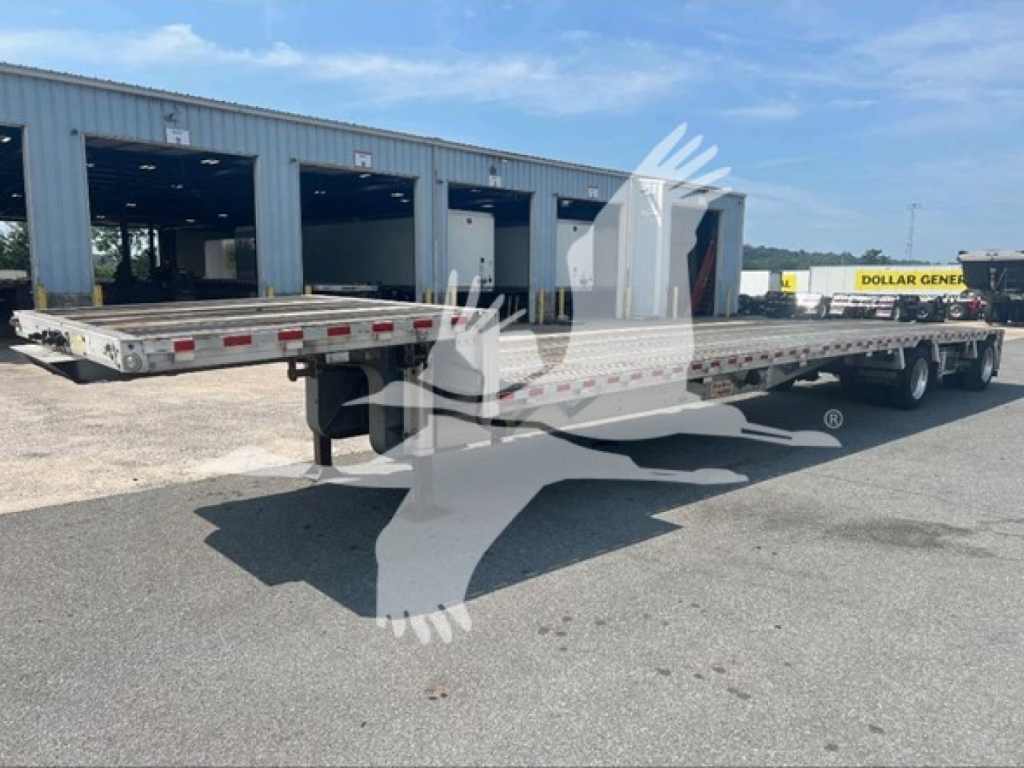
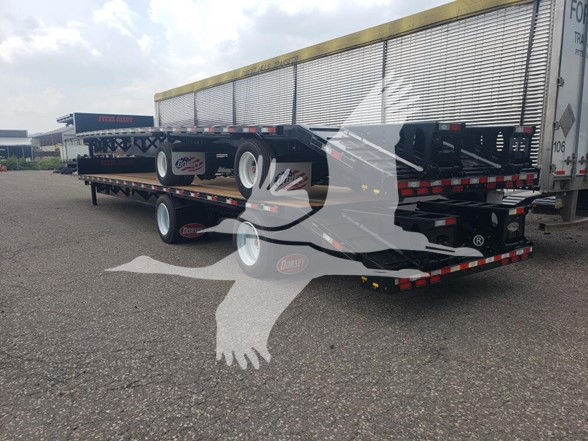
Have 2021 drop deck trailer to sell? List it here to reach thousands of buyers.
About 2021 Drop Deck Trailers
Construction and weight matter more than model year alone. In 2021 drop decks, you will commonly see aluminum, steel, or combo designs. Aluminum trailers usually offer lower tare weight and better payload potential. Steel trailers can be attractive for severe-duty service and repair simplicity. Combo trailers split the difference, often using steel main beams with aluminum components to balance durability and empty weight. Floor type is another practical decision. Aluminum flooring is common for weight savings, while Apitong wood or wood nailer strips can be useful if your operation frequently secures mixed freight with chains, straps, blocking, or rolling equipment. Crossmember spacing, main beam rating, and concentrated load capacity are worth checking if you haul forklifts, coils, or dense machinery.
Axle configuration and securement layout often separate a good spec from a costly mismatch. Tandem axle air ride remains the standard on most drop deck trailers from this era, with common setups including fixed spread, sliding tandem, or California-legal rear axle slide arrangements. Kingpin setting, loaded fifth wheel height, and suspension type all affect bridge compliance, turning clearance, and how the trailer sits behind your tractor. Buyers should also look closely at securement hardware: integrated winch tracks, sliding winches, stake pockets on 24-inch centers, chain tie-downs, pipe spools, bulkhead pockets, and coil package reinforcement all add real utility depending on the freight mix. Tire inflation systems, disc brakes, dump valves, and anti-roll stability components can also be valuable on a 2021 trailer if uptime and brake performance are priorities.
Condition should be evaluated through wear points that matter on a working platform trailer. Pay attention to deck condition, rub rail and side rail damage, landing gear operation, suspension bushing wear, brake type and remaining life, tire size consistency, and signs of frame or neck stress around concentrated load areas. On a 2021 unit, service history and prior application can tell you as much as the build sheet. A trailer that spent its life on general freight may present differently than one used for steel, equipment, or high-cycle loading. The best 2021 drop deck trailer for sale is the one whose deck height, axle spec, weight, and securement package fit your lanes and freight profile without forcing constant compromise.
Frequently Asked Questions
What is the difference between a drop deck trailer and a flatbed trailer?
A drop deck trailer has two deck levels, with an upper deck over the tractor frame and a lower main deck behind it. That lower deck provides more cargo height than a standard flatbed, which is important for loads that would exceed legal height on a flatbed. A flatbed is often simpler for loading from any side, but a drop deck is usually the better choice for taller freight that still needs open-deck access.
What deck lengths are common on a 2021 drop deck trailer?
The most common lengths are 48 feet and 53 feet. Many 53-foot step decks are configured with a 10-foot upper deck and a 43-foot lower deck, while many 48-foot models have about a 10-foot upper deck and a 38-foot lower deck. Actual dimensions vary by manufacturer and axle setup, so lower deck length and deck height should always be confirmed against the freight you plan to haul.
Are aluminum or steel drop deck trailers better?
Neither is universally better because the right choice depends on duty cycle and payload priorities. Aluminum trailers generally weigh less, which can increase legal payload and improve corrosion resistance. Steel trailers are often preferred for harsher applications, repeated equipment loading, or fleets that prioritize repair familiarity and structural ruggedness. Combo trailers are common because they balance weight savings with durability in high-stress areas.
What features should I look for on a used 2021 drop deck trailer?
Start with lower deck height, axle configuration, kingpin setting, and trailer weight because those directly affect legal loading and compatibility with your tractor. Then inspect the floor, crossmembers, main beams, rub rail, stake pockets, winch tracks, and chain tie-downs to make sure the securement package matches your freight. Brake condition, suspension wear, tire condition, landing gear function, and any signs of neck or frame fatigue are also critical on a used platform trailer.
When does a drop deck need a coil package or specialty securement features?
A coil package is important when the trailer will regularly haul concentrated steel coil loads because it adds reinforcement and helps the trailer handle dense weight over a short footprint. Specialty securement features such as extra chain ties, recessed tie-downs, dual winch tracks, pipe spools, and bulkhead pockets are valuable when freight changes from load to load. Buyers hauling mixed open-deck freight usually benefit from a more versatile securement layout, while dedicated operations can spec more narrowly around one commodity.