
Custom Repurposed Frameless Trailers For Sale
Shop custom repurposed frameless trailers, including end dump configurations, with specs on length, GVWR, body material, suspension, and gate setup.
No exact matches found for your search
Showing Trailers instead.
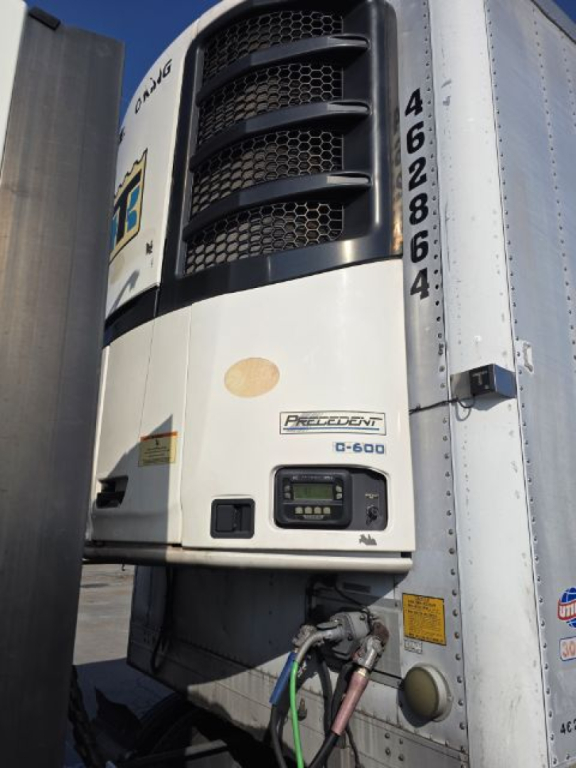
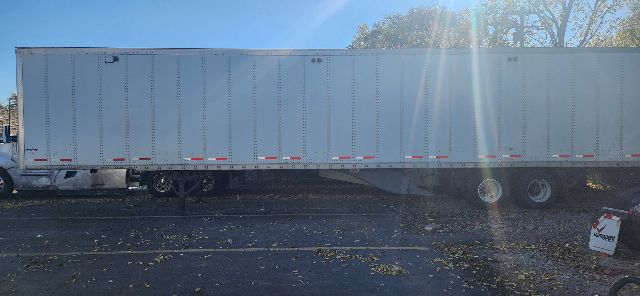
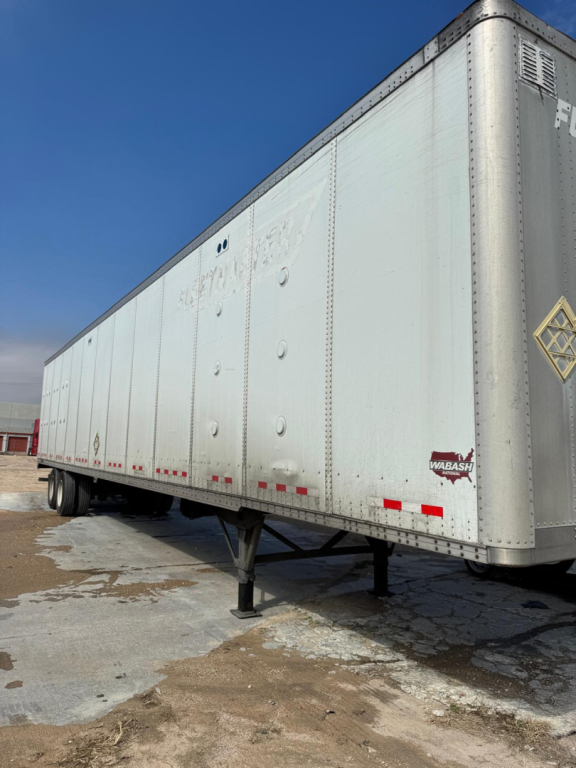
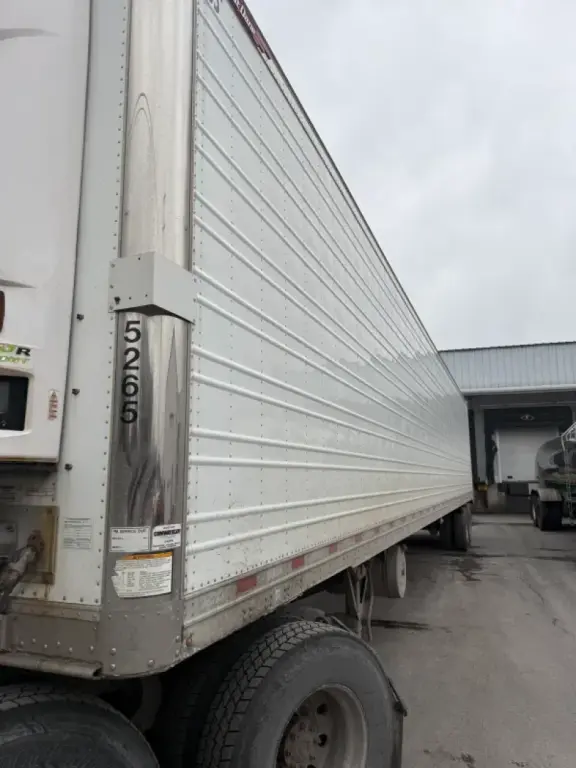
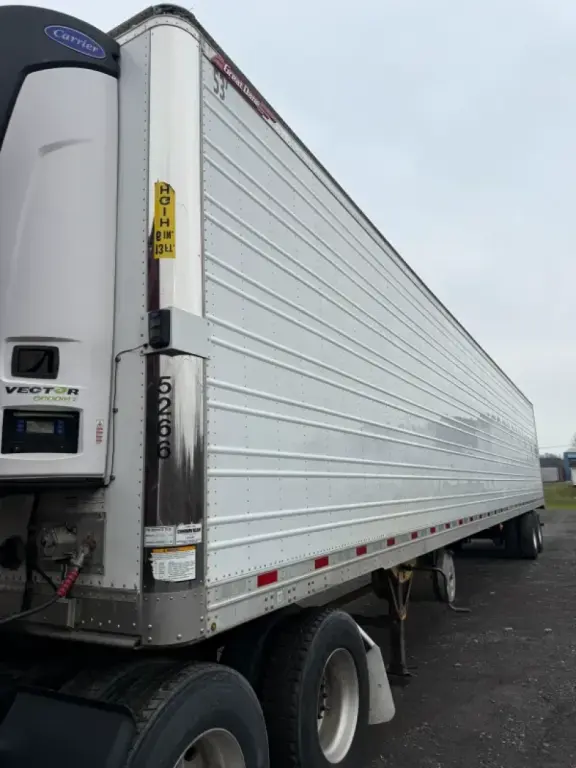
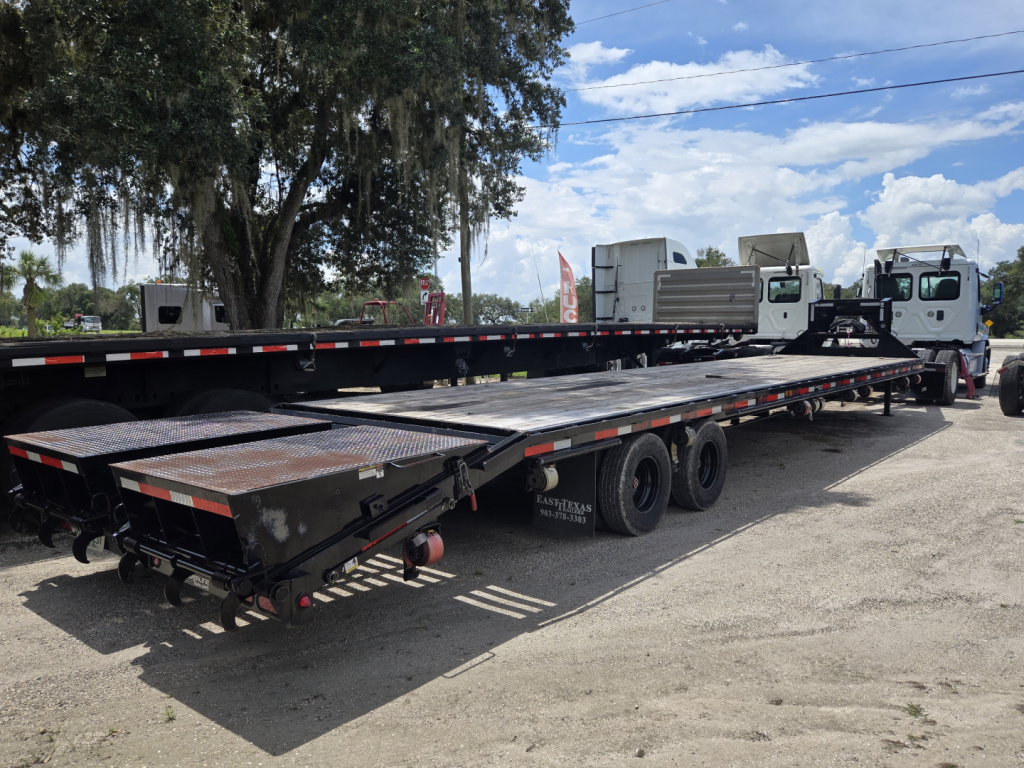
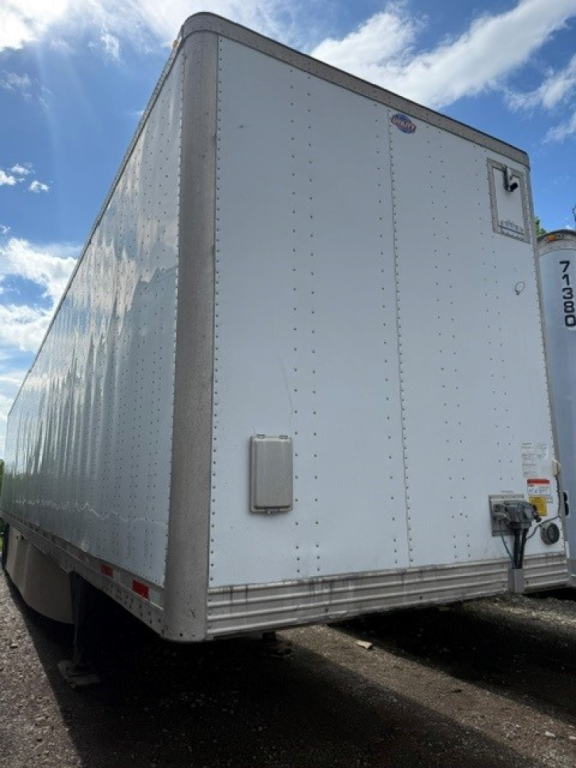
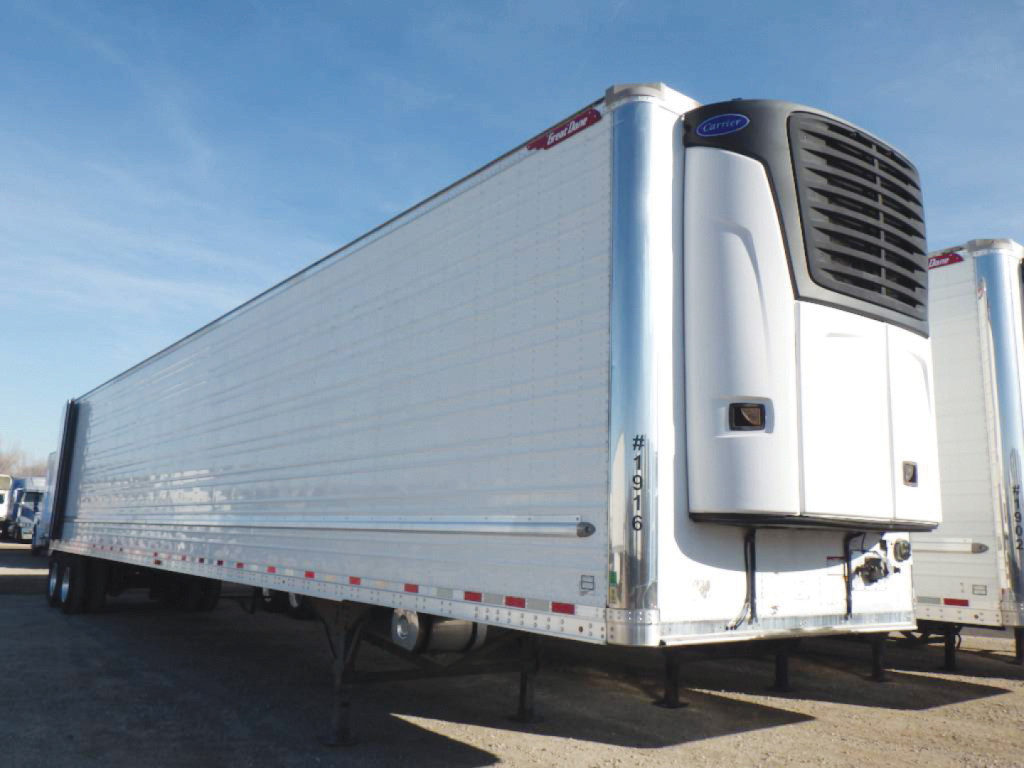
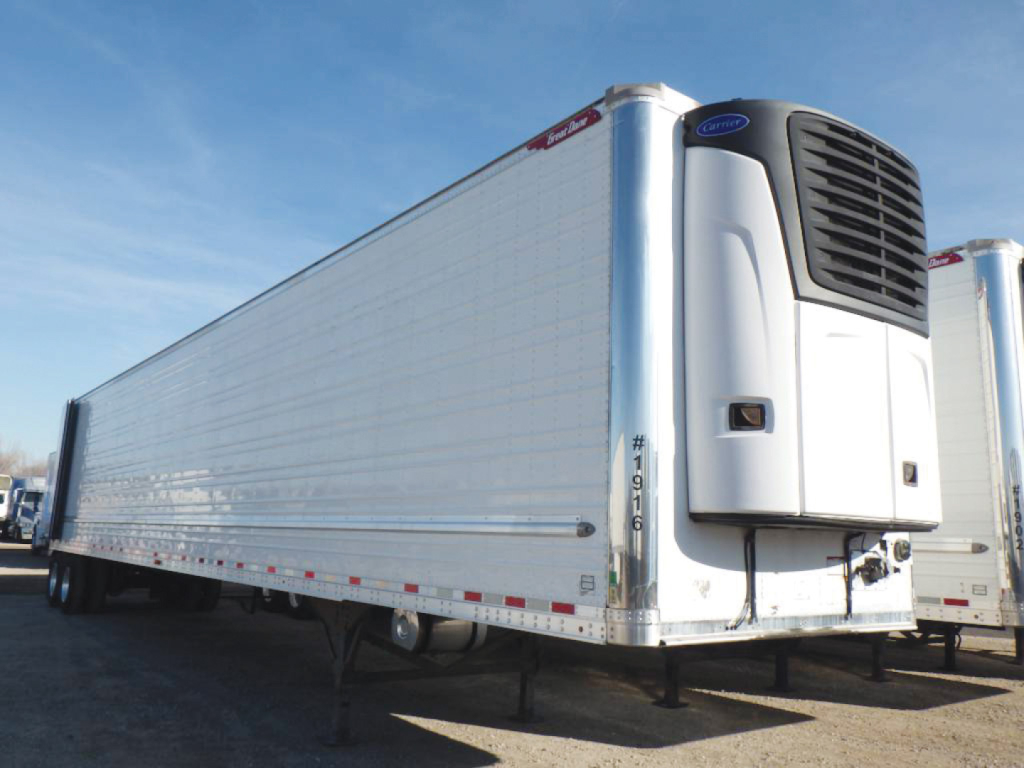
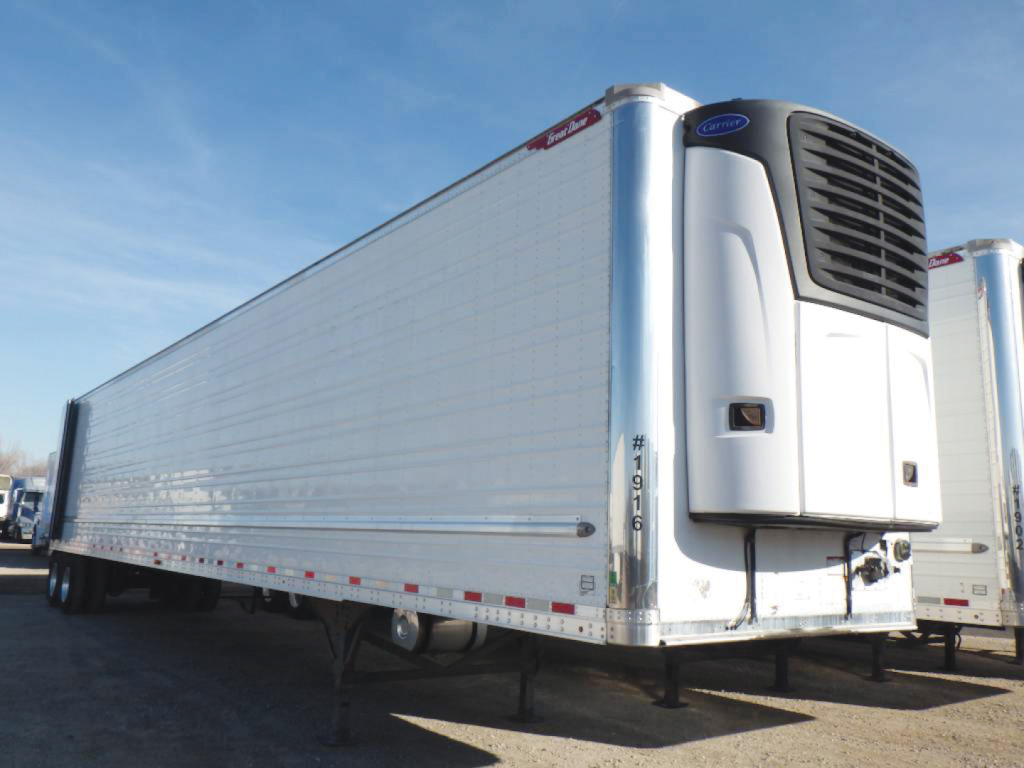
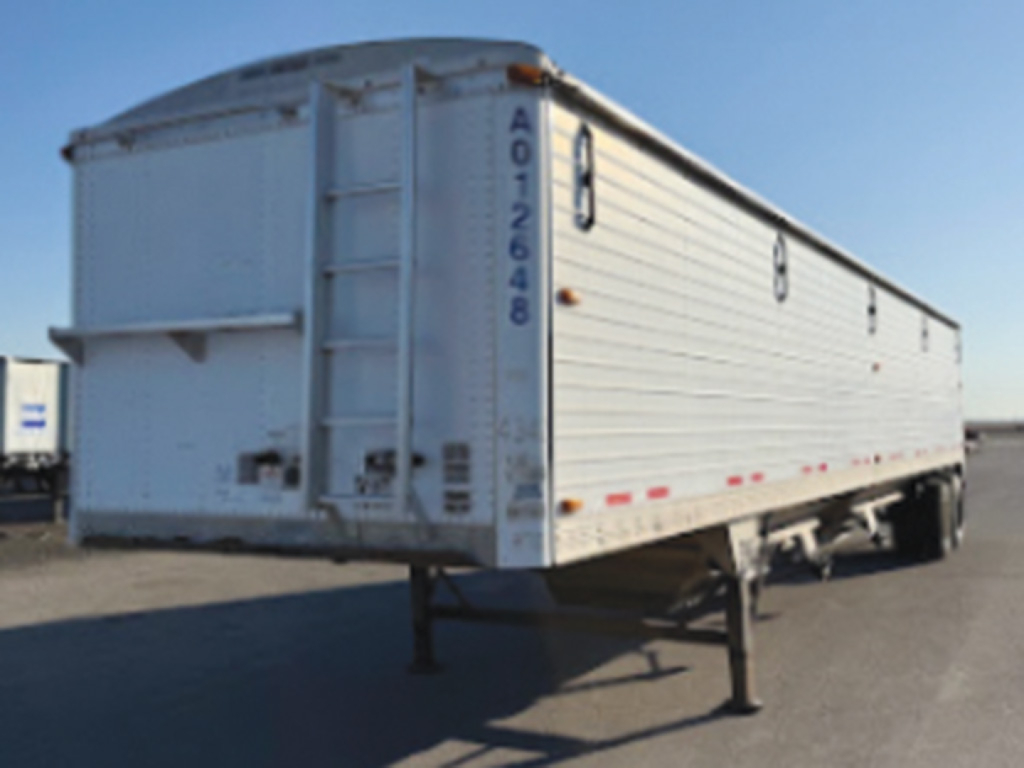
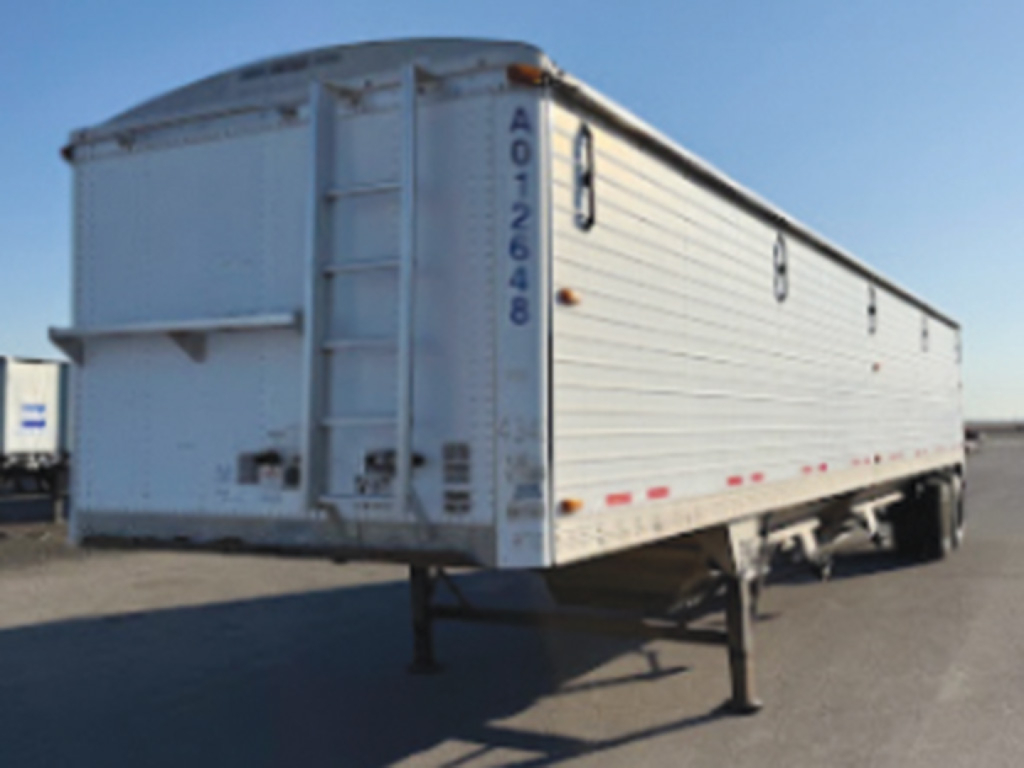
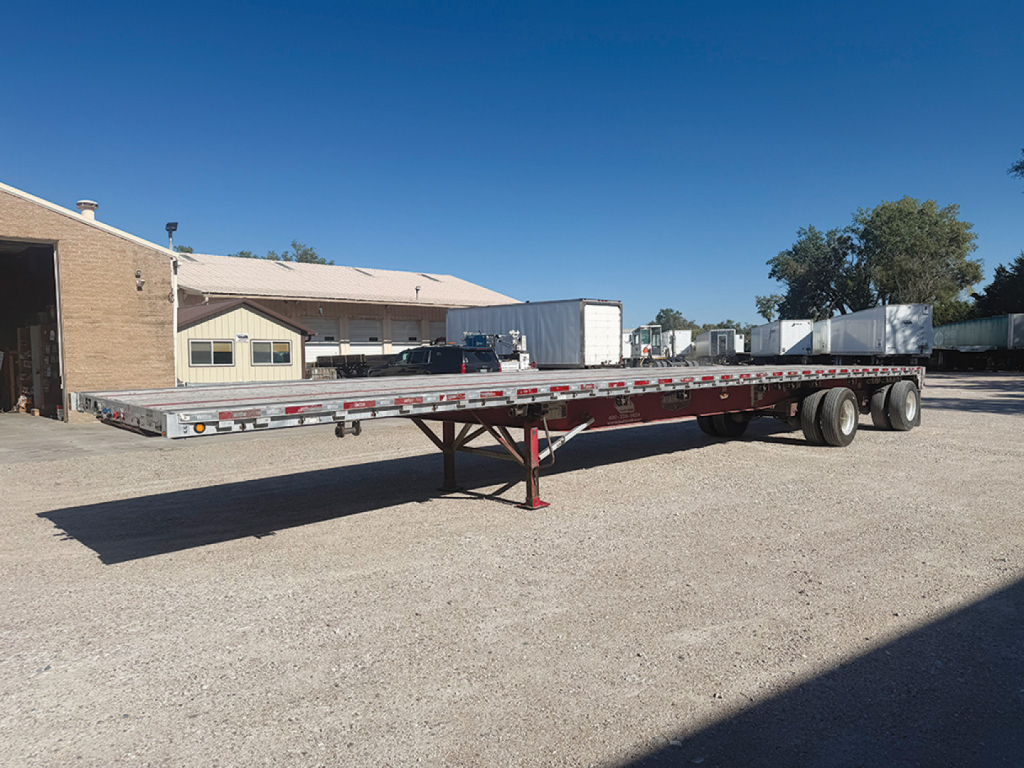
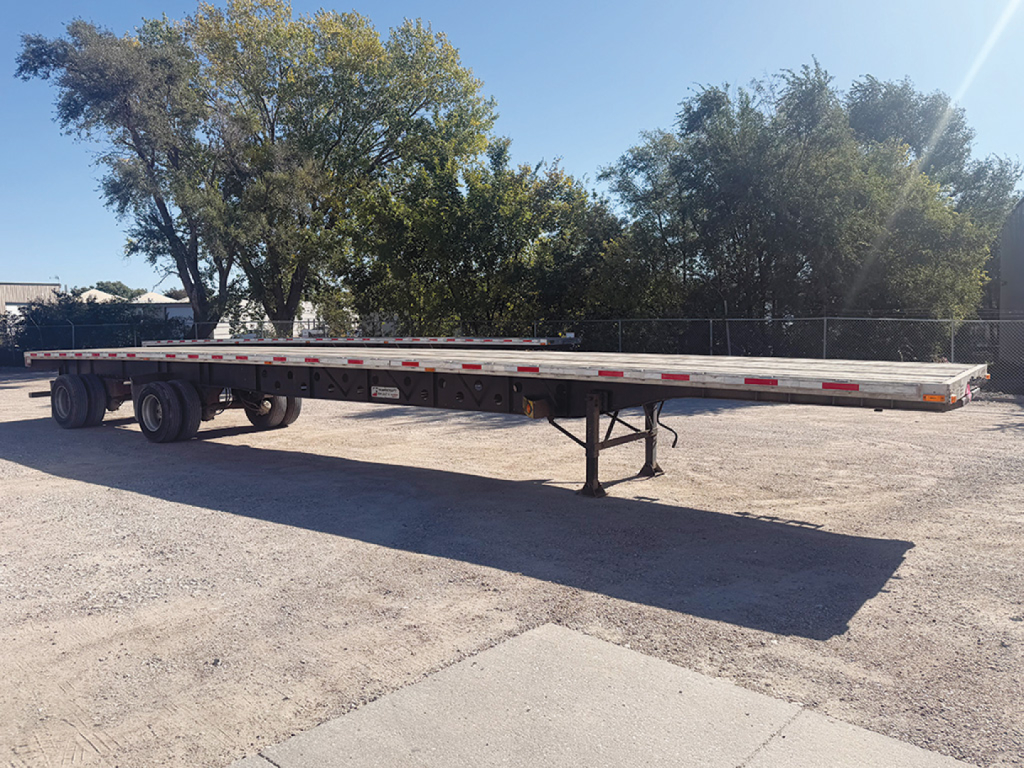
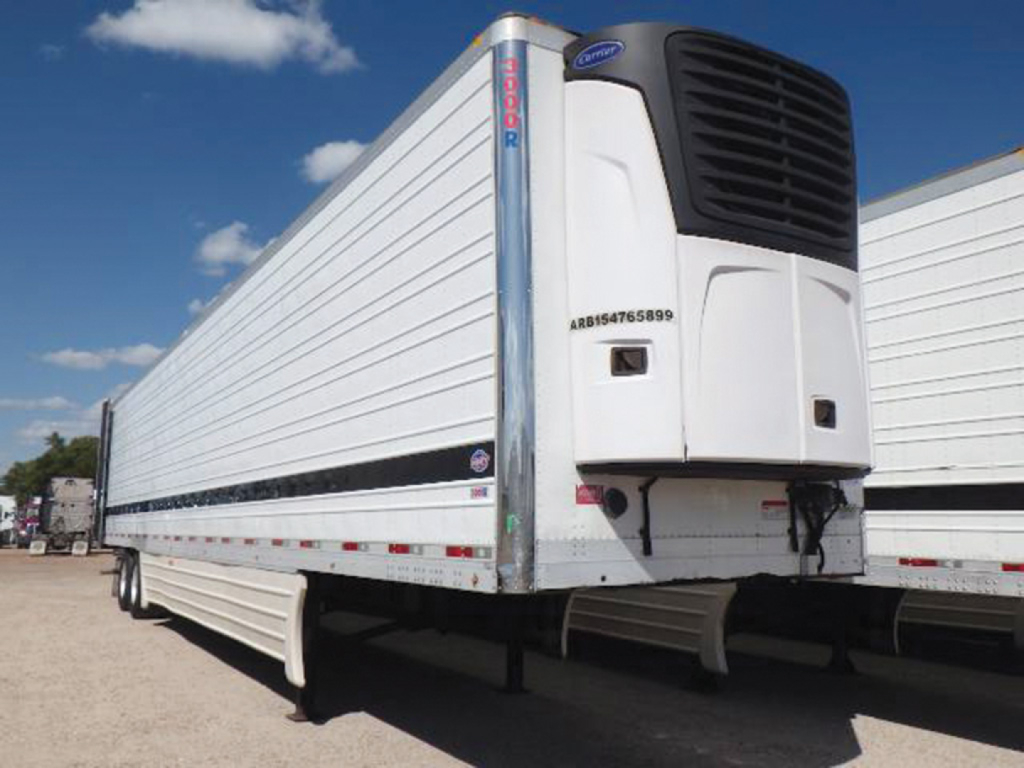
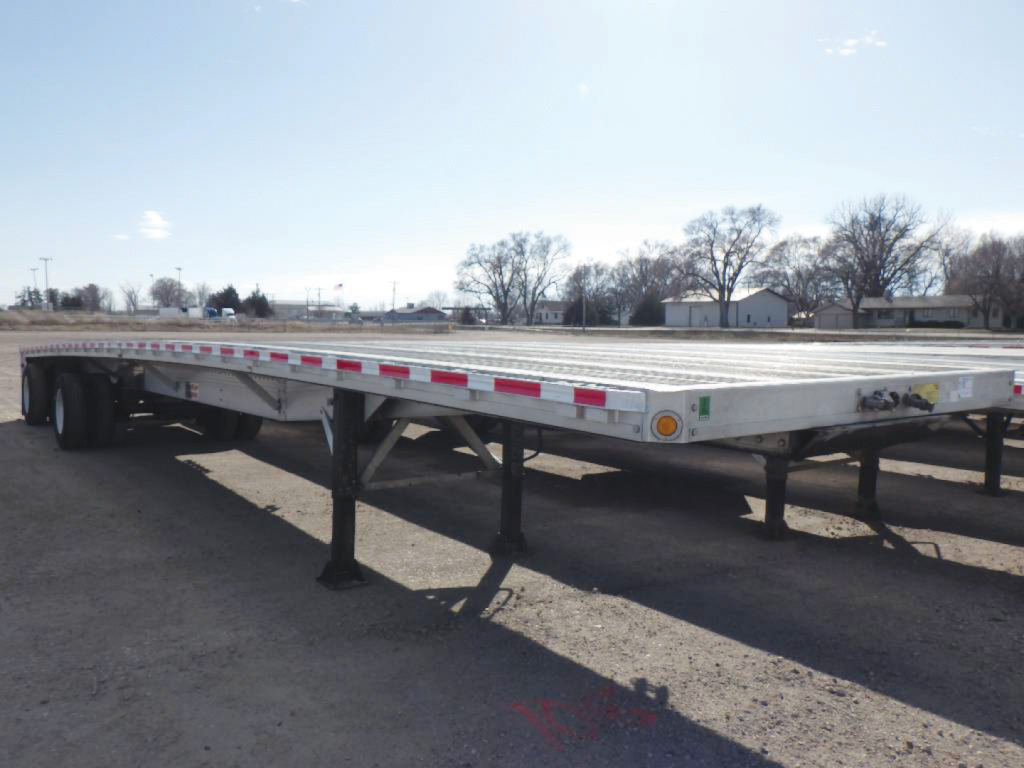
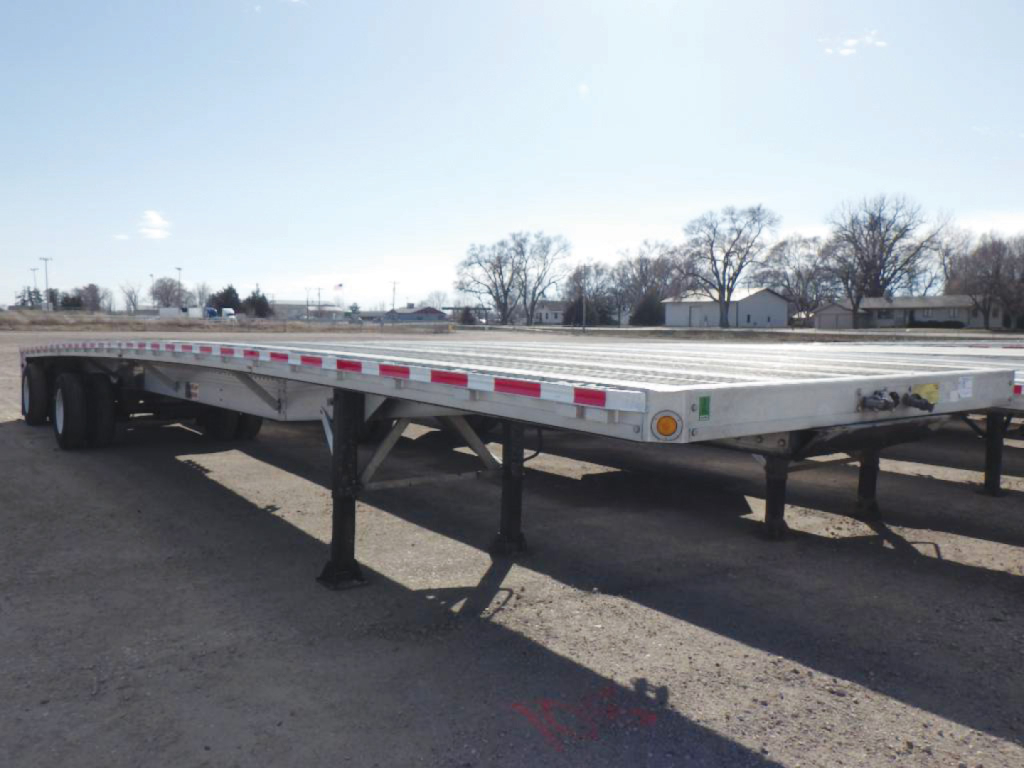
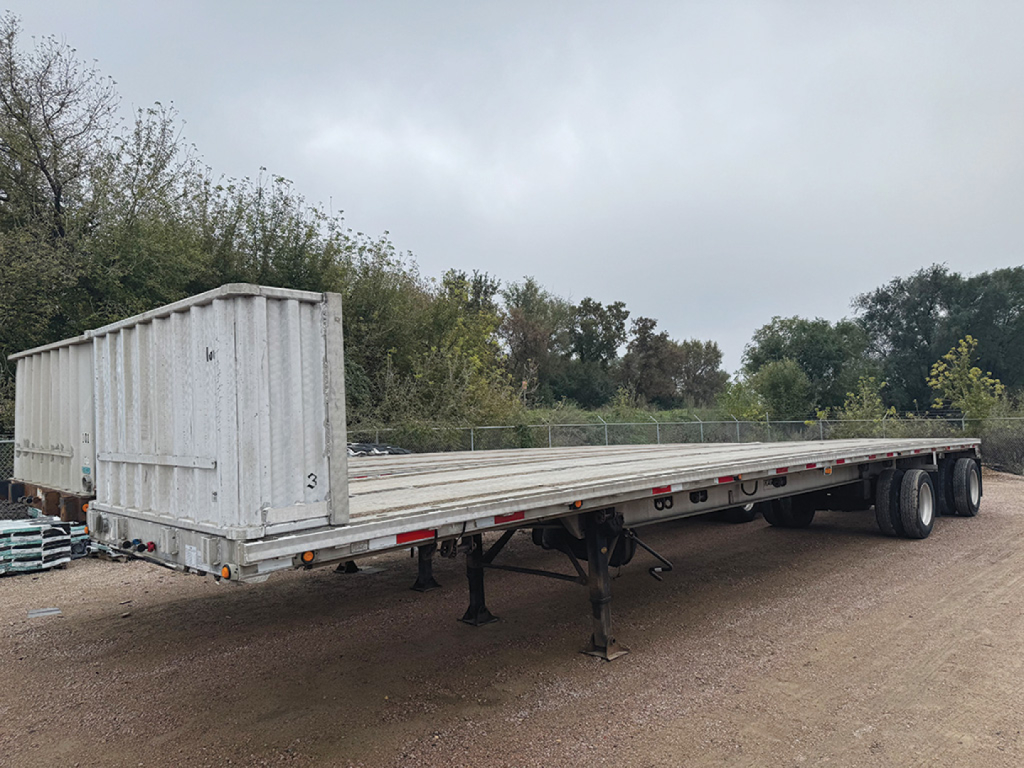
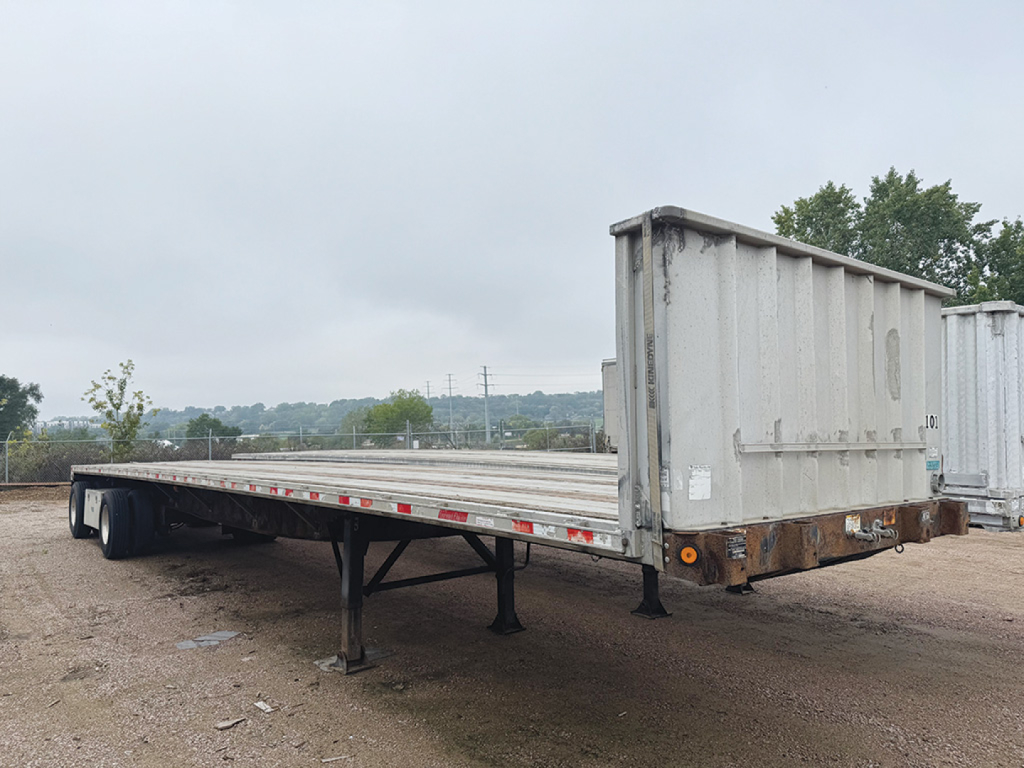
Showing 1 to 28 of 2,334 results
Selling a custom repurposed frameless trailer? List your custom repurposed frameless trailer for sale and reach thousands of commercial buyers.
Custom Repurposed Frameless Trailers
Body construction matters more on a repurposed frameless trailer than on many other trailer types. Aluminum bodies are popular because they keep empty weight down and resist corrosion, but they still need careful inspection around the hoist area, hinge points, draft arms, and crossmember structure. Steel components may appear in substructures, running gear, or repaired sections, so mixed-material repairs should be evaluated for workmanship and long-term durability. Common specs in this class include tandem axles, air ride suspension, 96-inch width, 39-foot bodies, and GVWR ratings around 68,000 pounds, though exact capacity depends on axle ratings, state bridge laws, and tractor setup. Liners, roll tarps, grain doors, and two-way gates are all useful options depending on whether the trailer will be hauling rock one day and lighter agricultural material the next.
Stability and operating conditions are a major part of the buying decision with any frameless dump trailer. These trailers can be highly productive, but they demand proper loading, level dumping surfaces, and attention to center of gravity. A trailer intended for demolition debris or uneven load profiles may need a different body shape or liner package than one used in clean sand or grain service. Suspension, tire size, brake condition, and axle alignment also deserve close review because a frameless trailer works hard at the rear and through the suspension during dump cycles. Air ride is common for better road manners and cargo protection, but overall condition of the suspension, bushings, ride height, and brake system matters more than the label on the spec sheet.
Repurposed equipment can offer strong value when the conversion work was done correctly and the trailer has been maintained with the intended application in mind. Look for clear title status, evidence of consistent floor and wall condition, and signs that the gate seals, tarp system, landing gear, and hydraulic connections have been kept serviceable. If the trailer will run in quarry, paving, farm, or transfer work, compare body dimensions, liner condition, kingpin area wear, and rear structure integrity before focusing only on price. A well-matched custom repurposed frameless trailer can be a productive bulk-haul asset, but the right purchase comes down to structural condition, weight profile, and fit for the material being hauled.
Frequently Asked Questions about Custom Repurposed Frameless Trailers
What is a custom repurposed frameless trailer?
A custom repurposed frameless trailer is a trailer that has been rebuilt, modified, or reconfigured from its original form for a specific hauling application. In many cases, these are frameless end dump trailers adapted for bulk material service. The key buying point is not just that it is custom, but whether the modifications were done correctly, with sound structural work, compatible components, and a body design that fits the material and route conditions.
What should I inspect first on a used repurposed frameless end dump trailer?
Start with the structural areas that carry dump stress. Check the hoist mount area, upper rail, hinge assembly, draft arms, crossmembers, kingpin plate, and rear frame or gate structure for cracking, distortion, or heavy repair work. Then inspect the floor, sidewalls, liner, suspension, brakes, wheels, and tires. On a repurposed trailer, repair quality matters as much as base specifications, because poor modifications can create long-term alignment, cracking, or stability problems.
Are frameless trailers better for payload than frame-type dump trailers?
Frameless trailers are often chosen because they can weigh less than comparable frame-type dump trailers, which can improve payload potential. That said, payload advantage depends on body material, trailer length, axle group, liner weight, and how the trailer was built or repurposed. A lighter trailer is only part of the equation. Buyers still need to consider durability, stability during dump cycles, and whether the trailer is suited to the commodity being hauled.
What materials are custom repurposed frameless trailers commonly used to haul?
These trailers are commonly used for aggregates, sand, gravel, grain, mulch, scrap, demolition debris, and other loose bulk materials. The right application depends on body construction, gate style, liner setup, and overall trailer condition. A trailer with an aluminum body, roll tarp, grain door, and two-way gate may be better suited for lighter bulk products, while abrasive or impact-heavy materials can place much higher demands on the floor, walls, and rear structure.
Why do liner, tarp, and gate options matter on a frameless trailer?
These options directly affect versatility and daily operating efficiency. A liner helps material release and protects the body from abrasion or sticking loads. A roll tarp supports legal compliance and reduces product loss in transit. Gate design, including two-way gates and grain doors, changes how the trailer unloads and what commodities it can handle cleanly. For many buyers, these options determine whether one trailer can cover multiple jobs without sacrificing productivity.