
Chipper Trailers For Sale
Compare chipper trailers for hauling wood chips, mulch, bark, and light bulk loads with key specs like length, side height, tarp, and suspension.
No exact matches found for your search
Showing Trailers instead.
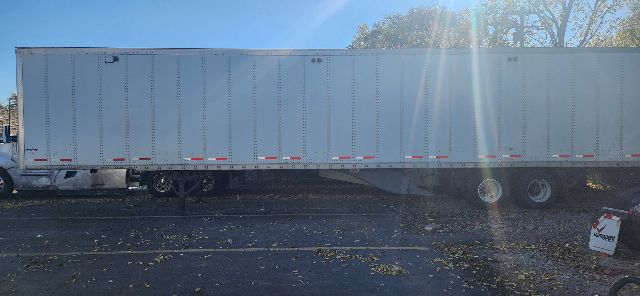
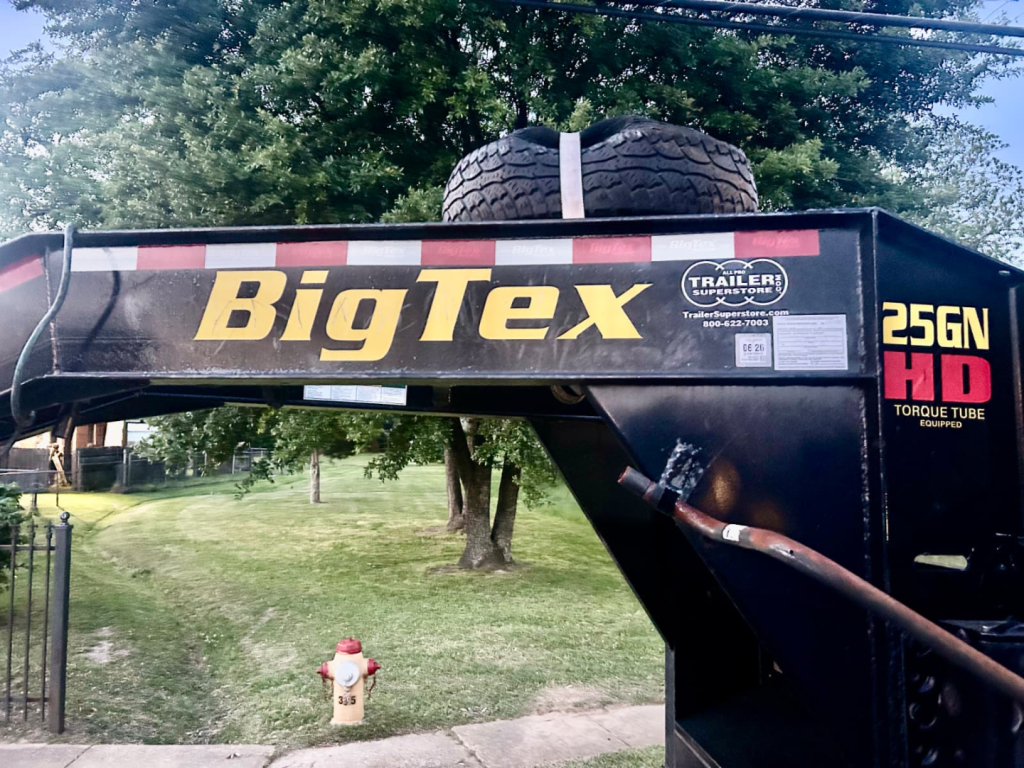
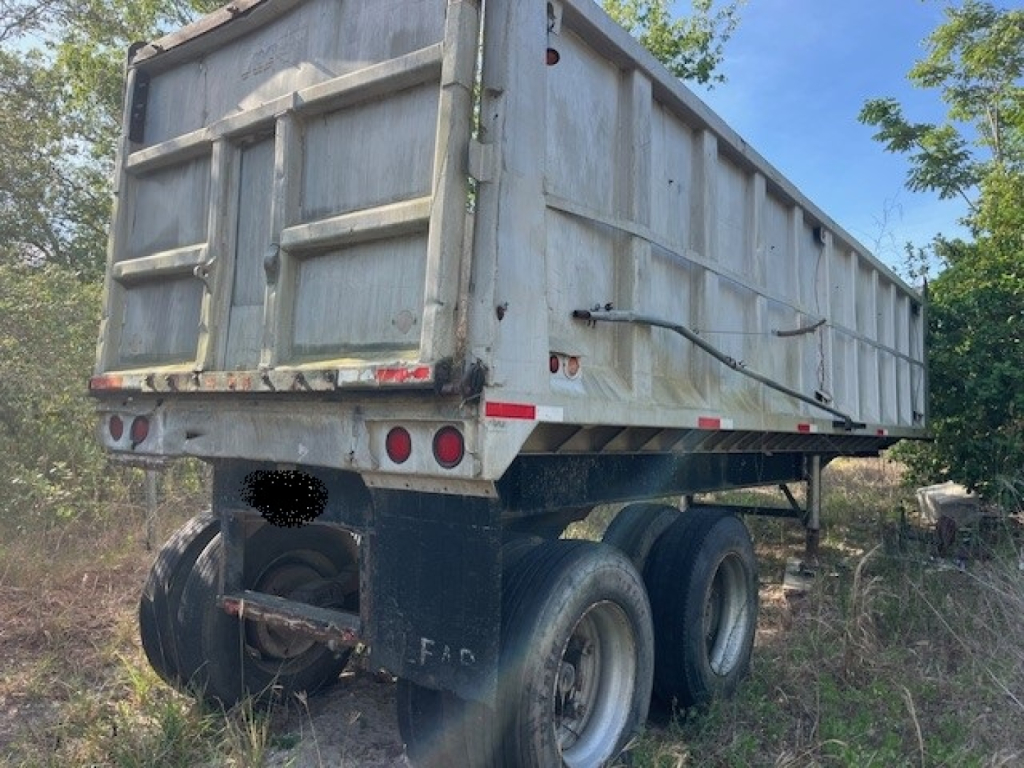
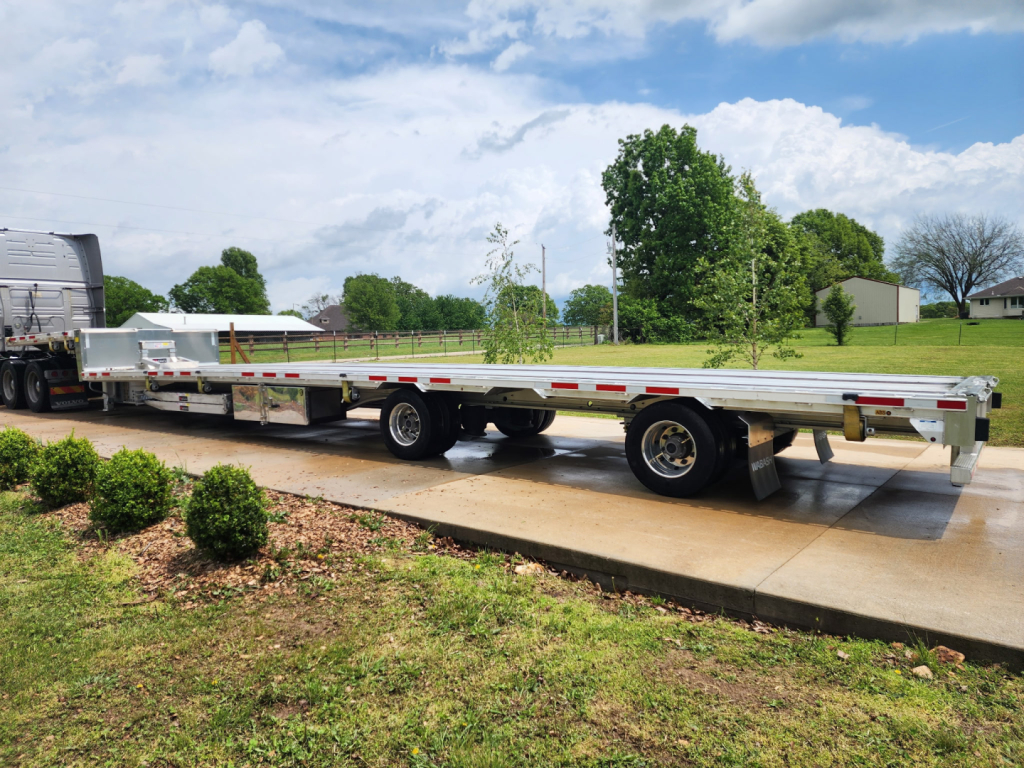
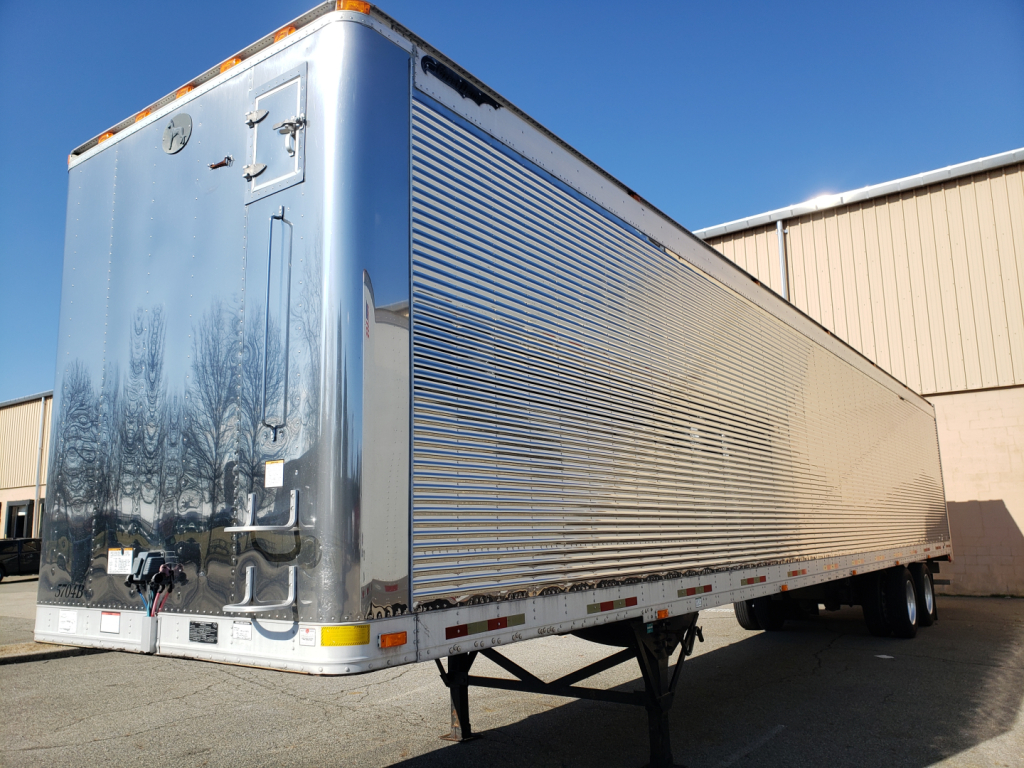
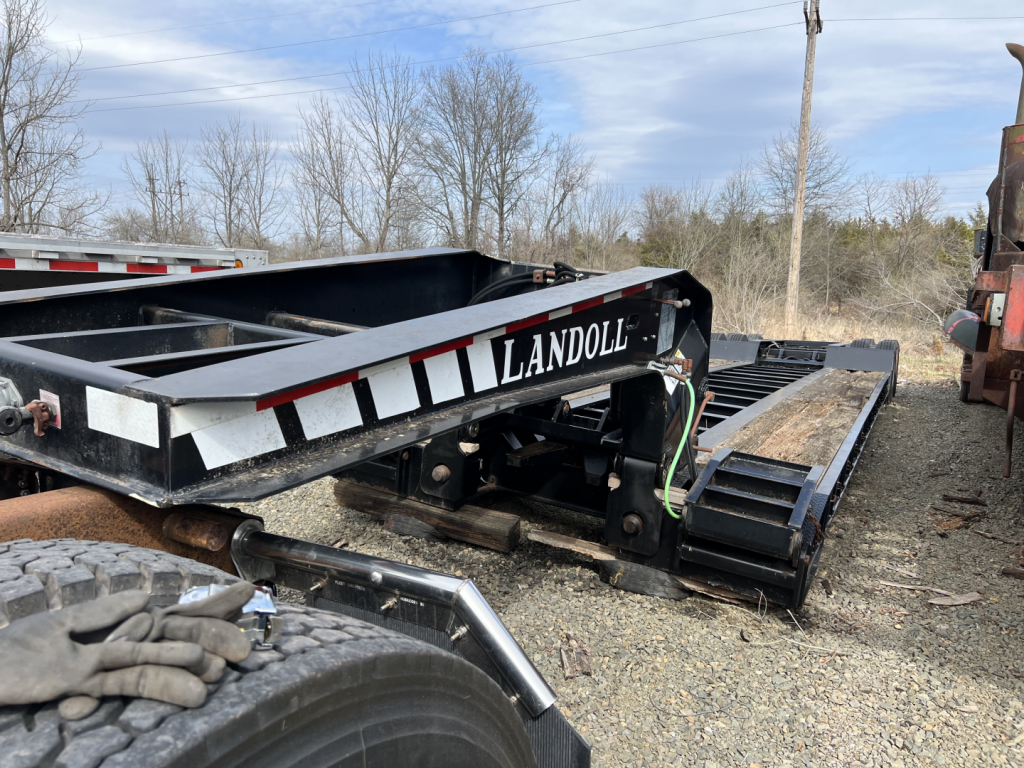
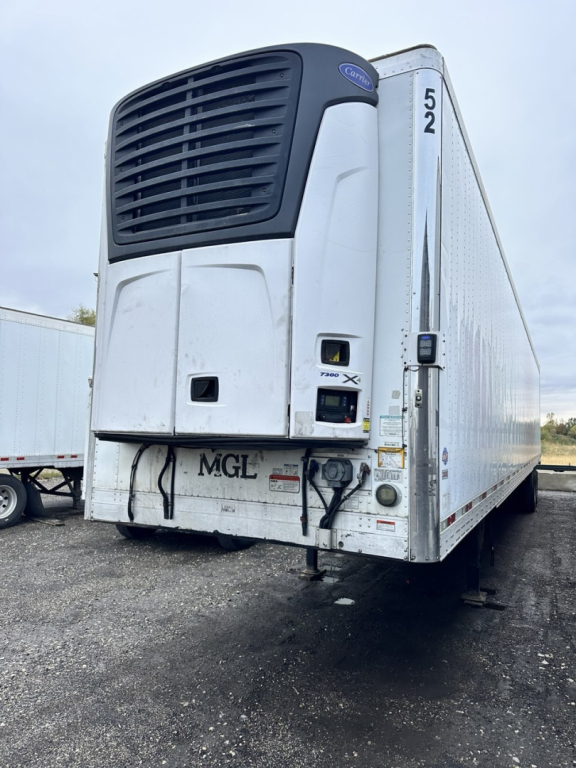
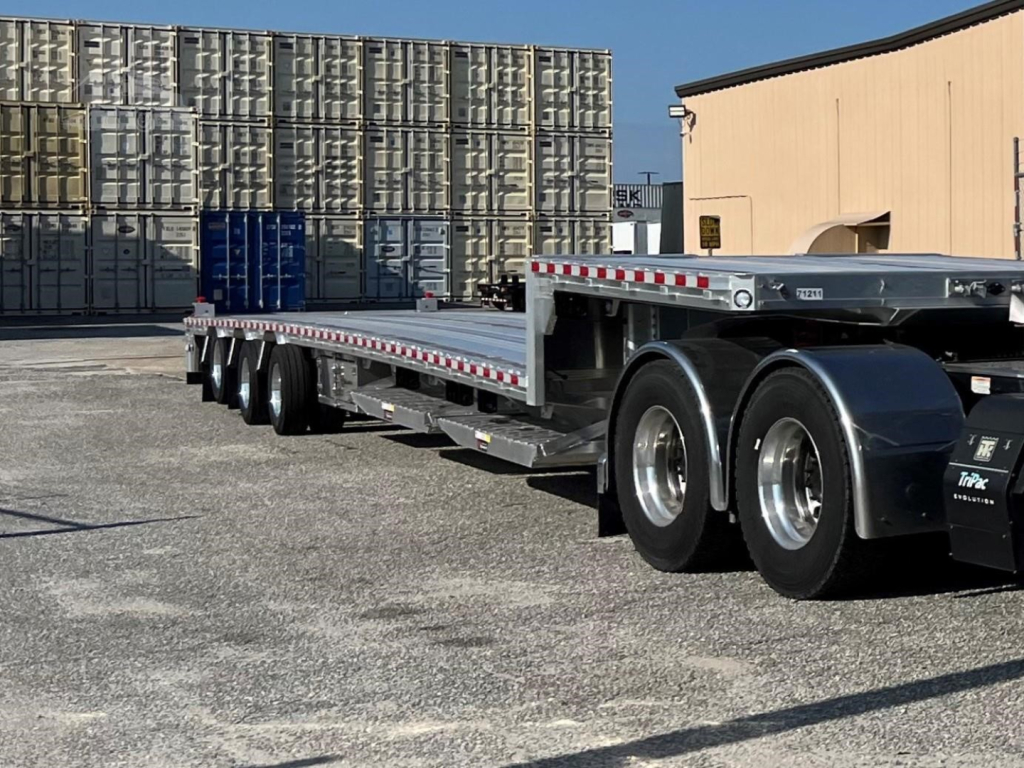
Showing 1 to 12 of 2,241 results
Have chipper trailer to sell? List it here to reach thousands of buyers.
Chipper Trailers
Construction details matter because these trailers live in abrasive, high-cycle service. Aluminum bodies are common for corrosion resistance and lighter tare weight, while post spacing, side sheet thickness, and rear frame reinforcement tell you a lot about long-term durability. Many chipper trailers use smooth side panels with closely spaced extruded posts to support tall bodies without adding unnecessary weight. Buyers should also look at the rear discharge setup. Top-hinged chip gates are widely used for controlled dumping at compost yards, biomass plants, and mulch operations. If the trailer will see loaders, rough yards, or frequent backing into piles, push bumpers, heavy-duty rear structures, and durable gate hardware become more important.
Running gear should match the route and yard conditions. Tandem axle configurations are typical, with spring ride or air ride depending on cost, ride quality, and maintenance preference. Axle spacing, kingpin setting, landing gear type, wheel material, and tire size all affect compatibility with your tractors and your state bridge requirements. Because chipper trailers often carry bulky but relatively light material, tire condition, brake wear, suspension condition, and 5th wheel plate wear are still critical even if the trailer has not spent its life at maximum legal weight. Tarp system condition is equally important since a chip trailer that cannot secure a loose load can quickly become a compliance and cleanup problem.
A good chipper trailer spec depends on what you haul and how you unload. Wood waste and mulch fleets usually prioritize high-capacity bodies, fast tarp operation, and simple gate serviceability. Tree service and land clearing operations may care more about quick loading access, rugged rear hardware, and maneuverability in tight yards. For buyers comparing listings, focus on inside volume, material thickness, rear door design, suspension type, axle placement, and evidence of stress around the gate, side posts, and landing gear mounts. Those details do more to predict useful life than paint or model year alone.
Frequently Asked Questions about Chipper Trailers
What is a chipper trailer used for?
A chipper trailer is used to haul light, high-volume materials such as wood chips, bark, mulch, compost, sawmill residue, and similar bulk products. These trailers are designed to maximize cubic capacity rather than dense payload, which makes them common in forestry, tree service, biomass, mulch production, and municipal green waste operations.
What should I look for when buying a used chipper trailer?
The most important checks are body condition, cubic capacity, rear gate integrity, tarp operation, and running gear wear. Inspect the side sheets, extruded posts, rear frame, hinge points, landing gear mounts, and areas around the suspension hangers for cracking or distortion. Also verify brake condition, tire age and tread, kingpin wear, axle alignment, and any signs that the trailer has been overloaded or operated regularly in rough dump sites.
Are chipper trailers the same as walking floor trailers?
No. A chipper trailer usually relies on an open top body and rear gate for gravity unloading, while a walking floor trailer uses a moving floor system to discharge material without raising the body. Walking floors are often preferred where overhead clearance is limited or where unloading on uneven ground is a concern, but they add weight, cost, and mechanical complexity compared with a standard chip van or open top chipper trailer.
Why is cubic capacity so important on a chipper trailer?
Most chipper trailer loads cube out before they weigh out. Wood chips, mulch, and similar materials are bulky and relatively light, so trailer volume has a direct effect on how much product you can move per trip. Side height, trailer length, and legal overall height all work together to determine how efficiently the trailer carries this kind of freight.
What suspension is best for a chipper trailer?
The best suspension depends on the duty cycle. Spring ride is common for simplicity, lower cost, and durability in rough service, while air ride can offer better ride quality and may reduce shock to the trailer structure and tractor. Buyers should match suspension choice to road conditions, maintenance practices, and how often the trailer is loaded in uneven yards or off-pavement environments.