
Trailers For Sale in Pennsylvania
Trailers for sale in Pennsylvania, including flatbed, drop deck, lowboy, and dump trailers with specs for hauling, construction, and freight.
Learn morePopular Trailers Categories
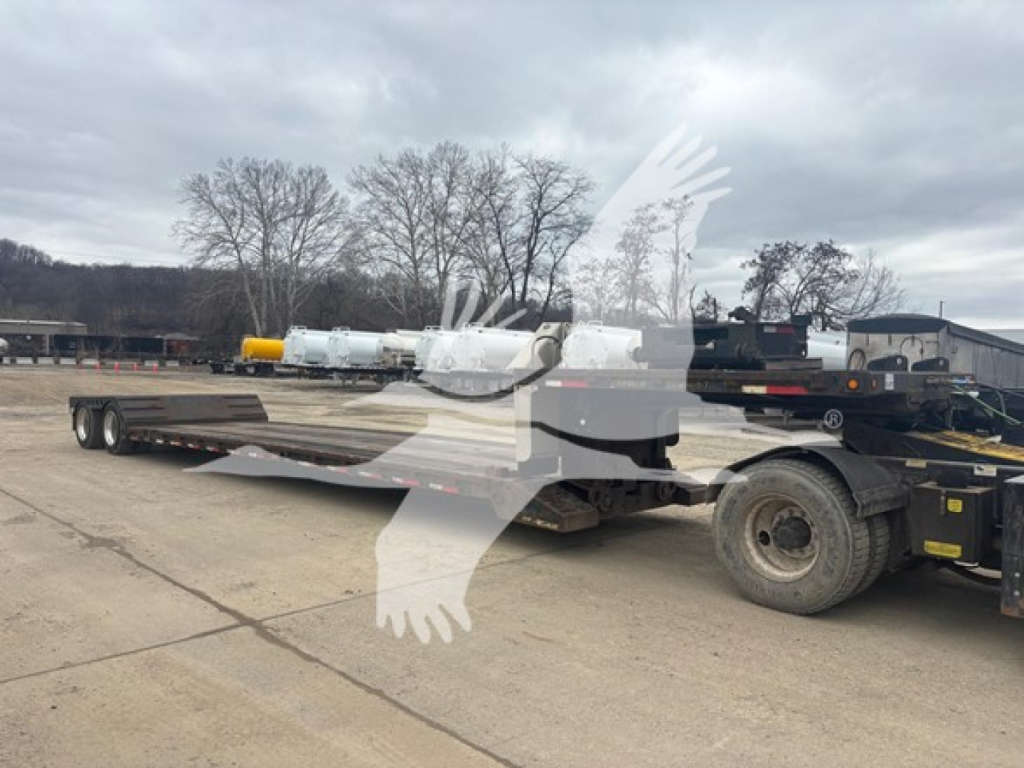
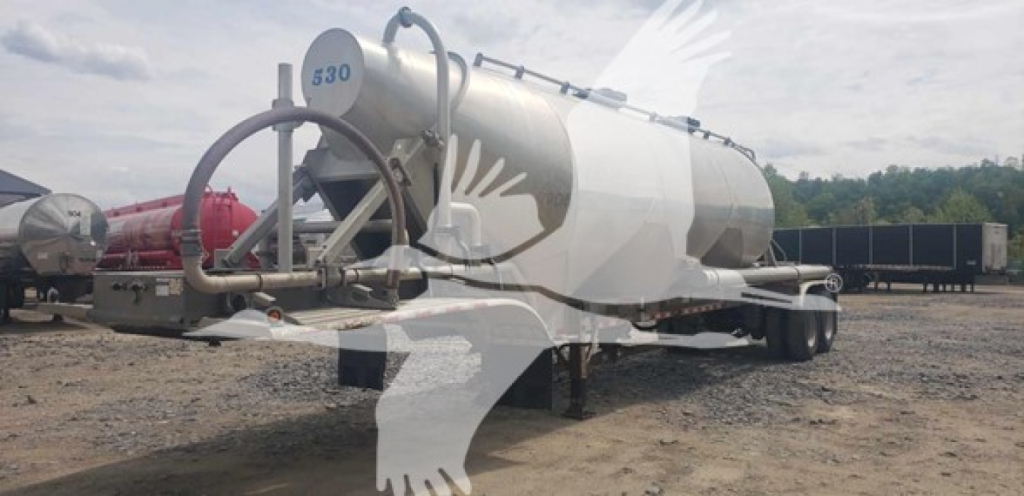
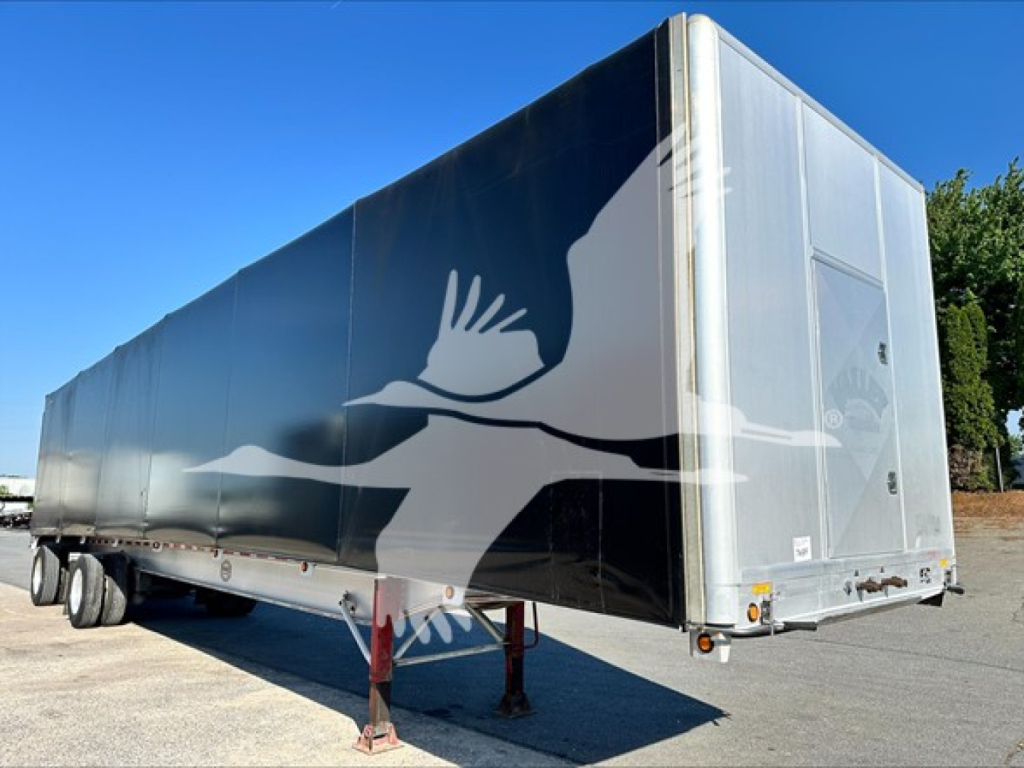
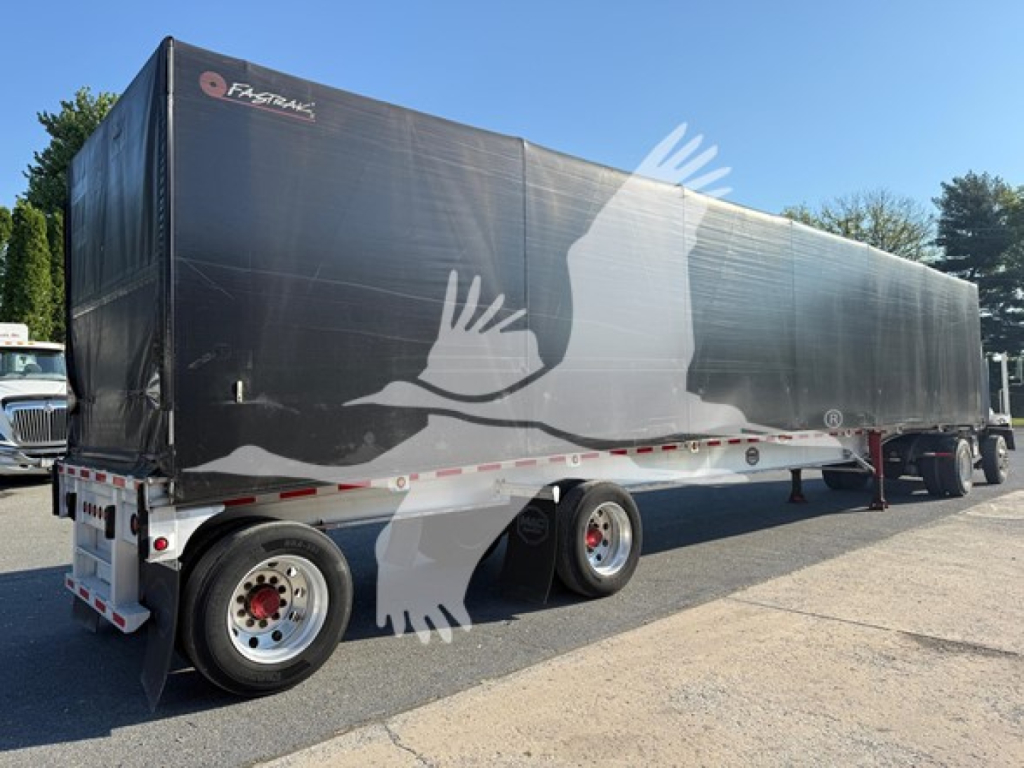
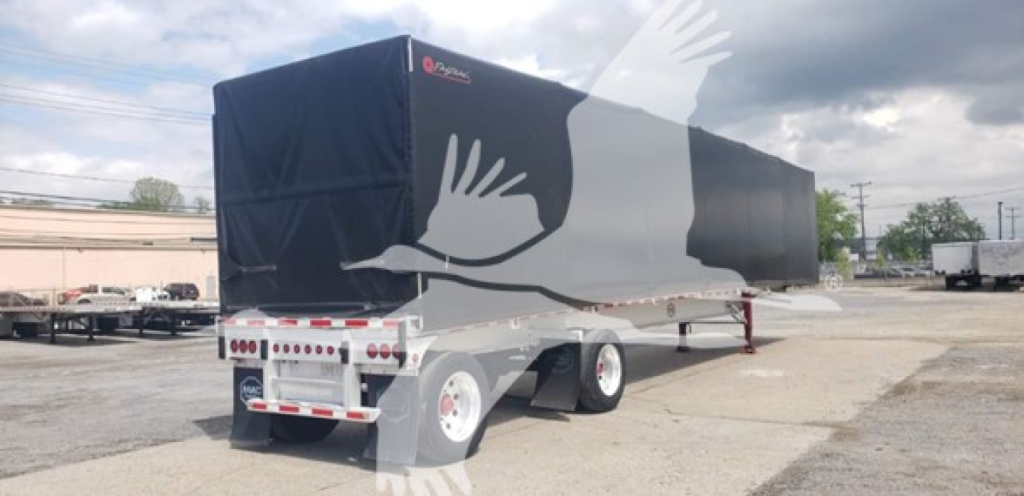
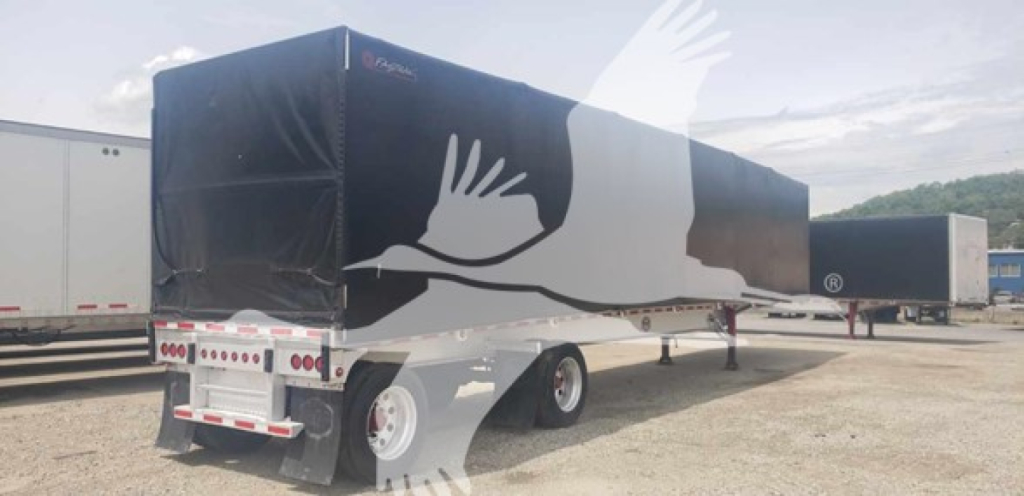
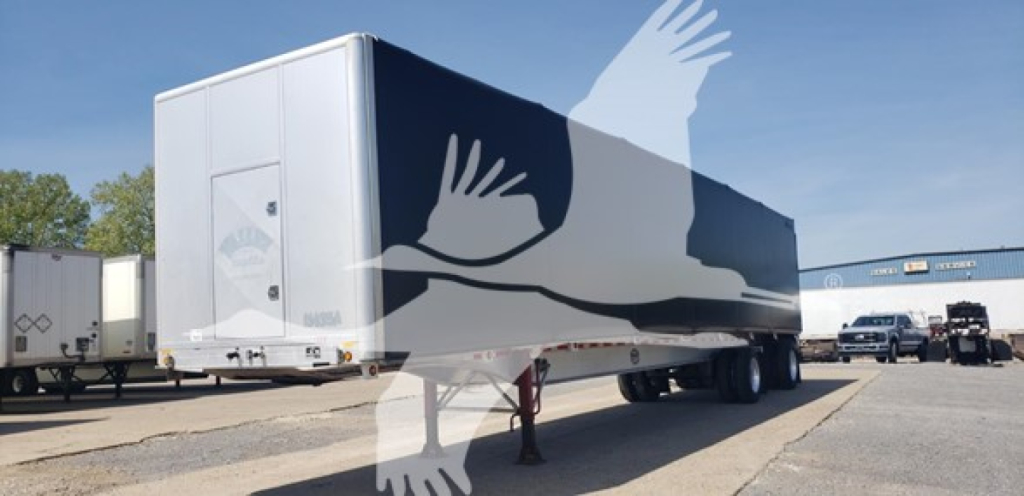
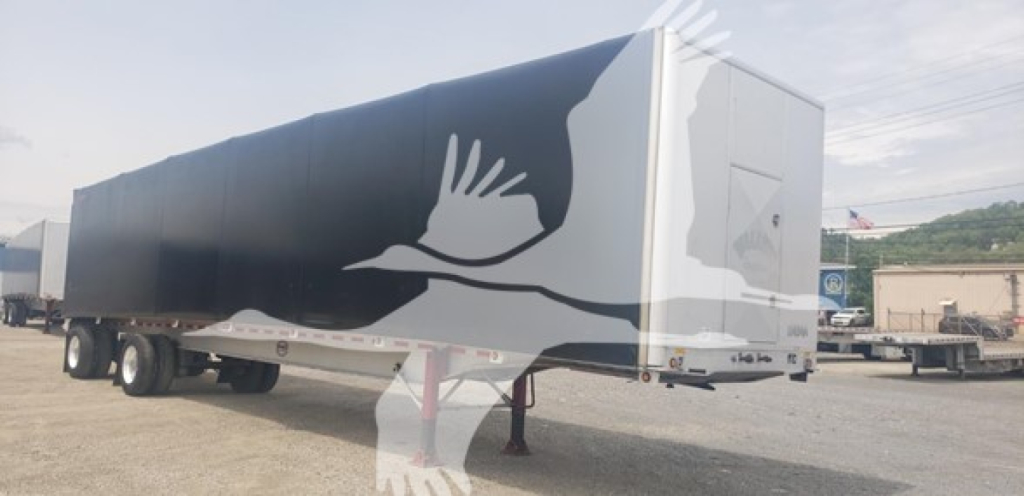
Showing 1 to 12 of 671 results
Have trailer to sell? List it here to reach thousands of buyers.
About Trailers in Pennsylvania
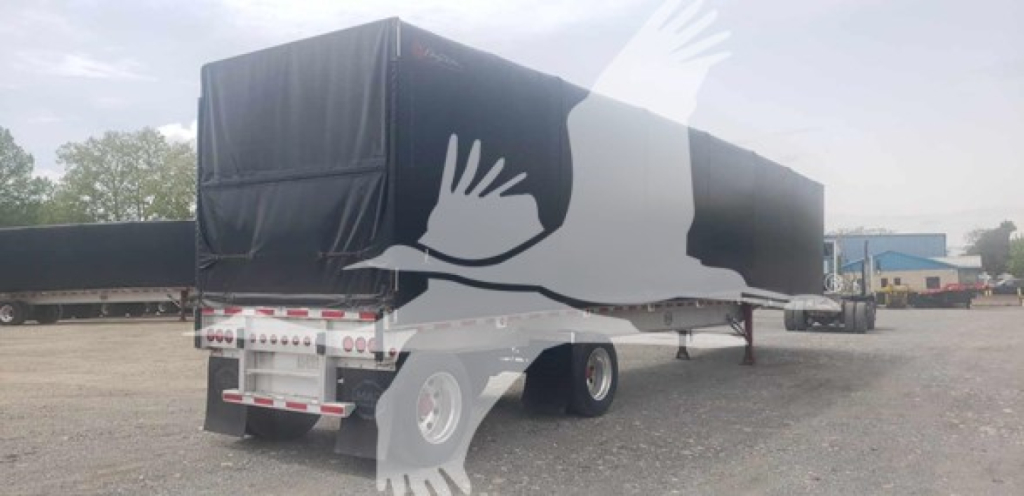
Flatbed trailers, also known as open deck trailers, remain one of the most versatile categories on the road. Common lengths are 48 and 53 feet, with 102-inch width standard for most highway freight. Aluminum flatbeds are popular for maximizing payload, while steel components may be preferred in harder-use applications. Buyers should look closely at axle spacing, spread versus tandem setup, sliding suspension, winch tracks, sliding winches, coil packages, pipe spools, side rails, and the condition of the floor and crossmembers. A drop deck trailer, also called a step deck, adds height clearance for taller freight and often includes bulkheads, nailing strips, and tire inflation systems for longer-haul service.
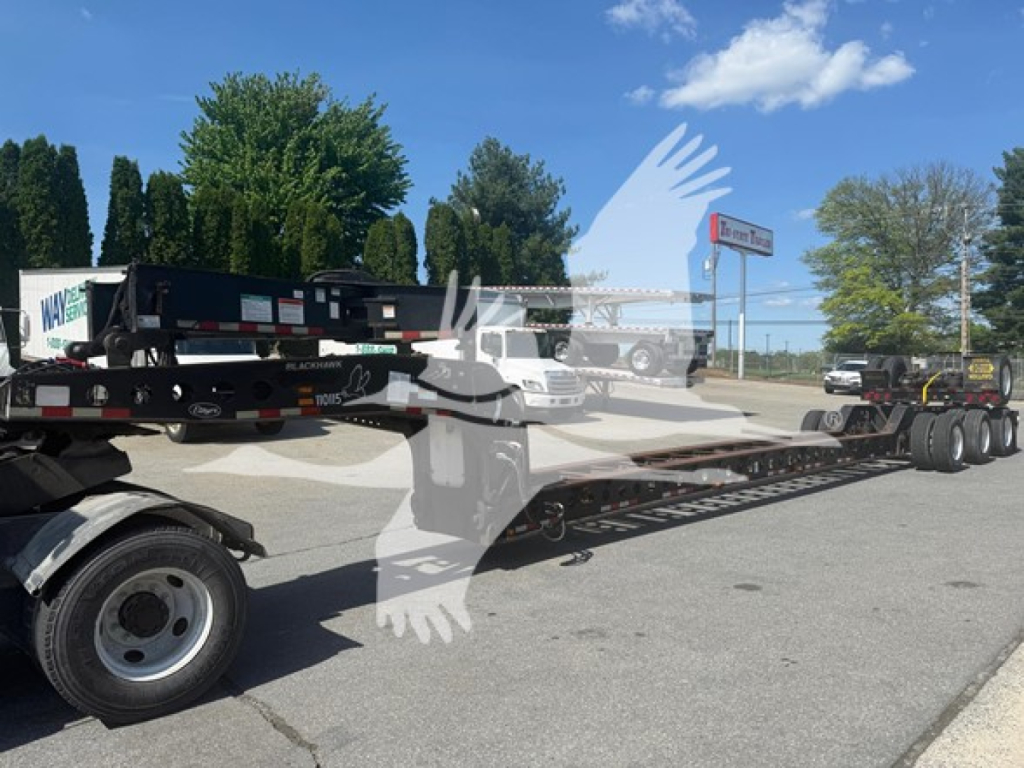
For heavy equipment work, lowboy trailers are built around concentrated load capacity, loaded deck height, and neck style. Hydraulic detachable gooseneck models are common when hauling construction iron, crushers, paving equipment, and other tall or heavy machinery. Important lowboy specs include ton rating over a defined deck length, number of axles, lift axles, flip axle provisions, outriggers, D-rings, boom wells, deck height, and swing radius. In Pennsylvania, where bridge law, road weight restrictions, and permitting can influence route planning, axle configuration and ride height control can be just as important as published capacity.
Dump trailers fill a different role, especially in coal, asphalt, sand, and aggregate service. Buyers typically compare body material, side height, hoist package, tailgate setup, tarp system, suspension brand, and liner or body condition. Aluminum dump trailers can offer strong payload performance, while frame design and crossmember spacing affect durability under repeated loading cycles. Across all trailer types, inspection status, tire size and remaining tread, wheel material, brake wear, landing gear condition, and 5th wheel area condition are worth checking closely. A trailer that matches the freight, axle law, and daily loading method will usually outperform a higher-capacity trailer that is poorly spec'd for the job.
Frequently Asked Questions
What trailer type is best for general freight hauling?
A flatbed trailer is the standard choice for general open-deck freight because it handles a wide range of cargo including steel, lumber, building materials, and palletized loads that can be secured from the sides or top. A 48-foot or 53-foot flatbed with air ride suspension, winch track, and sliding winches covers most freight applications. If height is a recurring issue, a drop deck trailer is often the better fit because it gives more legal cargo height than a standard flatbed.
What is the difference between a flatbed trailer and a drop deck trailer?
A flatbed has one continuous deck height, while a drop deck trailer has an upper deck and a lower main deck. The drop deck design allows taller freight to stay within legal height limits without requiring a permit in many cases. Flatbeds are simpler and widely used for standard freight, but step decks are often preferred for machinery, crated equipment, and taller loads that would ride too high on a standard flatbed.
What should I look for when buying a lowboy trailer?
Start with the actual payload requirement, then compare deck length, deck height, neck type, axle count, and any lift or flip axle provisions. The ton rating must match the type of machine being hauled, not just the gross weight on paper. Buyers should also check outriggers, D-rings, boom wells, loaded 5th wheel height, suspension setup, and kingpin settings because those details affect securement, loading angle, permit routing, and tractor compatibility.
Are aluminum trailers better than steel trailers?
Aluminum trailers are usually favored when payload matters because they weigh less, which can increase legal cargo capacity. Steel trailers are often chosen for severe-duty work where impact resistance and long-term structural toughness are priorities. The better material depends on the job. Open-deck freight commonly leans toward aluminum, while heavy haul and some construction applications often lean toward steel or mixed-material designs.
Which trailer specs matter most for Pennsylvania operations?
In Pennsylvania, axle spread, suspension type, kingpin setting, overall length, and trailer weight all matter because they affect bridge law compliance, maneuverability, and route flexibility. Buyers should also consider brake condition, tire spec, lift axle options, and deck configuration for local terrain and jobsite access. For heavy haul and construction work, permit-related factors such as axle grouping and loaded deck height can have a direct impact on usable routes and operating cost.