
Dolly Trailers For Sale in Pennsylvania
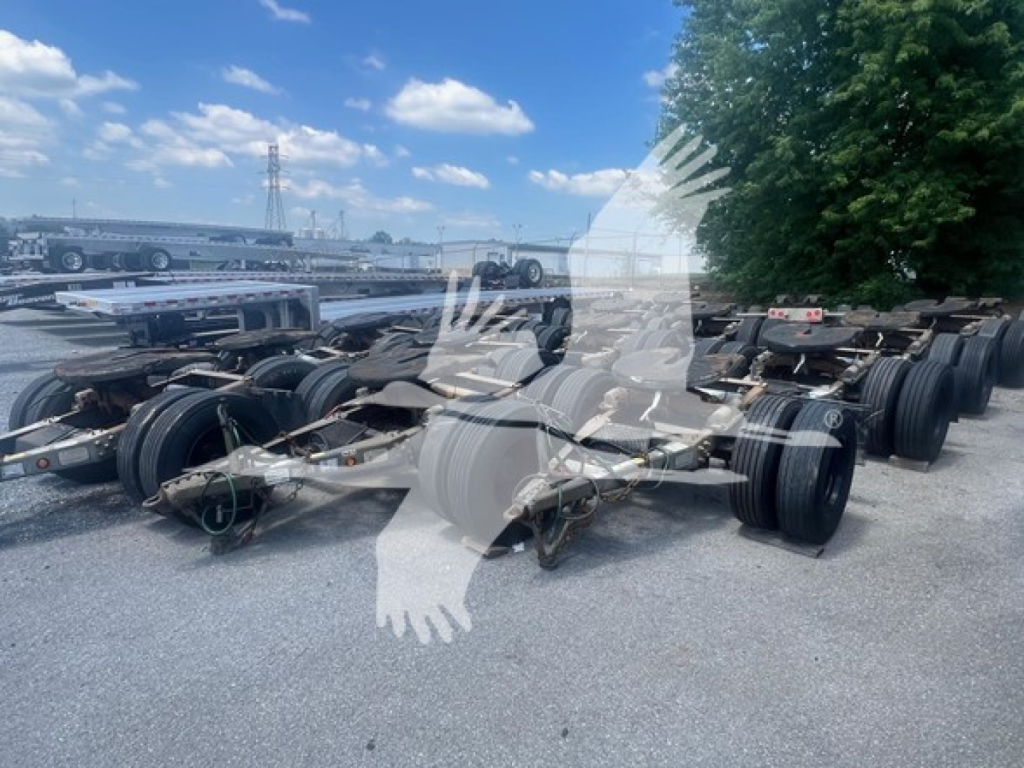
Browse dolly trailers for sale in Pennsylvania, including converter dollies with common axle, suspension, tire, and brake specs.
Learn more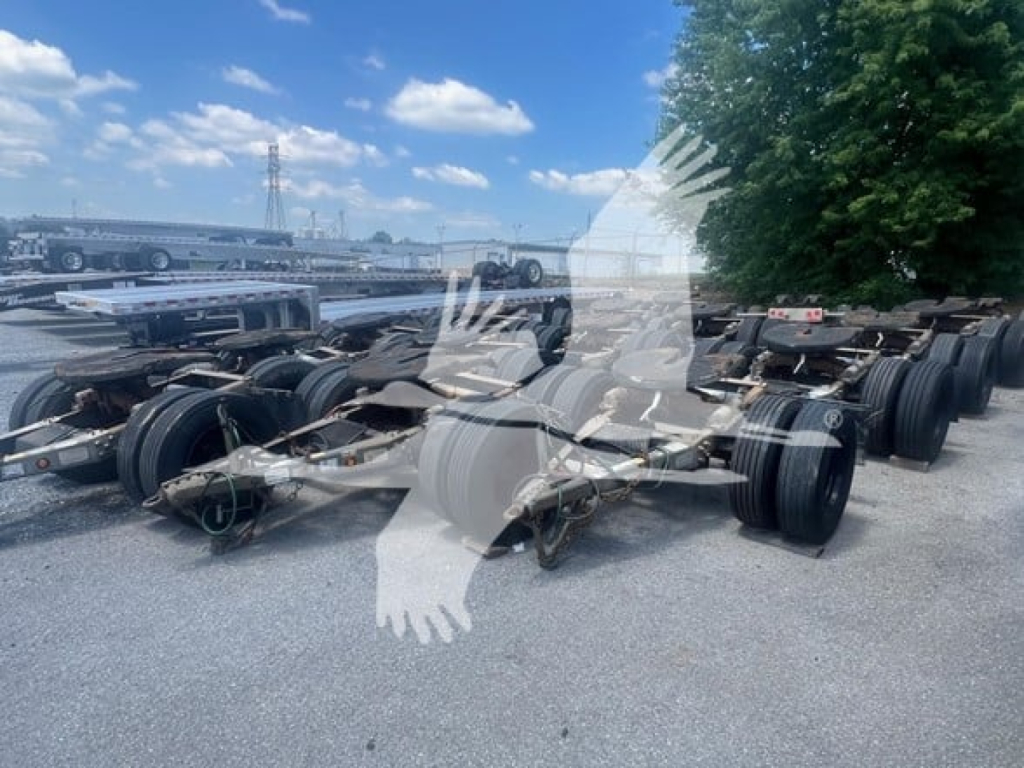
Have dolly trailer to sell? List it here to reach thousands of buyers.
About Dolly Trailers in Pennsylvania
For a buyer, the main checkpoints are brake condition, fifth wheel wear, drawbar condition, and how the dolly tracks under load. Tire size, wheel type, and suspension are straightforward, but slack in the steering or hitch components can create handling issues and uneven tire wear. On converter dollies, pay close attention to air lines, gladhands, safety chains, lighting circuits, and the lunette ring or pintle connection. If the dolly is going into regular LTL, parcel, or terminal-to-terminal work, those wear items affect uptime just as much as the axle and frame itself.
Pennsylvania operators often need equipment that can handle a mix of highway miles, terminal maneuvering, and rougher secondary roads. A spring ride single-axle dolly is common because it is economical to maintain and easy to match with standard fleet tire and wheel programs. Buyers should also confirm compatibility with their trailers, including fifth wheel height, drawbar length, brake setup, and any fleet requirements for ABS or lighting connections. In doubles operations, a mismatch in coupler height or connection geometry can lead to poor tracking and harder backing characteristics.
Dolly trailers are also referred to as converter dollies, and they are a core piece of equipment for fleets running twin trailers. The best buying decision usually comes down to mechanical condition and application fit rather than cosmetic appearance. A solid used dolly should have a straight frame, predictable brake response, healthy tires, and a fifth wheel assembly that locks cleanly and releases properly. When a dolly is spec'd correctly for the trailers and routes it will serve, it becomes a low-complexity, high-utility asset in a doubles operation.
Frequently Asked Questions
What is a dolly trailer used for?
A dolly trailer, more accurately called a converter dolly, is used to connect a second semi-trailer behind a lead trailer in doubles operations. It provides the axle, fifth wheel, and hitch connection needed to tow the rear trailer safely. These units are common in LTL, parcel, and hub-to-hub freight networks where double trailer combinations improve efficiency on linehaul routes.
What should I inspect first on a used converter dolly?
Start with the fifth wheel assembly, drawbar or tongue, lunette eye, brakes, tires, and frame alignment. Check for excessive wear at pivot points, cracked welds, damaged air lines, and inconsistent brake component condition. A used dolly can look serviceable but still have worn coupling parts or brake issues that affect tracking, safety, and maintenance cost.
Are single-axle dollies the most common?
Yes, single-axle converter dollies are very common because they are lighter, simpler, and well suited for standard doubles service. Many fleets use spring ride single-axle designs with 22.5-inch tires and steel wheels. The exact spec still needs to match trailer weights, operating environment, and fleet maintenance preferences.
How do I know if a dolly will match my trailers?
Confirm the fifth wheel height, hitch type, drawbar dimensions, brake and air connection layout, electrical plug style, and any ABS requirements. The dolly needs to fit the geometry of the lead and rear trailers so the combination tracks correctly and couples without binding or height mismatch. Compatibility is especially important in fleet operations where trailers are swapped frequently.
Why does brake and tire condition matter so much on a dolly?
Brake performance and tire condition directly affect stability, tracking, and roadside reliability. Because a converter dolly is a linking component between two trailers, poor brakes or uneven tires can create handling problems that show up across the whole combination. On used equipment, remaining brake life and tire wear are key indicators of near-term maintenance cost.