
Eagle Rock Dolly Trailers For Sale in Pennsylvania
Browse Eagle Rock dolly trailers for sale in Pennsylvania. Compare single-axle converter dollies, suspension, brakes, tires, and coupling specs.
Learn more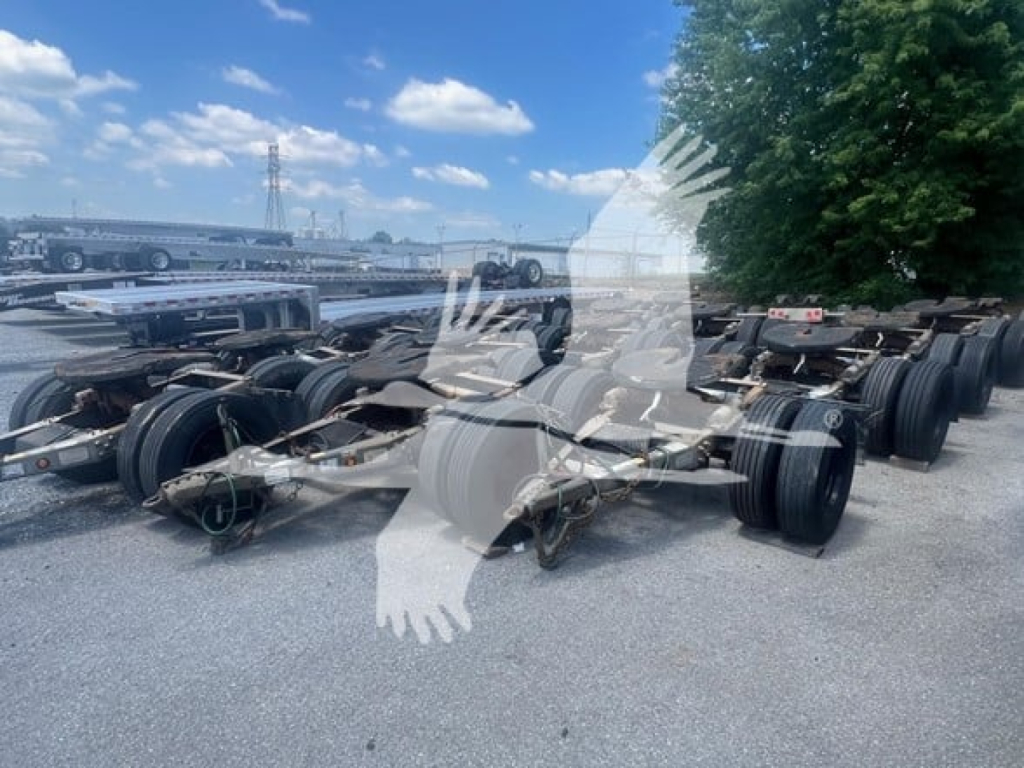
Have eagle rock dolly trailer to sell? List it here to reach thousands of buyers.
About Eagle Rock Dolly Trailers in Pennsylvania
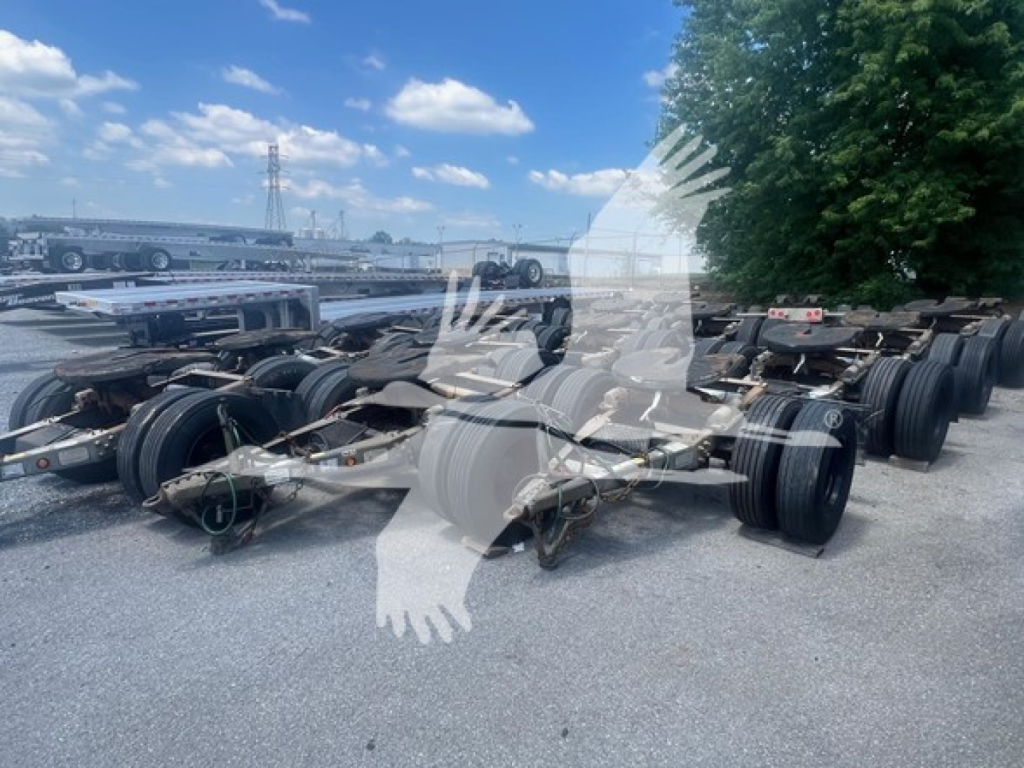
A dolly trailer, often called a converter dolly, carries the front end of the rear trailer and provides the fifth wheel connection, drawbar, lighting, and air system needed for safe doubles service. Buyers should pay close attention to fifth wheel condition, pintle eye or drawbar wear, brake percentage, tire remaining tread, and frame integrity around high-stress mounting points. On used dollies, air leaks, brake chamber condition, slack adjuster wear, and overall electrical reliability matter just as much as visible structural condition. A simple single-axle dolly can be a cost-effective piece of equipment, but only if it is tight in the coupling system and straight down the road.
Eagle Rock dollies are typically considered by fleets and owner-operators that need practical, straightforward equipment without unnecessary complexity. Spring ride remains common because it is familiar to maintain and generally less expensive to service than more specialized suspension setups. Steel wheels are also common in this segment for durability and replacement cost control. In Pennsylvania service, road conditions, seasonal corrosion, and stop-and-go terminal use make undercarriage inspection especially important. Look closely at brake hardware, air lines, wiring protection, and signs of rust around crossmembers, hubs, and attachment points.
The right dolly depends on the trailer combinations you plan to pull and the duty cycle it will see. Confirm compatibility with your trailer heights, air and electrical connections, kingpin and fifth wheel dimensions, and any fleet standards for tires or brake components. If the dolly will spend most of its life in regional LTL, terminal transfer, or turnpike-style doubles service, simplicity and parts commonality usually matter more than premium trim. A good Eagle Rock dolly should be easy to inspect, easy to service, and stable under load, with enough remaining life in the brakes, tires, and running gear to support dependable daily use.
Frequently Asked Questions
What is an Eagle Rock dolly trailer used for?
An Eagle Rock dolly trailer, usually referred to as a converter dolly, is used to connect and support the front end of a second trailer in a doubles combination. It adds a fifth wheel, axle, suspension, brakes, lighting, and air connections so the rear trailer can be towed safely behind the lead trailer.
What should I inspect first on a used dolly trailer?
Start with the coupling and running gear. Check the fifth wheel for wear and locking function, inspect the drawbar and pintle eye for elongation or cracking, and look at brake condition, tire tread, hubs, suspension components, and air system leaks. Frame condition is critical, especially around welds, mounting points, and other high-stress areas.
Is a single-axle dolly the most common setup?
Yes, single-axle dollies are common for many doubles applications because they are simpler, lighter, and easier to maintain than more specialized configurations. They are widely used in regional and linehaul operations where fleets want straightforward serviceability and predictable tracking characteristics.
Why does tire size and brake percentage matter on a dolly?
Tire size affects compatibility, ride height, parts availability, and replacement planning. Brake percentage gives a quick snapshot of remaining friction material, which directly affects stopping performance and near-term maintenance cost. On a used dolly, low brake life or uneven tire wear can signal added reconditioning expense after purchase.
Are spring ride dollies a good choice for Pennsylvania operations?
Spring ride dollies are a practical choice in Pennsylvania because they are common, durable, and generally easier to service with widely available parts. They handle regional freight work well, but buyers should inspect for corrosion, worn bushings, brake hardware wear, and any damage from rough roads or frequent terminal maneuvering.