
Rollback Trucks For Sale in New York
Shop rollback trucks for towing and vehicle transport. Compare deck length, winch setup, GVWR, chassis, and carrier build for New York use.
Learn moreNo exact matches found for your search
Showing Rollback Trucks instead.

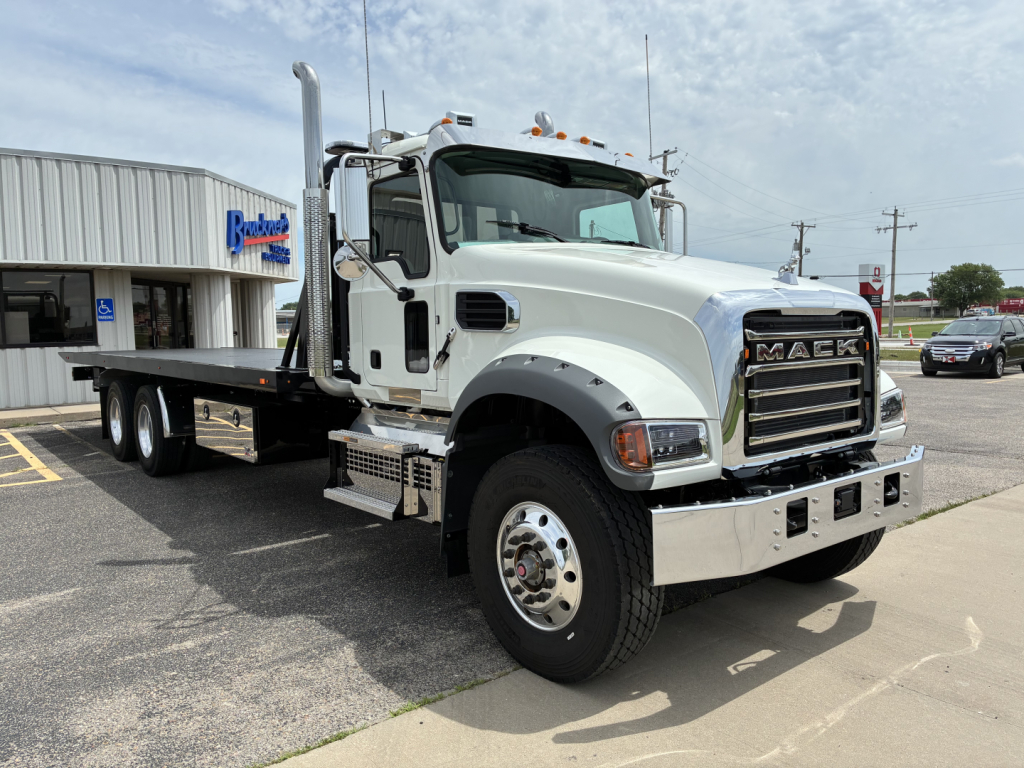
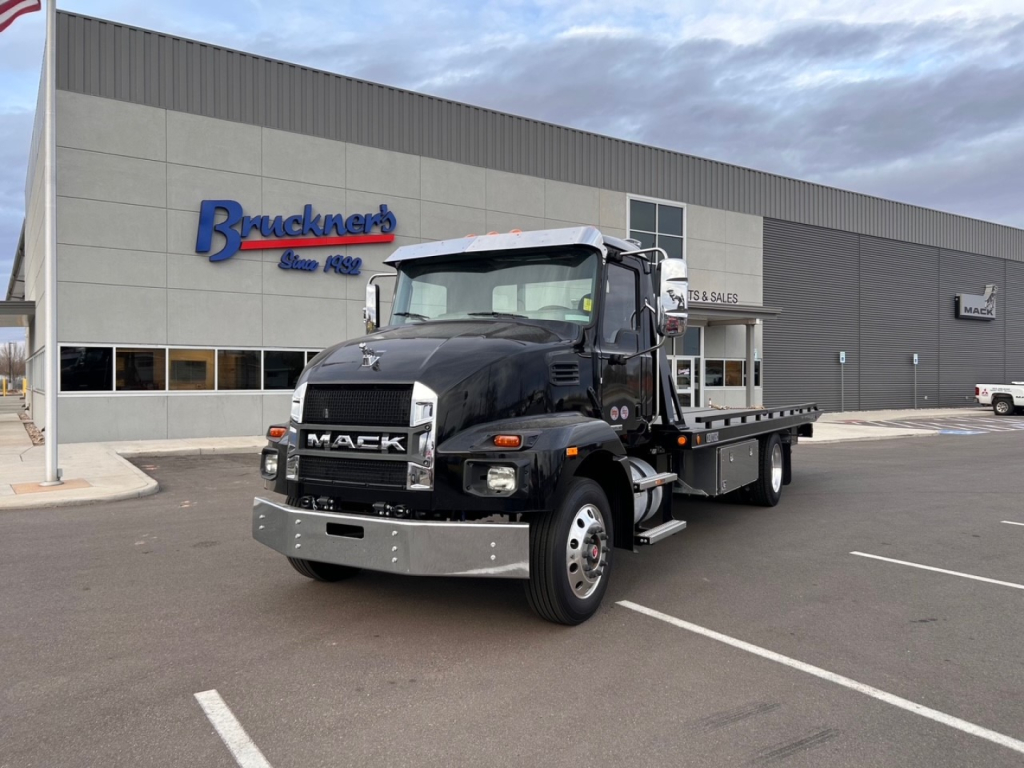
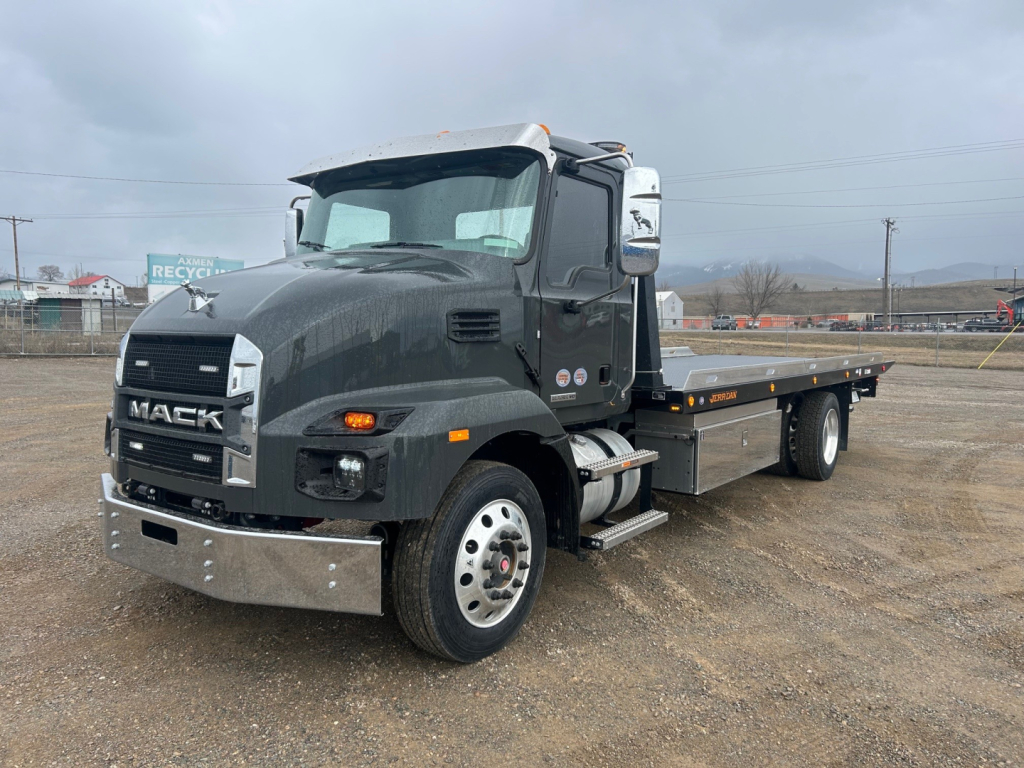
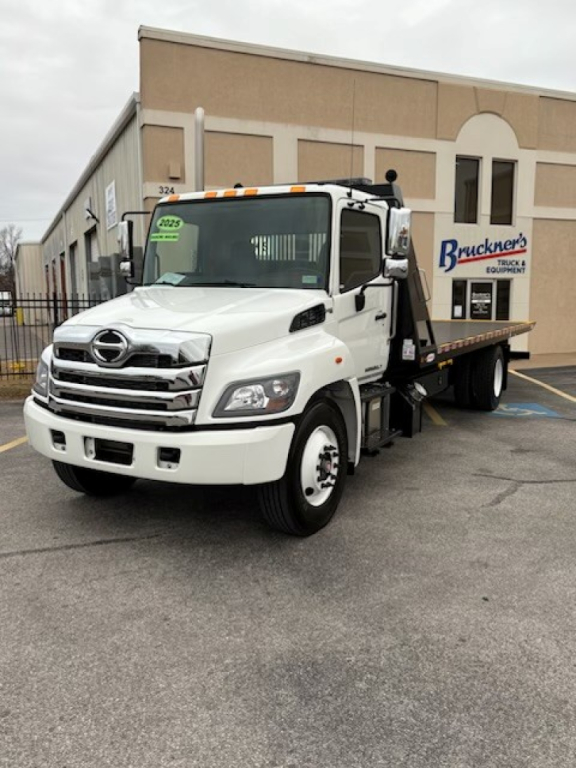
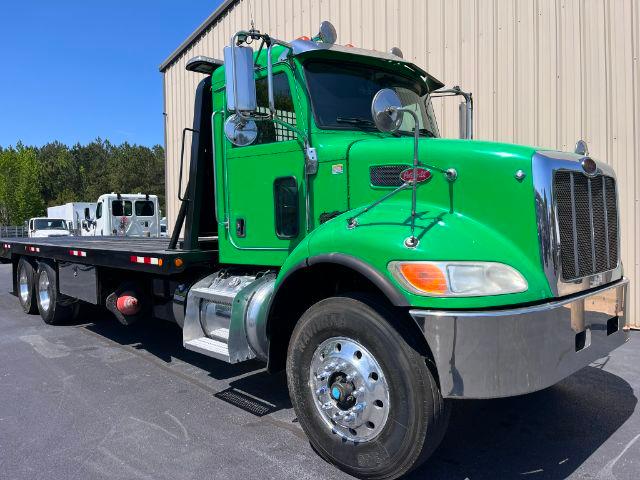
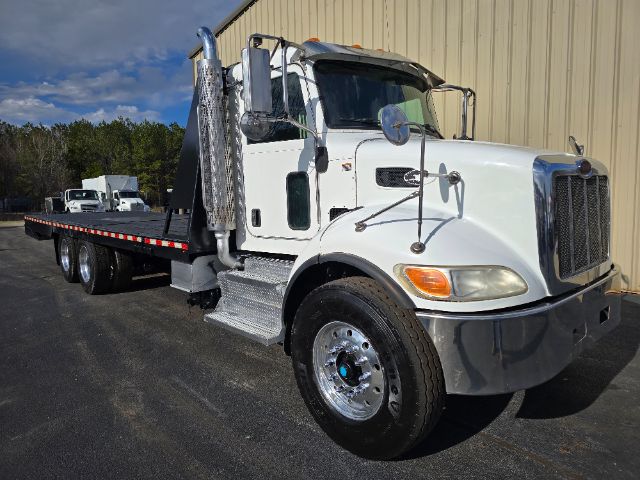
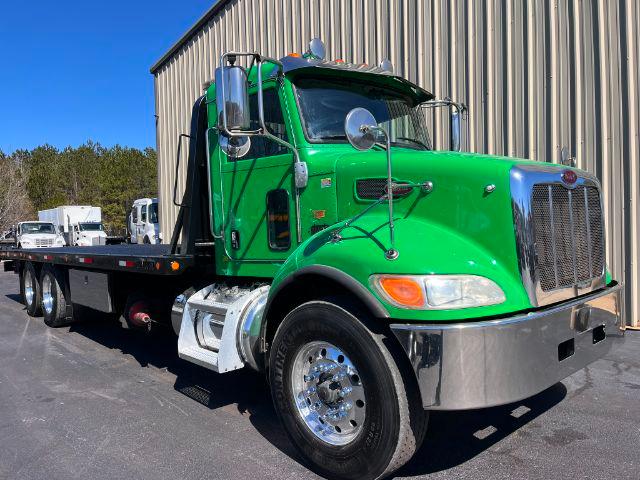
Showing 1 to 12 of 15 results
Have rollback truck to sell? List it here to reach thousands of buyers.
About Rollback Trucks in New York
A good rollback setup is defined by the carrier as much as the truck under it. Buyers should compare bed manufacturer, deck capacity, wheel-lift options, winch rating, tie-down package, hydraulic system design, and toolbox layout. Jerr-Dan, Miller Industries, Chevron, and similar carrier builders are common in this segment. Aluminum decks help maximize legal payload and resist rust, which matters in New York where winter road treatment can be hard on steel equipment. Steel beds can be a solid fit for operators prioritizing lower upfront cost and heavy-use durability. Approach angle, deck surface traction, side rails, work lighting, and remote control operation all affect day-to-day usability.
In towing and vehicle transport, rollback trucks are chosen because they reduce the risk of driveline damage and body damage compared with conventional towing methods. They are commonly used for disabled vehicles, dealer transfers, auction moves, equipment delivery, and transporting all-wheel-drive or low-slung cars that should ride on the deck. A single-axle rollback is the standard configuration, and many units are equipped with diesel engines, automatic transmissions, spring suspension, and rear axle ratios selected to balance launch performance with road speed. If the truck will spend time in urban traffic, wheelbase, turning radius, and cab visibility deserve close attention. If it will handle heavier pickups, vans, or small equipment, verify deck rating, winch capacity, and front axle weight margin rather than focusing only on advertised horsepower.
For buyers in New York, corrosion resistance, cold-weather hydraulic performance, and compliance are practical considerations. Inspect frame condition, crossmembers, deck cylinders, hose routing, PTO operation, and the condition of the winch cable or synthetic line. Check for functional tie-down points, rub rail condition, bed wear, and signs of uneven loading damage. Cab comfort also matters on a rollback truck because these units often spend long hours on dispatch, recovery calls, and local transport routes. Features like power windows, air conditioning, cruise control, and adjustable steering are not just convenience items in this class. They help reduce driver fatigue in high-stop, high-idle operations.
Frequently Asked Questions
What deck length is most common on a rollback truck?
Most rollback trucks in the light and medium-duty market use a deck around 19 to 22 feet long. That range covers most passenger vehicles, pickups, and small commercial units while keeping the truck practical in traffic and tight lots. The right length depends on wheelbase, intended cargo, and local operating conditions. Longer decks can improve flexibility for larger vehicles, but they also add weight and can reduce maneuverability.
Is an aluminum rollback deck better than a steel deck?
An aluminum deck usually offers lower tare weight and better corrosion resistance, which can be a major advantage in regions like New York where road salt is common. That lower empty weight can translate into more usable payload. A steel deck may cost less upfront and can be a strong choice for hard daily use, but it generally weighs more and requires closer attention to rust prevention and repair history. The better option depends on your payload needs, climate, and maintenance standards.
What should I check on a used rollback truck before buying?
Focus on the carrier and hydraulic system as closely as the chassis. Inspect deck rails, crossmembers, pivot points, tilt cylinders, hoses, PTO engagement, winch operation, tie-down hardware, wheel-lift if equipped, and the general condition of the bed surface. On the truck side, review engine hours if available, transmission behavior, brake condition, tire wear, frame rust, suspension components, and axle ratings. A rollback can look clean and still have expensive wear in the bed structure or hydraulic system, so functional testing is important.
Why are rollback trucks preferred for many towing jobs?
Rollback trucks load the vehicle fully onto the deck, which helps protect driveline components, bumpers, spoilers, and suspension compared with towing methods that leave one end on the ground. They are especially useful for all-wheel-drive vehicles, low-clearance cars, non-running units, and vehicles with damage that makes wheel-lift towing a poor choice. They are also widely used for dealer transport, auction runs, and equipment delivery because loading is controlled and secure.
What chassis and engine setups are common for rollback trucks?
Many rollback trucks are built on light or medium-duty diesel chassis with automatic transmissions and single rear axles. Class 4 to Class 6 platforms are common because they offer a practical balance of GVWR, payload, serviceability, and cab comfort. Buyers often compare diesel options, axle ratio, wheelbase, and suspension type based on the weight of the vehicles they plan to carry and the kind of routes they run. The best setup is the one that supports the carrier rating and keeps the truck legal on axle weights during normal use.