
1993 Parts For Sale
Shop 1993 truck parts including engines, cabs, body components, racks, and more. Compare fitment, condition, and compatibility by application.
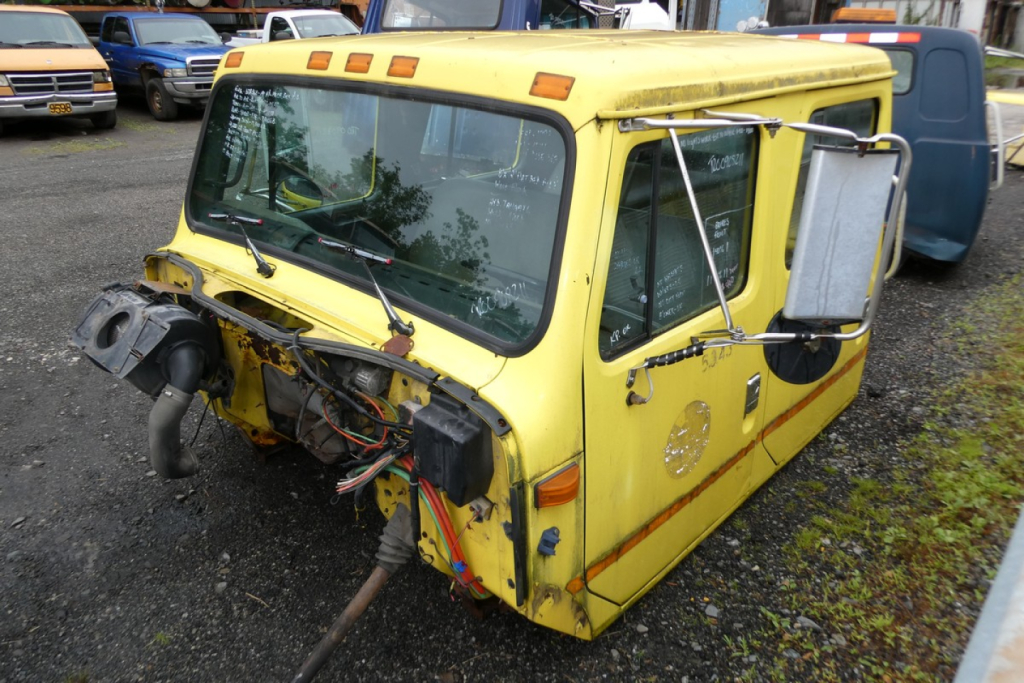
Selling a 1993 part? List your 1993 part for sale and reach thousands of commercial buyers.
1993 Parts
Condition matters more on 1993 parts than it does on late-model takeoffs because age affects seals, wiring, corrosion, and metal fatigue even when a component has low use. Used engines, cabs, dump bodies, headache racks, and other assemblies should be evaluated for cracks, rust-through, prior repairs, and completeness. With powertrain parts, buyers typically want casting numbers, CPL or serial information, test results if available, and a clear note on what accessories are included. With structural or body-related parts, measure mounting points, check for bent rails or leg damage, and confirm whether lights, doors, hoists, hinges, or hardware are part of the sale.
Compatibility is often the deciding factor because many 1993 trucks remain in service through repowers, suspension swaps, and vocational upfits. A 1993 parts search may include OEM takeoffs, aftermarket replacements, and components removed from newer donor units that can be adapted to older chassis. That is common with engines, seats, racks, tanks, and specialty bodies. Buyers should verify not just make and model, but also application. A highway tractor, dump truck, bus, and medium-duty delivery chassis can use very different versions of what appears to be the same component category.
For buyers comparing listings, the strongest value usually comes from complete, well-documented parts with clear interchange information. Good listings identify the donor vehicle, part category, condition, dimensions, and any known defects upfront. On 1993 truck parts, details like harness type, mechanical versus electronic controls, brake setup, and body mount style can save hours of rework after delivery. If the goal is to keep an older truck productive, the right part is the one that matches the truck’s exact configuration and reduces fabrication, downtime, and installation risk.
Frequently Asked Questions about 1993 Parts
What should I verify before buying a 1993 truck part?
Start with exact fitment data. For most 1993 truck parts, buyers should confirm the donor make, model, VIN details, engine model, transmission model, axle or suspension setup, and mounting dimensions. Older trucks often have running production changes, repowers, and aftermarket modifications, so visual similarity is not enough. Part numbers, casting numbers, serial tags, and measurements are the safest way to confirm compatibility.
Are 1993 truck parts still practical for working equipment?
Yes, if the part is correctly matched and its condition is well documented. Many 1993 trucks remain in agricultural, municipal, vocational, and light regional service where repair cost matters more than model-year age. The practical value depends on structural condition, completeness, and how much fabrication or rebuilding is required. A solid used component with known interchange can be more economical than trying to adapt the wrong newer part.
What matters most when buying a used 1993 engine or drivetrain component?
Buyers should look for identification data and inspection evidence first. Engine serial number, CPL, horsepower rating, test run information, oil pressure, blow-by, and included accessories are all important. For transmissions and differentials, confirm model number, ratios, input and output specs, and any damage to housings or mounting surfaces. On older powertrain parts, missing sensors, cut harnesses, or incorrect accessory drives can turn a low purchase price into a costly install.
Can newer truck parts fit a 1993 chassis?
Sometimes, but it depends on the component and the application. Some body equipment, racks, tanks, seats, and even certain engine or transmission assemblies can be adapted if dimensions, mounts, controls, and electrical requirements line up. The challenge is that a newer part may require fabrication, wiring changes, different brackets, or calibration work. Buyers should treat interchange and adaptation as separate issues and verify both before purchase.
How do I evaluate condition on older cab, body, or frame-related parts?
Inspect for rust-through, collision damage, cracked welds, bent mounting points, and prior repairs. On cabs, pay close attention to floor structure, hinge areas, firewall condition, and corrosion around mounts. On bodies and racks, check crossmembers, long sills, hinges, doors, and hardware for wear or distortion. Complete measurements and close photos are especially important on 1993 parts because age-related damage is not always obvious from a basic listing title.