
1988 Parts For Sale
Shop 1988 truck parts including cabs, transmissions, body components, and take-off assemblies for heavy-duty truck repairs and rebuilds.
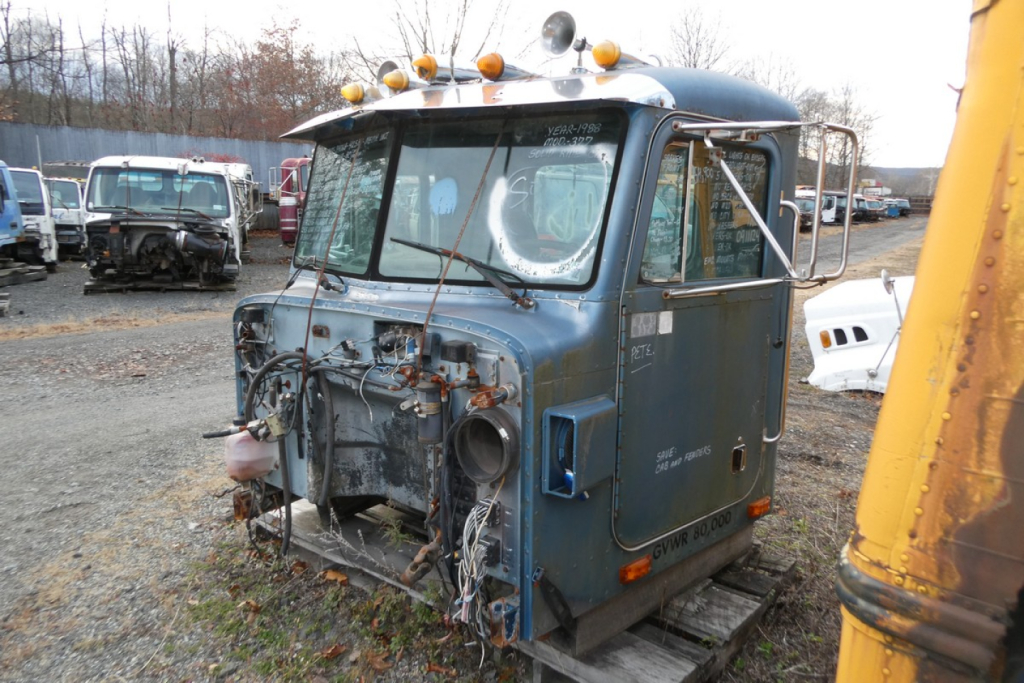
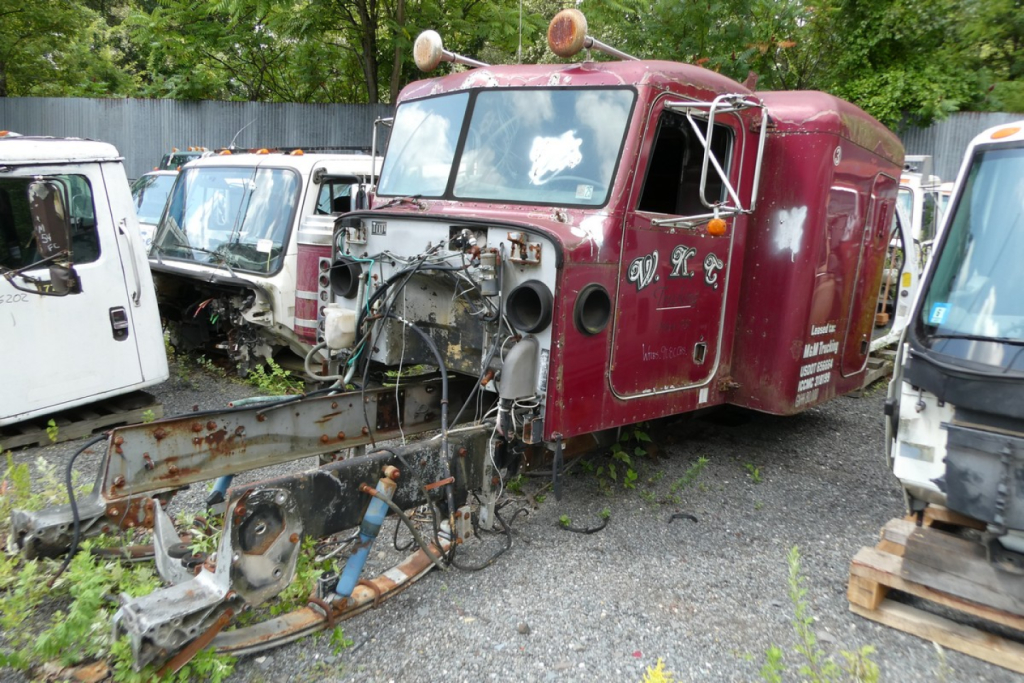
Selling a 1988 part? List your 1988 part for sale and reach thousands of commercial buyers.
1988 Parts
Fitment is the first decision point. On 1988 model-year trucks, parts interchange can vary by make, wheelbase, engine package, transmission model, and axle configuration. A cab from a Peterbilt 379, for example, is a very different buying decision than a Fuller manual transmission or a steel truck body. Buyers should confirm casting numbers, VIN compatibility, bell housing pattern, input and output specs, mount locations, and any PTO provisions before purchase. On body and vocational equipment, critical details include floor thickness, crossmember spacing, longsill construction, hoist compatibility, and rear frame dimensions.
Condition matters more on older parts than model year alone. A used 1988 truck part may still be a solid value if it is a good take-out, properly stored, and complete with the hardware or accessories needed for installation. For drivetrain components, check for visible case damage, endplay, oil condition, prior repairs, and whether the unit is sold tested, as-is, or with a core requirement. For cabs and body parts, buyers should pay close attention to rust in cab corners, floors, door bottoms, hinge points, roof seams, and mounting points. Complete assemblies often save labor, but only if the included components match the receiving chassis.
The 1988 parts market is especially important for operators maintaining older trucks instead of replacing them. These parts are commonly used in restorations, working truck rebuilds, wreck repairs, and donor-truck projects where OEM-style fit is more important than late-model electronics. Search terms can include 1988 semi truck parts, 1988 Peterbilt parts, 1988 Freightliner parts, used heavy-duty truck transmissions, replacement cabs, and truck body take-offs. Buyers who verify interchange data up front usually avoid the biggest cost on older equipment, which is downtime caused by a part that is close, but not correct.
Frequently Asked Questions about 1988 Parts
What kinds of 1988 truck parts are commonly available?
1988 truck parts often include cabs, manual transmissions, differentials, steering gears, hood and fender components, doors, interior pieces, suspension parts, fuel tanks, and vocational body components. Complete take-off assemblies are common because many older trucks are dismantled as donors. Availability depends heavily on make and model, with popular platforms from Peterbilt, Freightliner, International, Kenworth, and Mack generally offering better interchange support.
How do I confirm fitment on a 1988 truck part?
The best approach is to match the part number, casting number, serial tag, and original application details against the receiving truck. On mechanical components, buyers should verify transmission model, clutch housing pattern, spline count, ratio, yoke type, and PTO openings. On cabs and body parts, mount spacing, frame width, cab-to-axle dimensions, and electrical connector style are critical. VIN-based lookup helps, but older trucks often require a manual cross-check because many have been repowered, stretched, or modified over time.
Are used 1988 truck parts still practical for working trucks?
Yes, especially for older mechanical trucks that remain in vocational or regional service. A quality used or rebuilt part can be the most cost-effective way to keep an older chassis in operation when new OEM parts are discontinued or priced too high relative to the truck's value. The key is evaluating condition realistically and understanding whether the part is a tested take-out, a rebuildable core, or a complete ready-to-install assembly.
What should I inspect when buying a used cab or transmission from a 1988 truck?
For a cab, inspect rust, structural cracks, previous collision repair, hinge wear, floor integrity, and completeness of doors, dash, glass, and mounting points. For a transmission, confirm the exact model, inspect the case for cracks or repairs, check input and output shafts, look for signs of water contamination or burnt lubricant, and ask whether the unit was operational before removal. Older heavy-duty parts can still perform well, but installation costs make condition and completeness extremely important.
Why do buyers look specifically for 1988 parts instead of newer replacements?
Many buyers need 1988-specific parts because older trucks often use mount locations, mechanical linkages, transmission models, and body dimensions that do not match newer components without modification. In restoration work, original-style parts help preserve factory configuration and appearance. In commercial repair, the goal is usually faster return to service with minimal fabrication, wiring changes, or driveline rework.