
New Wabash Trailers For Sale
Shop new Wabash trailers including dry vans and flatbeds with air ride, slider suspensions, logistics posts, and durable freight-ready specs.
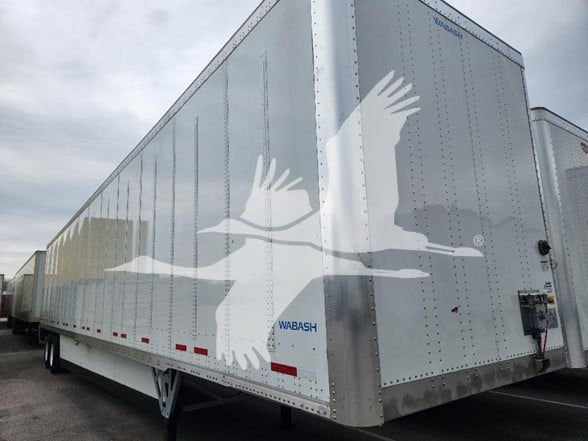
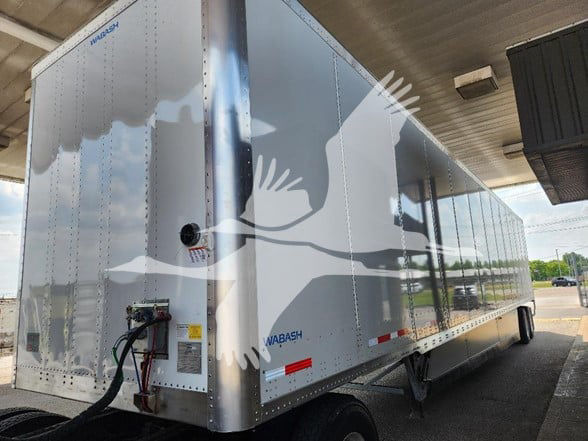
Have new wabash trailer to sell? List it here to reach thousands of buyers.
New Wabash Trailers
Dry van buyers usually focus first on suspension, rear frame durability, and trailer cube. A typical new Wabash van in this class will be a 53-foot by 102-inch tandem axle trailer with air ride suspension and a slider setup, often paired with auto pin pullers to speed up axle adjustment at the scale or dock. Options such as PSI tire inflation systems, side skirts, galvanized rear frames, galvanized landing gear braces, and low-pro 22.5 tires matter because they affect maintenance intervals, fuel economy, and long-term corrosion control. Logistics posts, swing doors, and wood floors are also practical spec points. They influence how easily the trailer handles mixed pallet freight, high-cycle dock work, and repeated forklift traffic.
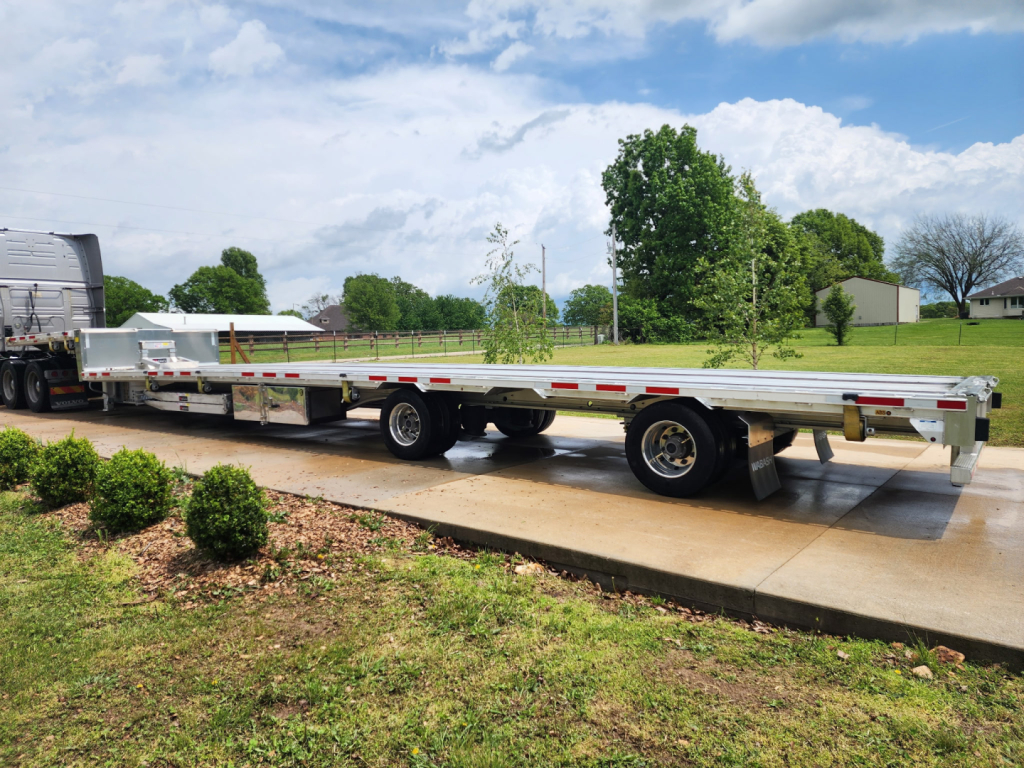
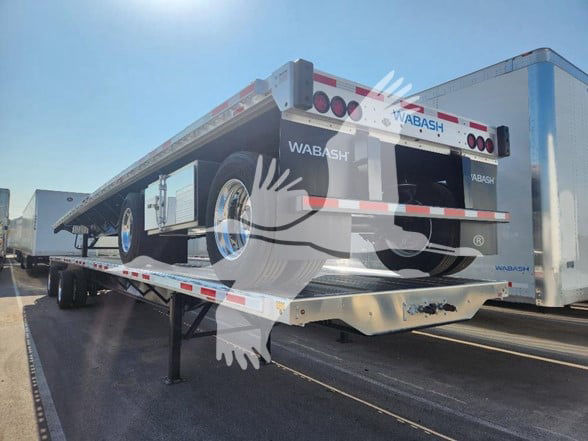
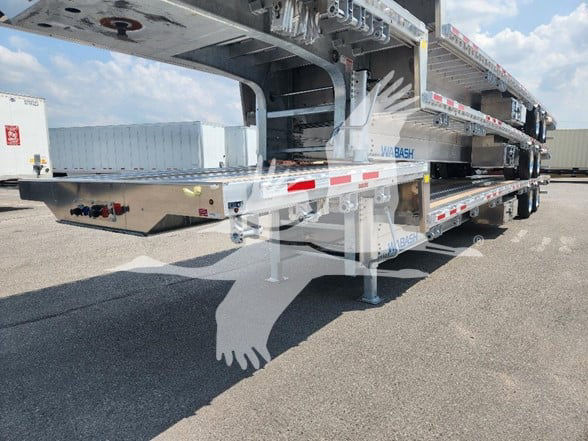
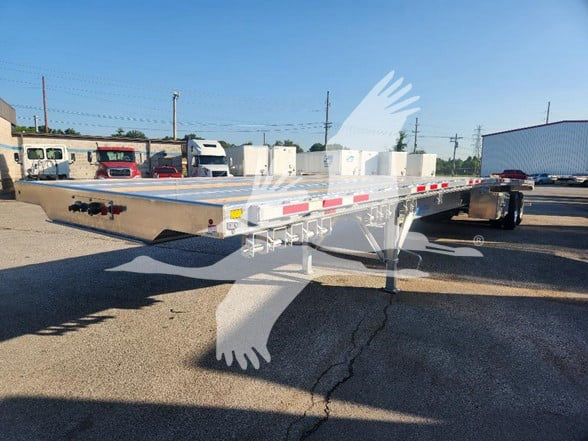
Flatbed buyers tend to compare Wabash steel and combo platforms based on payload target and operating region. A 48-foot steel air-slide flatbed gives up some tare weight but brings strong durability for concentrated loads and harder daily use. A 53-foot combo flatbed with aluminum floor, aluminum side rails, and aluminum front and rear members trims weight while keeping steel where structure matters, such as crossmember layouts. Common specs in this group include 102-inch width, tandem axles, Hendrickson Intraax air ride suspension, 49-inch spread sliders or 10-foot 1-inch air ride spreads with sliding rear axles, 30-inch kingpin settings, Jost two-speed landing gear, integrated winch tracks, sliding winches, pipe spools, stake pockets, and Apitong nail strips. Many buyers also watch beam ratings closely, especially when hauling steel, machinery, building products, or other dense freight.
The right new Wabash trailer depends on lane profile and loading method more than brand alone. A van spec built around side skirts, tire inflation, and corrosion-resistant components fits high-mileage highway freight and multi-year fleet cycles. A flatbed spec with the right floor, winch arrangement, tire package, and axle spread fits freight that changes by season and by state bridge law. If California legality, spread settings, forklift traffic, or securement speed matter in your operation, those details should be at the top of the comparison list. Wabash trailers are popular because the platform choices are familiar, serviceable, and easy to spec around real-world freight demands rather than brochure claims.
Frequently Asked Questions about New Wabash Trailers
What types of new Wabash trailers are most common?
The most common new Wabash trailers are 53-foot dry vans and 48-foot or 53-foot flatbeds. Dry vans are typically used for palletized freight, consumer goods, and general dock freight. Flatbeds are used for building materials, machinery, steel, and freight that requires side loading or overhead crane loading. Within flatbeds, buyers usually choose between all-steel models for durability and combo models for lower tare weight.
What is the difference between a Wabash steel flatbed and a Wabash combo flatbed?
A steel flatbed uses more steel in the main structure and generally favors durability under repeated heavy use and concentrated loads. A combo flatbed blends aluminum and steel to reduce empty weight while maintaining structural strength in key areas. The practical tradeoff is payload versus ruggedness. Buyers hauling weight-sensitive freight often prefer combo construction, while buyers in severe-duty applications may lean toward steel.
Why do buyers look for air ride and sliding axle setups on new Wabash trailers?
Air ride suspension helps protect freight, reduces trailer shock, and is widely preferred for both van and flatbed applications. Sliding axle configurations give the operator flexibility to adjust axle position for bridge laws, state compliance, and load distribution. On flatbeds, spread axle and sliding rear axle designs can also help with legal payload and maneuverability tradeoffs. On dry vans, tandem sliders remain a standard feature for scaling and dock access.
What dry van specs matter most on a new Wabash trailer?
The most important dry van specs usually include trailer length and width, wall construction, roof material, floor type, logistics post spacing, suspension, tire size, and corrosion-resistant components. Features such as composite swing doors, galvanized rear frames, galvanized landing gear braces, side skirts, and tire inflation systems can lower maintenance costs and improve uptime. Buyers should also match the floor and logistics package to the type of freight and forklift traffic the trailer will see.
What flatbed specs should buyers compare first on a new Wabash trailer?
Start with length, construction type, suspension, axle layout, and tare weight. Then compare deck material, nail strips, crossmember spacing, kingpin setting, beam rating, winch track design, number of sliding winches, pipe spools, and stake pocket layout. These specs directly affect payload, securement speed, forklift compatibility, and legal operation across different states. For many operations, the axle spread and securement package are just as important as the trailer’s empty weight.