
New Trailers For Sale in Washington
Browse new trailers for sale in Washington, including dump, flatbed, dry van, reefer, lowboy, and specialty trailers for regional fleets.
Learn more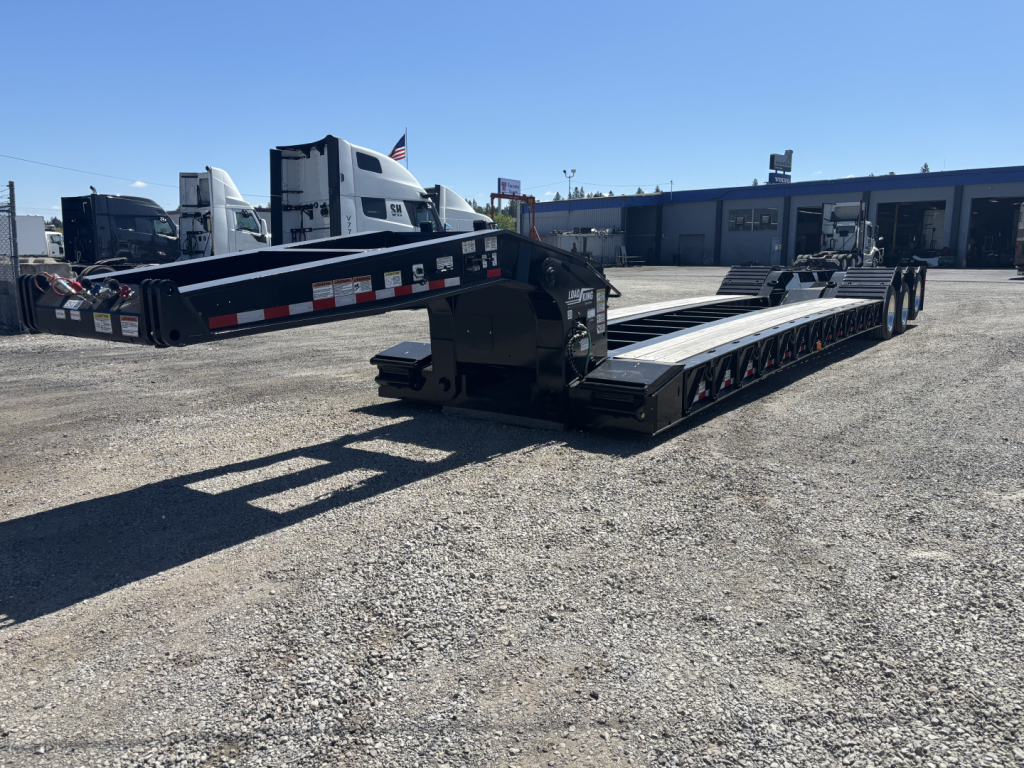
Have new trailer to sell? List it here to reach thousands of buyers.
About New Trailers in Washington
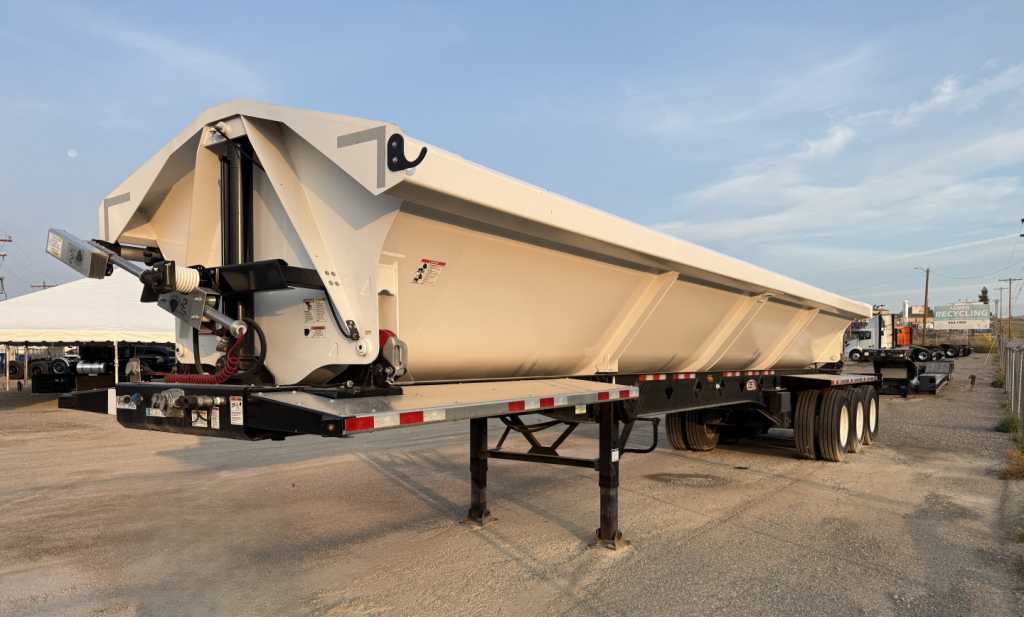
For dump trailers, which are well represented in heavy construction and aggregate work, the main buying decisions are tub length, cubic yard capacity, axle rating, and hydraulic requirements. A typical new frameless or frame-type dump trailer may be spec'd with tandem or tri-axle layouts, air ride or spring suspension, drum or disc brakes, and steel or aluminum construction. Steel tubs are common where impact resistance matters, especially for rock, demo, and dense material, while aluminum helps reduce tare weight for higher payloads. Details like kingpin setting, electric or manual tarp systems, push blocks, liner options, fenders, and lift axles can make a meaningful difference in day-to-day operation and legal payload flexibility.
Across trailer categories, buyers should pay close attention to GVWR, axle spread, wheel and tire package, landing gear, lighting, and connector setup. In Washington, route conditions can favor durable suspension components, sealed wiring, and coatings that stand up to rain, road grime, and seasonal corrosion exposure. For highway freight, aerodynamic packages, tire inflation systems, and lighter-weight specs can improve operating cost. For vocational and off-pavement use, reinforced crossmembers, heavy-duty hoists, high-abuse floors, and reliable tarp and gate systems usually matter more than tare weight alone.
New trailers also give buyers the advantage of current safety and compliance features, cleaner maintenance histories, and the ability to compare spec packages side by side. When reviewing listings, it helps to look beyond brand and price and focus on how the trailer is built for the work: body dimensions, material thickness, axle capacity, suspension design, brake type, and PTO or hydraulic compatibility where required. A trailer that is correctly spec'd for the freight, tractor, and operating region will usually deliver better uptime, tire life, and payload efficiency over the long haul.
Frequently Asked Questions
What should I look for when buying a new trailer in Washington?
Start with the application, then work backward into the trailer specs. Buyers in Washington often need trailers that handle wet weather, mixed highway and jobsite use, and regional weight considerations. Key items to review include axle count, suspension type, brake setup, body or deck material, kingpin setting, tire size, and any hydraulic or PTO requirements. Corrosion protection, wiring quality, tarp systems, and lift axle configuration are also important when the trailer will see year-round service in the Pacific Northwest.
Is a steel or aluminum trailer better for my operation?
Steel trailers are generally preferred for severe-duty work because they offer strong impact resistance and hold up well in demolition, aggregate, scrap, and rough loading environments. Aluminum trailers reduce tare weight, which can improve legal payload and fuel efficiency in weight-sensitive applications. The better choice depends on what you haul, how often you load abrasive or heavy material, and whether durability or weight savings has the bigger effect on your revenue per load.
Why does axle configuration matter on a new trailer?
Axle configuration affects legal payload, maneuverability, tire wear, and how the trailer performs on the road and at the jobsite. Tandem axles are common for general freight and many standard applications, while tri-axle and spread-axle setups can help distribute weight and increase capacity in certain operations. Lift axles can add flexibility by reducing tire scrub and improving fuel economy when running empty or lightly loaded. Buyers should compare axle ratings, spacing, and suspension design against their route and payload requirements.
What hydraulic specifications matter on a dump trailer?
Hydraulic compatibility is critical on a dump trailer because the tractor and trailer have to work as a system. Buyers should verify required operating pressure and flow, the wet kit setup, hose and valve configuration, and whether the trailer uses the style of hoist and control arrangement that matches the truck. If the hydraulic system is undersized or mismatched, cycle times can suffer and the trailer may not perform properly under load. This is especially important on larger steel dump trailers with higher cubic yard capacities.
Are new trailers worth the higher upfront cost compared with used trailers?
A new trailer usually costs more upfront, but it can offer lower early-life maintenance, full remaining component life, and current safety and compliance equipment. It also gives buyers a clean baseline on wear items such as brakes, bushings, suspension parts, tarp systems, and tires. For fleets that depend on uptime, predictable service intervals, and a known spec package, a new trailer can be easier to put into service and manage over the first years of ownership.