
New Trailers For Sale in Missouri
New trailers for sale in Missouri, including dump and scrap trailers with current specs, axle setups, suspension options, and material choices.
Learn more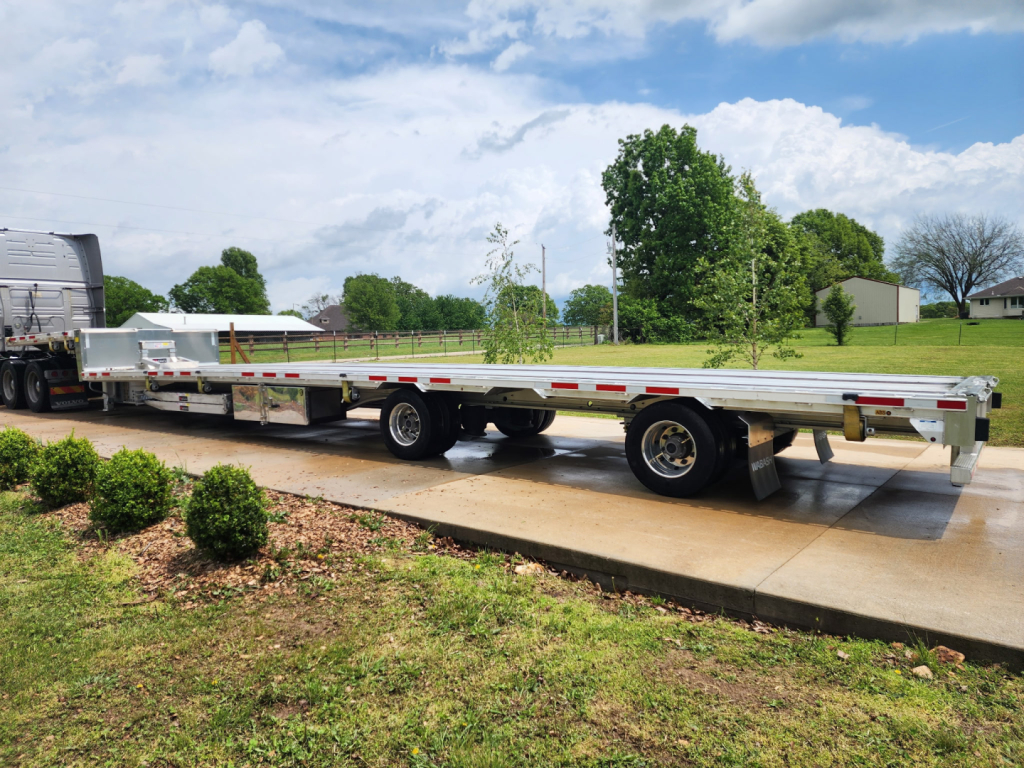
Have new trailer to sell? List it here to reach thousands of buyers.
About New Trailers in Missouri
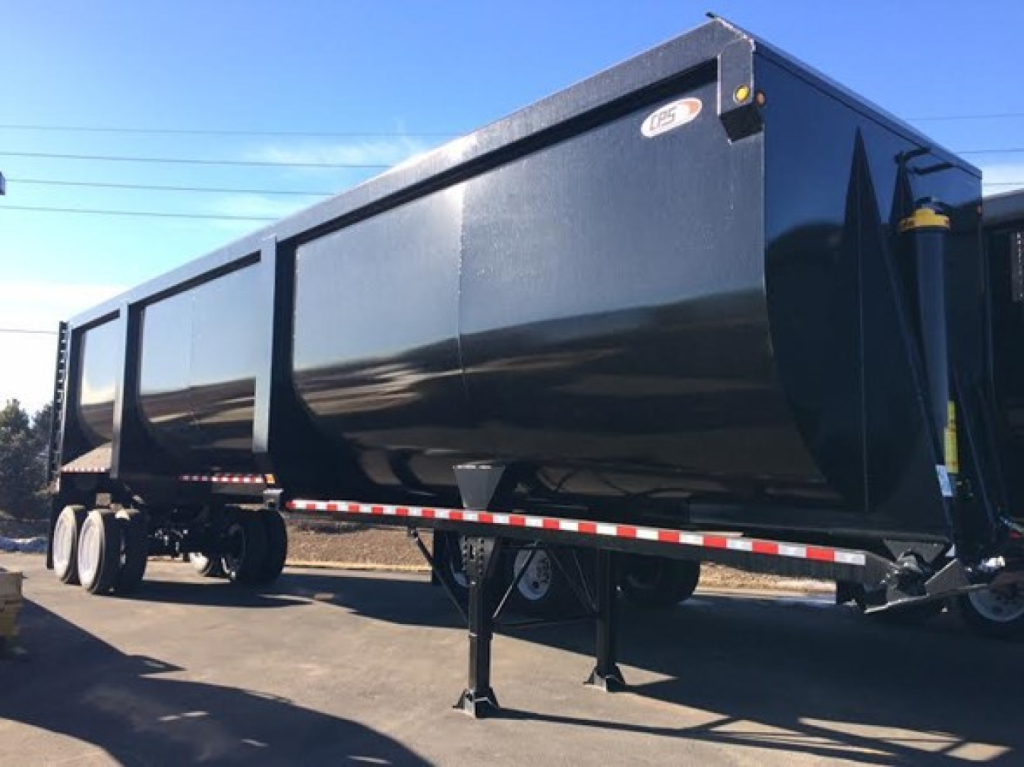
For dump and scrap applications, common decisions include frameless versus framed construction, half-round versus square or quarter-frame bodies, side height, cubic yard capacity, and rear gate design. A high-cube steel end dump, also known as a dump trailer, is often set up for scrap, C&D, and light demolition material where volume matters as much as payload. AR steel tubs, barn door or side-hinged gates, ladders, fenders, single-point suspension, and tandem axle layouts are all typical features in this segment. Tire size, wheel type, tarp system, and landing gear are not minor details. They affect uptime, empty weight, serviceability, and how well the trailer fits the routes and materials you haul every day.
New trailers appeal to buyers who want current brake and lighting systems, fresh suspension components, unworn floors, and clean maintenance baselines from day one. That matters on trailers expected to cycle hard in quarry work, scrap movement, local construction, or regional hauling. Missouri buyers should also pay attention to bridge formula planning, kingpin setting, axle spread, and how the trailer matches the intended tractor wheelbase and fifth wheel position. A trailer that is properly matched to the tractor will track better, scale more predictably, and reduce tire scrub and suspension stress.
The best way to compare new trailers is to look past paint and focus on structure, payload intent, and long-term service costs. Check body material thickness, crossmember design if applicable, liner or scuff protection, hoist compatibility, gate hardware, wiring protection, and parts support for the suspension and brake package. For severe-duty use, a simpler spec with proven components often outperforms a trailer loaded with features that add complexity without improving production. Buyers who define material type, target payload, route conditions, and unload environment up front usually end up with a trailer that works harder and stays in service longer.
Frequently Asked Questions
What should I look for first when buying a new trailer in Missouri?
Start with the application, not the brand badge. Material type, payload target, route conditions, and unloading method should determine the trailer style, body material, axle setup, suspension, and gate configuration. Missouri operations often mix highway miles with uneven yard or jobsite conditions, so buyers should pay close attention to overall length, axle placement, tire size, and how the trailer will scale with the tractor assigned to it.
What is the difference between a frameless dump trailer and a framed dump trailer?
A frameless dump trailer uses the body structure as a major part of the trailer strength, which typically reduces tare weight and can improve payload. A framed trailer adds a dedicated frame under the body, which can be advantageous in certain severe-duty or uneven terrain applications depending on the design. Frameless end dumps are common in aggregate, scrap, and demolition service, but the better choice depends on load type, floor impact, and the conditions where the trailer is loaded and dumped.
Why do side height and cubic yard capacity matter on scrap and demolition trailers?
Side height and cubic yard rating determine how efficiently the trailer handles bulky, lower-density material. High sides and large cubic capacity help maximize volume on scrap, C&D, and demolition debris, but buyers still need to consider legal weight, center of gravity, and dump stability. A trailer can cube out before it weighs out, or it can hit weight limits well before the body is full, depending on the material being hauled.
Are steel trailers better than aluminum trailers?
Steel trailers are generally favored for impact resistance and severe-duty applications such as scrap, demolition, and rock. Aluminum trailers are often selected when lighter empty weight, corrosion resistance, and higher legal payload are priorities. The right material depends on what you haul, how often the body takes impact or abrasion, and whether reduced tare weight offsets the different repair profile and purchase cost.
How important are suspension, tires, and wheel specs on a new trailer?
They are critical because they directly affect ride quality, maintenance intervals, tire wear, and operating cost. Single-point and other heavy-duty suspension designs are common on dump and scrap trailers because they are built for repeated loading cycles and rougher surfaces. Tire size, wheel construction, and axle rating also influence service access, parts availability, and how well the trailer handles concentrated loads over time.