
New Trailers For Sale in Minnesota
Browse new trailers for sale in Minnesota, including dry vans and reefers with modern specs, air ride suspensions, sliding tandems, and disc brakes.
Learn more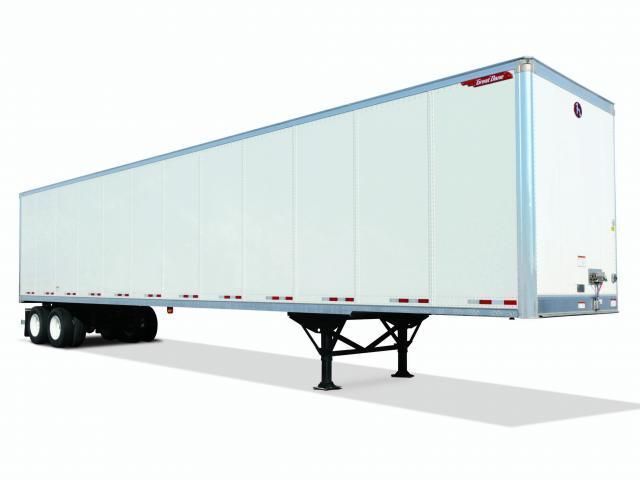
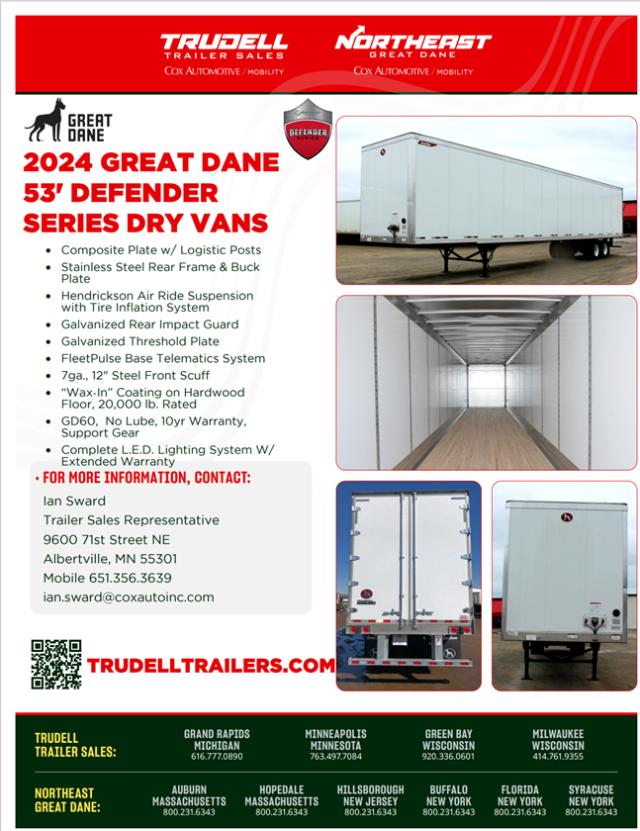
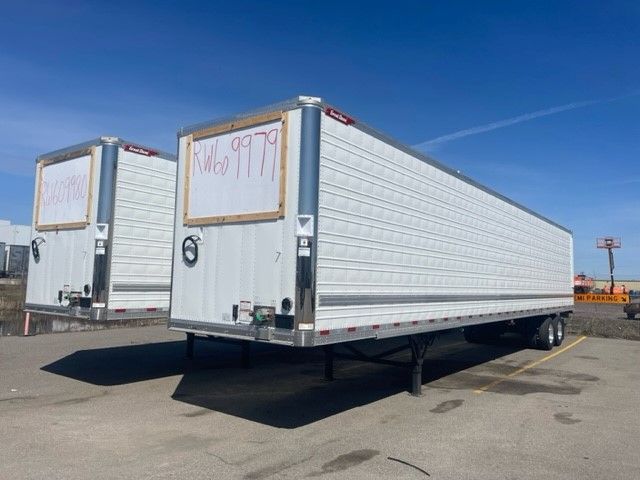
Have new trailer to sell? List it here to reach thousands of buyers.
About New Trailers in Minnesota
Spec details drive long-term operating cost. Common new trailer configurations include tandem axles, sliding tandems, air ride suspension, 22.5 low-profile tires, and 36-inch kingpin settings that work well across a broad mix of fleet applications. On dry vans, buyers often compare composite plate construction versus other sidewall designs, along with hardwood or laminated floor ratings, swing door layouts, and steel versus aluminum wheel packages. On reefers, details such as aluminum floors, extended interior scuff liners, stainless rear door hardware, aerodynamic roof fairings, tire inflation systems, and roll-stability packages can make a meaningful difference in maintenance, trailer weight, and uptime.
Minnesota buyers should pay close attention to brake spec, corrosion resistance, and winter durability. Disc brakes are increasingly attractive on new trailers because they improve stopping performance, reduce brake fade, and can simplify service intervals in high-mileage operations. Sealed LED lighting, durable door seals, quality mud flap and lift pad setups, and corrosion-resistant fasteners all matter when trailers see road salt, freeze-thaw cycles, and heavy dock use. Reefer buyers should also look closely at insulation package, floor design for airflow, and the compatibility of the trailer body with the refrigeration unit and telematics package they plan to run.
A new trailer purchase is usually about standardizing freight capacity, minimizing downtime, and matching the trailer to the lanes it will actually run. A fleet hauling dry consumer goods may prioritize payload, floor life, and low-maintenance sidewalls. A foodservice or cold-chain operation may focus on interior protection, temperature integrity, and brake and tire systems that support tighter delivery windows. The best comparison points across listings are body composition, suspension brand and type, axle slide range, brake package, wheel and tire spec, door configuration, and any factory-installed efficiency or safety options.
Frequently Asked Questions
What are the most common new trailer types for sale in Minnesota?
The most common new trailer types in Minnesota are 53-foot dry van trailers and 53-foot refrigerated trailers, also called reefers. Dry vans are used for general freight, retail goods, paper products, and palletized cargo that does not require temperature control. Reefers are built for cold-chain freight and include insulated bodies designed to maintain product temperature in both hot and extreme cold weather.
Is a dry van or reefer the better choice for my operation?
A dry van is usually the better fit for general freight because it has lower purchase cost, lower maintenance complexity, and strong versatility for dock freight. A reefer is the right choice when the cargo requires temperature control or added insulation protection. Buyers in Minnesota often value reefers not only for cooling but also for cargo stability during winter conditions, especially on food-grade and sensitive loads.
What specs matter most when comparing new trailers?
The most important specs usually include length, width, axle configuration, kingpin setting, suspension type, brake package, floor construction, rear door style, and wheel and tire setup. On dry vans, sidewall composition and floor rating are major factors. On reefers, buyers should also evaluate insulation, interior scuff protection, floor airflow design, and any added systems such as tire inflation, roll-stability, or aerodynamic packages.
Are disc brakes worth it on a new trailer?
Disc brakes are often worth the extra cost for fleets focused on braking consistency, safety, and serviceability. They typically deliver stronger stopping performance, better heat management, and more predictable wear than drum brakes. For high-mileage operations or routes that involve frequent stops, winter driving, or heavy gross weights, disc brakes can be a strong long-term value.
Why is a sliding tandem important on a 53-foot trailer?
A sliding tandem gives the trailer more flexibility for bridge law compliance, axle weight distribution, and dock positioning. It helps carriers adapt to different state requirements, customer facilities, and freight patterns without being locked into a fixed axle position. For many over-the-road and regional applications, a sliding tandem is considered a core spec because it improves load planning and operational versatility.