
New Fontaine Flatbed Trailers For Sale in Wisconsin
New Fontaine flatbed trailers for sale in Wisconsin, including aluminum, combo, and extendable models built for payload, securement, and durability.
Learn more
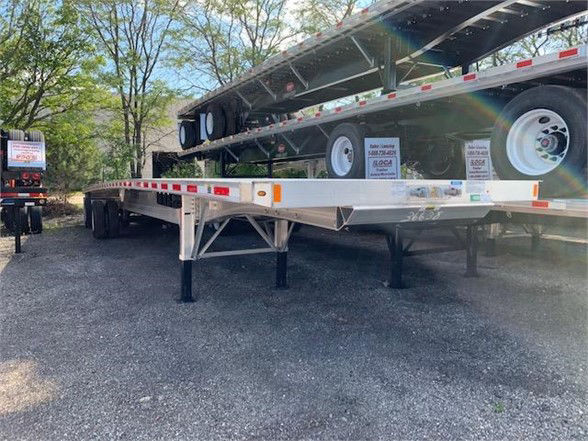
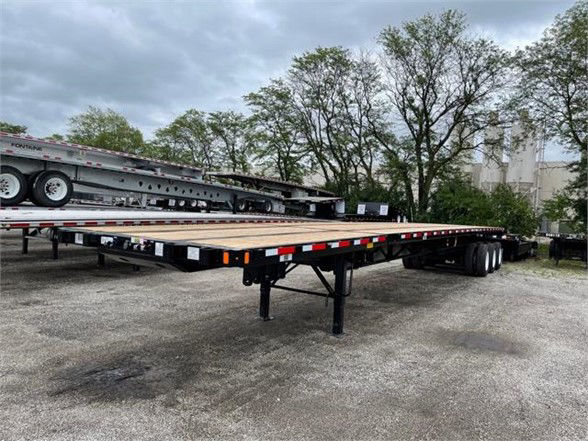
Have new fontaine flatbed trailer to sell? List it here to reach thousands of buyers.
About New Fontaine Flatbed Trailers in Wisconsin
A big decision in this category is trailer weight versus duty cycle. Fontaine aluminum flatbeds, including lightweight designs with aluminum floors and routed aluminum side rails, are built to maximize legal payload while still handling demanding freight. Combo flatbeds use steel crossmembers with aluminum components to give buyers a middle ground between tare weight and abuse tolerance. Buyers hauling coils, lumber, building products, pipe, or palletized freight should pay attention to frame ratings, concentrated load capacity, crossmember spacing, coil package specs, and the number and style of chain ties or sliding winches. Features such as recessed pop-up chain ties, double L winch tracks, nail strips, and protected LED lighting matter because they affect daily loading speed, securement options, and maintenance costs.
Suspension and axle configuration are just as important as deck construction. Many new Fontaine flatbeds are spec'd with air ride suspension, spread axles or sliding tandems, and axle dump systems to help with bridge law compliance, ride quality, and maneuverability. Kingpin setting, axle spread, and rear slider design can change how well the trailer fits your freight lanes and state weight requirements. In Wisconsin and the upper Midwest, buyers often favor specs that hold up to year-round exposure, including road salt, freeze-thaw cycles, and rough loading conditions. Grease or oil hub preference, wheel material, landing gear bracing, and sealed electrical systems all play into uptime over the life of the trailer.
Fontaine is also well known in the flatbed market for purpose-built models that cover very different applications under the same brand. A lightweight all-aluminum platform trailer is aimed at maximizing freight revenue on legal-weight loads, while an all-steel or heavy-duty extendable trailer is better suited for concentrated loads and overlength work. The best way to compare new Fontaine flatbed trailers is to match the trailer's tare weight, deck length, securement package, and suspension spec to the freight you haul most often, not the occasional load. A trailer that is slightly heavier but better equipped for coils or jobsite loading can outperform a lighter general-purpose deck if your freight mix is demanding.
Frequently Asked Questions
What is the difference between an all-aluminum Fontaine flatbed and a combo flatbed?
An all-aluminum Fontaine flatbed is designed primarily to reduce tare weight and increase payload capacity, which matters for legal-weight freight and high-volume lanes. A combo flatbed uses a mix of steel and aluminum, often with steel crossmembers and aluminum deck components, to provide more resistance to repeated forklift traffic, concentrated loading, and harsher duty cycles. The right choice depends on how often the trailer will see heavy point loads, coil work, rough yards, or freight where every pound of payload counts.
What freight can a Fontaine flatbed trailer typically haul?
Fontaine flatbed trailers are commonly used for steel, lumber, building materials, machinery, pipe, palletized products, and other open-deck freight. Trailers spec'd with coil packages, pop-up chain ties, winch tracks, and high concentrated-load ratings are better suited for steel and dense freight. Lightweight aluminum models are often preferred for general commodity hauling where payload and corrosion resistance are priorities. Extendable models are used when cargo length exceeds a standard 48-foot or 53-foot deck.
Why do axle spread and sliding tandem options matter on a flatbed trailer?
Axle configuration affects bridge law compliance, turning radius, tire scrub, and how easily the trailer can be positioned for different freight. A spread axle flatbed can improve weight distribution and is popular in many open-deck applications, but it may be less maneuverable in tight spaces. A sliding tandem offers flexibility for load placement and state-to-state weight compliance. Buyers should compare axle layout against the freight they haul, the routes they run, and the jobsite conditions they encounter.
What should buyers look for in flatbed securement equipment?
Securement equipment should match both the freight type and the loading method. Common items include sliding winch tracks, sliding winches, chain tie-down points, stake pockets, rub rails, coil package reinforcements, and nail strips in the deck. Recessed or protected securement components can reduce damage and improve usability over time. Buyers hauling mixed freight generally benefit from a versatile securement package that supports chains, straps, and different tie-down positions without constant adjustment.
Are extendable Fontaine flatbed trailers a good choice for general freight?
An extendable Fontaine flatbed is usually best when overlength freight is a regular part of the operation, not just an occasional requirement. These trailers provide flexibility for long steel, construction materials, and specialized loads, but they are typically heavier and more specialized than a fixed-length flatbed. For buyers focused on standard legal loads, a fixed 48-foot or 53-foot trailer is often simpler and lighter. For operations that routinely handle long cargo, the extra reach and stop-position flexibility of an extendable trailer can justify the added weight and complexity.