
New Fontaine Curtainside Trailers For Sale in Illinois
New Fontaine curtainside trailers for sale in Illinois. Compare tarp system designs, deck specs, cargo access, and securement options.
Learn more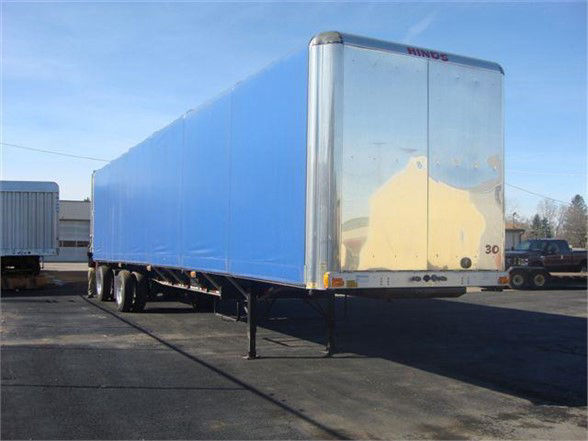
Have new fontaine curtainside trailer to sell? List it here to reach thousands of buyers.
About New Fontaine Curtainside Trailers in Illinois
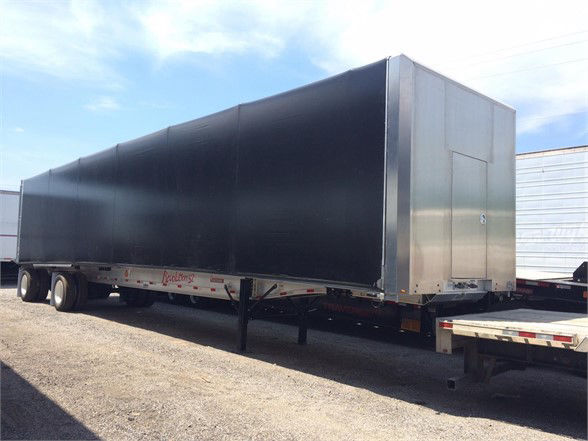
The main buying decision is usually the trailer-platform and tarp-system combination. Fontaine is well known for aluminum flatbed designs, so buyers should look closely at deck length, main beam construction, crossmember spacing, floor type, and overall weight before focusing on the curtain or rolling cover itself. A 48-foot all-aluminum platform is common in this segment because it balances payload potential with broad freight compatibility. On the cover side, compare how the system rolls or retracts, how much side opening it provides, bow spacing, ground-level operability, rear curtain design, and how easily the frame can be repaired after damage. A true rolling tarp system is not the same as a fixed-body curtainsider, and that difference matters for loading style, maintenance, and legal securement procedures.
In Illinois and across the Midwest, curtainside and Conestoga-style trailers are often chosen for steel, packaged freight, industrial products, and weather-sensitive loads moving through mixed dock and jobsite environments. Buyers should pay attention to suspension spec, axle ratings, tire and wheel package, winch track layout, sliding winches, strap storage, coil package options, and how the tarp frame affects usable deck width and load height. If the trailer will see dense urban deliveries, repeated side loading, or rough yard conditions, durability of the curtain hardware, track alignment, roller assemblies, and latch points becomes just as important as tare weight.
New equipment also gives the advantage of ordering around the freight instead of adapting freight to the trailer. That means matching rear opening clearance, side access, load height capability, and securement configuration to the lanes you actually run. Buyers comparing new Fontaine curtainside trailers should think beyond the tarp and evaluate payload, loading speed, serviceability, and how the system integrates with normal flatbed securement practices. The best setup is the one that protects cargo, opens quickly, seals reliably, and still works like a productive open-deck trailer when the load demands it.
Frequently Asked Questions
What is the difference between a curtainside trailer and a Conestoga-style trailer?
A curtainside trailer typically refers to a trailer with side curtains that open for loading while the trailer body structure remains in place. A Conestoga-style trailer is usually an open-deck flatbed with a rolling tarp frame that retracts to expose the deck. Buyers often group both into the same search because both provide weather protection and side access, but they differ in frame design, loading clearance, repair methods, and how they function during securement.
What freight is a Fontaine curtainside trailer best suited for?
This type of trailer is commonly used for palletized freight, building materials, manufactured goods, machinery, bagged products, and other cargo that benefits from weather protection and frequent side loading. It is especially useful when shippers want the versatility of a flatbed with less manual tarping. The exact freight fit depends on deck strength, legal payload, curtain opening dimensions, and any specialized securement package installed on the trailer.
What specs matter most when buying a new curtainside trailer?
The most important specs are trailer length, chassis material, tare weight, axle and suspension ratings, floor and crossmember construction, and the design of the tarp or curtain system. Buyers should also verify side opening width, rear opening height, curtain or bow durability, winch and strap setup, and how much usable deck space remains under the system. A trailer that looks similar on paper can perform very differently once loading speed, maintenance access, and payload are considered.
Are rolling tarp systems easier to maintain than traditional flatbed tarps?
They can reduce daily labor because the tarp stays mounted to the trailer and opens in a controlled way, which helps with loading speed and weather protection. Maintenance shifts from handling loose tarps to inspecting tracks, rollers, bows, hardware, tensioning components, and curtain material. The better systems are designed with replaceable wear components and modular parts, which is important for fleets that expect heavy use and want to limit downtime after minor damage.
Why are all-aluminum Fontaine platforms popular in this category?
All-aluminum construction is popular because it helps keep tare weight down while still providing a strong open-deck platform for general freight. Lower empty weight can increase payload flexibility, which matters when a tarp system adds structure above the deck. Buyers still need to match the aluminum platform to the application, especially if the trailer will carry concentrated loads, steel products, or frequent forklift traffic that places extra demands on floor and crossmember design.