
New Dura Haul Drop Deck Trailers For Sale in Colorado
Shop new Dura Haul drop deck trailers in Colorado. Compare steel construction, deck lengths, axle setups, beavertail options, and tie-down specs.
Learn more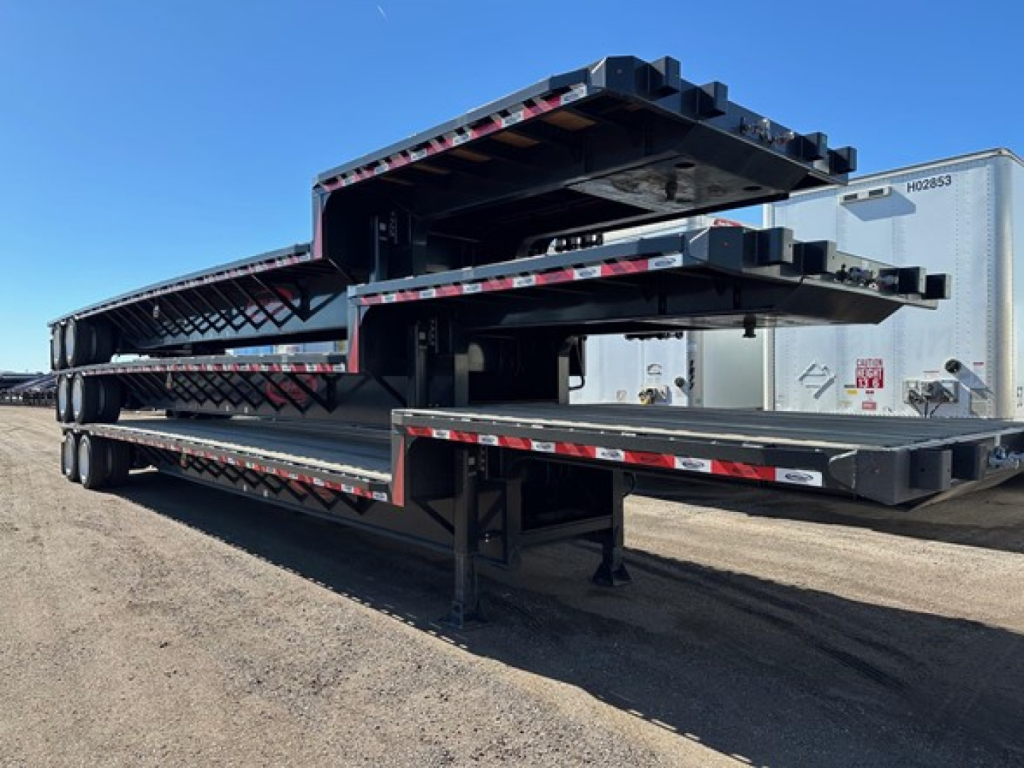
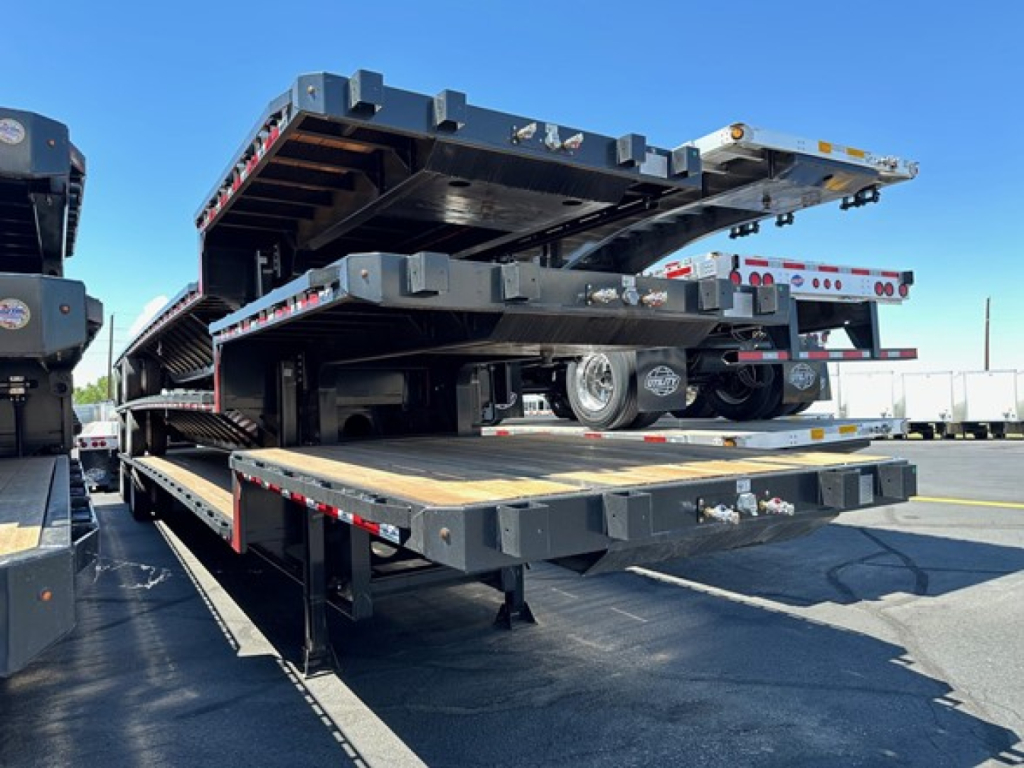
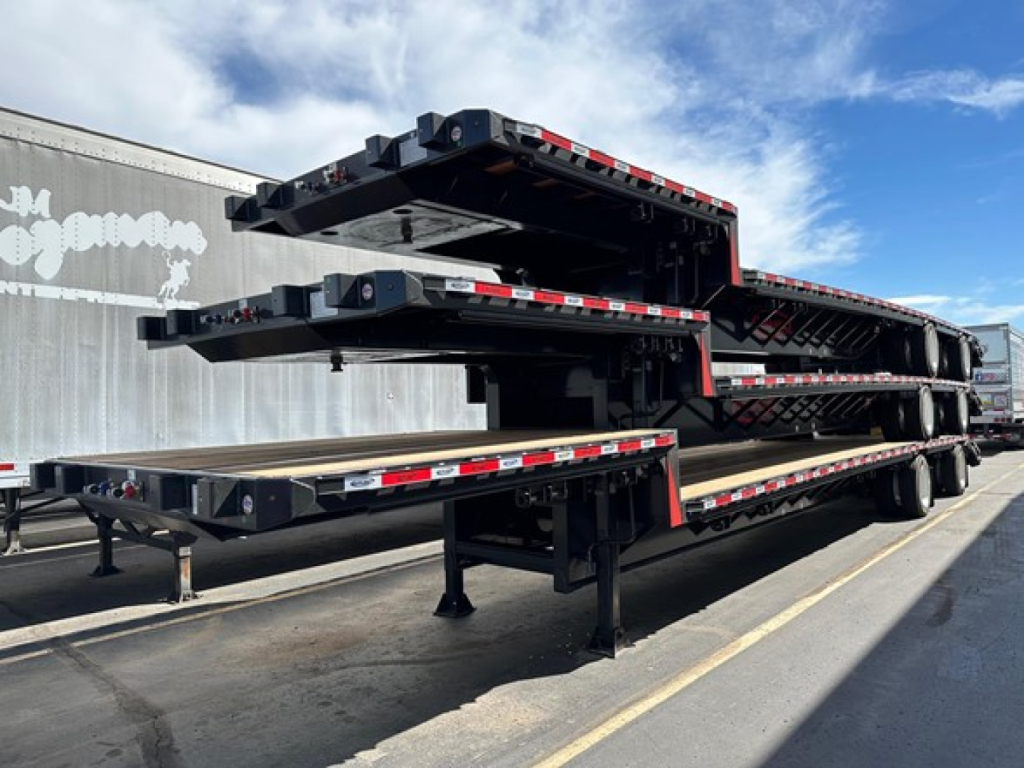
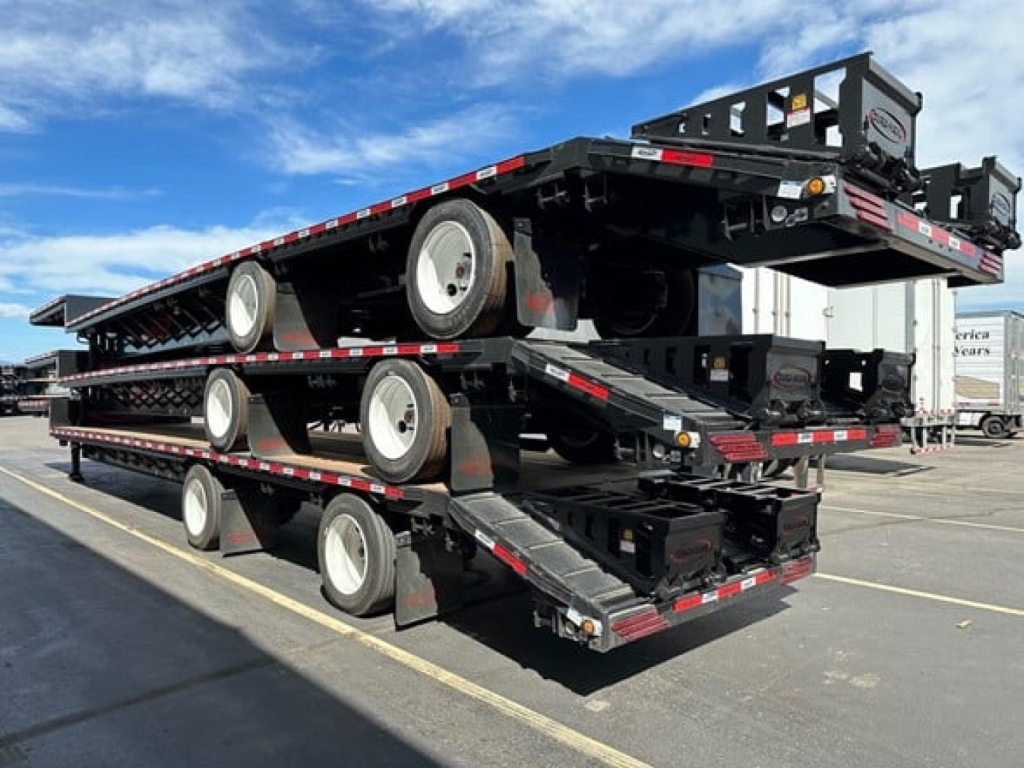
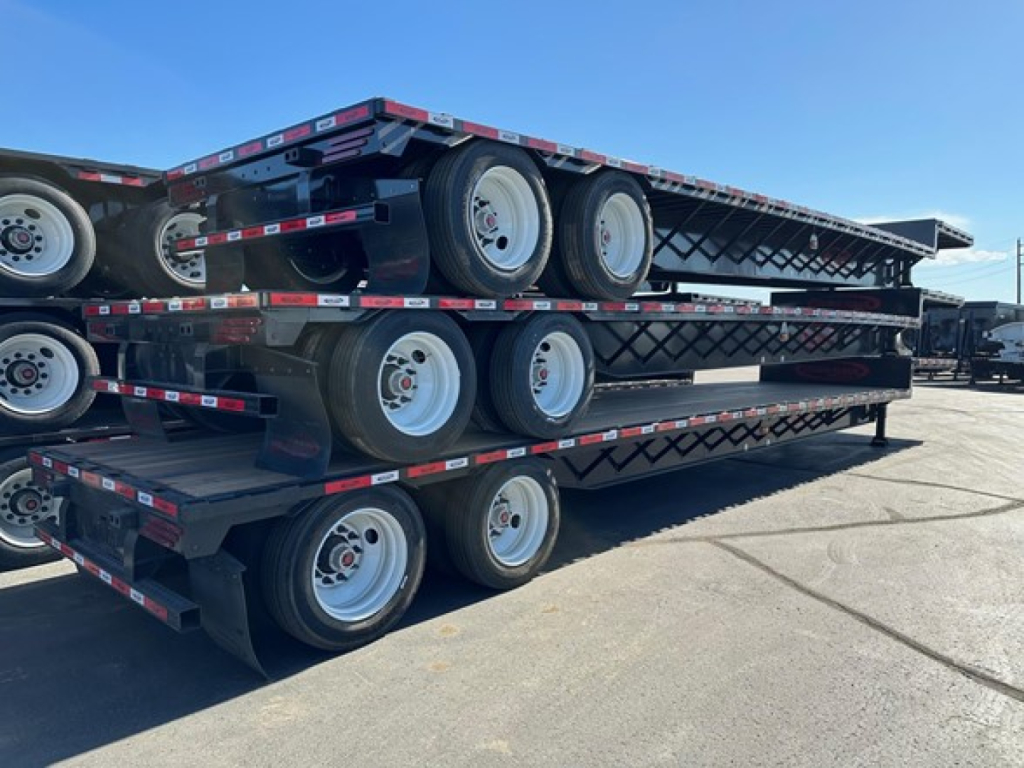
Have new dura haul drop deck trailer to sell? List it here to reach thousands of buyers.
About New Dura Haul Drop Deck Trailers in Colorado
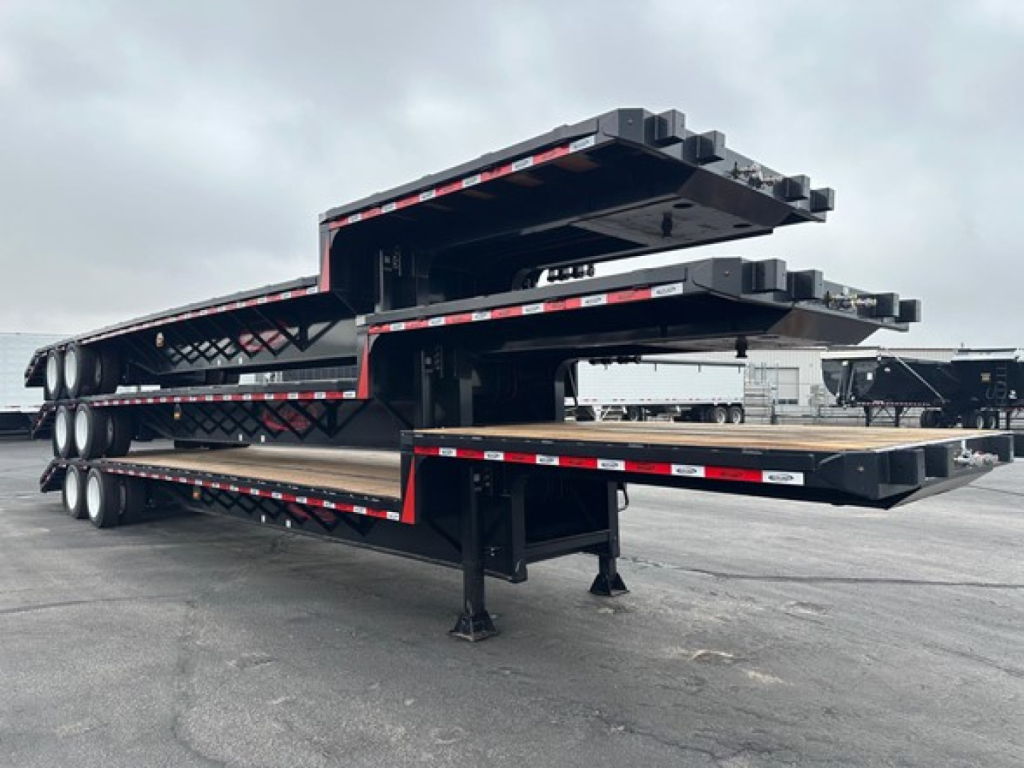
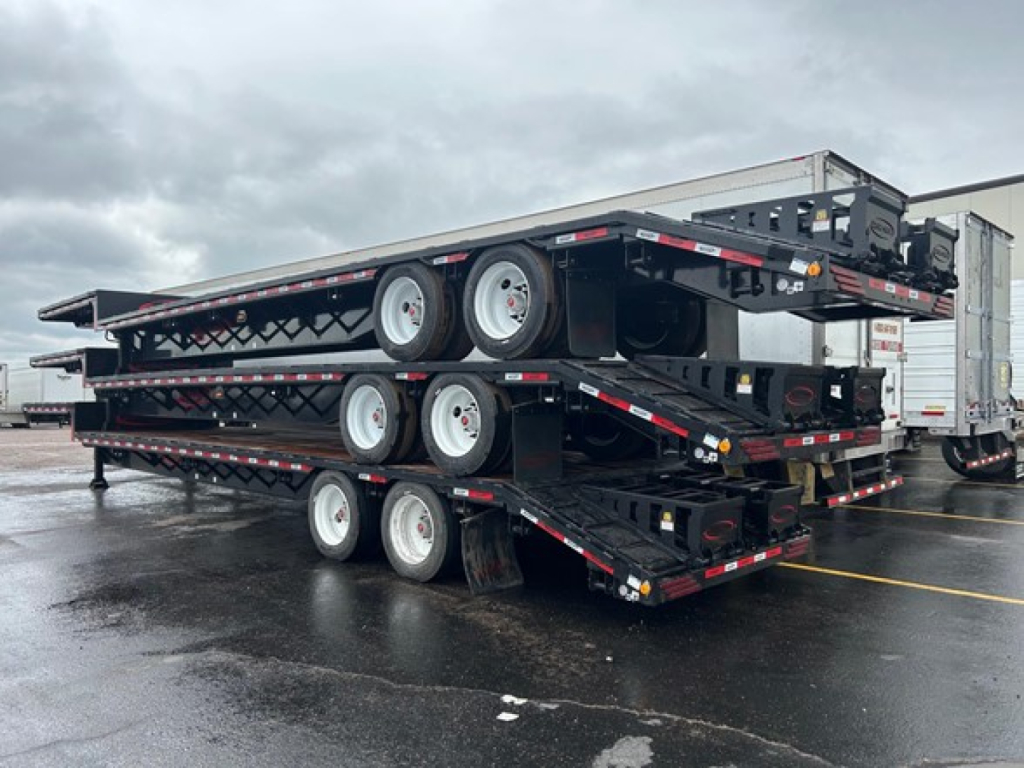
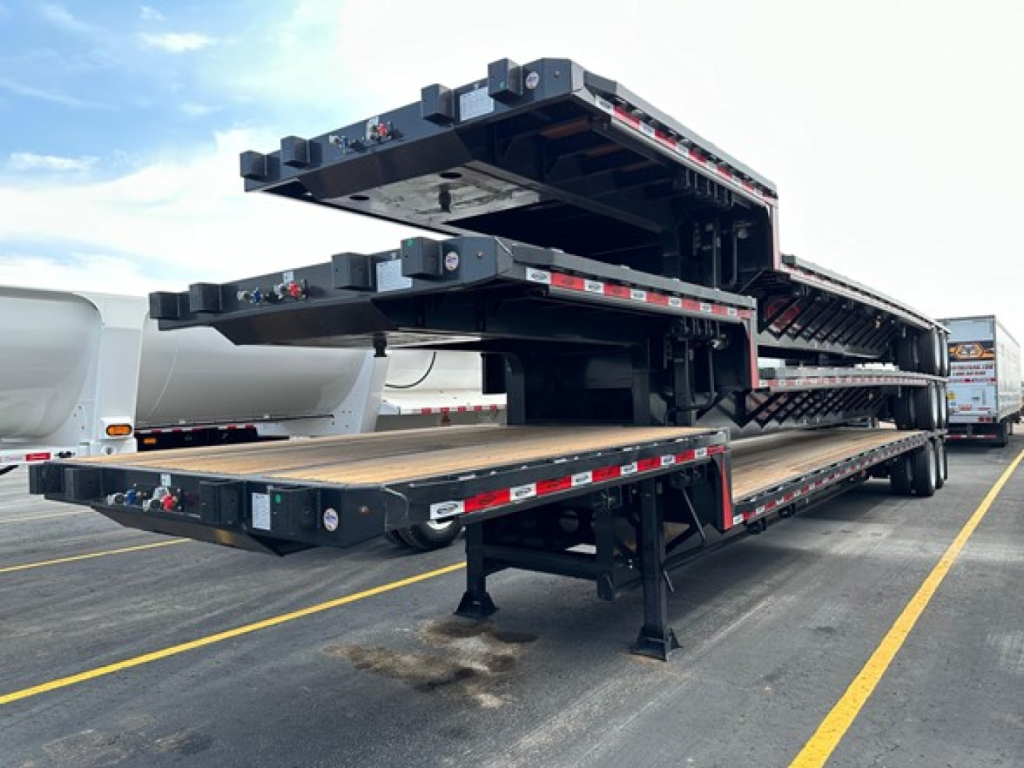
The core buying decision usually starts with deck configuration. Common Dura Haul layouts include 48-foot and 53-foot overall lengths, 102-inch width, upper decks around 10 feet to 10 feet 6 inches, and lower decks that can stretch well past 38 feet depending on axle placement and beavertail design. A straight drop deck gives you more usable flat lower deck space for mixed freight, while a beavertail drop deck with flip ramps is better suited to equipment loading, small machines, and counterweights. Closed tandem and fixed spread axle configurations each serve different needs. Closed tandems can be simpler for certain freight patterns and tighter maneuvering, while spread axles can help with weight distribution and loading flexibility.
Construction and securement details matter on this category, and Dura Haul specs commonly reflect that. Steel main beams and rails deliver durability for hard use, especially in fleets that regularly haul concentrated loads. Apitong wood flooring remains a preferred deck surface because it handles abrasion well and gives cargo a better footing than steel deck alone. Stake pockets, pipe spools, and sliding winches are key features for buyers running chains, straps, and mixed tie-down setups across different commodities. Air ride suspension is common on higher-spec trailers because it can reduce cargo shock and improve ride quality for machinery or finished materials. Buyers should also check for practical options such as LED lighting, two-speed landing gear, manual dump valves, liquid-filled scales, tire carriers, and tire size compatibility such as 255/70R22.5.
For many buyers, the best drop deck is the one matched to the freight first, not just the gross dimensions on paper. A crane company hauling counterweights will prioritize concentrated load handling, deck strength, axle placement, and loading access. A building supply or steel hauler may focus more on lower deck length, winch track usability, and tie-down spacing. In Colorado, it also makes sense to think about how the trailer will behave in elevation changes, jobsite surfaces, and winter conditions. A well-spec'd Dura Haul drop deck should balance deck length, loaded deck height, suspension, and securement package so it can cover day-to-day legal freight without forcing unnecessary permits or compromising load position.
Frequently Asked Questions
What is the difference between a drop deck trailer and a flatbed trailer?
A drop deck trailer, also called a step deck, has two deck levels instead of one continuous deck height like a flatbed. The lower main deck allows taller freight to be hauled while staying within legal height limits in many situations. That makes a drop deck a better choice for equipment, crated machinery, and taller palletized loads that would ride too high on a standard flatbed.
When is a beavertail drop deck the better choice?
A beavertail drop deck is the better choice when freight needs to be rolled or driven onto the trailer rather than lifted into place. The sloped rear section, often paired with flip ramps, helps load small machines, construction equipment, and crane counterweights more efficiently. It is especially useful for operators who handle mixed equipment loads and need faster loading at jobsites without dock access.
Why do many buyers prefer Apitong flooring on a drop deck trailer?
Apitong is widely used because it is dense, durable, and well suited to repeated loading from machinery, steel, and palletized freight. It holds up well under abrasion and typically provides better traction for cargo than a smooth steel-only deck surface. For a working drop deck, Apitong is often viewed as a practical long-term choice because it supports both cargo protection and deck service life.
What axle setup should I look for on a drop deck trailer?
The right axle setup depends on the freight and the routes you run most often. A closed tandem can work well for general freight and tighter maneuvering, while a fixed spread axle can improve weight distribution and help with certain load placements. Buyers should compare axle spacing, suspension type, bridge law considerations, and how often the trailer will carry concentrated loads before deciding which configuration fits the operation best.
Are steel drop deck trailers a good fit for Colorado hauling?
Steel drop deck trailers are a strong fit for Colorado work when durability and concentrated load capacity are priorities. They are commonly used in construction, equipment transport, energy support, and regional material hauling. In Colorado, buyers should pay close attention to loaded deck height, suspension, tire specification, and securement layout because mountain grades, weather, and permit-sensitive routes can make trailer setup more important than in flatter regions.