
New Container Trailers For Sale in Illinois
New container trailers for sale in Illinois, including dry, reefer, high-cube, and intermodal units built for storage, freight, and yard use.
Have new container trailer to sell? List it here to reach thousands of buyers.
New Container Trailers in Illinois
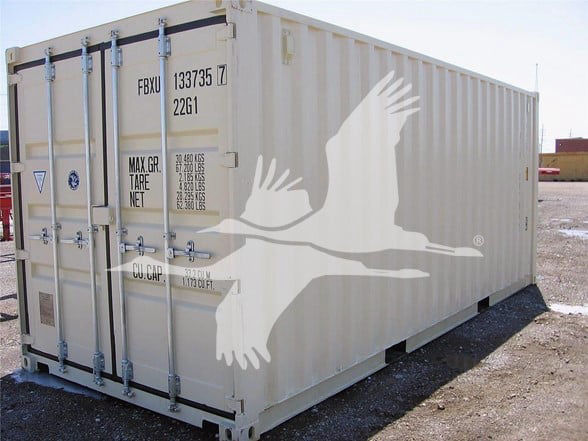
For dry freight applications, floor strength, crossmember design, and corner casting integrity matter more than cosmetics. Many buyers look for steel construction, reinforced crossmembers, laminated hardwood floors, gooseneck tunnels on domestic 53-foot units, and top corner fittings compatible with standard lifting and stacking practices. If the container will be used in intermodal service, confirm the structural rating, stacking capacity, and compatibility with chassis and lift equipment. If the unit will spend most of its life as ground-level storage, door seal condition, lock box design, wind and water tightness, and overall corrosion protection become more important than highway-oriented details.
Refrigerated container buyers should focus on thermal efficiency, tare weight, insulation performance, and serviceability of the reefer system. A lighter insulated box can improve payload, but durability still matters, especially around the front wall, floor system, and crossmembers. Buyers in Illinois often balance road use, yard storage, and cold-chain staging, so it is worth checking whether the unit is configured for stationary power, transport refrigeration, or both. Galvanized components, quality door hardware, and proven reefer support networks can reduce downtime and long-term operating cost.
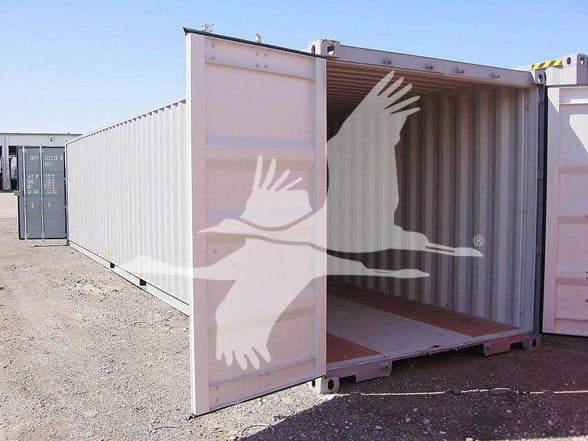
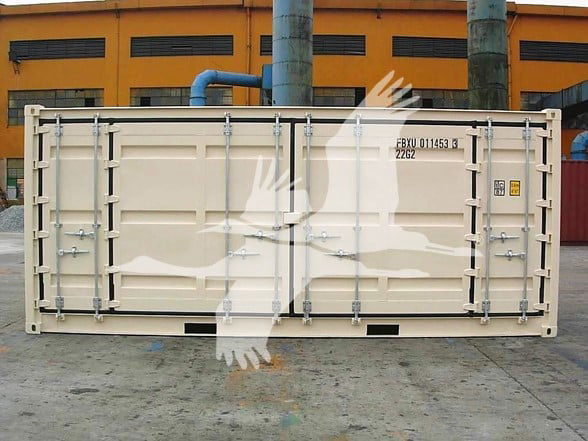
Specialty container trailers and containers such as open-side units can make loading easier for pallets, equipment, and jobsite materials that do not move efficiently through standard rear doors. New units appeal to buyers who want clean interiors, full service life ahead, fewer immediate repairs, and current structural specs. When comparing listings, pay attention to interior dimensions, door opening size, floor rating, roof height, CSC or domestic compliance needs, and whether the container is intended for ocean service, domestic intermodal use, or static storage. Matching the container style to the actual handling method, freight profile, and site conditions will usually matter more than brand alone.
Frequently Asked Questions about New Container Trailers in Illinois
What is the difference between a domestic container and an ISO shipping container?
A domestic container is typically built for North American freight networks and is commonly found in 53-foot lengths for intermodal rail and highway use. An ISO shipping container follows international dimensional and structural standards, with 20-foot and 40-foot sizes being the most common for ocean and port-related handling. Domestic containers usually offer more cubic capacity for inland freight, while ISO containers are better suited to international handling systems and global interchange.
Is a high-cube container worth it?
A high-cube container is usually worth the added cost if the freight is bulky, lightweight, or stacked high enough to benefit from extra interior height. The additional cubic space can improve efficiency for warehousing, portable storage, retail modifications, and certain dry freight applications. If your cargo is dense and reaches weight limits before filling the box, the extra height may not deliver much practical advantage.
What should I check on a new refrigerated container?
Key points include insulation quality, reefer unit brand and support, power configuration, floor design, door seal integrity, and the overall tare weight of the unit. Buyers should also confirm whether the container is intended for active transport, stationary cold storage, or both. Long-term value often depends on how easy the refrigeration system is to service and how well the box holds temperature under repeated loading cycles.
Are container trailers and containers the same thing?
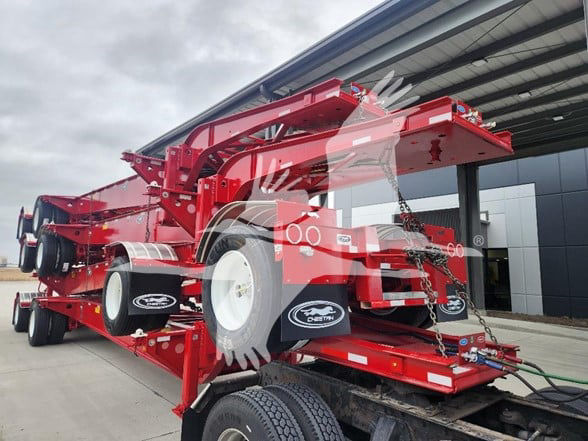
Not always. A container is the box itself, while a container trailer or chassis is the wheeled frame used to move that container by road. Some marketplace listings group container equipment together because buyers may be searching for storage containers, intermodal containers, or container-compatible transport equipment in the same category. It is important to confirm whether a listing includes only the container, only the chassis, or a complete transport-ready setup.
What matters most when buying a container for storage use in Illinois?
For storage use, buyers usually prioritize wind and water tight construction, secure doors, a lock box, sound flooring, and corrosion resistance. Illinois weather makes roof condition, door gasket sealing, and overall structural integrity especially important for year-round outdoor placement. If the container will sit on uneven ground or be moved occasionally, corner strength and frame condition also deserve close attention.