
Other Trailers For Sale in Louisiana
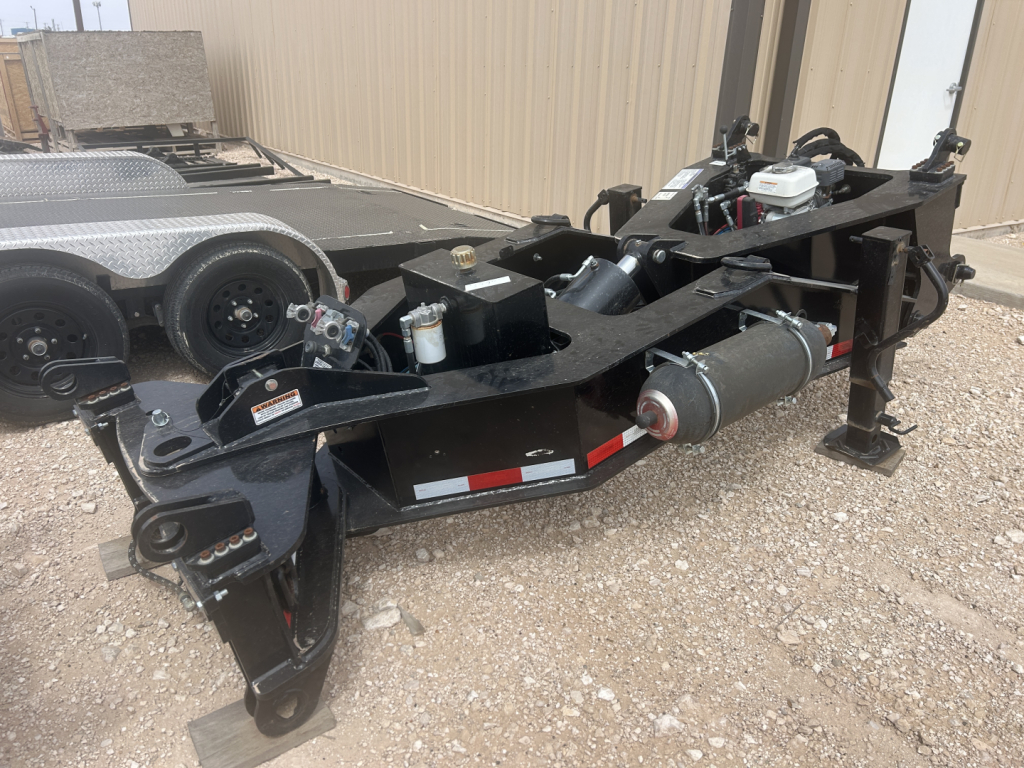
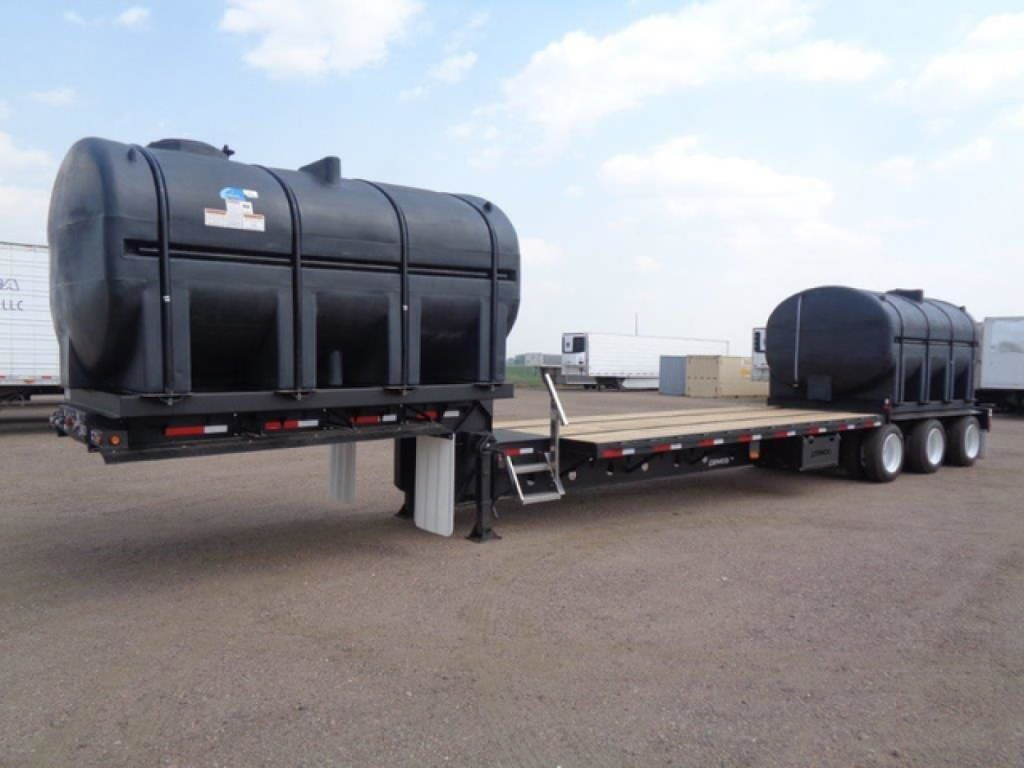
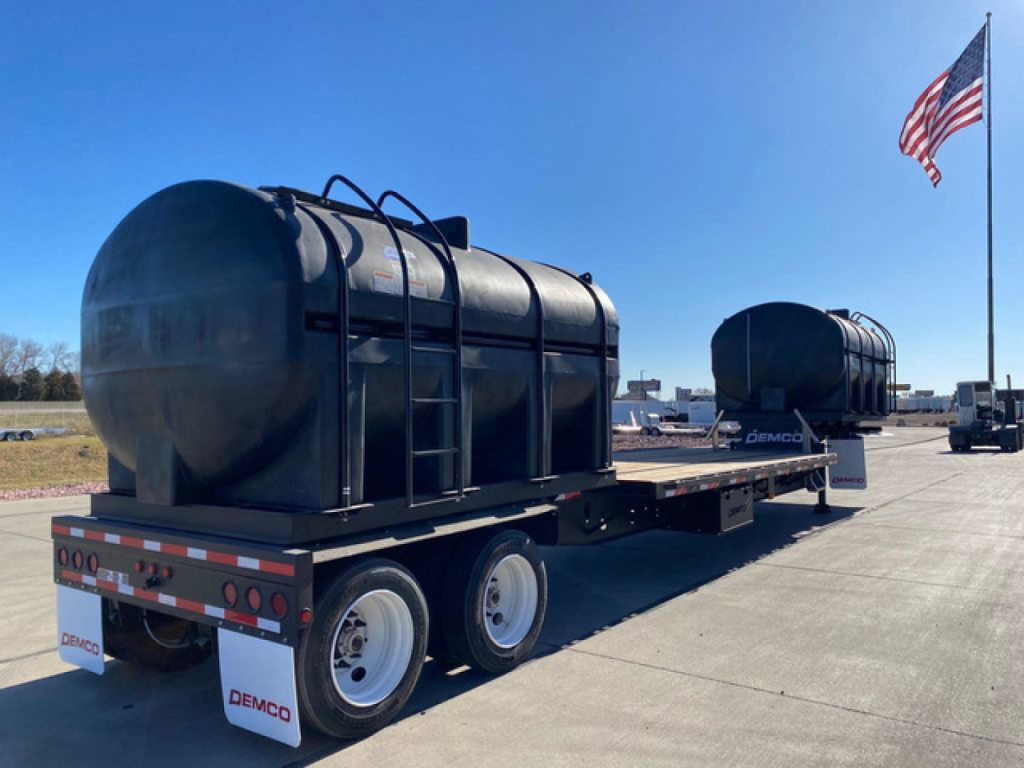
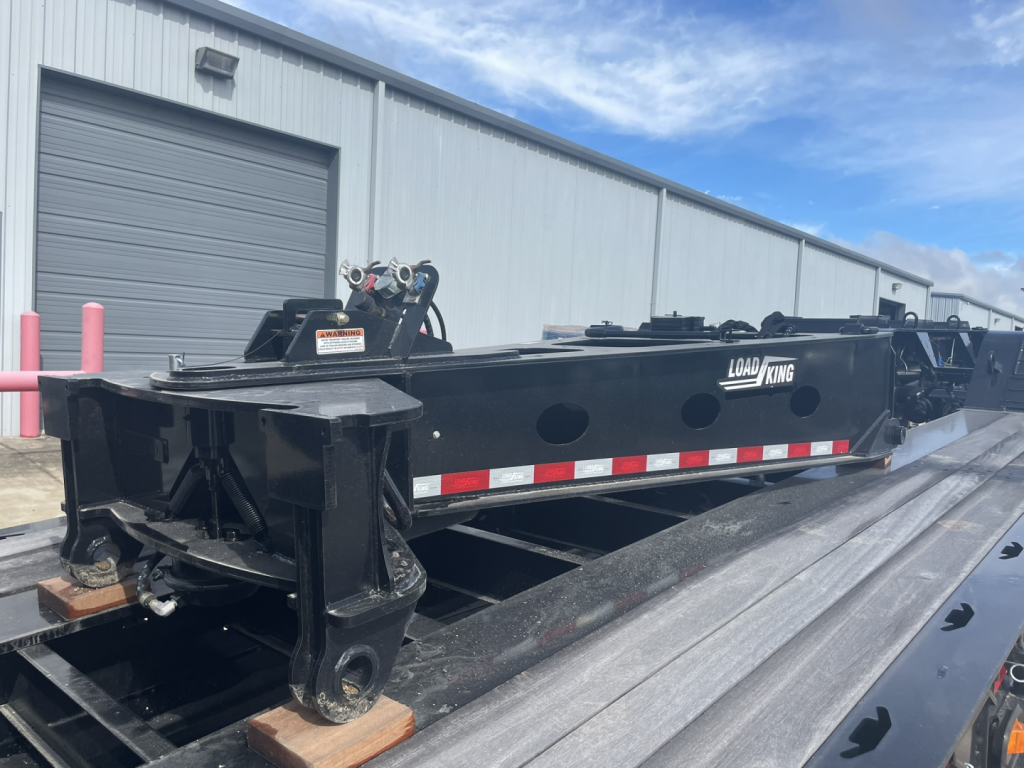
Browse other trailers for sale in Louisiana, including specialty hauling trailers built for low deck height, heavy equipment transport, and niche jobs.
No exact matches found for your search
Showing Other Trailers instead.
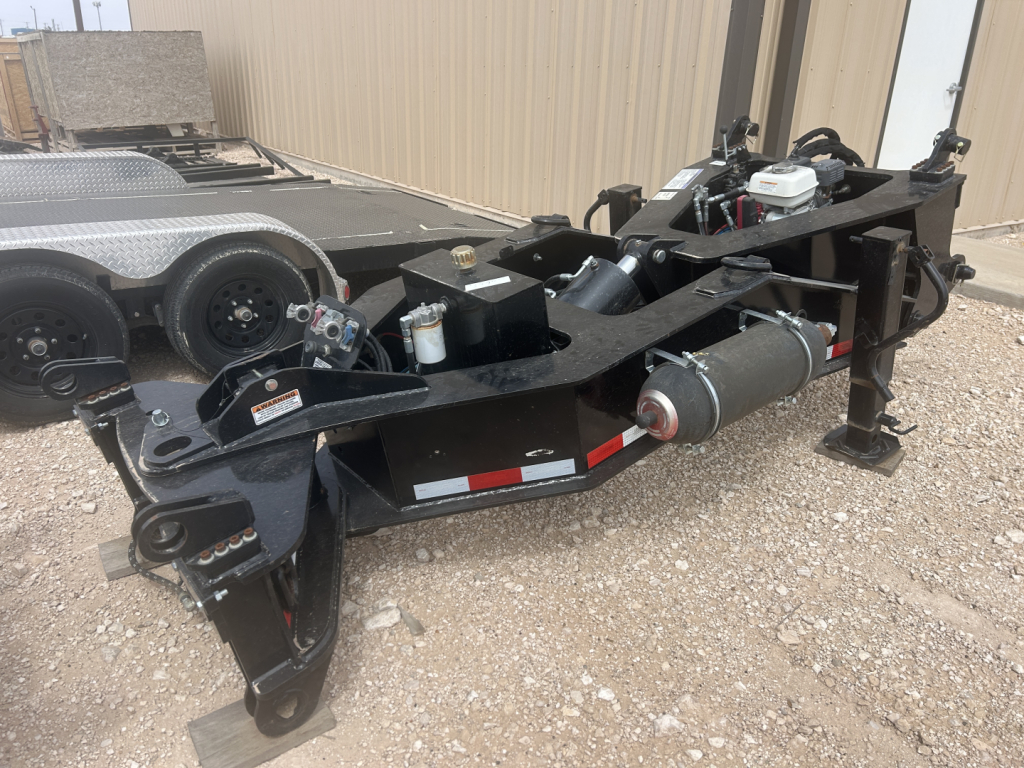
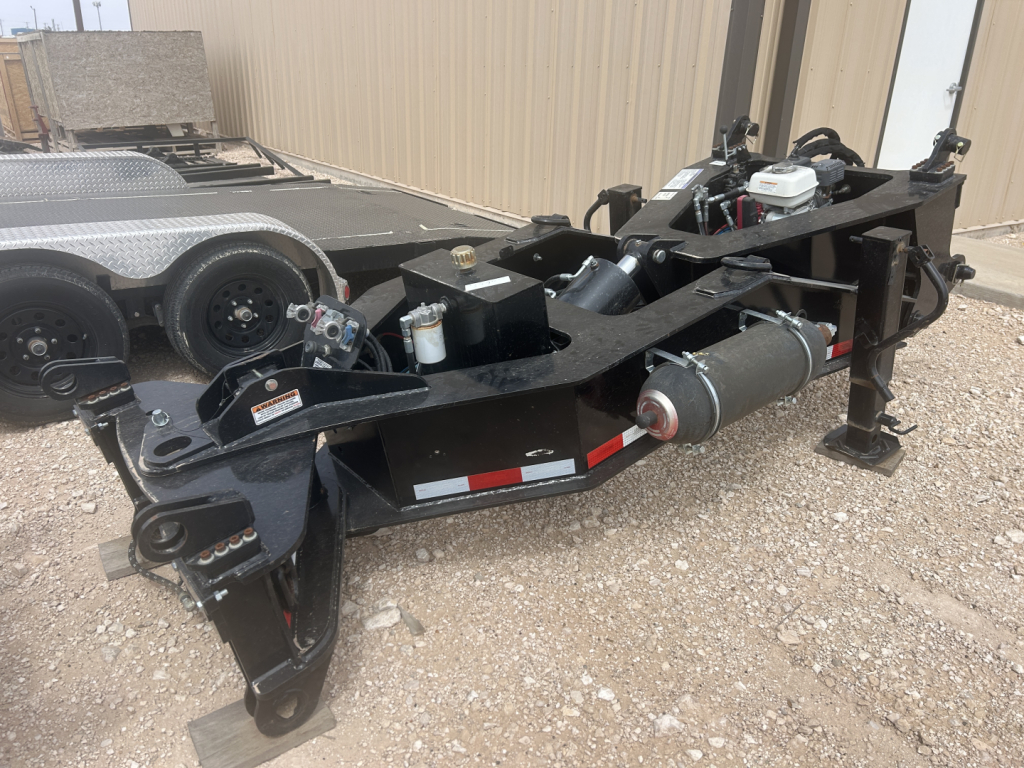
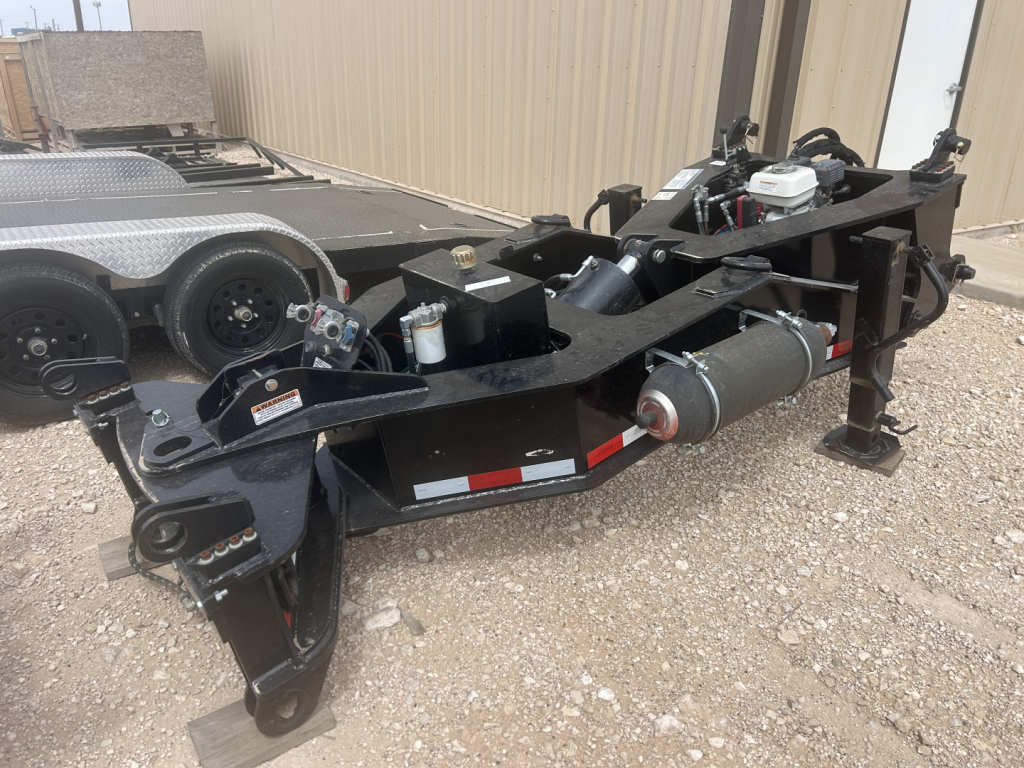
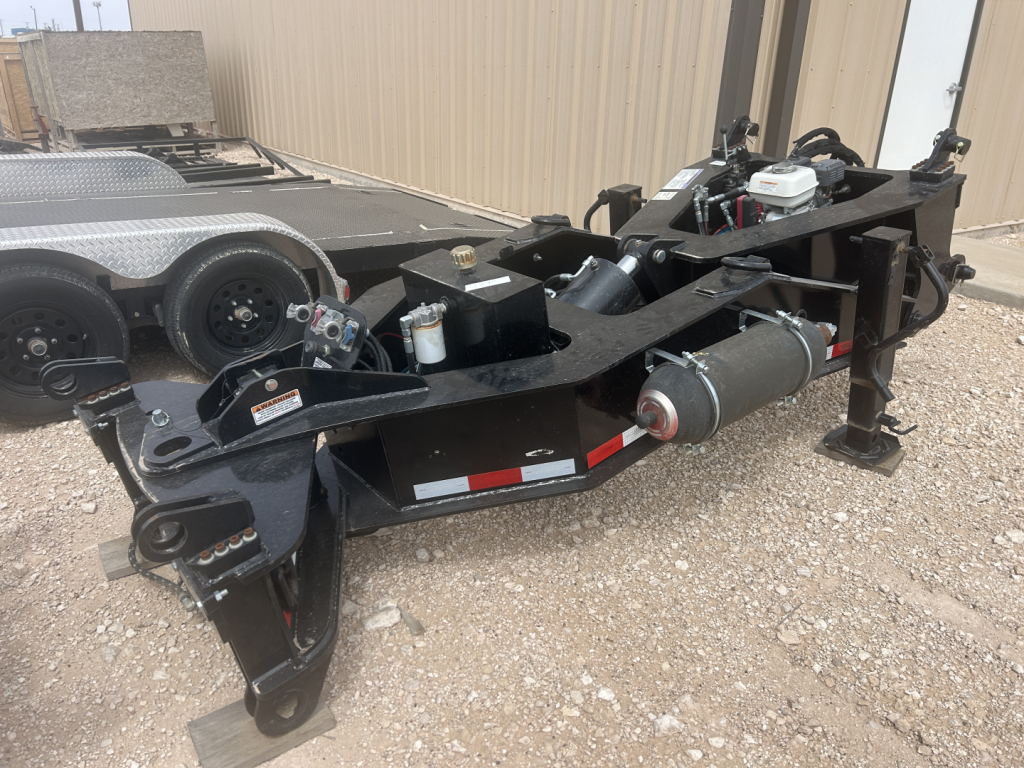
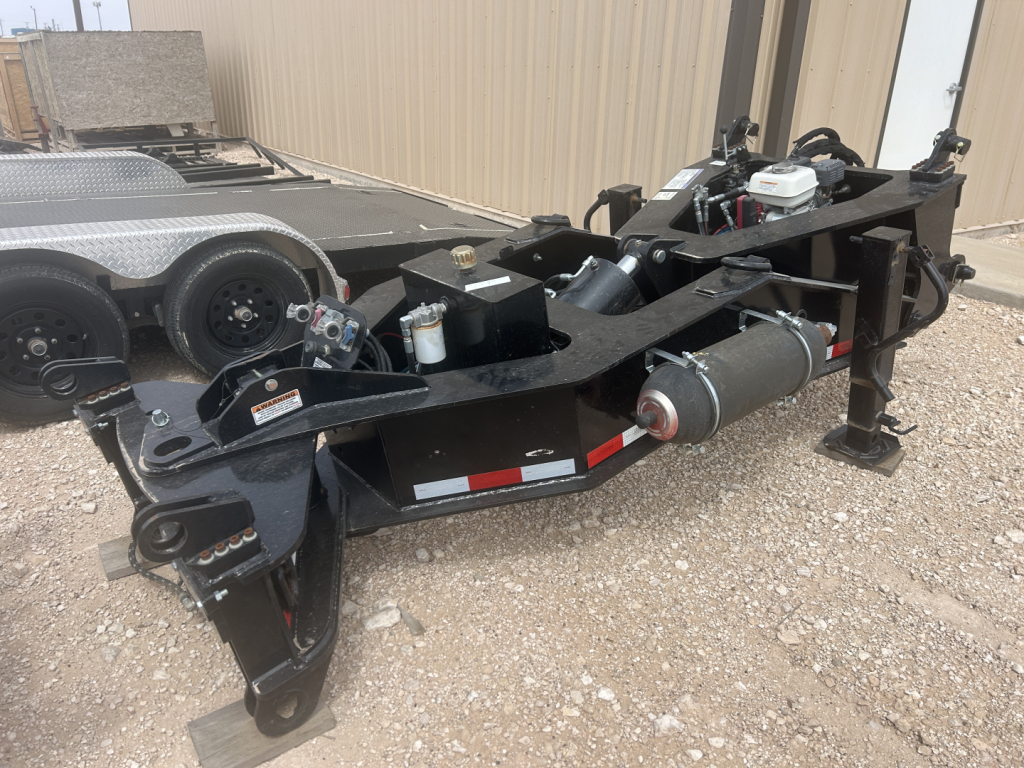
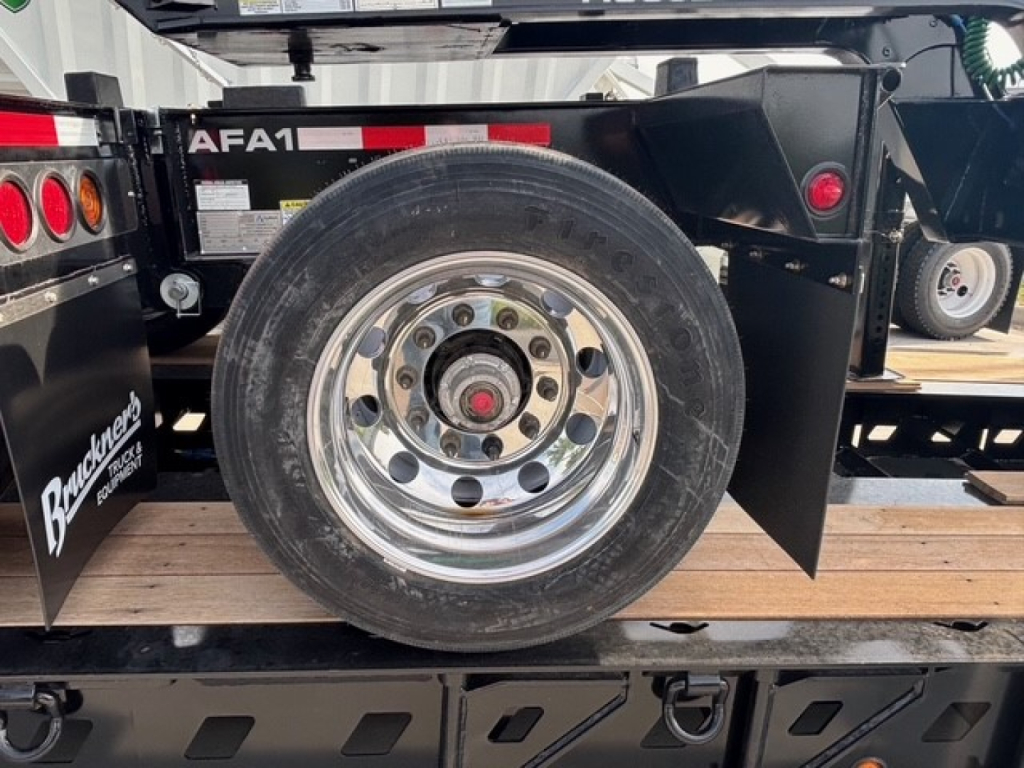
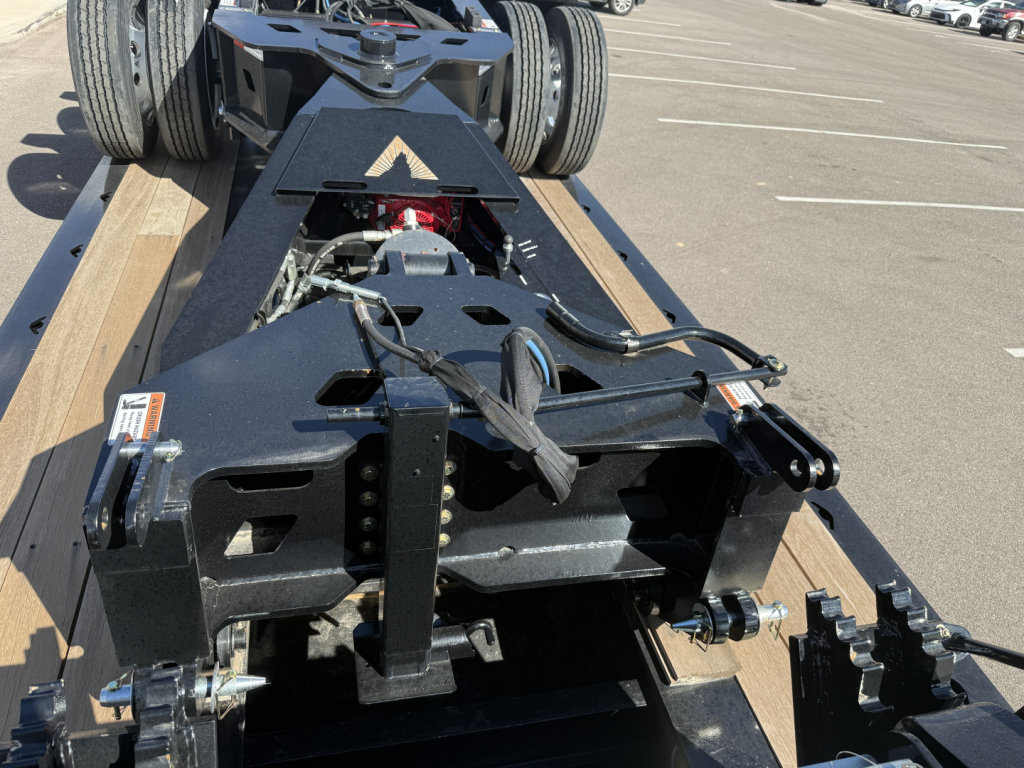
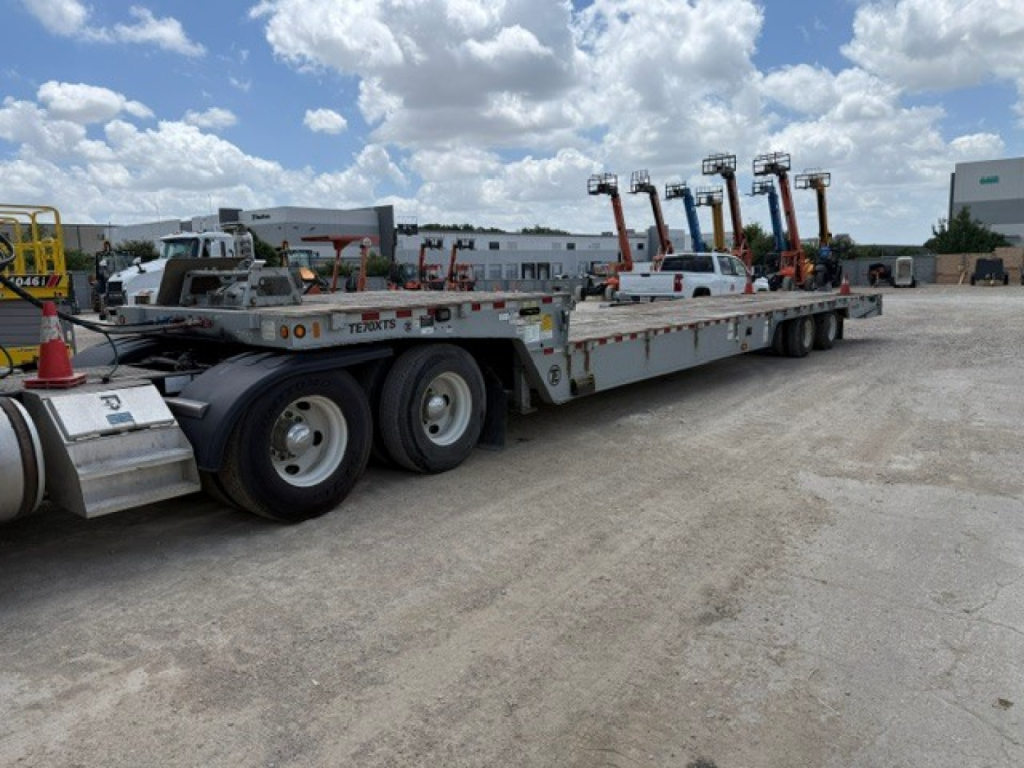

Have other trailer to sell? List it here to reach thousands of buyers.
Other Trailers in Louisiana
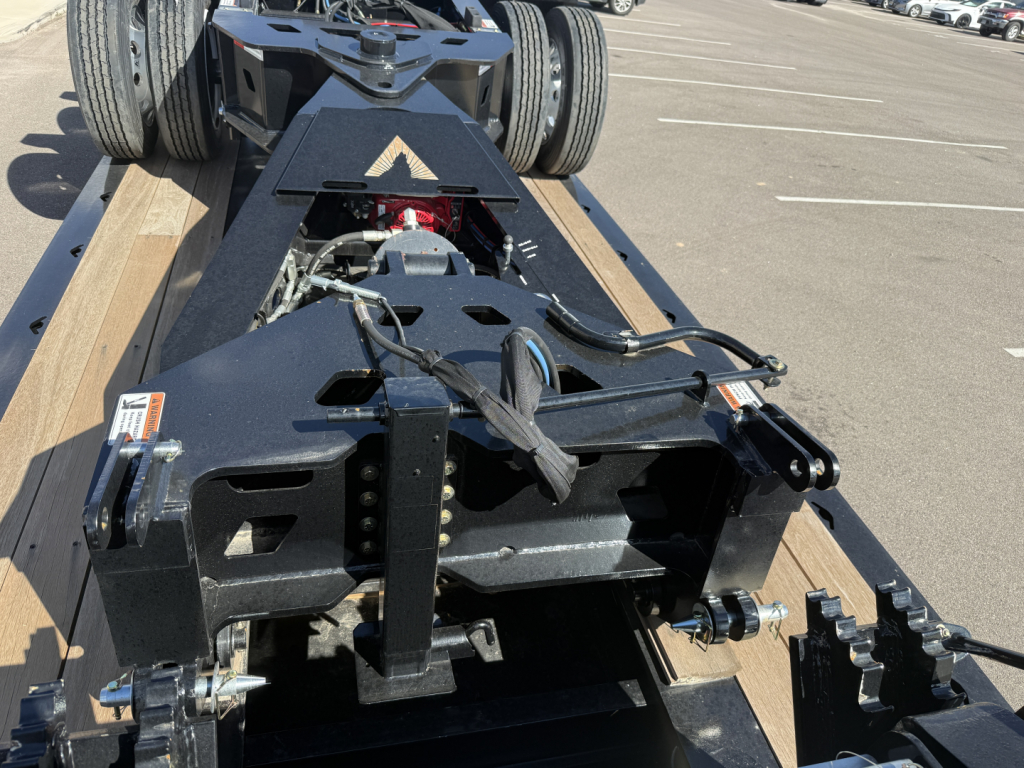
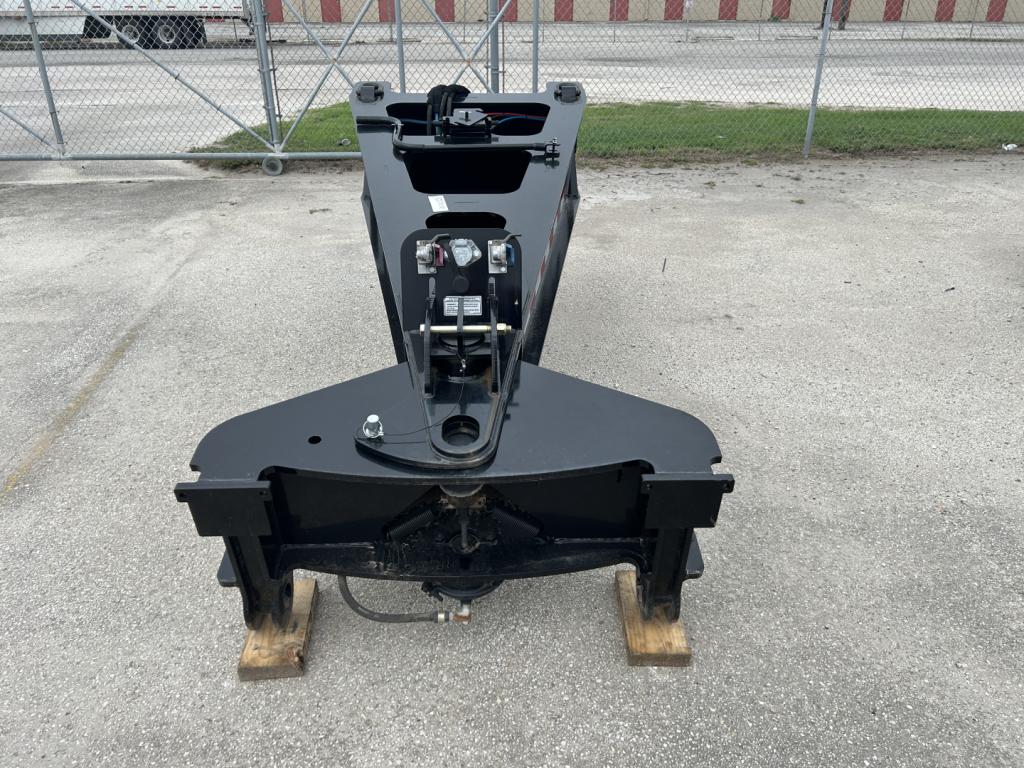
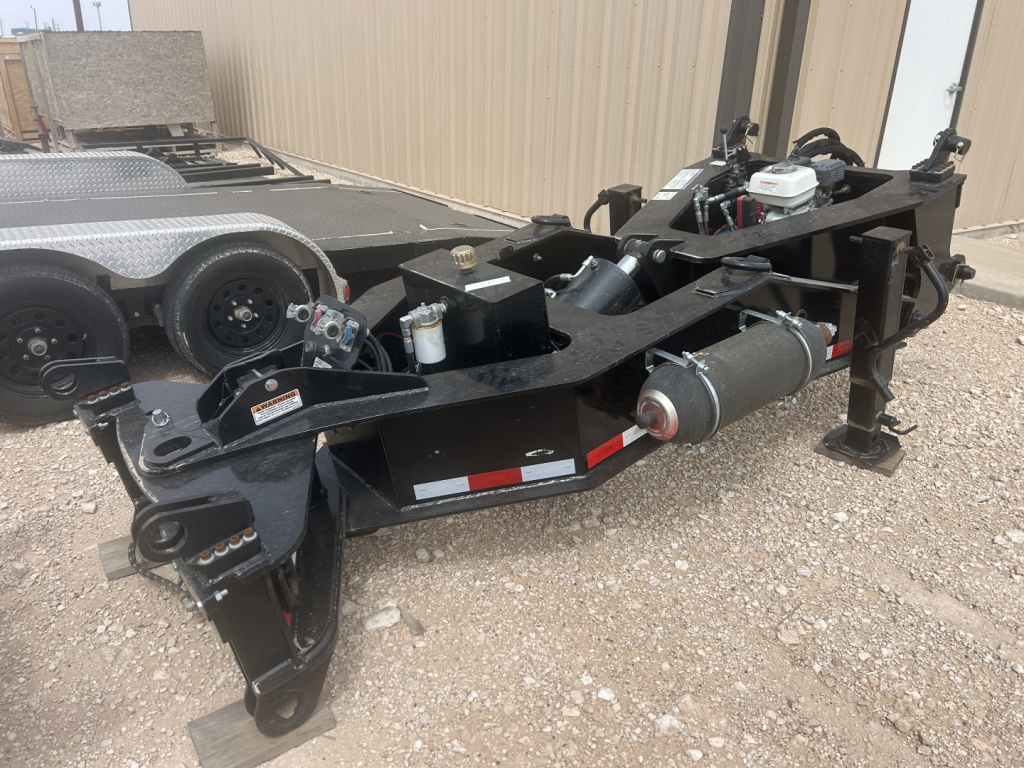
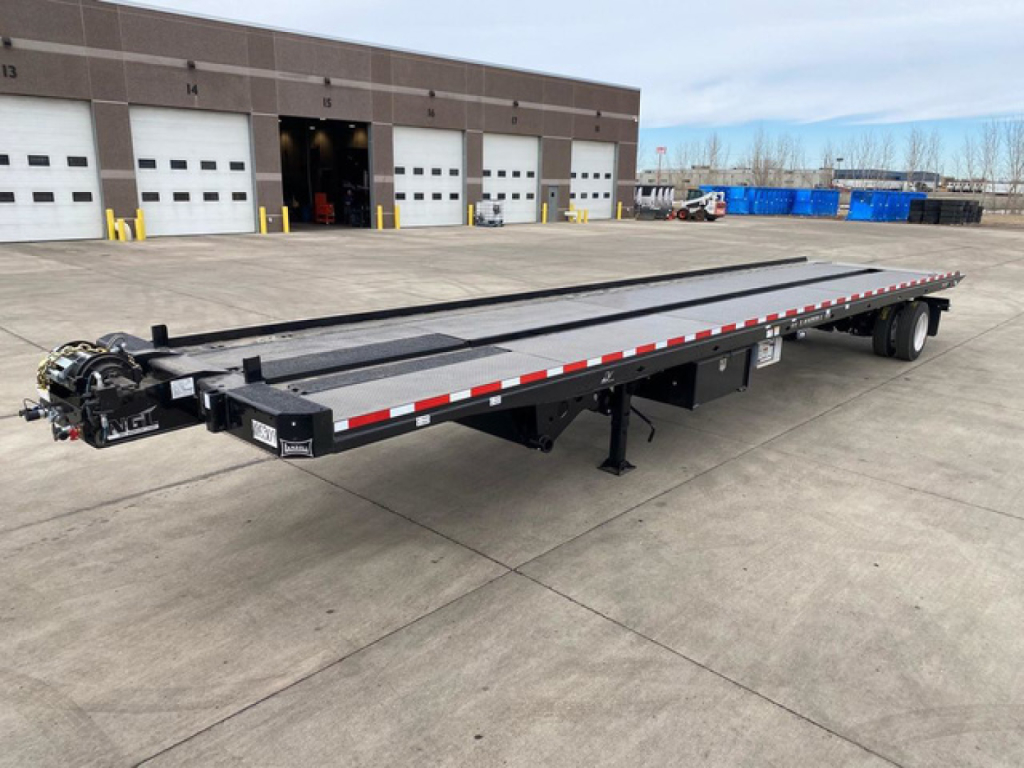
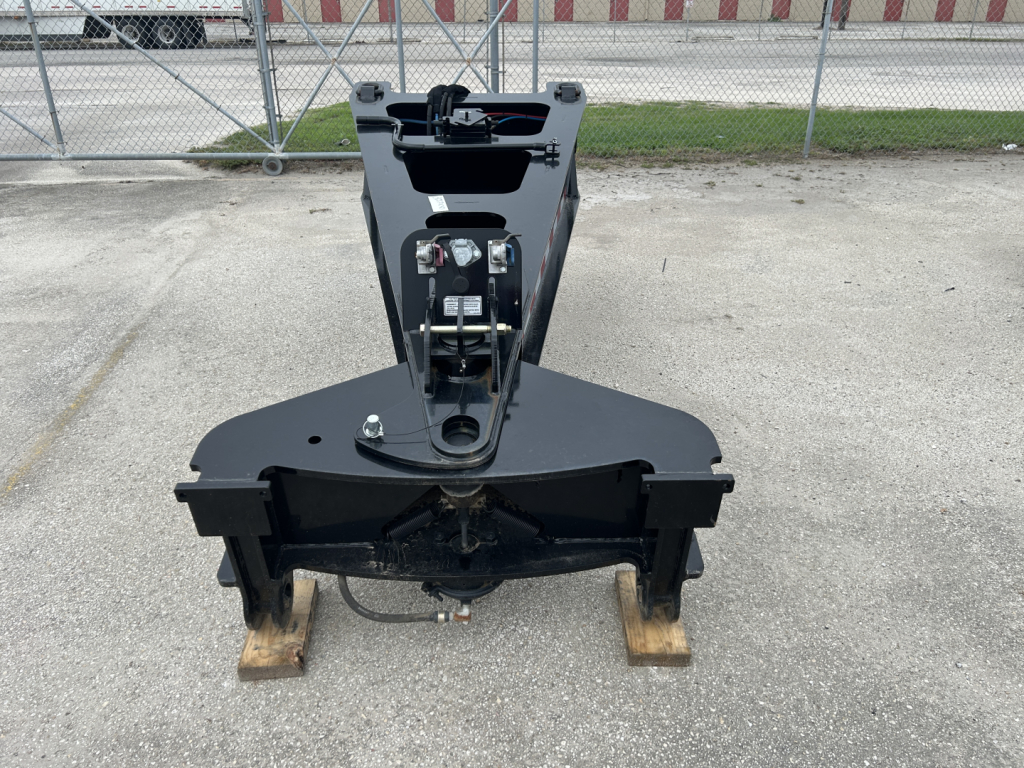
For many buyers, the key decision is how the trailer loads and carries weight. On equipment-hauling models, deck height, tail angle, and kingpin setting matter as much as gross capacity. Lower loaded deck height helps with taller machines and route restrictions, while tail length and approach angle affect how easily wheeled or tracked equipment can be loaded without dragging. Tandem and tri-axle setups are common, with air ride or spring suspension depending on ride quality needs and maintenance preference. Buyers should also look closely at axle ratings, brake type, tire size, frame construction, and whether the trailer includes practical features like chain slots, traction plates, winches, toolboxes, LED work lights, and tire inflation systems.
Louisiana operating conditions make corrosion resistance, traction, and durability especially important. Humidity, rain, mud, and jobsite conditions can be hard on decking, electrical systems, and finishes. Steel construction is common in this class, often paired with hardwood decking such as Apitong for strength and repairability. Powder-coated frames, sealed LED lighting, and well-protected air and electrical routing can reduce downtime. If the trailer will spend time on refinery, pipeline, or port-related work, buyers should also consider how the unit handles tight maneuvering, uneven loading surfaces, and frequent loading cycles.
Because this is a broad category, the best purchase is usually the trailer that solves a specific hauling problem with the least compromise. Check overall length and usable deck space, verify swing clearance between trailer and tractor, and make sure the capacity rating matches real operating conditions rather than brochure numbers alone. Specialty trailers often bring strong value when the design fits the work exactly, but they can be less flexible than general-purpose platforms. A careful review of dimensions, hydraulic or air-operated functions, and serviceability will usually tell you whether a trailer in this class is a niche tool or a dependable everyday asset.
Frequently Asked Questions about Other Trailers in Louisiana
What types of trailers are usually listed under other trailers?
Other trailers typically include specialty or niche designs that fall outside mainstream categories. Common examples include hydraulic tail trailers, traveling axle trailers, equipment-hauling platforms, custom industrial trailers, and purpose-built units for specific freight or loading requirements. These trailers are usually defined by how they load, carry, or maneuver rather than by a standard body style.
What specs matter most when buying a specialty trailer?
Capacity is important, but buyers should also focus on loaded deck height, usable deck length, tail length, load angle, axle configuration, suspension type, and kingpin setting. Those details determine whether the trailer will actually handle the equipment or freight you move every day. Features such as air ride suspension, PSI tire inflation systems, chain securement points, traction plates, and onboard winches can also make a major difference in productivity and safety.
Is air ride suspension better than spring suspension on an other trailer?
Air ride is often preferred for equipment and specialty hauling because it can improve ride quality, help protect cargo, and allow functions like manual dump valves for loading or height control. Spring suspension can still be a solid choice for simpler applications where lower cost and mechanical simplicity matter more than ride quality. The better option depends on the trailer's intended use, road conditions, and maintenance priorities.
Why does deck height matter so much on specialty trailers?
Deck height directly affects legal clearance, machine stability, and loading ease. A lower deck can help move taller equipment without creating route problems and can reduce the ramp angle during loading. On equipment trailers, even a few inches of deck height difference can change which machines can be hauled safely and efficiently.
Are specialty trailers a good fit for general freight hauling?
Usually not as a first choice. Specialty trailers are designed to solve a specific hauling problem, and that focus is what makes them valuable. If your operation handles mixed freight every day, a standard flatbed or step deck is usually more flexible. If you repeatedly haul the same type of machinery, oversized unit, or difficult-to-load cargo, a specialty trailer can be the more productive and profitable tool.