
Kenworth Conventional Sleeper Trucks For Sale in Ohio
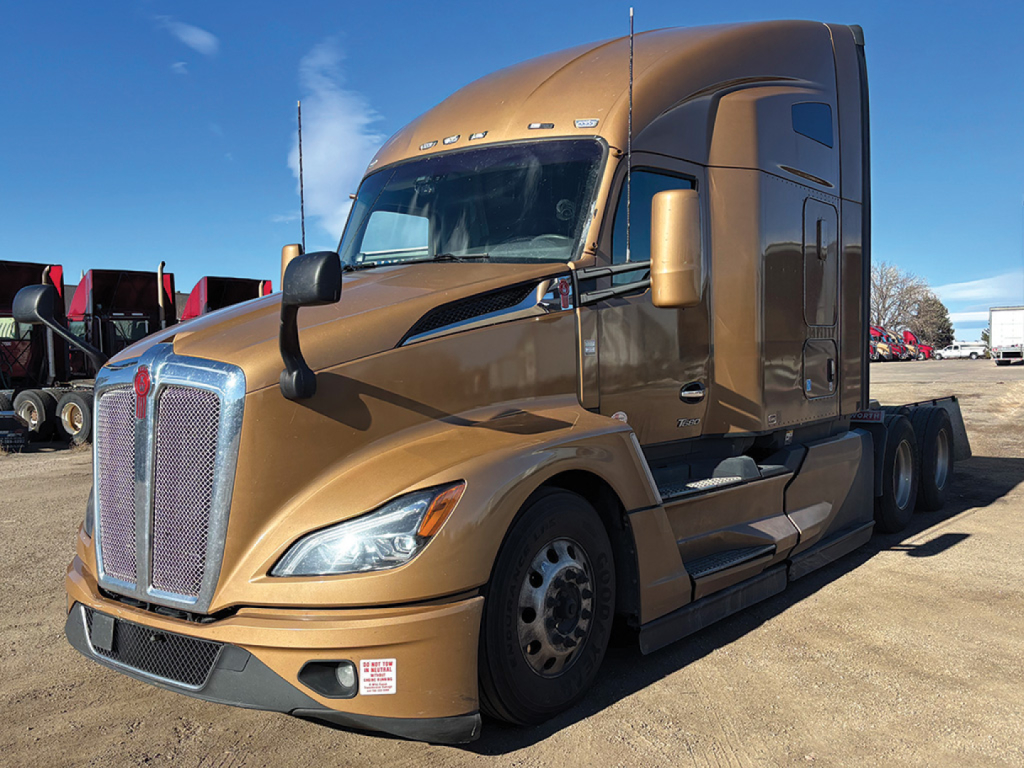
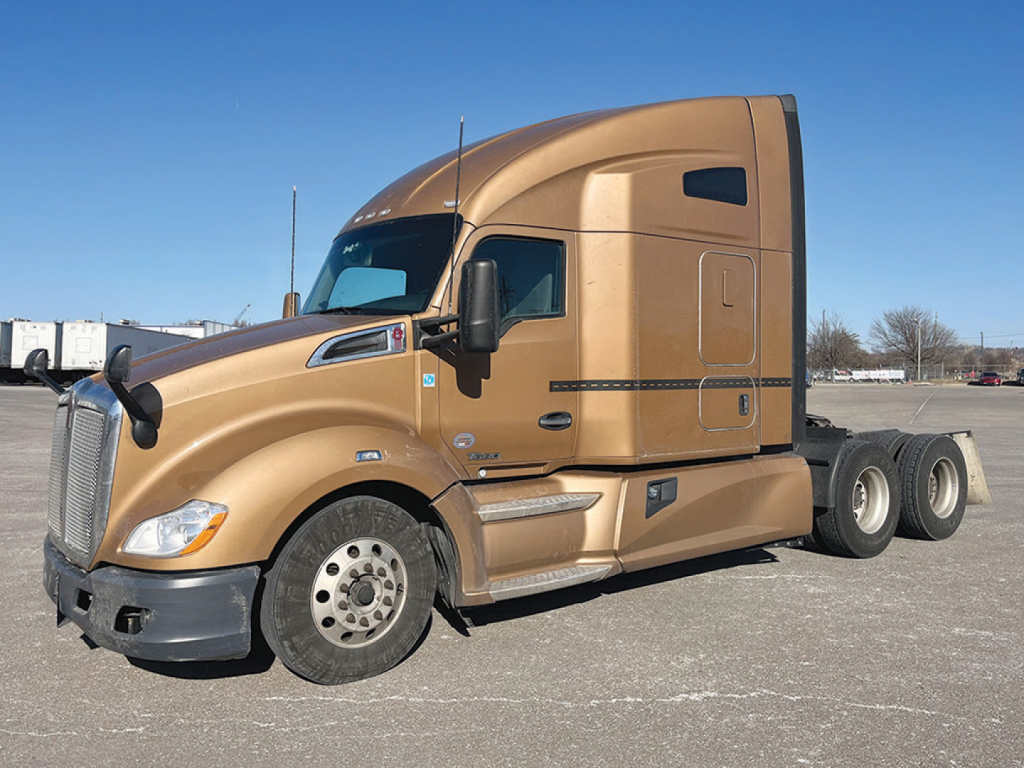
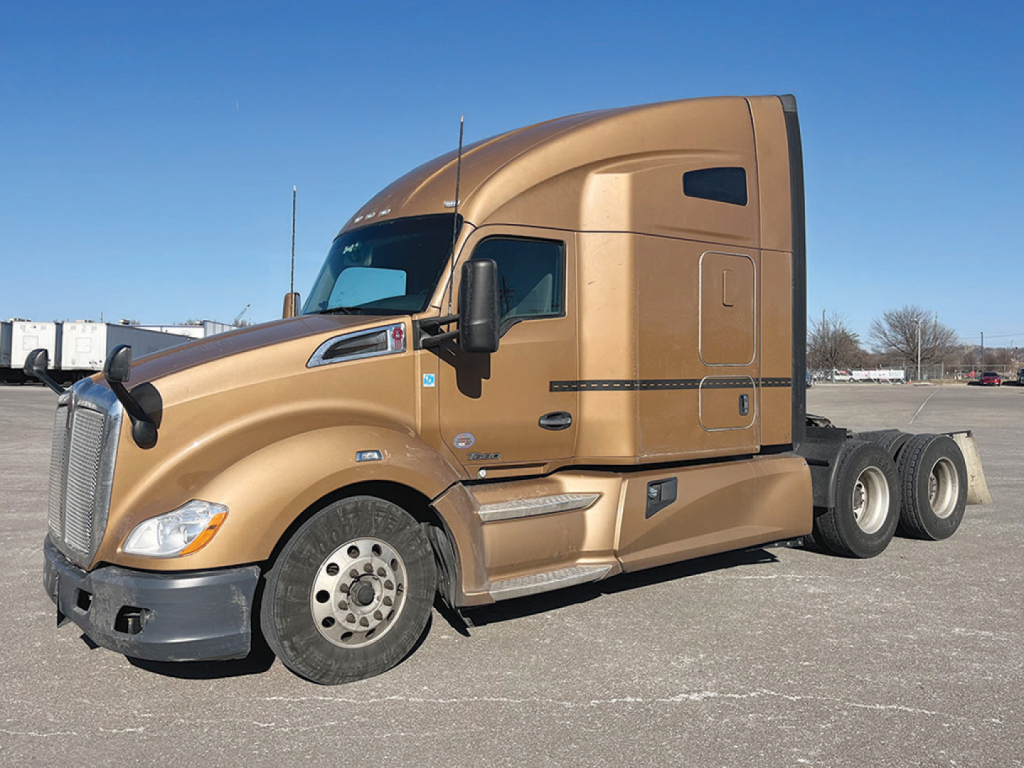
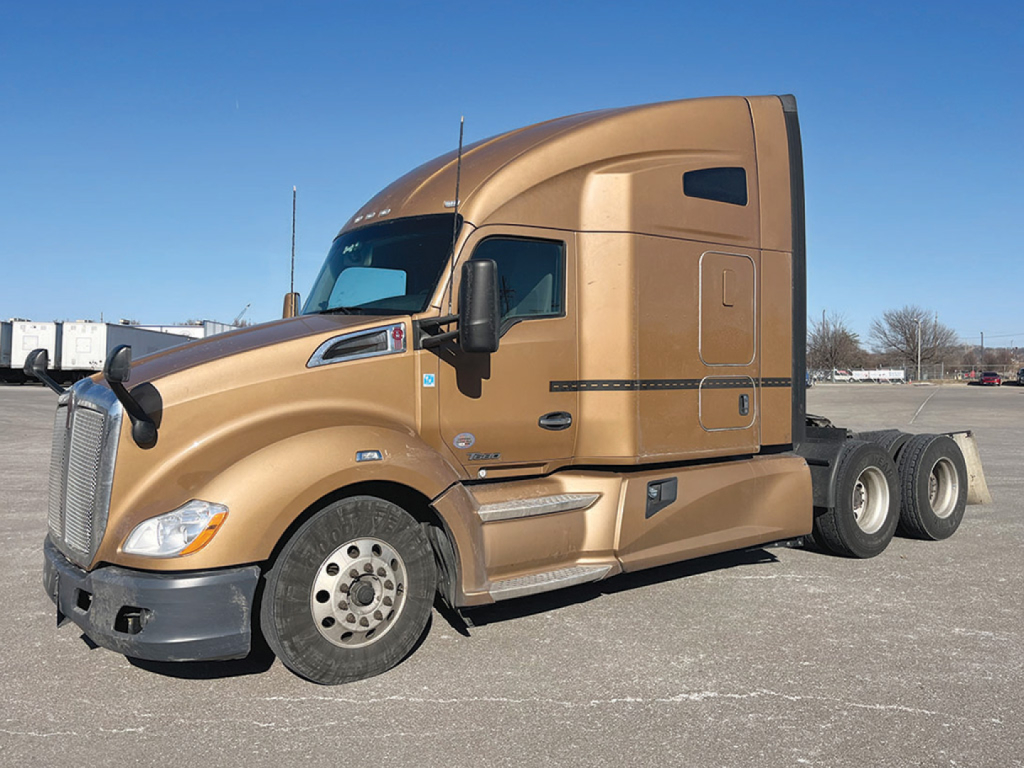
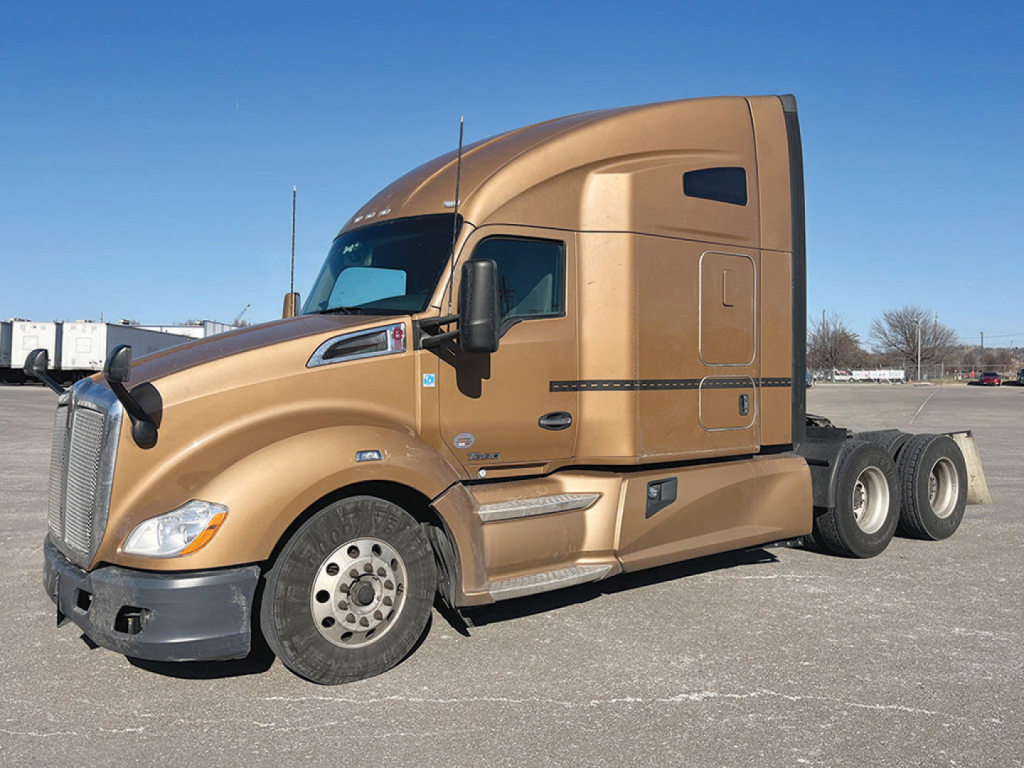
Shop Kenworth conventional sleeper trucks for sale, including T680 models with high-roof sleepers, MX-13 power, automated transmissions, and aero specs.
Learn more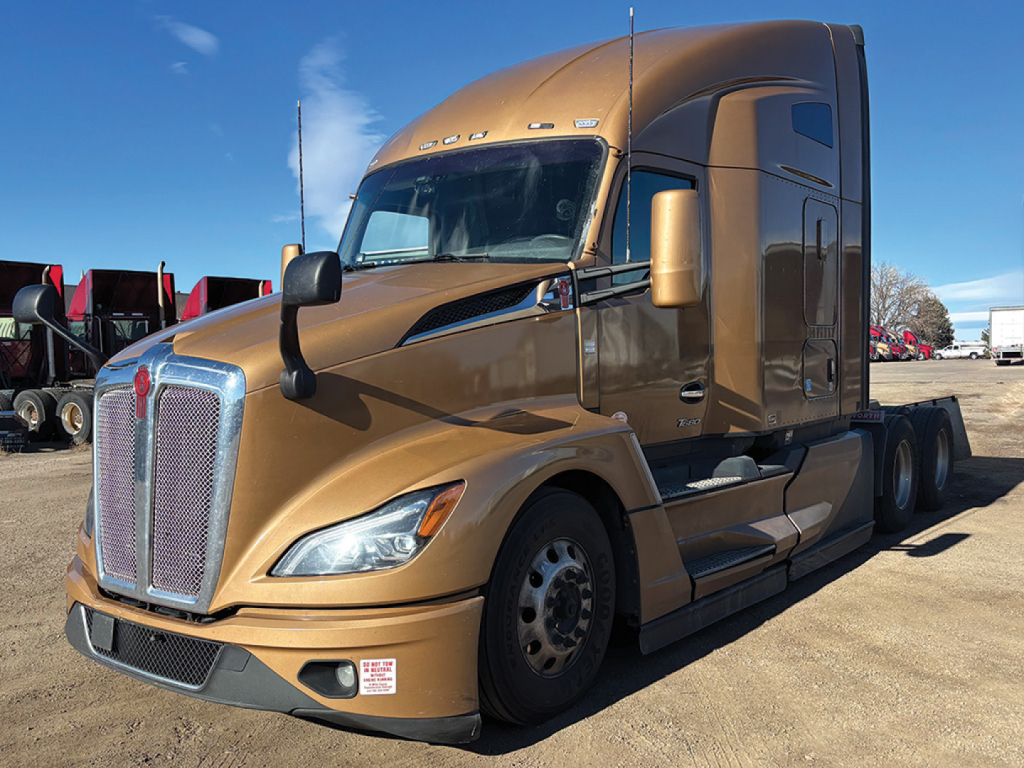
Have kenworth conventional sleeper truck to sell? List it here to reach thousands of buyers.
About Kenworth Conventional Sleeper Trucks in Ohio
The first buying decision is usually sleeper size and roof configuration. Many late-model Kenworth sleepers are equipped with 76-inch high-roof sleepers, which are well suited for team operations, extended stays on the road, and fleets that want stronger driver retention. Power typically comes from the PACCAR MX-13 in ratings around 405 to 455 horsepower, commonly paired with an automated transmission and engine brake. Typical highway specs include 40,000-pound rear axles, air ride suspension, 2.64 rear ratios, air-slide fifth wheels, and 22.5 low-profile tires. That combination is aimed at fuel-efficient cruise speeds and van or reefer work rather than heavy vocational pulling.
Aerodynamics and cab equipment make a real difference in this class. Side fairings, cab extenders, quarter fenders, and horizontal exhaust are common on newer T680 configurations because they help reduce drag and improve tractor-trailer airflow. Inside the cab, buyers should pay attention to bunk heater availability, dash layout, storage, HVAC performance, and seating condition, especially on trucks that have spent their life in long-haul service. Newer trucks may add digital dash systems, collision mitigation technology, disc brakes, and upgraded trim packages, all of which can improve driver acceptance and safety performance.
For Ohio buyers, conventional sleeper trucks are often spec'd for interstate freight moving across the Midwest, Northeast, and Southeast, so axle ratio, horsepower, and wheelbase should match your lanes and average gross weight. A 226-inch wheelbase with an aerodynamic sleeper setup is a common sweet spot for general freight, balancing ride quality, trailer gap, and maneuverability. Before buying, compare emissions system history, transmission calibration, tire wear pattern, brake type, fuel tank capacity, and service records. On a Kenworth sleeper, those details usually tell you more about future operating cost than paint, trim, or model year alone.
Frequently Asked Questions
What is a Kenworth conventional sleeper truck best suited for?
A Kenworth conventional sleeper truck is best suited for over-the-road hauling, regional linehaul, and dedicated freight lanes that require a bunk and more onboard storage than a day cab can provide. Models such as the T680 are commonly used in dry van, refrigerated, and general freight applications because they combine aerodynamic design, highway gearing, and driver comfort features that support longer trips and better fuel efficiency.
What engine and transmission are common in Kenworth T680 sleeper trucks?
Many Kenworth T680 sleeper trucks are equipped with the PACCAR MX-13 engine, often in the 405 to 455 horsepower range, paired with an automated transmission. This setup is popular because it supports fuel-efficient highway operation, consistent shift quality, and easier driver onboarding compared with a manual transmission. An engine brake is also a common feature and is valuable for terrain, brake life, and overall control.
Is a 76-inch high-roof sleeper a good choice?
A 76-inch high-roof sleeper is a strong choice for long-haul applications, team driving, and fleets that want more livable cab space. It gives drivers more headroom, storage, and bunk comfort than smaller sleepers, which matters on multi-day trips. The tradeoff is slightly more weight and overall height, but for most highway operations the added comfort and usability outweigh those drawbacks.
Why do rear axle ratio and wheelbase matter on a conventional sleeper?
Rear axle ratio and wheelbase have a direct effect on fuel economy, cruise RPM, ride quality, and how the truck matches your freight. A common highway ratio such as 2.64 is designed for lower engine speed at road speed, which supports fuel-efficient interstate use. Wheelbase, often around 226 inches in this class, affects trailer gap, turning radius, and weight distribution, so it should line up with the trailer lengths and loading patterns in your operation.
What should I inspect first on a used Kenworth sleeper truck?
Start with the powertrain and chassis history before cosmetic details. Review engine and emissions repairs, transmission service records, brake condition, suspension wear, tire pattern, and any signs of chronic fault codes or regeneration issues. On the cab side, inspect the sleeper HVAC, bunk heater, dash electronics, seats, and seals. A used sleeper tractor can look clean and still have expensive deferred maintenance, so maintenance documentation and a thorough inspection are critical.