
Hyundai Van Trailers For Sale in Michigan
Shop Hyundai van trailers for sale in Michigan. Compare 53-foot dry van specs, construction, door options, and features that matter to fleets.
Learn more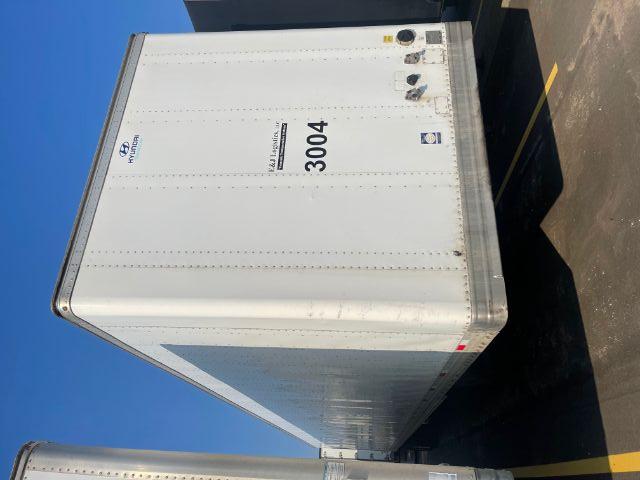
Have hyundai van trailer to sell? List it here to reach thousands of buyers.
About Hyundai Van Trailers in Michigan
The main buying decision is usually trailer age and specification versus intended freight. For palletized consumer goods, retail freight, paper products, and dock-to-dock LTL use, the key details are floor condition, roof bows, sidewall straightness, and the amount of previous forklift abuse around the threshold plate and rear corner area. Suspension type, axle spread, wheelbase, and tire size all affect maintenance cost and loading characteristics. Many Hyundai van trailers are spec'd with tandem axles, spring or air ride suspension, steel wheels or aluminum wheel options, and standard ICC bumper and underride protection. Buyers should also check kingpin setting, landing gear wear, crossmember condition, and door seal fitment, especially on older units.
A good Hyundai van trailer should track straight, seal tightly, and show even wear across tires, brakes, and suspension components. In Michigan operations, trailer brake condition, ABS function, air system leaks, and lighting performance matter year-round, especially for fleets running regional lanes in wet or winter conditions. Inside the trailer, scuff liners, logistics track, hardwood flooring, and roof repair history tell you a lot about prior use. If the trailer will be loaded heavily or cycled through busy docks, pay close attention to floor repair patches, threshold damage, rear sill corrosion, and evidence of wall or roof impact. Those areas usually determine how much reconditioning cost remains after purchase.
Hyundai has a strong presence in the dry van market, so parts support and service familiarity are generally good. That makes these trailers practical for fleet buyers, owner-operators adding capacity, and shippers looking for dependable enclosed freight equipment. When comparing listings, it helps to separate cosmetic wear from structural wear. A van trailer with honest exterior aging but a sound floor, solid rear frame, dry roof, and healthy running gear can be a far better value than a cleaner-looking unit with hidden corrosion or heavy dock damage. For most buyers in this category, the best unit is the one with the strongest maintenance fundamentals, not just the newest model year.
Frequently Asked Questions
What should I inspect first on a used Hyundai van trailer?
Start with the floor, rear frame, doors, suspension, brakes, and tires. On a dry van, the floor and rear structure often show the true level of use because they absorb most forklift traffic and dock impact. In Michigan, corrosion around the rear sill, door frame, crossmembers, and landing gear mounting points deserves extra attention due to road salt exposure. A straight sidewall and dry roof are also important because water intrusion can lead to hidden structural deterioration.
Are Hyundai van trailers good for general freight service?
Yes. Hyundai van trailers are widely used for general freight, palletized goods, retail distribution, and dock-to-dock hauling. They are known for practical dry van construction and specs that fit mainstream fleet operations. The right trailer still depends on condition, prior use, and maintenance history, but Hyundai is a well-known make in the van trailer market with broad service familiarity and common replacement parts support.
What size is most common for a Hyundai van trailer?
The most common configuration is a 53-foot by 102-inch dry van trailer. That size is standard for much of the freight market because it maximizes cubic capacity while remaining compatible with most docks, lanes, and fleet operations. Buyers may also see differences in door type, suspension, wheel setup, and interior equipment such as scuff liners or logistics posts depending on the original fleet specification.
Why is a galvanized rear door frame important on a van trailer?
A galvanized rear door frame helps resist corrosion in one of the trailer's highest-stress and highest-exposure areas. The rear frame sees frequent dock contact, moisture, road spray, and repeated opening and closing cycles. In northern states such as Michigan, corrosion protection in this area can extend service life, reduce repair frequency, and help the doors maintain proper alignment and sealing.
How do I know if a used dry van trailer has been overloaded or heavily abused?
Look for cracked or patched flooring, bent crossmembers, threshold plate damage, door misalignment, uneven tire wear, and stress around suspension hangers or landing gear mounts. Interior wall scars from repeated forklift strikes, roof repairs, and buckling near the rear corners can also indicate hard use. A pre-purchase inspection should include brake measurement, air leak checks, ABS verification, and a close look underneath the trailer for structural repairs or corrosion that may not be obvious from the outside.