
Used Caterpillar Motor Graders For Sale
Shop used Caterpillar motor graders for road building, site prep, and maintenance. Compare Cat grader models, blades, ripper setups, and specs.
Learn more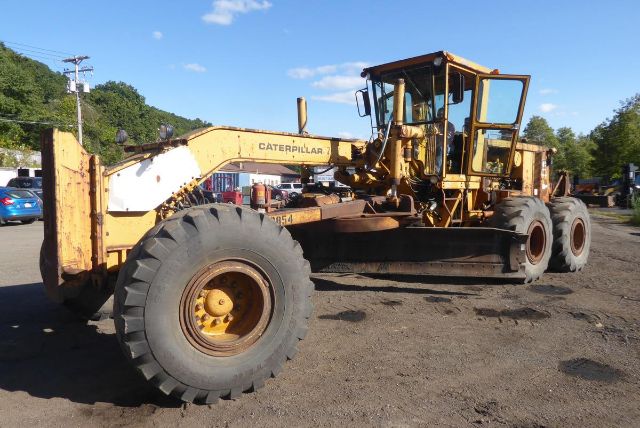
Have used caterpillar motor graders equipment to sell? List it here to reach thousands of buyers.
About Used Caterpillar Motor Graders
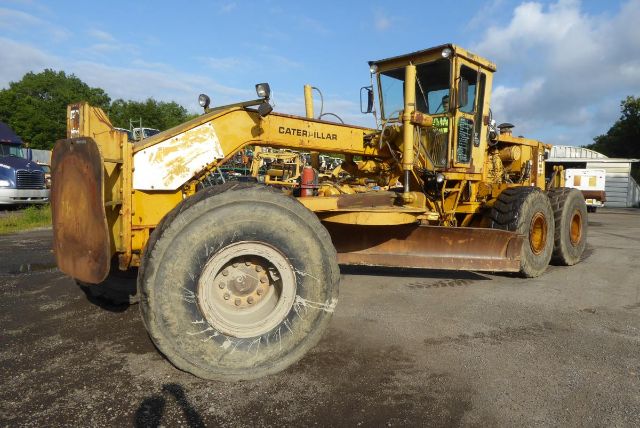
On larger Caterpillar graders, common evaluation points include moldboard length, circle and drawbar wear, articulation performance, steering cylinder condition, and transmission operation in every forward and reverse range. Older Cat units often use mechanical-injection engines and straightforward powershift or automatic transmissions, which can appeal to buyers who want simpler serviceability. Tires in this class are commonly 23.5R25 on full-size graders, and overall transport dimensions can be a deciding factor if the machine will move frequently between jobs. A ripper or scarifier setup adds value for operators working in packed material, caliche, or road reclamation where surface breaking is part of the cycle.
Hydraulic condition is especially important on a used motor grader. Small seepage at cylinders may be manageable, but buyers should still inspect blade lift, side shift, articulation, steering, and ripper functions under load. Excess play in the circle, saddle, or blade linkage can affect finish quality and raise repair costs quickly. Cab condition, brake performance, tire match, and evidence of frame cracking or poor pin and bushing maintenance also deserve close attention. On older Caterpillar graders, a machine that starts clean, pulls strong through the gears, articulates smoothly, and holds a blade steady is usually more valuable than one with cosmetic appeal alone.
Caterpillar motor graders are also known simply as graders or road graders, and they remain a practical choice for counties, quarries, pipeline contractors, and heavy civil crews that need a machine built for long passes and consistent finish work. When comparing used Cat graders, look at service history, undercarriage and tandem condition, cutting edge wear, and the availability of replacement parts for the specific model series. The right machine depends on the material being cut, haul requirements, and whether the priority is precision finish grading, maintaining haul roads, or heavier road rebuilding work.
Frequently Asked Questions
What should I inspect first on a used Caterpillar motor grader?
Start with the moldboard, circle, and drawbar because wear in these areas directly affects grading accuracy and can be expensive to correct. After that, check articulation, steering, hydraulic cylinders, tandem drives, brakes, and transmission performance in every gear range. A used Cat grader should also be inspected for frame cracks, uneven tire wear, ripper operation, and excessive play in blade linkage or front end components.
Are older Caterpillar motor graders still a good buy?
Older Caterpillar graders can still be a strong value when the machine has been maintained and the wear points are understood before purchase. Many older Cat models use simpler mechanical engines and durable driveline components that are familiar to experienced fleet mechanics. The key is not age alone but the condition of the hydraulics, circle components, tandems, transmission, and structural areas that determine how well the grader will work on a jobsite.
Why does a rear ripper matter on a motor grader?
A rear ripper adds versatility by letting the grader break compacted soil, hardpack, shale, or deteriorated road surfaces before finish grading. This can reduce the need for a second machine on road maintenance and site prep work. For buyers handling reclamation, rural road repair, or material that does not cut easily with the blade alone, a grader with a functional ripper setup is usually more desirable.
What size blade is common on larger Caterpillar motor graders?
Larger Caterpillar motor graders commonly carry moldboards in the 14-foot to 16-foot class, with bigger units often equipped for wide road and haul road maintenance work. Blade size should match the application, because a wider moldboard helps productivity on open grading but also affects transport dimensions and machine balance. Buyers should also look at cutting edge condition, side shift function, and whether the blade setup matches the type of finish or heavy cut work required.
How important are transport dimensions on a used motor grader?
Transport dimensions are important because larger graders can create permitting, route, and trailer selection issues, especially when the machine moves often between projects. Overall width, height, operating weight, and attachment configuration all affect hauling cost and logistics. A grader that fits your transport plan without repeated modifications can save time and money over the life of the machine.