
Genie Equipment For Sale
Shop Genie trucking equipment listings including scissor lifts and access equipment, with key specs, applications, and buying points buyers should compare.
Learn more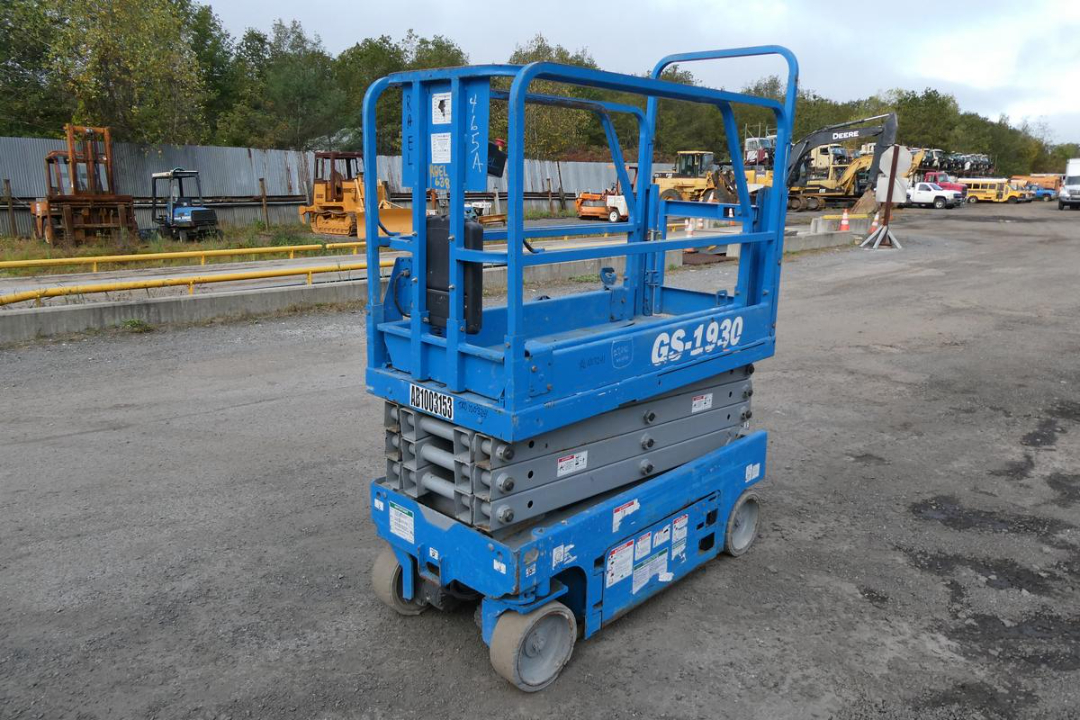
Have genie equipment to sell? List it here to reach thousands of buyers.
About Genie Equipment
For compact electric scissor lifts, common decision points include 2WD drive layout, solid non-marking tires, hydrostatic drive, charger condition, and the remaining life of the battery pack. A machine in the 19-foot platform height class is popular for maintenance departments, commercial interiors, MEP work, retail build-outs, and warehouse service because it balances reach with a small footprint. Platform capacity also matters more than many buyers expect. Standard deck rating and reduced capacity on an extended platform affect how much material, tooling, and labor can go up at one time. If the lift will be hauled regularly, check overall length, stowed height, and curb weight against trailer ratings and tie-down practice.
Used Genie equipment should be evaluated like any working fleet asset. Hours tell part of the story, but maintenance history, hydraulic condition, battery age, charger performance, pothole protection operation, platform controls, emergency lowering, and drive function under load are just as important. On electric units, look closely for charger faults, weak batteries at the end of a shift cycle, and uneven lift speed. On hydraulic systems, minor seepage may be manageable, but active leaks around hoses, cylinders, or pumps can lead to downtime and repair cost. Tire and wheel condition, scissor arm wear pads, platform pins, rail integrity, and decals or safety labeling also deserve attention.
Genie remains a recognized name because parts support, operator familiarity, and broad application fit help protect value in the used market. Buyers comparing listings should match the machine to the actual work environment instead of buying on height alone. Indoor slab work calls for compact electric models with low ground pressure and tight turning radius, while outdoor uneven terrain demands a different class of lift altogether. When the application, transport plan, and service needs line up, Genie equipment can be a practical addition for contractors, facility teams, rental fleets, and owner-operators who need reliable access equipment alongside their trucks and trailers.
Frequently Asked Questions
What should I look at first when buying used Genie equipment?
Start with the machine type, working height, platform capacity, power source, and overall dimensions. Then verify the condition of the batteries or engine, hydraulic system, platform controls, drive function, safety systems, and structural components. On a used Genie scissor lift, battery age, charger operation, scissor arm condition, and any hydraulic seepage usually tell you more about near-term cost than hours alone.
Are Genie scissor lifts suitable for trucking and fleet-related applications?
Yes. Genie scissor lifts are commonly used by fleet maintenance shops, warehouses, freight terminals, trailer service operations, and contractors that transport support equipment between sites. Compact electric models are especially useful for indoor access work because they have a small footprint, quiet operation, and solid tires designed for slab surfaces.
How important are platform capacity and deck extension on a Genie lift?
They are critical buying specs. A lift may have a stated platform capacity for the main deck, but that rating often drops when the platform extension is deployed. Buyers should compare both numbers against the actual tools, materials, and number of workers expected on the platform. This affects safety, productivity, and compliance with the machine’s operating limits.
Do hours matter on a used Genie machine?
Hours matter, but they should not be treated as the only measure of condition. A lower-hour machine with neglected batteries, poor charging habits, hydraulic leaks, or damaged controls can be a worse buy than a higher-hour unit that has been maintained properly. Service records, function tests, and overall operating condition usually provide a more accurate picture of value.
What are the main differences between indoor electric Genie lifts and rough-terrain models?
Indoor electric Genie lifts are built for flat, finished surfaces and usually offer narrow widths, low noise, and compact stowed dimensions. Rough-terrain models are designed for outdoor jobsite conditions and typically have larger tires, higher ground clearance, stronger gradeability, and greater chassis weight. Buyers should choose based on surface conditions, transport method, and required working height rather than brand alone.