
Crane Trucks For Sale in Washington
Browse crane trucks for sale in Washington. Compare chassis, boom capacity, outriggers, PTO setups, and body configurations by job type.
Learn moreNo exact matches found for your search
Showing Crane Trucks instead.

Showing 1 to 12 of 24 results
Have crane truck to sell? List it here to reach thousands of buyers.
About Crane Trucks in Washington
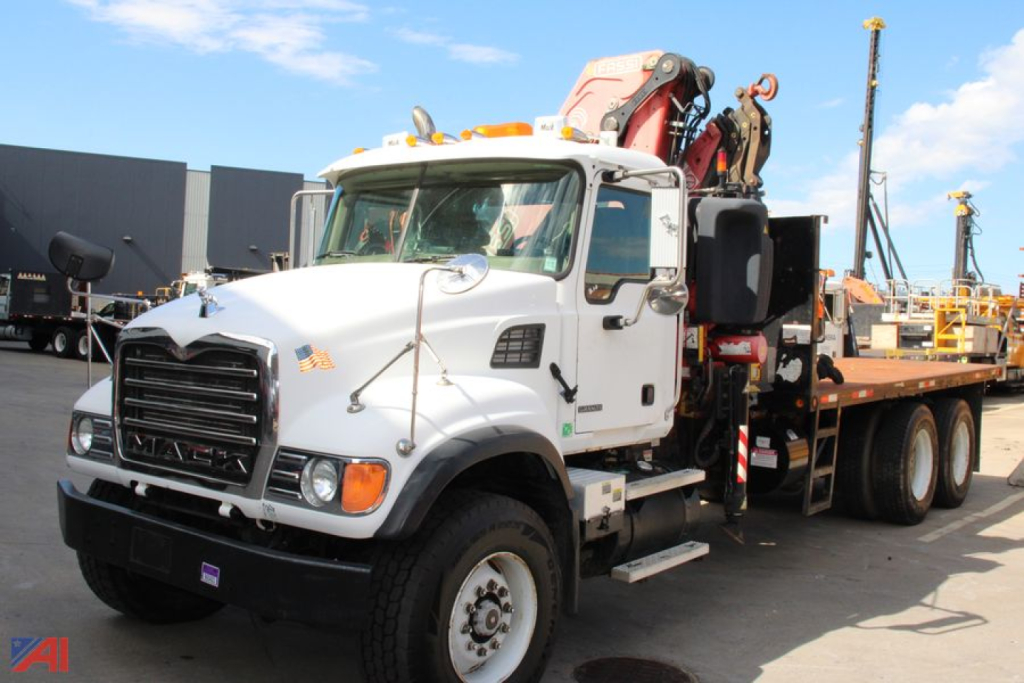
Most crane trucks in this category are built on medium-duty and heavy-duty truck platforms with service bodies, flatbeds, or mechanic truck bodies. Common specs include hydraulic telescopic booms, PTO-driven hydraulic systems, stabilizers or full outriggers, and rear or behind-cab crane mounting. Buyers should compare maximum lift rating, horizontal reach, boom rotation, hook height, and the crane chart at different radiuses. Body layout matters just as much. Tool compartments, bed length, payload capacity, tie-down points, headache racks, and deck space all affect day-to-day usefulness. On the chassis side, front axle capacity, rear axle rating, wheelbase, GVWR, transmission choice, and engine torque all play directly into legal payload, crane performance, and roadability.
A crane truck can also be referred to as a boom truck in some applications, although buyers should verify the actual body and crane configuration because service cranes, stiff-boom cranes, and material-handling cranes are used differently. For frequent lifting of pallets, generators, trusses, job boxes, or small equipment, pay attention to outrigger span, frame reinforcement, and PTO hours if available. Hydraulic condition is critical. Inspect cylinders, hoses, valves, winch function, and any signs of leakage or drift under load. If the truck will be used in tighter Washington metro areas or on utility work, turning radius, cab configuration, and overall length can matter as much as raw lifting specs.
A strong crane truck purchase usually comes down to matching lift chart, deck payload, and chassis durability to the work you actually do. Buyers should confirm current inspection status, operator control type, remote control availability, and whether the crane has overload protection or other safety systems. It is also smart to review tire condition, suspension wear, brake performance, and any corrosion on the body, bed, or outriggers, especially in equipment exposed to coastal moisture or year-round weather. The best crane truck for sale is the one sized correctly for your lifts, stable on your typical jobsites, and serviceable with parts and support you can get quickly.
Frequently Asked Questions
What should I look at first when buying a used crane truck?
Start with the crane rating at working radius, not just the maximum lift number in the brochure. Then confirm the chassis GVWR, axle ratings, body style, and outrigger setup support the lifts and payloads you expect to handle. On a used unit, hydraulic condition, structural integrity of the bed and subframe, PTO operation, and visible wear in the boom, pins, cylinders, and outriggers are all high-priority inspection points.
What is the difference between a crane truck and a boom truck?
The terms are often used interchangeably, but they can describe different setups depending on the seller and application. A crane truck is a broad category that includes trucks fitted with service cranes, stiff-boom cranes, or material-handling cranes on a flatbed or service body. A boom truck often refers more specifically to a truck with a mounted lifting boom used for placing materials. The safest approach is to verify the crane type, mounting position, lift chart, and body configuration rather than relying on the label alone.
How important are outriggers on a crane truck?
Outriggers are critical because they provide the stability that allows the crane to lift safely at reach. A truck with a higher-rated crane can still be limited in real use if the outrigger span is narrow or the jobsite conditions are poor. Buyers should evaluate outrigger type, extension width, pad condition, hydraulic function, and how the system performs on uneven ground. Stability is a major part of crane performance.
What body style works best on a crane truck?
That depends on the work. A service body is common for field repair and mechanic applications where enclosed tools, parts storage, and a compact layout matter. A flatbed or platform body is better when the truck needs to haul materials, pallets, pipe, or equipment in addition to lifting. Buyers should think about deck length, compartment space, tie-down points, payload, and how much room is needed to stage loads without interfering with crane operation.
Are crane trucks a good fit for Washington job conditions?
They can be a very good fit because they let one truck deliver materials and place them without separate lifting equipment on many jobs. In Washington, that is especially useful for construction, municipal, utility, and service work where access can be limited and weather can change ground conditions quickly. Buyers should pay close attention to traction, axle capacity, outrigger stability, and corrosion exposure if the truck will work in coastal areas or year-round wet conditions.