
Conventional Sleeper Trucks For Sale in Wisconsin
Browse conventional sleeper trucks for sale in Wisconsin, including raised-roof highway tractors built for long-haul comfort, fuel economy, and uptime.
Learn moreNo exact matches found for your search
Showing Conventional Sleeper Trucks instead.

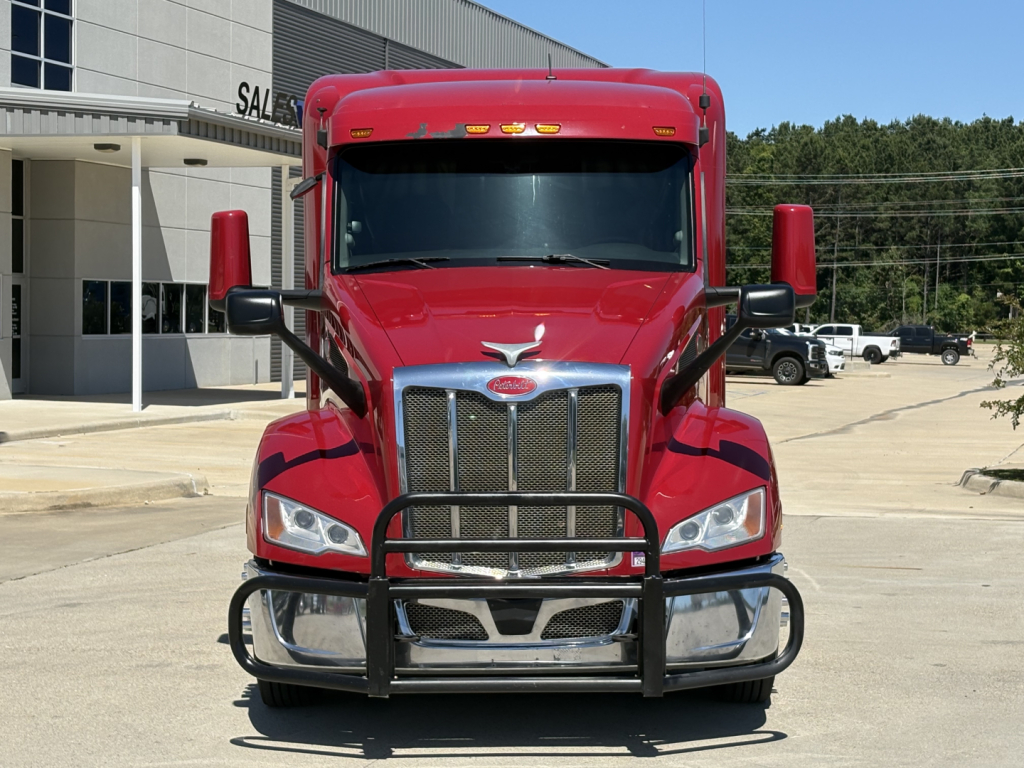
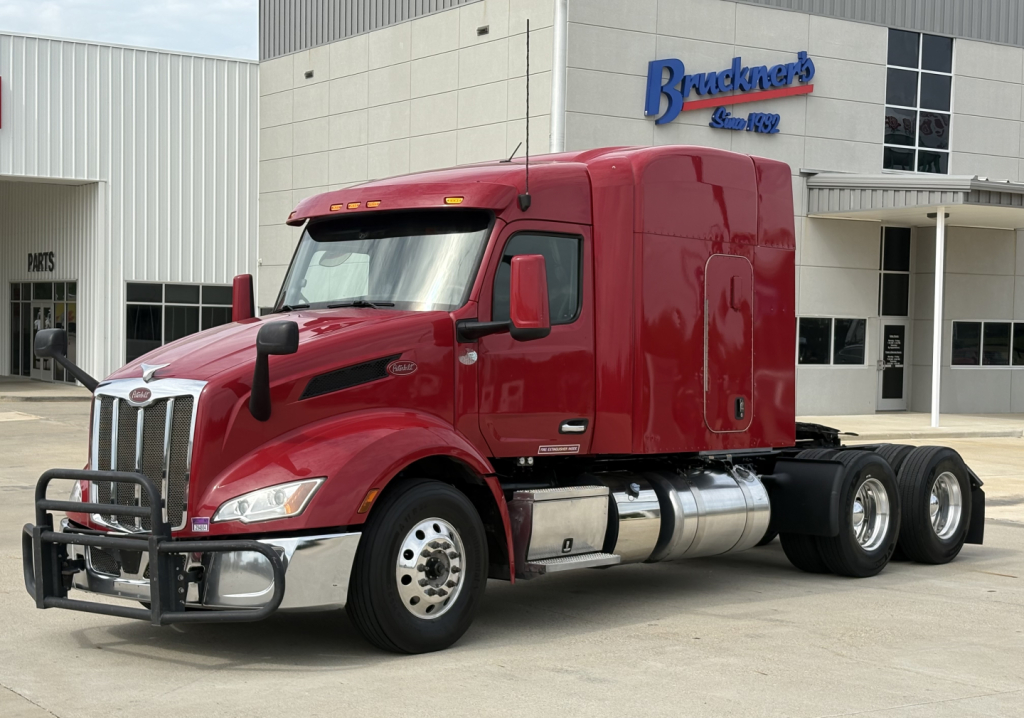
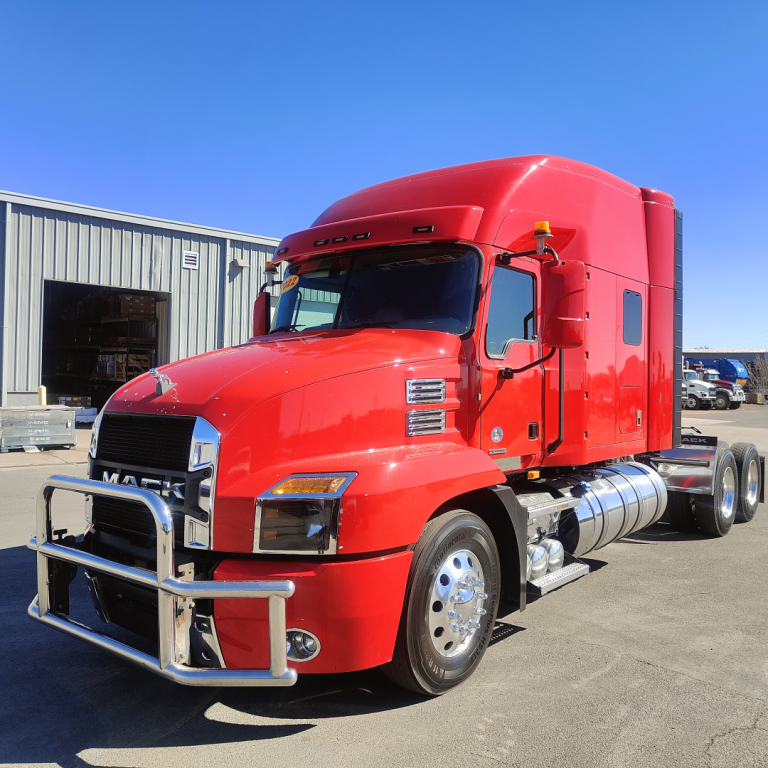
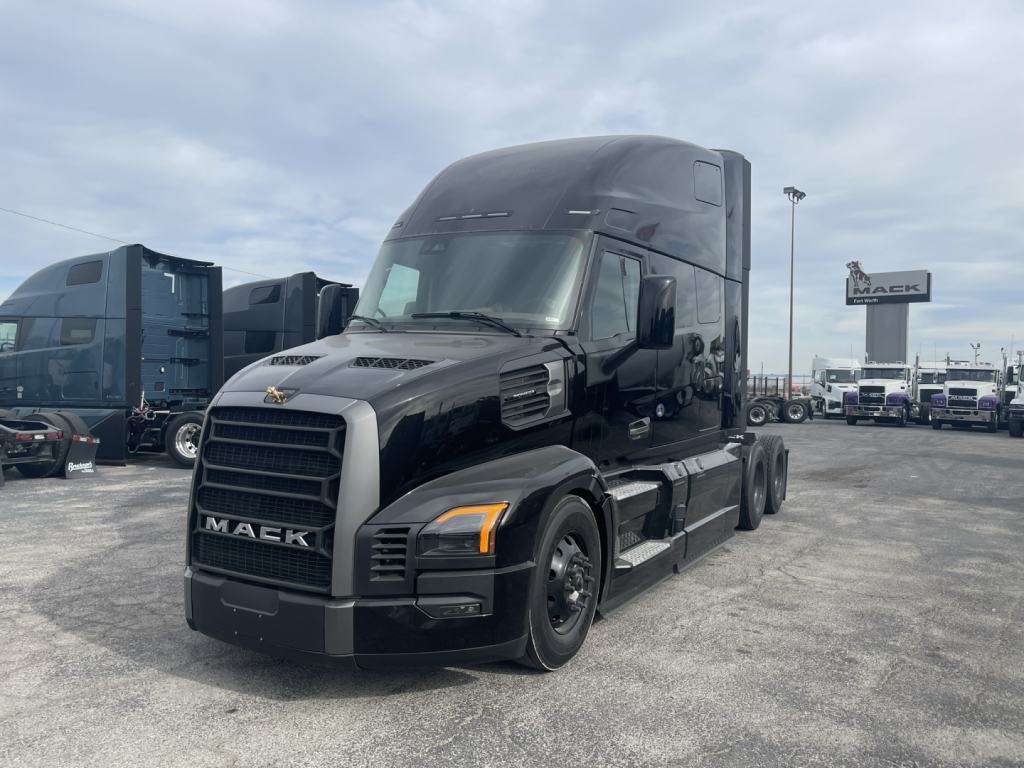
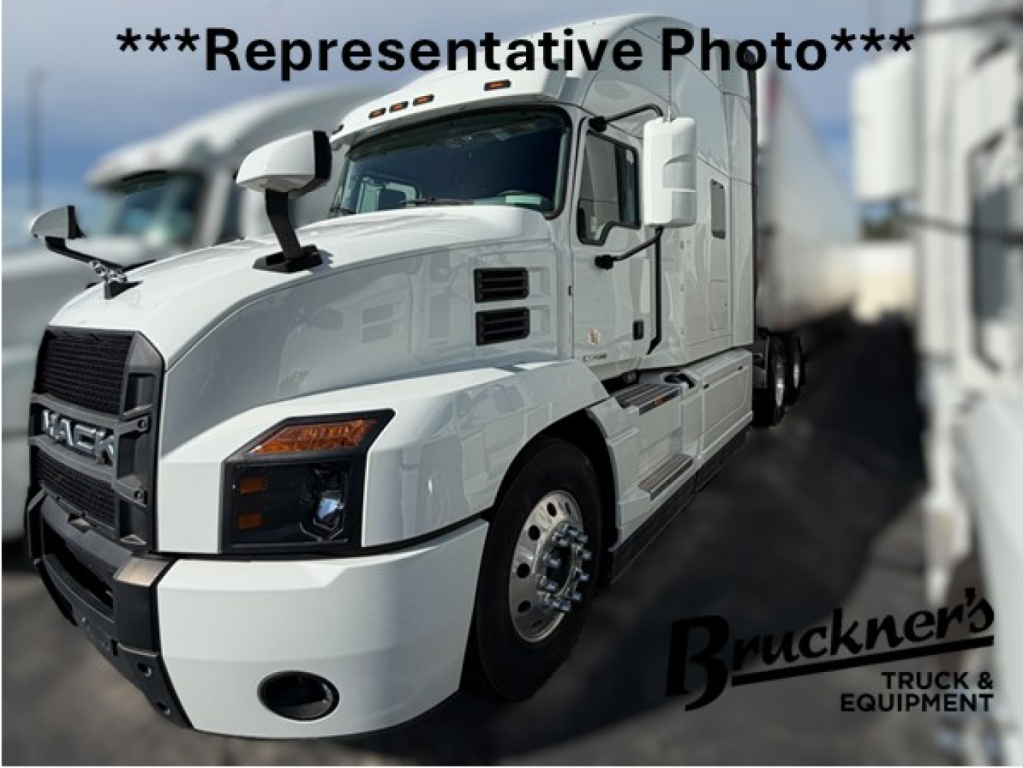
2023 Mack AN64T70
2,978 mi
Showing 1 to 12 of 729 results
Have conventional sleeper truck to sell? List it here to reach thousands of buyers.
About Conventional Sleeper Trucks in Wisconsin
The first major buying decision is usually sleeper size and cab layout. Raised-roof sleepers in the 70-inch to 72-inch range are common because they give a driver enough room for an upper bunk, stand-up space, storage, and options like a refrigerator, workstation, or bunk heater. For fleets and owner-operators running longer trips, an APU can reduce engine idling and improve driver comfort during rest periods. Interior condition matters more than many buyers expect, because wear in the bunk, seats, cabinets, and climate controls can tell you a lot about how the truck was used and maintained.
On the chassis side, most conventional sleeper trucks are spec'd with 400 to 500 horsepower engines, automated manual or manual transmissions, 40,000-pound rear axles, and air ride suspension. Popular combinations include Detroit DD15, Volvo D13, and similar heavy-duty diesel platforms paired with overdrive transmissions and faster rear axle ratios such as 2.28 or 2.47 for fuel-efficient highway cruising. Older specs may carry deeper ratios like 3.58, which can still be useful depending on terrain, load profile, and operating speed. Wheelbase, fifth wheel adjustability, brake type, fuel tank capacity, and tire size all affect how the truck fits van, reefer, or general freight work. Disc brakes, aerodynamic fairings, cab extenders, and low rolling resistance tires are commonly sought for uptime and efficiency.
A used conventional sleeper should be evaluated as a complete operating package, not just by year and mileage. Buyers should compare engine hours, idle hours, emissions history, service records, bunk HVAC performance, transmission calibration, suspension wear, and condition of the aftertreatment system. In Wisconsin service, corrosion exposure from winter roads makes frame condition, air lines, wiring, brackets, and crossmembers especially important. A well-matched sleeper tractor can deliver lower cost per mile, stronger driver retention, and better resale value than a day cab pushed into long-haul duty.
Frequently Asked Questions
What is a conventional sleeper truck used for?
A conventional sleeper truck is built for over-the-road freight where the driver needs an integrated sleeping compartment behind the cab. These trucks are commonly used in long-haul, regional, and dedicated highway service pulling dry vans, reefers, and many flatbed or specialized trailers. The sleeper adds rest space, storage, and living amenities that are not available in a day cab, making it the standard configuration for multi-day routes.
What sleeper size is most common on a highway tractor?
Raised-roof sleepers in the 70-inch to 72-inch range are among the most common specs because they balance interior living space with overall weight and maneuverability. This size often includes room for an upper bunk, cabinets, climate controls, and accessories such as a refrigerator or bunk heater. Larger sleepers may suit team operations or extended time on the road, while smaller sleepers can work for shorter regional runs.
Is an automatic or manual transmission better in a conventional sleeper?
Automated manual transmissions are now the dominant choice in conventional sleeper trucks because they improve driver acceptance, reduce shift-related wear, and support fuel economy programming on highway routes. Manual transmissions still appeal to some buyers who want simplicity or prefer direct control, especially in older trucks. The right choice depends on driver pool, maintenance support, terrain, and how standardized the rest of the fleet is.
What specs matter most when buying a used conventional sleeper truck?
The most important specs are engine and transmission model, horsepower, rear axle ratio, wheelbase, sleeper size, fuel capacity, suspension type, and brake configuration. Beyond the spec sheet, buyers should review maintenance records, fault code history, emissions system repairs, idle hours, tire wear patterns, and signs of corrosion or frame damage. A truck with the right gearing and sleeper setup for the intended lane usually performs better than a newer truck with the wrong spec.
Why do Wisconsin buyers pay close attention to bunk heaters and corrosion?
Wisconsin operating conditions make cold-weather comfort and winter durability important factors in a sleeper tractor. A functioning bunk heater helps reduce unnecessary idling and keeps the sleeper usable in low temperatures, which matters for driver comfort and fuel cost. Road salt and winter moisture can accelerate corrosion on frames, brackets, wiring, air system components, and undercarriage hardware, so a careful inspection underneath the truck is essential.