
Bucket Trucks For Sale in Georgia
Browse bucket trucks for sale in Georgia, including insulated and non-insulated boom trucks for utility, telecom, tree care, and sign work.
Learn moreNo exact matches found for your search
Showing Bucket Trucks instead.
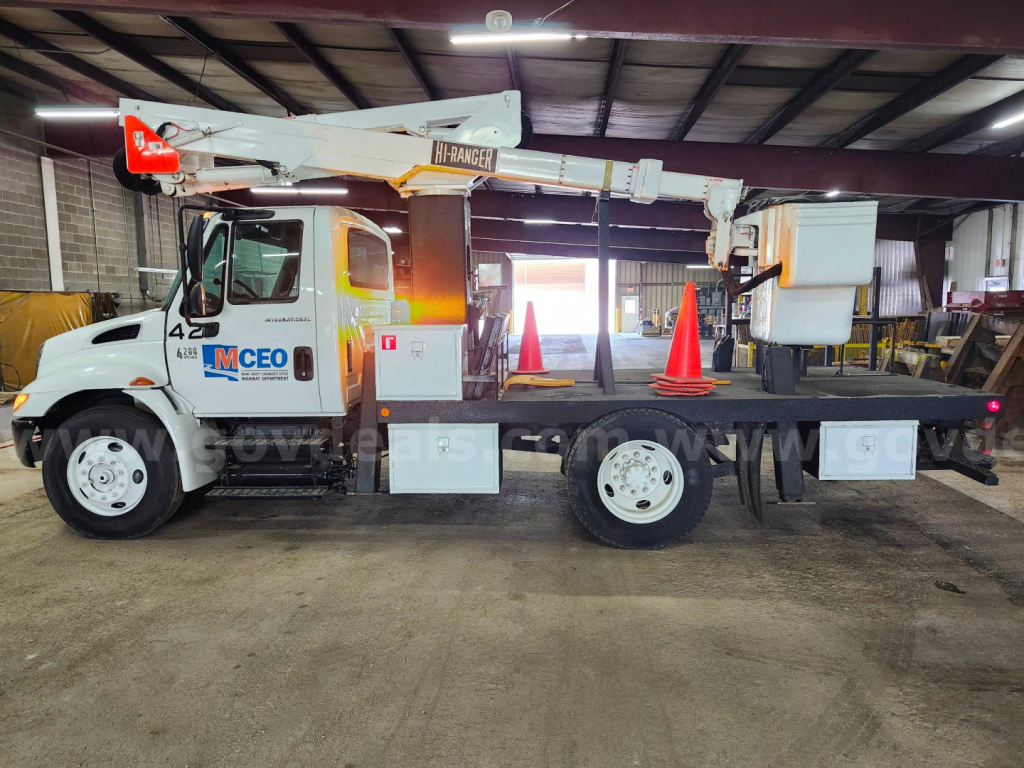
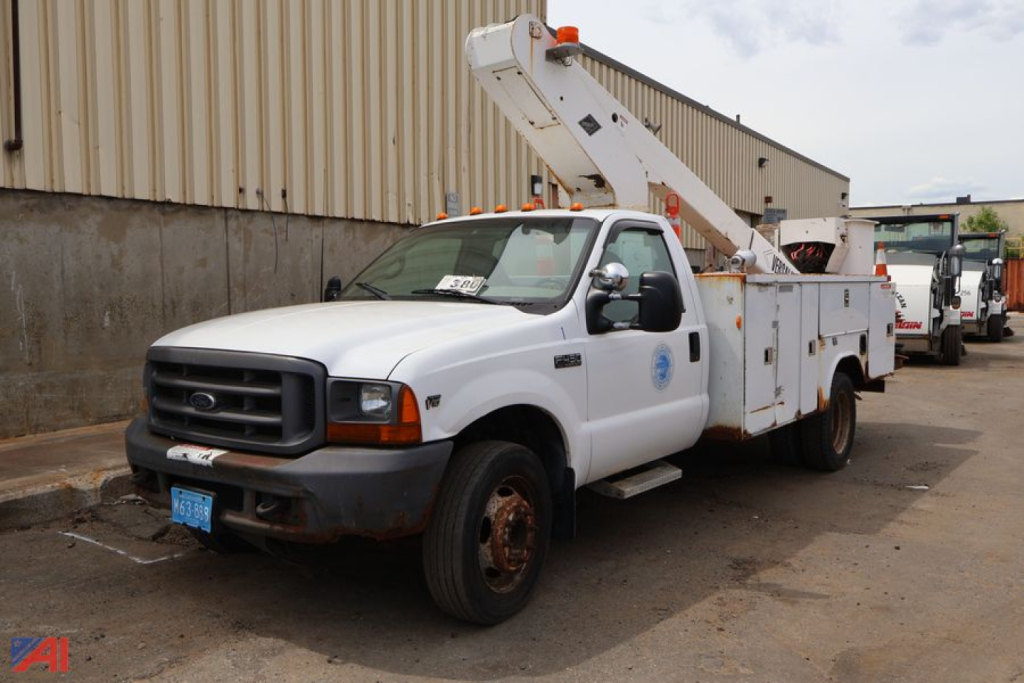
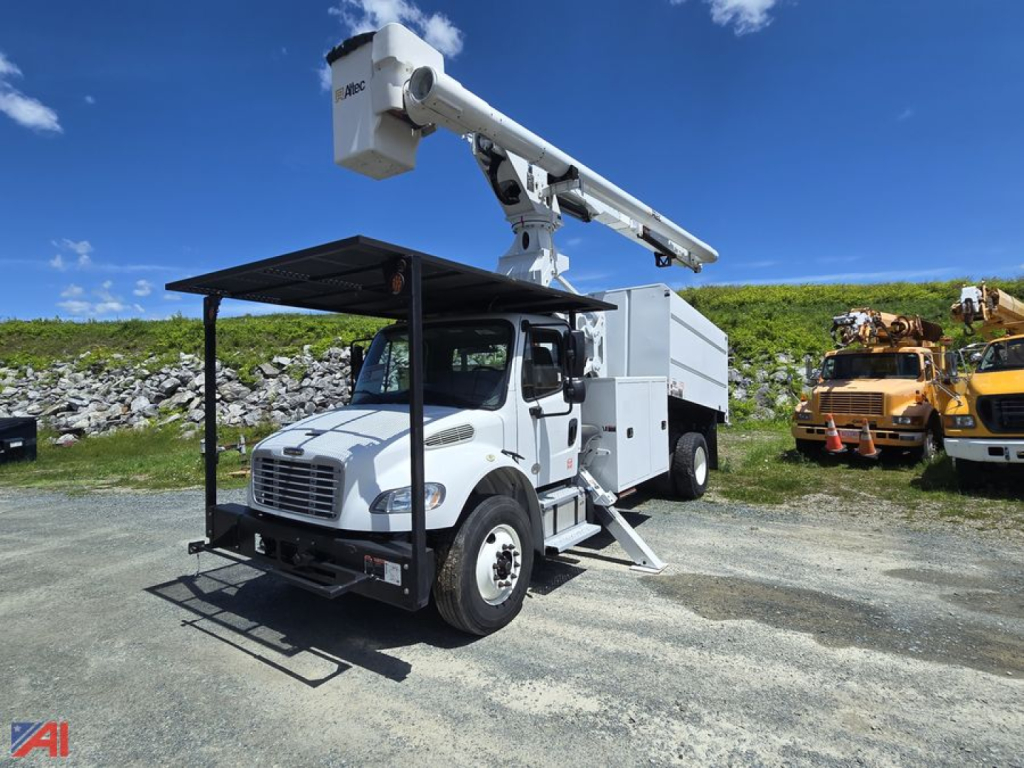

Showing 1 to 12 of 21 results
Have bucket truck to sell? List it here to reach thousands of buyers.
About Bucket Trucks in Georgia
Boom configuration matters as much as height. Articulating bucket trucks give operators better up-and-over reach around limbs, wires, and structures, while telescopic booms are valued for simpler straight-line access and strong horizontal reach. Platform capacity, side reach, turret rotation, and stowed travel height all affect day-to-day usability. Buyers should also pay attention to hydraulic system condition, PTO operation, lower and upper controls, emergency descent functions, and any signs of wear in the boom bushings, pedestal, or subframe. If the truck has an insulated boom, dielectric testing records and current ANSI compliance documentation carry real value.
Chassis and drivetrain specs should match the work cycle and the roads the truck will see. Many bucket trucks are built on medium-duty platforms from GMC, Ford, International, Freightliner, and Chevrolet with diesel engines, automatic transmissions, and hydraulic or spring suspensions. In Georgia, stop-and-go urban utility work may favor a maneuverable single-axle truck, while rural co-op and tree crews often want more storage, better ground clearance, and a stable setup for shoulder work. Tool compartments, outriggers, step configuration, hitch equipment, and generator or inverter setups can make a major difference for service-body functionality. Fleet buyers also look closely at wheelbase, GVWR, axle ratings, and payload after the body and boom are installed.
A good bucket truck purchase comes down to service history, annual inspection records, and how well the boom and body spec fit the intended trade. Corrosion is usually less severe in Georgia than in northern salt states, but sun exposure, hydraulic hose aging, and body wear from hard utility or tree work still deserve close inspection. Buyers comparing used bucket trucks should verify actual boom manufacturer support, parts availability, structural repair history, and the condition of outriggers, hoses, pins, controls, and bucket liners. The right truck is not just about maximum height. It is about stable setup, safe operation, and a body-and-boom package that keeps crews productive on daily service calls.
Frequently Asked Questions
What is the difference between an insulated and a non-insulated bucket truck?
An insulated bucket truck is designed for work near energized electrical lines and typically uses a boom and bucket system tested to specific dielectric standards. A non-insulated bucket truck is used for tasks like sign installation, streetlight work, building maintenance, and tree trimming where electrical protection is not the primary requirement. Buyers should confirm test records, ANSI compliance, and the exact insulation rating before assigning a truck to line-related work.
What working height is most common for a bucket truck?
Many general-purpose bucket trucks fall in the 45 to 60 foot range, which covers a wide share of utility, telecom, lighting, and municipal service tasks. Shorter units can be easier to maneuver in urban areas and under tree cover, while taller booms are better for utility distribution work and broader side reach needs. The best choice depends on actual platform height, horizontal reach, and the clearance requirements of the job rather than advertised boom length alone.
What should I inspect first on a used bucket truck?
Start with the boom and hydraulic system, then move to outriggers, controls, and the service body. Look for leaks, cracked hoses, worn pins and bushings, uneven outrigger operation, corrosion around the subframe, and signs of structural repair. Maintenance records, annual aerial inspection reports, and dielectric test documentation are especially important because they speak directly to safe operation and future repair costs.
Are articulating or telescopic bucket trucks better?
An articulating boom is often better when crews need to work up and over obstacles such as limbs, wires, and rooftops. A telescopic boom is simpler in design and can be a strong fit for straight access and horizontal reach. Neither style is automatically better for every fleet. The right choice depends on the work environment, operator preference, maintenance considerations, and the type of access needed at the jobsite.
What chassis features matter most on a bucket truck?
GVWR, wheelbase, axle ratings, and stability equipment are the core chassis considerations because the boom and service body add substantial weight. Buyers should also evaluate engine type, transmission, suspension, turning radius, and brake configuration based on route density and terrain. For daily field service, storage layout, PTO performance, and outrigger footprint often matter just as much as the make of the chassis.