
Service/Utility Trucks For Sale
Shop service and utility trucks with crane, compressor, and work-ready bodies. Compare Class 3-7 specs, payload, PTO options, 4x4, and body materials.
Learn moreBrowse Service/Utility Trucks by Make

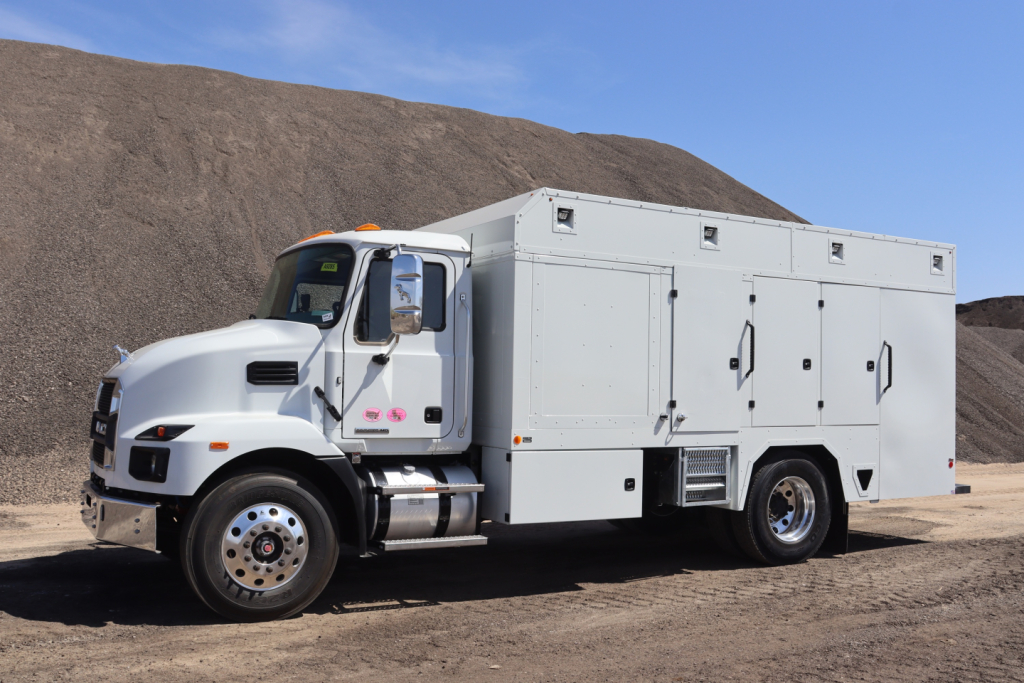
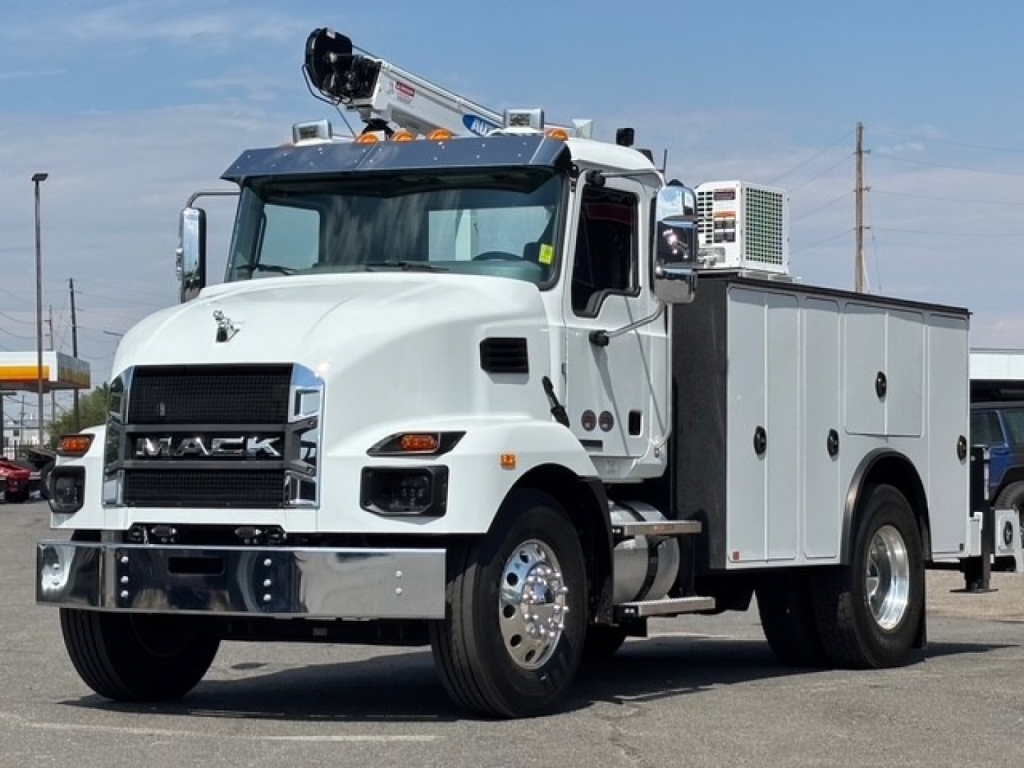
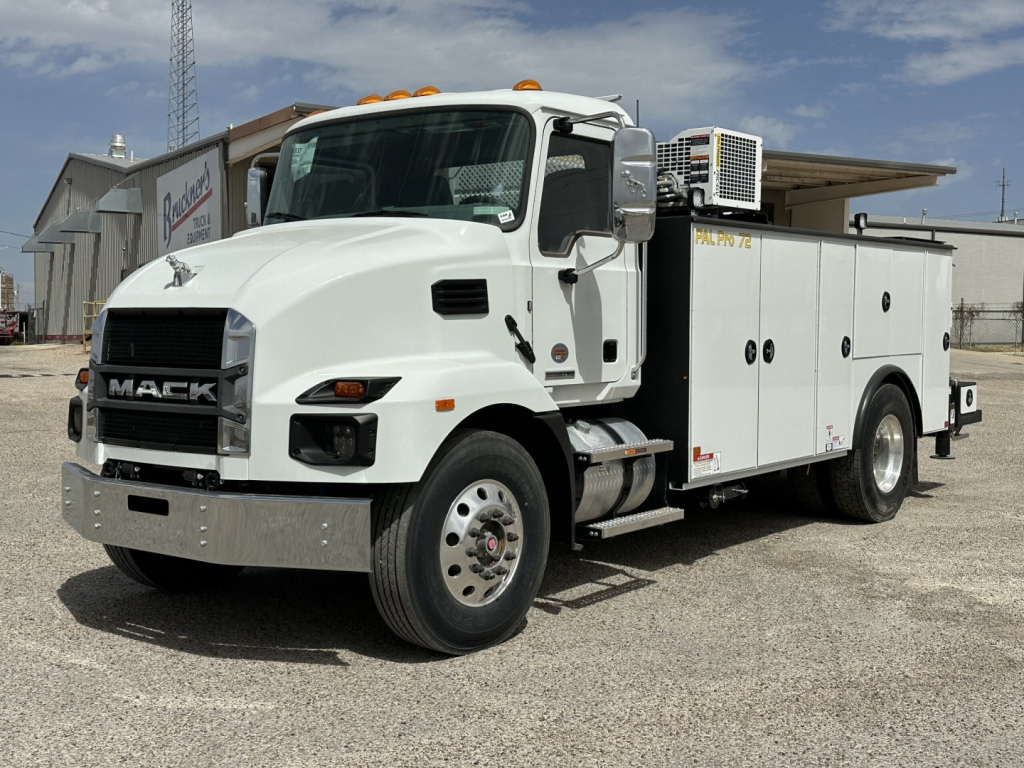
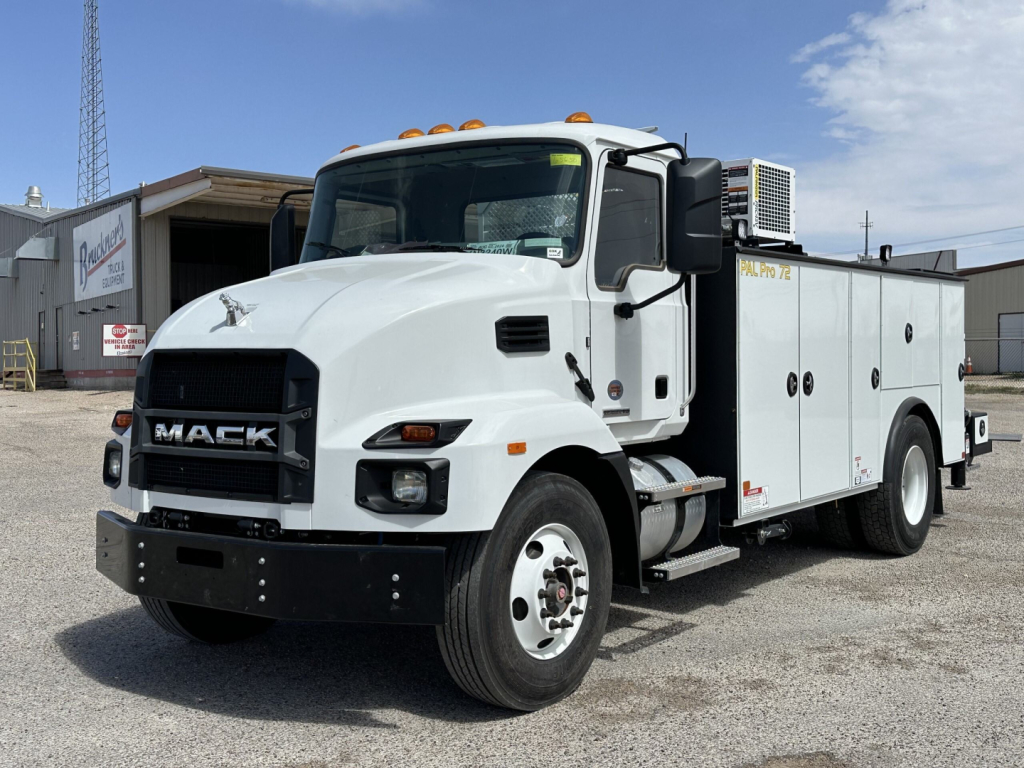
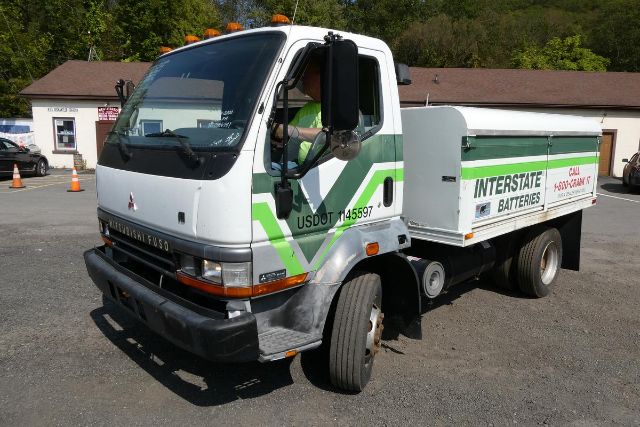
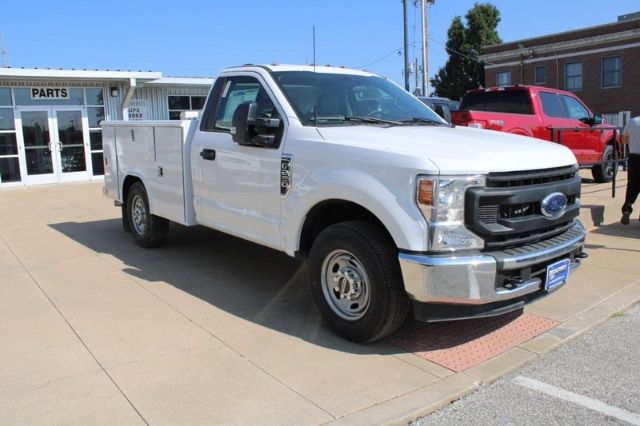
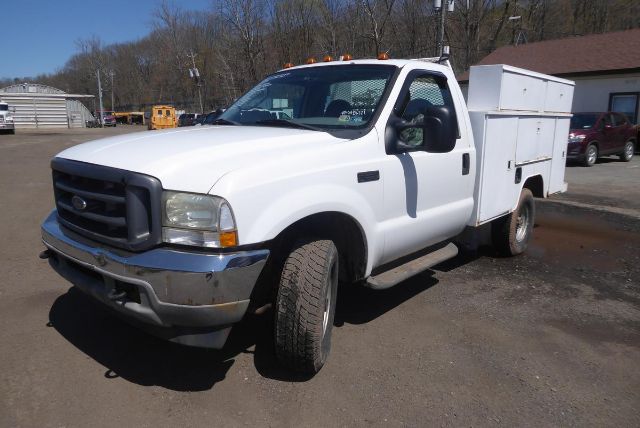
Showing 37 to 48 of 51 results
Have service/utility truck to sell? List it here to reach thousands of buyers.
About Service/Utility Trucks
Crane choice drives many decisions. Electric-hydraulic cranes in the 3,000 to 6,000 lb class suit lighter chassis with intermittent lifts. PTO-driven hydraulic cranes in the 6,000 to 14,000 lb range need heavier frames, outriggers, and a torsion or reinforced subframe for stability. Look for wireless remotes, proportional controls, anti-two block, load charts that match your real lift radius, and adequate outrigger spread. Electric cranes are simpler and cost less to maintain but can be slower on repeated picks. Full hydraulic systems deliver duty-cycle performance, at the cost of added weight, PTO plumbing, and higher idle fuel use.
Powertrain and driveline choices affect uptime and total cost. Gas engines offer lower upfront cost and avoid DPF/DEF complexity for high-idle fleets, but diesel torque supports PTO work, towing, and better fuel economy under load. 4x4 improves jobsite access yet reduces payload and turning radius compared to 4x2. Single rear wheel improves maneuverability, while dual rear wheel increases stability under cranes and trailers. Typical tire packages are 17 to 19.5 in on Class 3-5 and 22.5 in on Class 6-7. Above 26,000 GVWR generally requires a CDL and often air brakes, which can be advantageous for heavy trailers and larger cranes. For onboard power, compare underhood or PTO-driven rotary screw compressors to deck-mounted reciprocating units, and consider welder-generator combos, inverters, and shore power. Fleets that face anti-idle rules often spec battery APUs, auto start-stop, high-output alternators, or hybrid hydraulic packs to run tools with less engine time.
Body construction and upfit quality determine service life. Galvanneal steel bodies with e-coat and seam sealer balance cost and durability, while aluminum bodies resist corrosion and save weight in northern and coastal regions. Useful options include tall compartments with adjustable shelving, bolt bins and drawer sets, transverse boxes for welders, spray-in liners, slam latches and triple-sealed doors, strobes and scene lighting, workbench bumpers with vises, reel cabinets, and pintle or 2.5 in receiver hitches with brake controllers. Telematics that log PTO hours, crane cycles, and geofencing help plan maintenance and resale. When evaluating used units, check frame and body rust, compartment floors, hinge and latch function, wiring and lighting condition, compressor and welder output, PTO operation, crane wear pads and rotation bearing, outrigger cylinders, and documentation of annual crane inspections. Match specs to the work: utility maintenance, rental yard support, pipeline repair, and ag service all load trucks differently, so size payload, crane, and power accordingly.
Frequently Asked Questions
How do I choose the right GVWR and chassis class for a service or mechanics truck?
Start with your loaded weight. Add the service body, crane or compressor, tools, drawers, fluids, and a realistic safety margin. Light duty setups with no crane or a small 3k to 4k crane often fit Class 3-4 in the 10k to 16k GVWR range. Frequent lifting, lube skids, or towing a loaded equipment trailer usually push buyers into Class 5 at 17.5k to 19.5k GVWR. Large hydraulic cranes, big air, and heavy payloads typically need Class 6-7 at 22k to 33k GVWR for axle capacity and stability, and may benefit from air brakes. Staying at or below 26k GVWR keeps the truck non-CDL in many states.
Should I spec gas or diesel for a utility truck that idles a lot and runs PTO equipment?
Gas engines cost less up front and avoid diesel aftertreatment issues during long idle, which can help in light-duty service. Diesel offers higher torque for PTO-driven hydraulics, better fuel economy under heavy loads, and longer engine life in high-hour fleets. If you will run a hydraulic crane, big air, or tow regularly, diesel is usually the better fit. For light compressors, inverters, and limited towing, a modern gas chassis can be more cost effective. Consider idle-mitigation options and factor PTO hours into the total cost model.
What crane capacity and features should I look for on a mechanics truck?
Size the crane by your heaviest component at the actual lift radius where you will work, not just at minimum boom. A 6k to 8k crane with 20 to 30 ft reach covers many construction and ag repairs, while rental and heavy equipment service may require 10k to 14k units with hydraulic outriggers and reinforced bodies. Prioritize wireless proportional controls, rotation and boom wear pad condition, winch line speed, anti-two block, and a clear load chart. Ensure the chassis wheelbase, rear axle rating, and body subframe match the crane’s side-loading and outrigger spread.
Is 4x4 worth the trade-off on a service truck?
4x4 improves traction on sites, fields, and winter roads, and it can be the difference between making a lift and getting stuck. The trade-offs are added weight, higher cost, slightly reduced payload, and a larger turning circle on some platforms. If most work is highway and paved facilities, 4x2 with a locking rear differential and proper tires is often sufficient. For off-road utilities, pipeline, and ag support, 4x4 pays for itself in uptime.
What should I inspect on a used service or utility truck before buying?
Check for structural and upfit integrity first. Inspect the frame, body floors, and compartment seams for rust or cracks, operate all doors and latches, and test lights and strobes. Verify PTO engagement, compressor output, welder performance, and inverter power. On crane trucks, review annual inspection records, then check boom wear pads, rotation bearing backlash, cylinder leaks, outrigger pins and pads, and winch cable condition. Compare axle ratings to the body and tool load, look for uneven tire wear, and review engine hours versus miles to gauge idle time. Documentation of maintenance and upfit installation is a strong plus.