
New Trucks For Sale in Oklahoma
New trucks in Oklahoma for highway and vocational work, optimized for payload, thermal control, corrosion resistance, uptime, and fuel economy.
Learn morePopular Trucks Categories
124 Listings

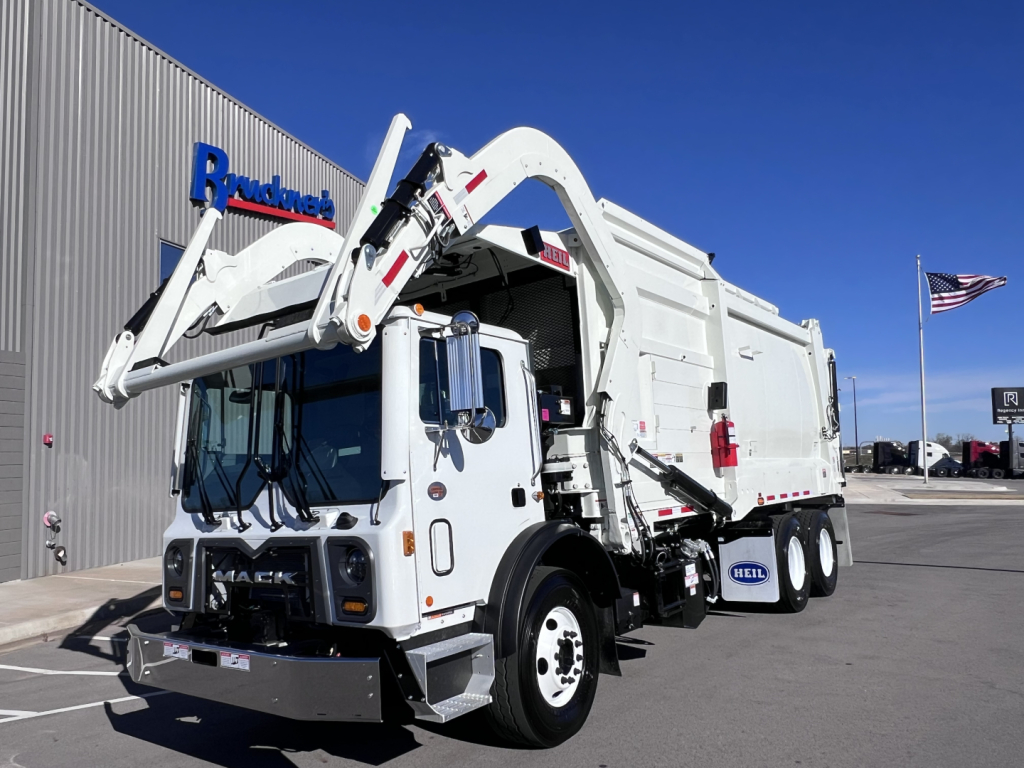
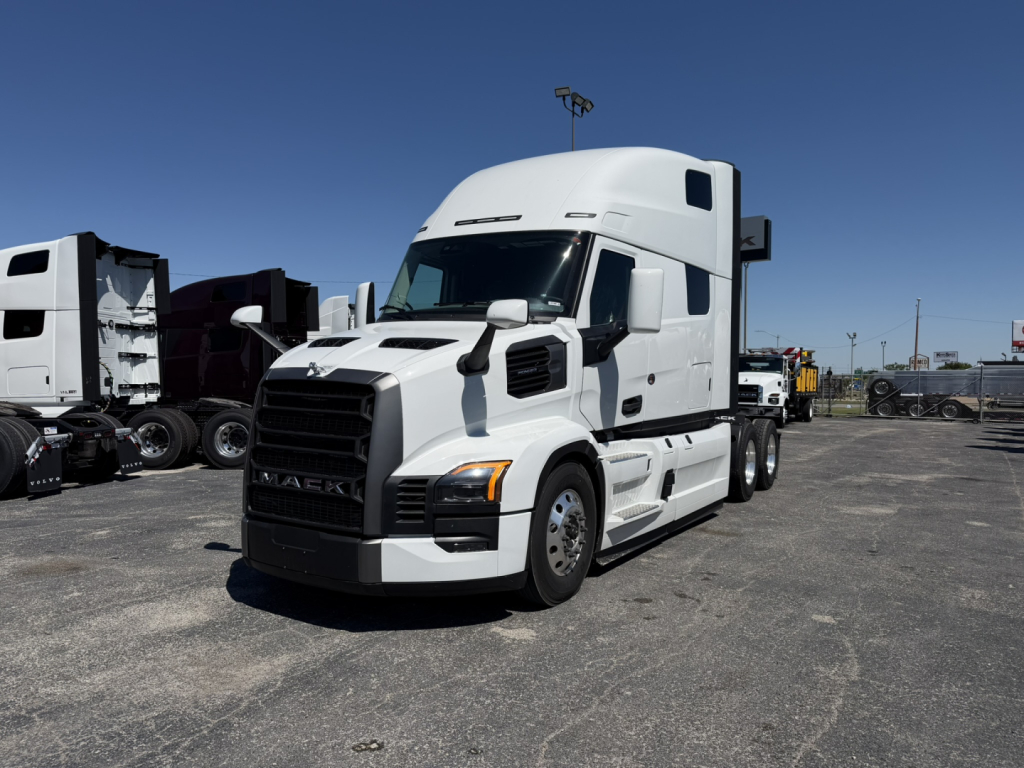
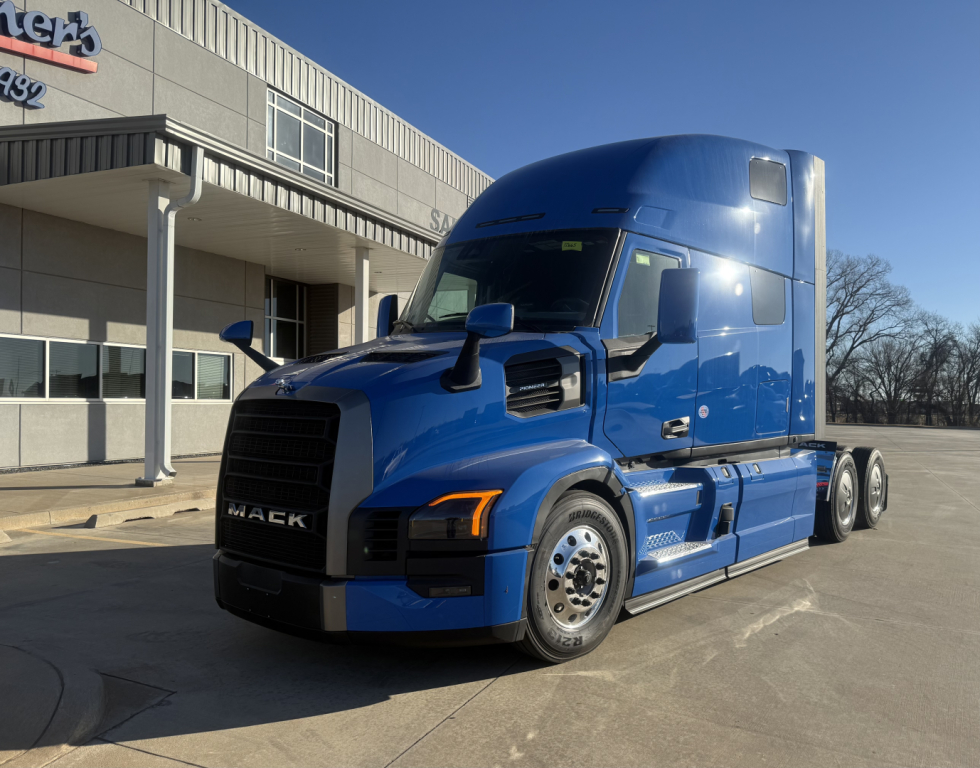
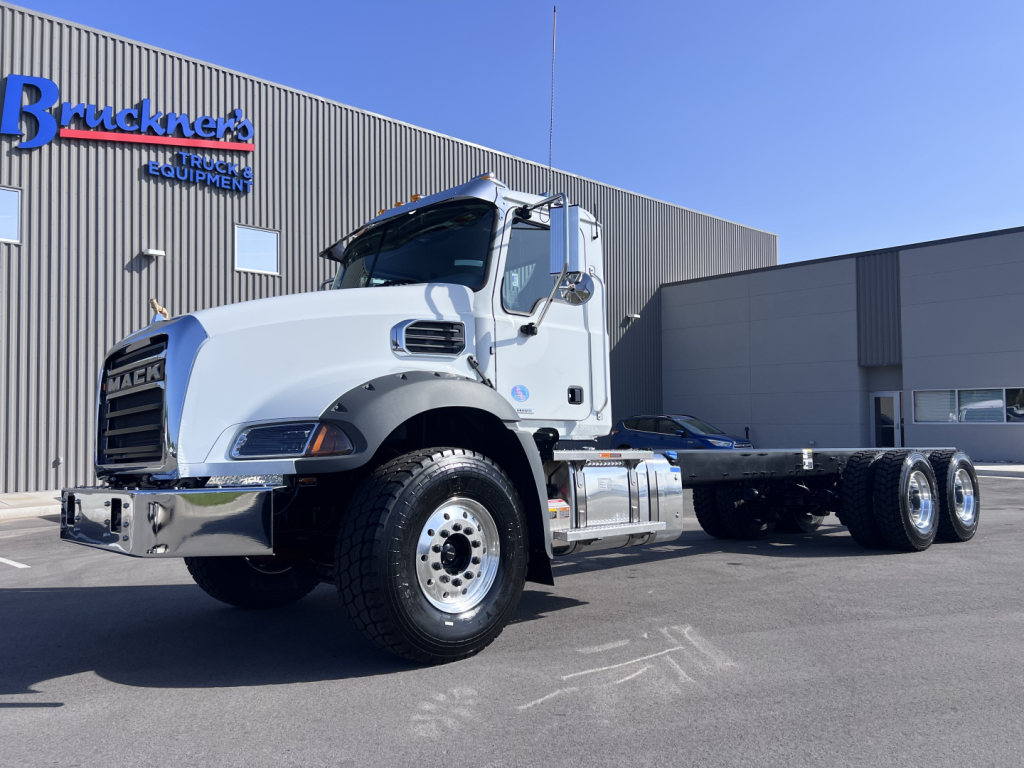
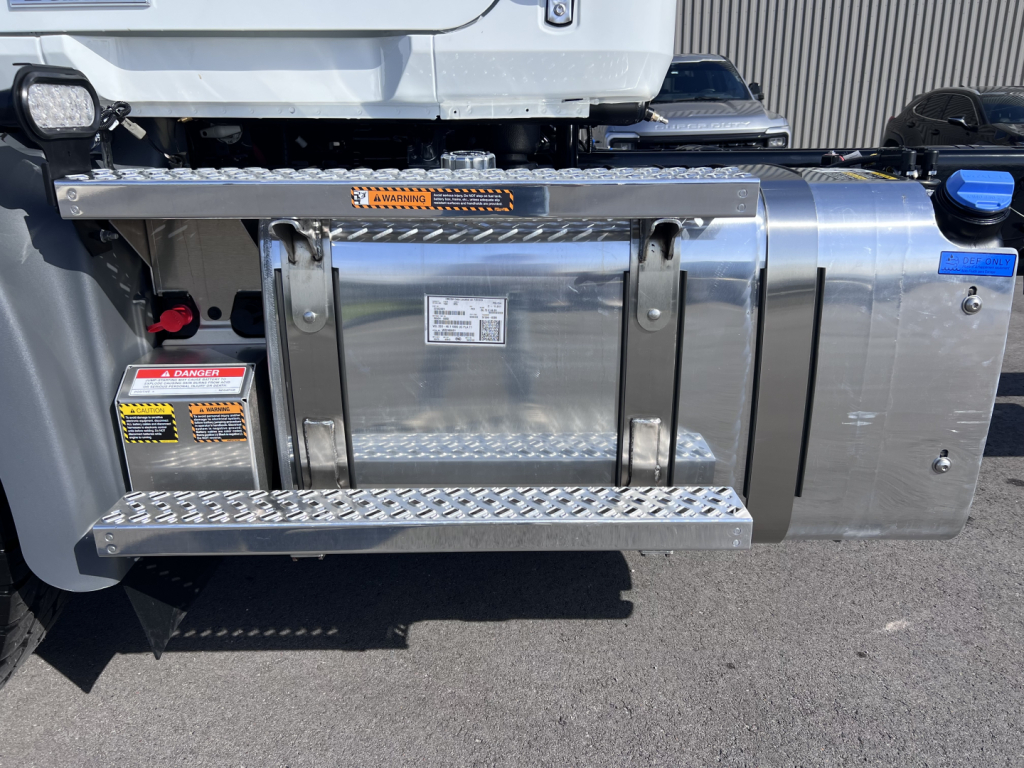
Showing 97 to 108 of 124 results
Have new truck to sell? List it here to reach thousands of buyers.
About New Trucks in Oklahoma
New trucks for sale in Oklahoma are spec’d to handle heat, crosswinds, and mixed terrain, from turnpike linehaul to oilfield lease roads. Frame rail RBM, crossmember spacing, and suspension choice determine long term durability and tare weight, so buyers often balance 6x4 traction against the lighter 6x2 or liftable pusher options. Aluminum wheels, disc brakes, smaller aftertreatment cans, and single 120 to 150 gallon fuel configurations trim hundreds of pounds, which translates directly to payload or fuel savings.
Powertrains center on 11 to 15 liter engines in the 400 to 600 horsepower range with 1,450 to 2,050 lb ft, paired with AMTs for consistent shift logic on rolling Oklahoma grades. Spec the rear axle ratio for both cruise RPM and stop and go duty, then set wheelbase and sliding fifth wheel to satisfy bridge law and trailer swing clearance. For vocational trucks, confirm front axle ratings for plows or heavy bumpers, check PTO provisions and transmission coolers, and choose suspension bushings and torque rods that tolerate gravel and washboard without premature wear. Aero sleepers with roof and side fairings reduce drag at turnpike speeds, while day cabs benefit from roof caps and chassis skirts for measurable gains.
Corrosion protection matters, even in a relatively dry climate. Winter brine can attack uncoated steel, so look for e coated or powder coated frame brackets, sealed electrical harnesses with Deutsch connectors, stainless cab fasteners, and aluminum or composite battery boxes. Aluminum cabs and fuel tanks resist corrosion and cut weight, while proper underhood heat shielding protects wiring near DPF and SCR components. Telematics that watch aftertreatment temps and regen frequency help prevent unplanned derates, and central tire inflation or TPMS maintains casing life on long Oklahoma runs.
Body and upfit quality drive real operating cost. For box and reefer trucks, verify floor strength by forklift rating and crossmember spacing, 3 inch I beams on 12 inch centers with hardwood or composite floors and 12 to 24 inch scuff liners defend against pallet impact. Thermal integrity in refrigerated bodies depends on high density foam in place insulation, tight rear door seals, and insulated bulkheads for multi temp service, paired with standby capable units for dock time in summer heat. Dump and flatbed builds should call out AR400 to AR450 floor plate thickness, full length liners, and robust hoists sized for the GVWR. In sleepers, insulation values, HVAC capacity, and options such as battery HVAC or diesel APU maintain cab temperature with minimal idle, which protects emissions systems and reduces fuel burn while parked.
Powertrains center on 11 to 15 liter engines in the 400 to 600 horsepower range with 1,450 to 2,050 lb ft, paired with AMTs for consistent shift logic on rolling Oklahoma grades. Spec the rear axle ratio for both cruise RPM and stop and go duty, then set wheelbase and sliding fifth wheel to satisfy bridge law and trailer swing clearance. For vocational trucks, confirm front axle ratings for plows or heavy bumpers, check PTO provisions and transmission coolers, and choose suspension bushings and torque rods that tolerate gravel and washboard without premature wear. Aero sleepers with roof and side fairings reduce drag at turnpike speeds, while day cabs benefit from roof caps and chassis skirts for measurable gains.
Corrosion protection matters, even in a relatively dry climate. Winter brine can attack uncoated steel, so look for e coated or powder coated frame brackets, sealed electrical harnesses with Deutsch connectors, stainless cab fasteners, and aluminum or composite battery boxes. Aluminum cabs and fuel tanks resist corrosion and cut weight, while proper underhood heat shielding protects wiring near DPF and SCR components. Telematics that watch aftertreatment temps and regen frequency help prevent unplanned derates, and central tire inflation or TPMS maintains casing life on long Oklahoma runs.
Body and upfit quality drive real operating cost. For box and reefer trucks, verify floor strength by forklift rating and crossmember spacing, 3 inch I beams on 12 inch centers with hardwood or composite floors and 12 to 24 inch scuff liners defend against pallet impact. Thermal integrity in refrigerated bodies depends on high density foam in place insulation, tight rear door seals, and insulated bulkheads for multi temp service, paired with standby capable units for dock time in summer heat. Dump and flatbed builds should call out AR400 to AR450 floor plate thickness, full length liners, and robust hoists sized for the GVWR. In sleepers, insulation values, HVAC capacity, and options such as battery HVAC or diesel APU maintain cab temperature with minimal idle, which protects emissions systems and reduces fuel burn while parked.