
New 2026 Trucks For Sale in Colorado
Shop new 2026 trucks for sale in Colorado, including sleeper, box, vocational, and medium-duty models with current specs and warranty coverage.
Learn morePopular Trucks Categories
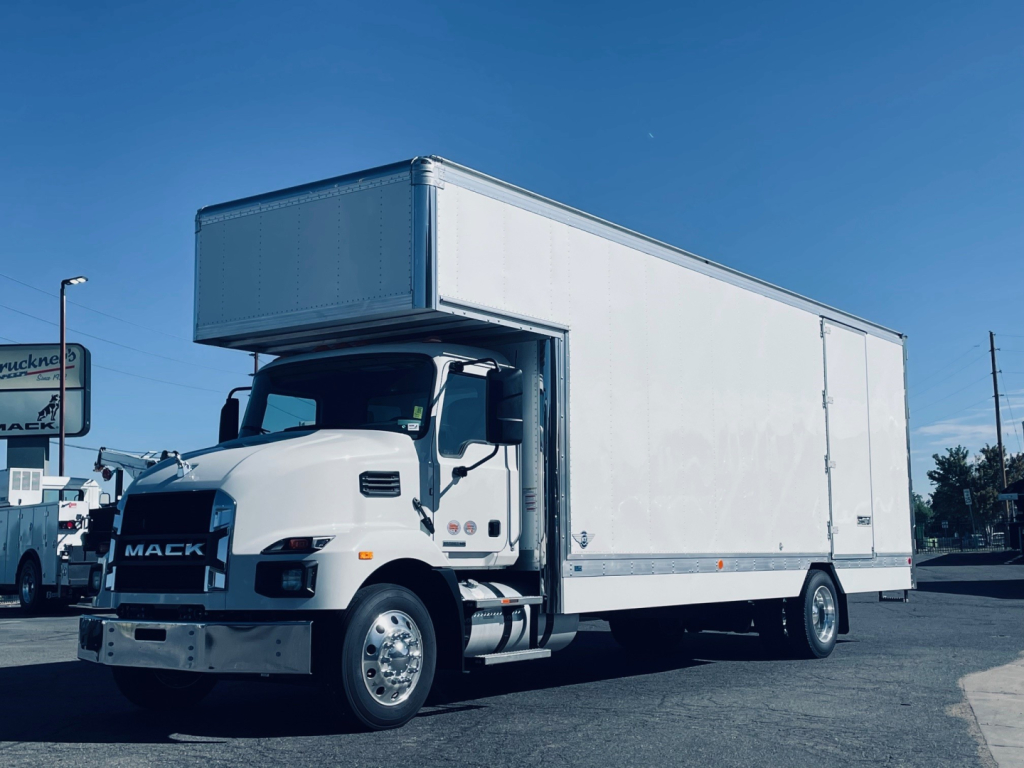
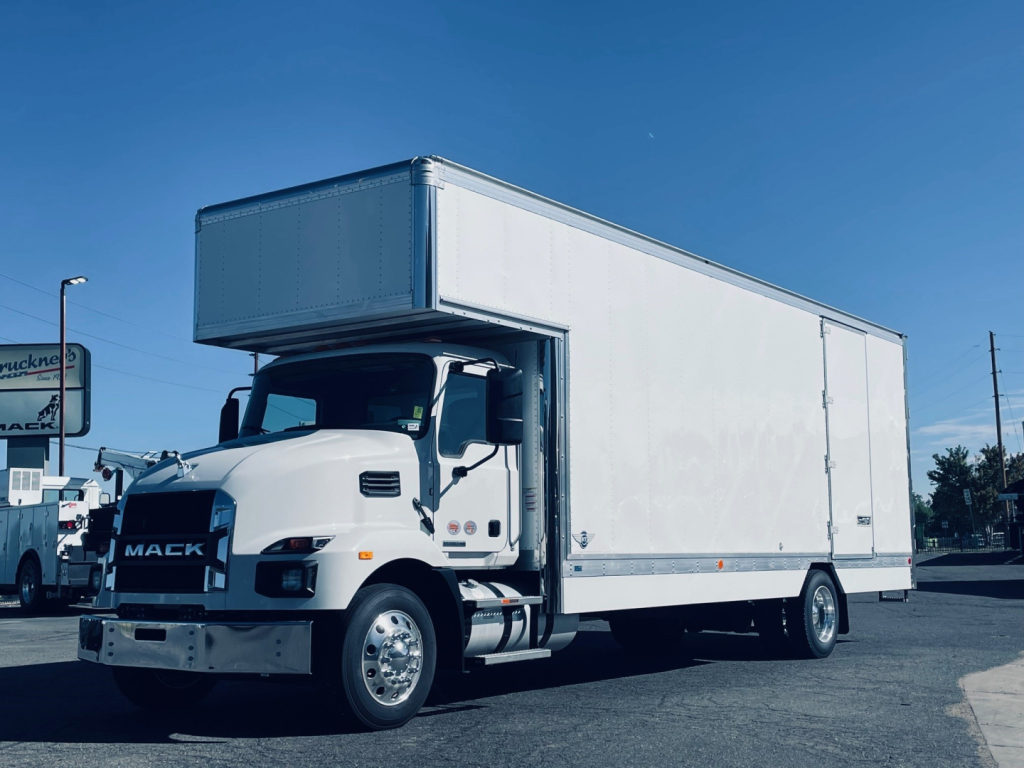
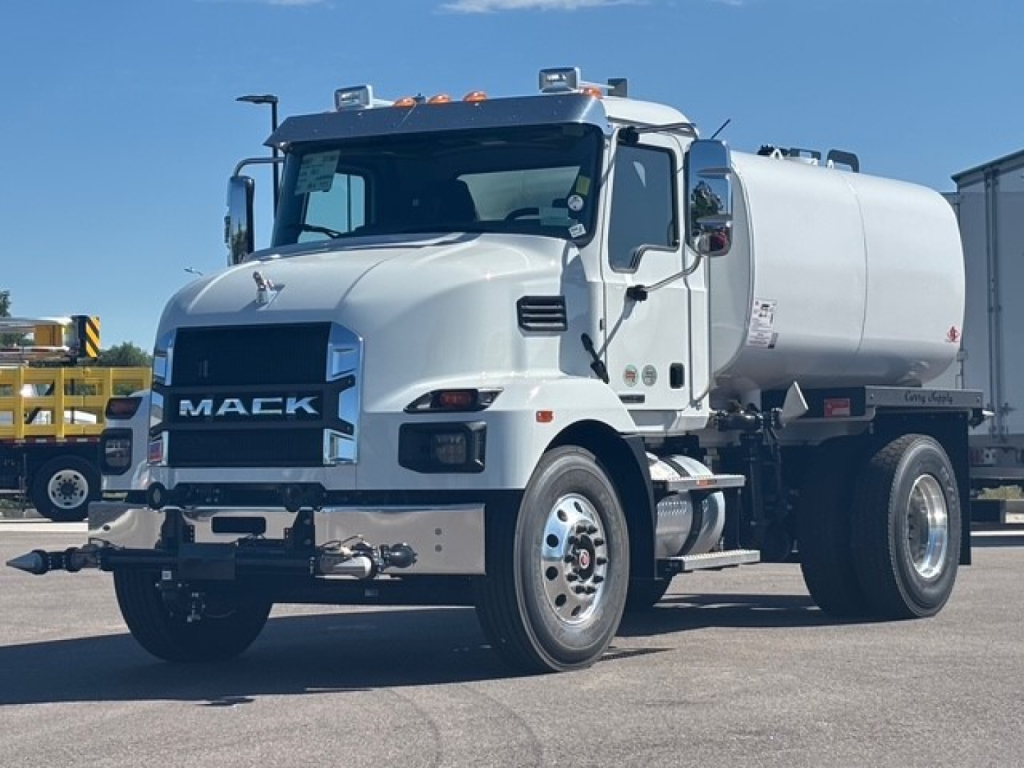
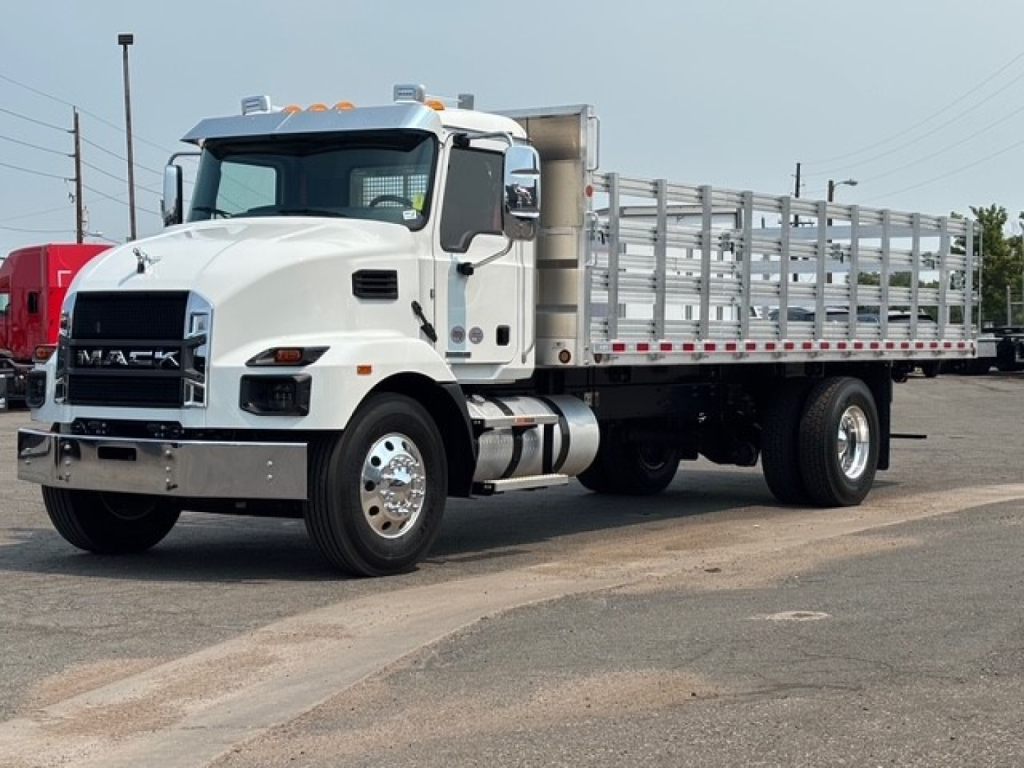
Showing 37 to 40 of 40 results
Have new 2026 truck to sell? List it here to reach thousands of buyers.
About New 2026 Trucks in Colorado
In Colorado, application and terrain matter more than the badge on the hood. Mountain grades, winter conditions, and altitude put extra value on horsepower, torque, cooling performance, brake specification, and rear axle ratio. A linehaul tractor headed across I-70 may need a 13-liter engine, tandem drive axles, air disc brakes, and a sleeper with parking HVAC for driver comfort. A medium-duty box truck or moving van may be better served by a diesel in the 6.7-liter class, an Allison automatic, a 26-foot body, and a 26,000-pound GVWR to support urban delivery or household goods work. Vocational buyers should pay close attention to frame strength, front axle capacity, suspension choice, PTO provisions, and how easily the chassis accepts a mixer, roll-off, dump, or other specialized body.
New truck buyers also need to look beyond headline horsepower. Engine and transmission pairing, suspension rating, wheelbase, and braking package affect real-world productivity, maintenance cost, and resale. Tandem-axle sleeper tractors commonly show 40,000-pound rear ratings, highway-oriented axle ratios, and premium driver amenities, while single-axle medium-duty trucks are often spec'd for maneuverability, lower curb weight, and simpler body integration. Safety and driver-assist features are increasingly important in 2026 trucks, including lane support, backup cameras, air disc brakes, and integrated visibility packages. For fleets trying to reduce downtime, warranty coverage, emissions system support, and dealer service access across Colorado and neighboring states can be just as important as the truck's published specs.
This category can also include newer electric commercial trucks in certain medium-duty and step van applications. Those units appeal most to urban and last-mile operations that can plan around charging and route length. Diesel remains the dominant choice for heavy vocational work, long-range hauling, and operations with unpredictable daily mileage, but electric platforms are becoming a practical option where low-speed stop-and-go duty cycles, emissions goals, and reduced routine service are part of the buying decision. The best 2026 truck is the one matched tightly to payload, route profile, body requirement, and service environment.
Frequently Asked Questions
What should I look for first when comparing new 2026 trucks for sale in Colorado?
Start with the job requirement, not the model name. Match the truck to payload, trailer or body type, terrain, and daily mileage. In Colorado, that usually means checking horsepower and torque for mountain grades, axle ratings for legal payload, wheelbase for maneuverability, and brake specification for control on long descents. Buyers should also confirm cab style, suspension type, transmission choice, and body or upfit compatibility before comparing comfort or appearance features.
Are new 2026 trucks better for Colorado mountain and winter operation?
They can be, especially when properly spec'd. New trucks often offer stronger safety technology, improved braking systems, current emissions calibrations, and better driver-assist features than older equipment. For Colorado service, useful specs include air disc brakes, differential locks, appropriate rear axle ratios, adequate cooling capacity, heated mirrors, and enough engine output to maintain speed on grades. The benefit comes from the right configuration, not just the fact that the truck is new.
How do I choose between a sleeper tractor, a box truck, and a vocational truck?
The choice comes down to freight type and operating pattern. A conventional sleeper tractor is built for pulling van, reefer, flatbed, or specialized trailers over longer distances and usually carries tandem rear axles and higher horsepower. A box truck, also known as a straight truck or moving van depending on body style, is designed for local and regional pickup and delivery with an enclosed cargo body. A vocational truck is intended for jobsite or municipal work and is typically spec'd to accept bodies such as mixers, roll-offs, dumps, or utility equipment.
What are common specs on new 2026 commercial trucks?
Common specs vary by class, but buyers will frequently compare engine family, horsepower, transmission type, axle configuration, GVWR, wheelbase, suspension, and brake package. Heavy-duty highway trucks may use 12-speed automated manual transmissions, tandem axles, 13-liter engines, and large fuel tanks. Medium-duty trucks often use diesel engines in the 6.7-liter range with Allison automatics, single rear axles, and GVWR ratings around the non-CDL and CDL threshold depending on application. Body-ready and vocational chassis may add PTO capability, reinforced frames, and heavier front axle ratings.
Is a new electric truck a practical option in this category?
It can be practical for the right duty cycle. Electric commercial trucks are best suited to urban delivery, step van, and return-to-base operations where routes are predictable and charging access is reliable. They offer quiet operation and fewer routine service items than diesel, but buyers still need to evaluate payload impact, real-world range in cold weather, charging infrastructure, and downtime planning. For long-haul, severe-duty vocational work, or routes with major elevation changes and uncertain daily mileage, diesel is still the more common solution.