
Excavators For Sale in New York
Shop excavators for sale in New York. Compare mini, midi, crawler, and truck-mounted excavators by size, weight, reach, and hydraulic setup.
Learn moreBrowse Excavators Trucking Equipment by Make
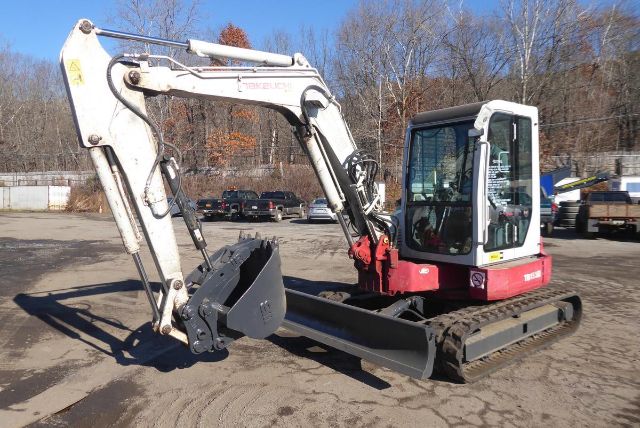
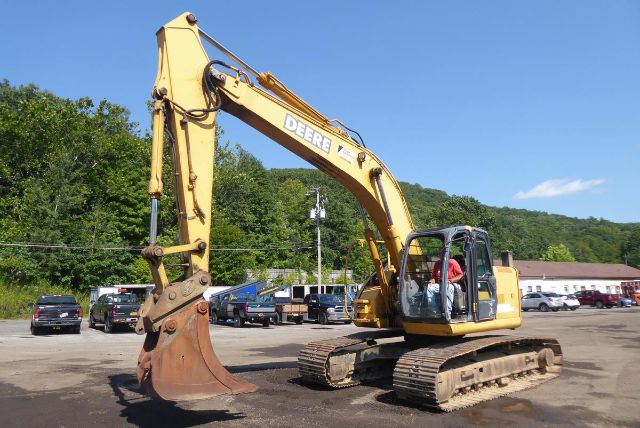
Showing 13 to 14 of 14 results
Have excavators trucking equipment to sell? List it here to reach thousands of buyers.
About Excavators in New York
Track configuration, swing style, and transport dimensions matter more in New York than many buyers expect. Tight city work often favors zero-tail-swing or short-radius excavators that can work along traffic lanes, foundations, and existing structures with less rear overhang. Standard-tail machines usually offer better counterweight balance and lift performance for the money. Width, shipping length, cab height, and boom position all affect lowboy permits, bridge routing, and jobsite access. For truck-mounted excavators, roadability becomes part of the value equation, especially for contractors who want to move between municipal, rail, or roadside jobs without a separate trailer.
Hydraulic setup is where one machine can be far more useful than another. Buyers should pay close attention to auxiliary hydraulic lines, quick coupler type, thumb compatibility, blade configuration on compact units, and the presence of a third valve for specialized attachments. Common excavator attachments include trenching buckets, cleanup buckets, hydraulic thumbs, breakers, compactors, and grapples. On used excavators, pin and bushing wear, cylinder seepage, track condition, roller wear, swing bearing play, and final drive performance are core inspection points. Cab condition also matters. Working heat and air conditioning, clear monitor function, and smooth joystick response make a difference on long shifts and in seasonal Northeast conditions.
Engine and undercarriage specs should be matched to the kind of work the machine will actually do. Horsepower, boom and stick length, bucket size, pad style, and counterweight design all affect digging force, lifting stability, and transport cost. Triple grouser steel tracks are common on crawler excavators working mixed ground, while rubber tracks are often preferred on smaller machines for finished surfaces. If the job mix includes roadside maintenance, ditching, bridge work, or rail-adjacent access, a truck excavator or a short-radius machine may be the better fit than a conventional crawler. A good excavator purchase is less about maximum size and more about matching reach, hydraulics, transport profile, and serviceability to the work cycle.
Frequently Asked Questions
What size excavator is best for most contractors?
The best size depends on the work mix, but many buyers narrow the field by operating weight first. Mini excavators in the 10,000 to 15,000 lb range are well suited for residential excavation, landscape construction, and utility repair in tight access areas. Mid-size machines around 25,000 to 35,000 lbs are a common choice for site prep, drainage, and general contractor work because they balance reach, dig depth, and transportability. Larger excavators above that class are usually selected for production digging, heavy trenching, demolition support, and mass earthmoving.
What should I inspect first on a used excavator?
Start with the undercarriage, hydraulic system, and structural wear points. Track pads, rollers, idlers, sprockets, and final drives can represent a major ownership cost. Check boom, stick, bucket linkage, and swing bearing area for excess play, weld repairs, or cracking. Look for cylinder leaks or seepage, verify that all hydraulic functions operate smoothly under load, and confirm the engine starts cleanly and runs without excessive smoke, blow-by, or fault codes. Hour meter readings should be weighed against overall wear, service records, and component condition.
Are truck-mounted excavators different from crawler excavators?
Yes. Truck-mounted excavators, including Gradall-style units, combine excavation capability with highway mobility. They are often used for roadside work, municipal maintenance, ditching, rail support, and jobs that require frequent movement between sites. A crawler excavator usually offers better off-road stability and digging performance in soft or rough ground, but it requires trailer transport. A truck excavator can reduce mobilization time and transport complexity when road travel is a regular part of the work cycle.
Is zero-tail-swing better than a conventional excavator?
Zero-tail-swing and reduced-tail-swing excavators are often better in confined spaces because the counterweight stays closer to the tracks during rotation. That makes them popular for urban jobs, utility work, and projects near buildings or traffic. Conventional tail swing machines usually deliver stronger lift characteristics and can offer a lower purchase price in some size classes. The right choice depends on whether tight access or maximum stability is the higher priority.
Which excavator attachments add the most value?
The most valuable attachment setup usually includes a quick coupler and auxiliary hydraulics that allow the machine to switch tasks without downtime. A hydraulic thumb is one of the most useful additions for material handling, land clearing, demolition sorting, and pipe work. Trenching buckets, cleanup buckets, breakers, grapples, and compactors can all expand the machine's earning range. Buyers should confirm that the excavator's hydraulic flow, valve configuration, and coupler system are compatible with the attachments they plan to run.