
Caterpillar Excavators For Sale in New York
Shop Caterpillar excavators for sale in New York. Compare Cat models, operating weights, undercarriage specs, boom options, and jobsite fit.
Learn more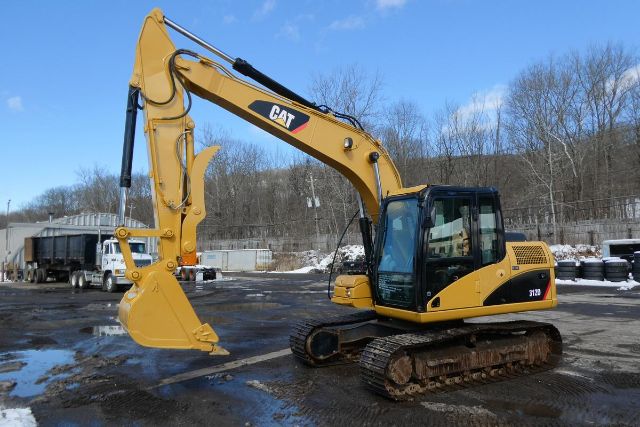
Have caterpillar excavators trucking equipment to sell? List it here to reach thousands of buyers.
About Caterpillar Excavators in New York
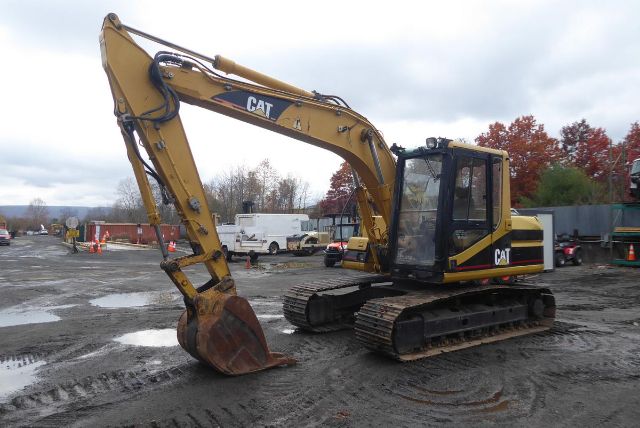
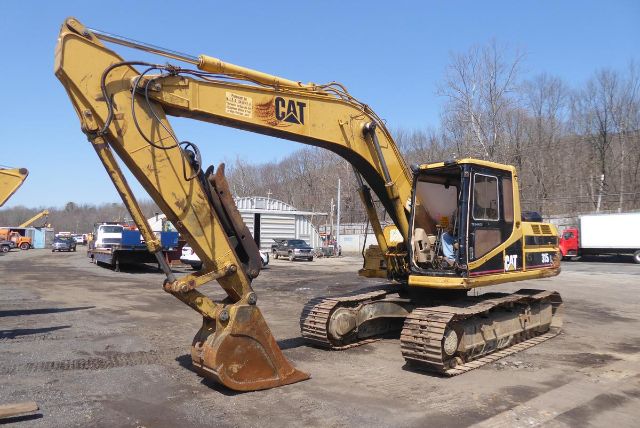
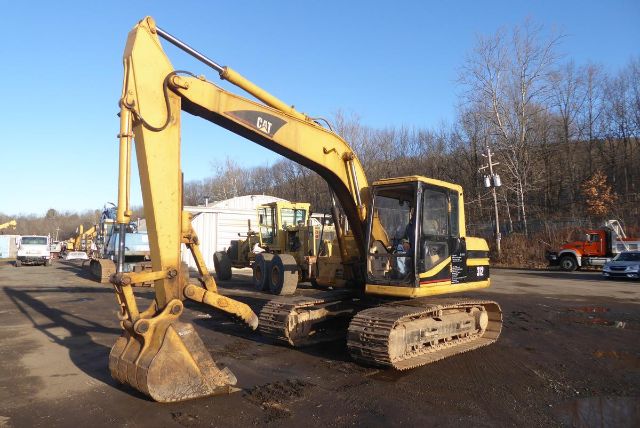
A buyer should pay close attention to operating weight, track width, transport dimensions, and boom-stick configuration before comparing anything else. Many Cat excavators in this class run roughly 84 to 99 horsepower, with hydrostatic travel systems, triple grouser steel pads, enclosed cabs, and joystick controls. Common specs include 15 to 17 foot booms, 8 to 8 foot 6 inch sticks, and bucket widths around 2 foot 3 inches to 3 feet. In tighter urban jobs around New York, overall width and shipping length matter as much as digging depth because permits, trailer selection, and curb-to-curb access can quickly become the limiting factor. If the machine will move often, check transport height, book weight, and whether a tag trailer or detachable lowboy is the better fit.
On used Caterpillar excavators, undercarriage condition is one of the biggest value drivers. Track pads, rollers, sprockets, idlers, and chain wear can change ownership cost fast, especially on older machines that still run well hydraulically. Buyers should also inspect boom, stick, and bucket pins and bushings, look for cylinder seepage, and confirm final drives track straight under load. A machine with a strong engine and responsive hydraulics can still become expensive if the undercarriage is near the end of life or if swing bearing wear is excessive. Cab condition, working air conditioning, auxiliary hydraulics, and a hydraulic thumb also matter because they directly affect productivity in scrap, demolition, pipe work, and mixed material handling.
Cat excavators also hold buyer interest because parts access, service familiarity, and attachment compatibility are generally strong across the brand. Buckets, thumbs, couplers, and auxiliary plumbing setups can make a major difference depending on whether the machine will spend most of its time digging, setting pipe, cleaning ditches, or loading trucks. For fleet buyers, the best machine is not always the newest one. It is the excavator with the right weight class, clean hydraulic performance, predictable transport profile, and enough remaining undercarriage life to stay productive without an immediate rebuild.
Frequently Asked Questions
What size Caterpillar excavator is most common for general construction and trucking support work?
Mid-size Caterpillar excavators in the roughly 28,000 to 36,000 pound range are very common for general construction, utility, and hauling support work. This size class gives buyers a practical mix of reach, digging force, and truck-loading capability without moving into the transport complexity of much larger excavators. Models like the Cat 312 and 315 series are often used for trenching, foundation excavation, ditch work, and feeding dump trucks on active jobsites.
What should I inspect first on a used Cat excavator?
Start with the undercarriage, hydraulic system, and swing components. Measure or estimate wear on tracks, rollers, sprockets, and idlers, then inspect pins and bushings at the boom, stick, bucket, and linkage. Look for cylinder leaks or seepage, confirm the machine tracks properly, and check final drives for noise or oil leakage. A used excavator can appear solid at idle but still have major cost exposure if the undercarriage is worn out or the hydraulics are weak under load.
Are Caterpillar excavators practical to transport in New York?
Many mid-size Cat excavators are practical to move, but transport planning still matters. Buyers should verify operating weight, overall width, cab height, and shipping length with the boom positioned for hauling. In New York, road restrictions, urban access, and permit requirements can affect trailer choice and routing. An excavator that fits the job well can still create delays or added cost if its transport profile does not match your trailer fleet or regular travel corridors.
Why does boom, stick, and bucket configuration matter so much?
The boom, stick, and bucket combination determines how the excavator performs in real work, not just on a spec sheet. A longer stick can improve reach and trench geometry, while a different bucket width changes cycle times, breakout feel, and finish quality. Buyers working in utilities, drainage, demolition, or truck loading should match the front-end setup to the intended application. Auxiliary hydraulics and a hydraulic thumb are also important when the machine will handle debris, pipe, concrete, or mixed materials.
Do older Cat excavators still make sense for buyers?
Yes, older Caterpillar excavators can still be a smart buy if the machine has strong hydraulics, acceptable undercarriage life, and no major driveline or swing issues. Cat machines remain popular because many operators know the controls, independent mechanics are familiar with the brand, and parts support is generally better than for many lesser-known makes. The key is to buy based on condition and repair exposure, not just age or hour meter reading.