
Gradall Excavators For Sale in New York
Shop Gradall excavators for sale in New York. Compare truck-mounted models, boom designs, hydraulic systems, specs, and jobsite applications.
Learn more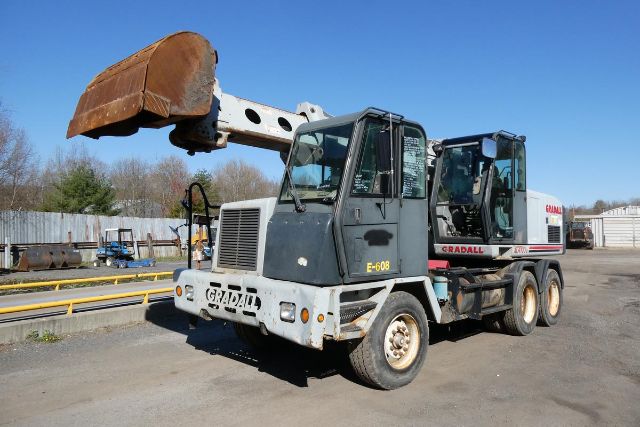
Have gradall excavators trucking equipment to sell? List it here to reach thousands of buyers.
About Gradall Excavators in New York
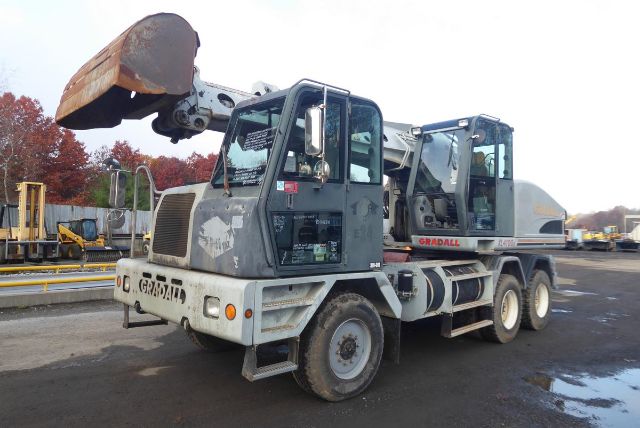
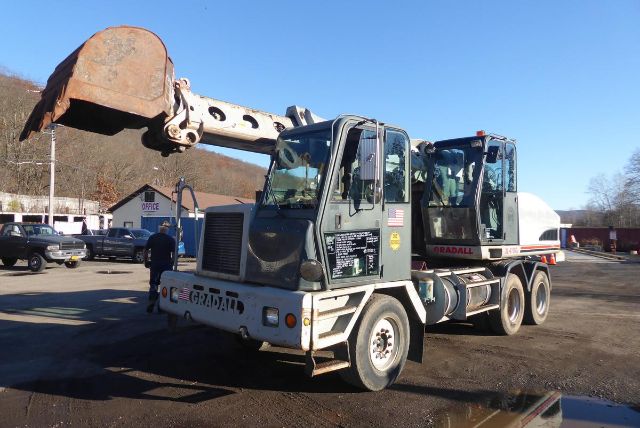
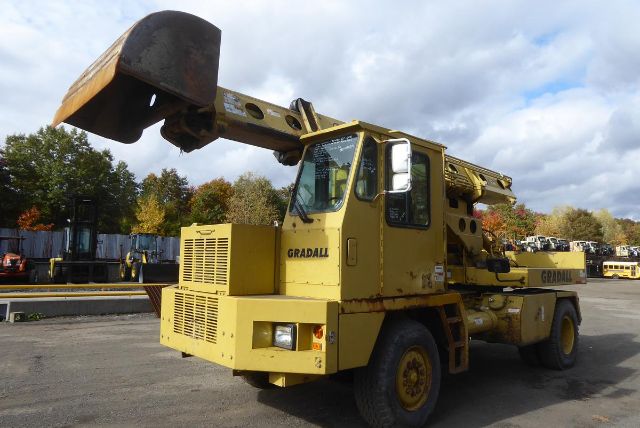
For a buyer comparing used Gradall excavators, the hydraulic system and boom condition should be near the top of the checklist. These machines rely on smooth boom extension, crowd function, swing performance, and stabilizer operation to stay productive. Cylinder seepage, weak hydraulic drive motors, worn pins and bushings, and slow multifunction response can turn a versatile excavator into a costly shop project. Pay close attention to whether the excavator functions are powered off the truck engine or a separate rear engine, because that affects maintenance routines, troubleshooting, and idle-hour history. Bucket setup also matters more than many first-time buyers expect. Smooth-edge ditching buckets, toothed digging buckets, and manual or quick-change arrangements can significantly change how well the machine fits drainage work, excavation, or shoulder maintenance.
Truck specs are just as important as upper structure specs on a Gradall. Many units in this category carry manual Fuller 9-speed transmissions, though some older machines use Allison automatics. Rear axle ratings often fall in the 23,000 to 50,000 lb range depending on model, and overall machine weight can vary widely from the mid-30,000 lb class to nearly 50,000 lb. Wheelbase, transport length, overall height, and tire size all affect maneuverability, permitting, and how comfortably the machine works in tight urban corridors or along New York highway projects. Buyers should also evaluate frame condition, suspension type, front tire wear, driveline backlash, and differential lock operation, since these machines spend real time both traveling and working under load.
In New York, a Gradall excavator often appeals to contractors and public-sector fleets that need one machine to handle ditch rehabilitation, culvert work, snow facility maintenance, sign and barrier support excavation, and general roadside construction. The advantage is mobility without giving up true excavating capability. The tradeoff is that a truck-mounted excavator demands attention to both chassis service and upper hydraulic service. Hour meter readings, odometer readings, boom weld integrity, cab condition, and parts support for the specific Gradall model should all be weighed together. A strong Gradall is not just a digger. It is a specialized vocational tool built for fleets that value roadability, reach, and fast repositioning between jobs.
Frequently Asked Questions
What is the main advantage of a Gradall excavator compared with a conventional crawler excavator?
The main advantage is mobility combined with excavating reach. A Gradall truck-mounted excavator can travel on roads between jobs much more efficiently than a crawler machine that requires a trailer for every move. Its telescoping boom and distinctive boom geometry also make it especially effective for ditch cleaning, sloping, shoulder work, and other applications where reach and angle control are important.
What should I inspect first on a used Gradall excavator?
Start with the hydraulics, boom structure, and chassis together. Check for cylinder leaks, weak boom functions, slow swing, stabilizer issues, worn boom pads, cracked welds, and looseness in pins and bushings. Then inspect the truck side for transmission condition, axle and suspension wear, frame integrity, tire condition, and signs that the machine has been overloaded or poorly maintained. On a Gradall, both the excavator system and the truck chassis have to be right.
Are Gradall excavators good for municipal and roadside work in New York?
Yes. Gradall excavators are widely suited to municipal, county, and contractor work where frequent travel between sites is part of the job. They are commonly used for ditching, drainage, culvert cleaning, road shoulder maintenance, bridge approach work, and utility support excavation. Their ability to move efficiently on-road is a major advantage for fleets covering scattered jobs across towns, counties, or highway corridors.
Do Gradall excavators use the truck engine or a separate engine for hydraulic power?
It depends on the model and configuration. Some Gradall excavators run the hydraulic system from the truck engine, while others use a separate rear engine for excavator functions. That difference affects maintenance scheduling, fuel use, troubleshooting, and total engine hours. Buyers should confirm which setup a machine has and compare both engine condition and hour history before making a decision.
What specs matter most when comparing Gradall excavators for sale?
The most important specs usually include operating weight, axle ratings, wheelbase, overall transport dimensions, transmission type, boom reach, bucket configuration, and hydraulic performance. Buyers should also note tire sizes, suspension type, differential lock setup, and whether the machine has a separate excavator power unit. These details determine how well the excavator fits transport requirements, road use, and the type of excavation or maintenance work it will perform.