
Caterpillar Trucking Equipment For Sale
Browse Caterpillar trucking equipment for sale, including heavy-duty machines known for durable engines, hydraulic power, and jobsite versatility.
Learn moreBrowse Caterpillar Trucking Equipment by Category
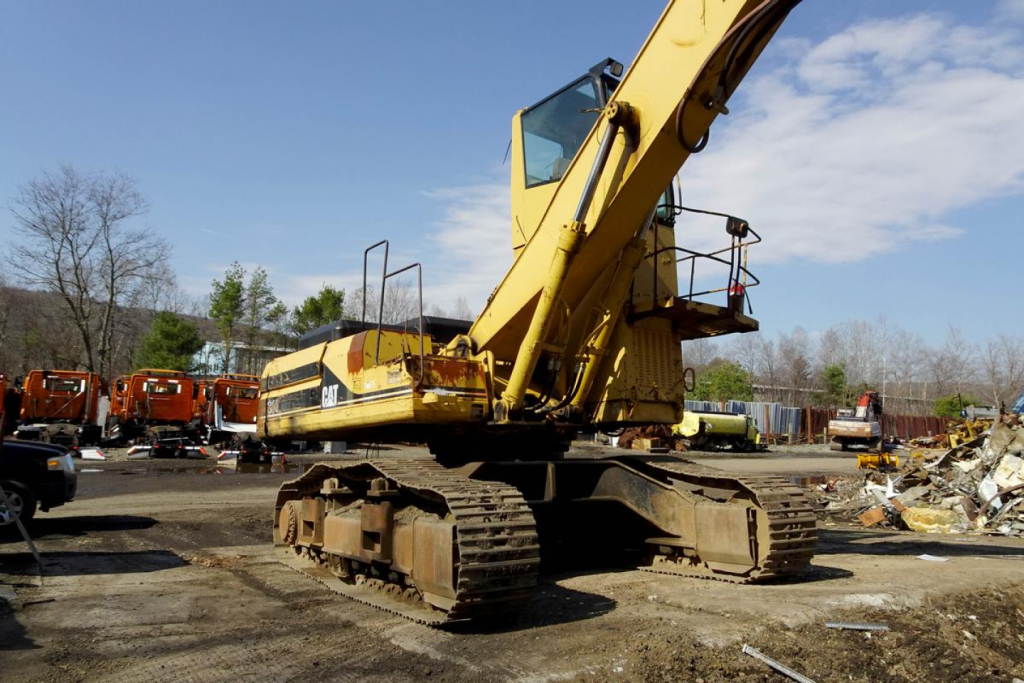
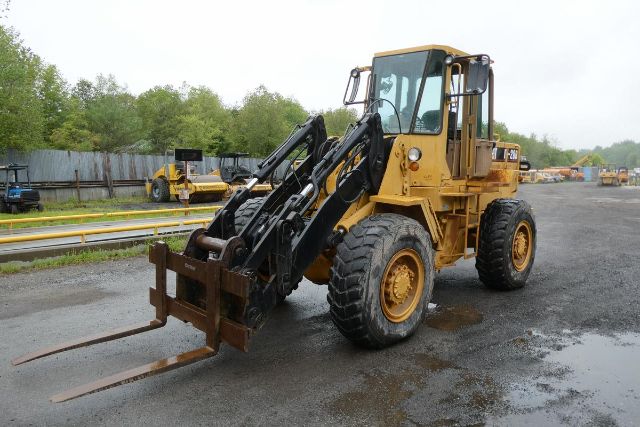
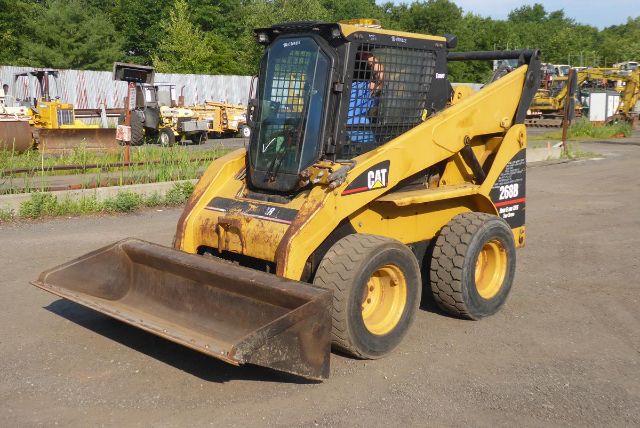
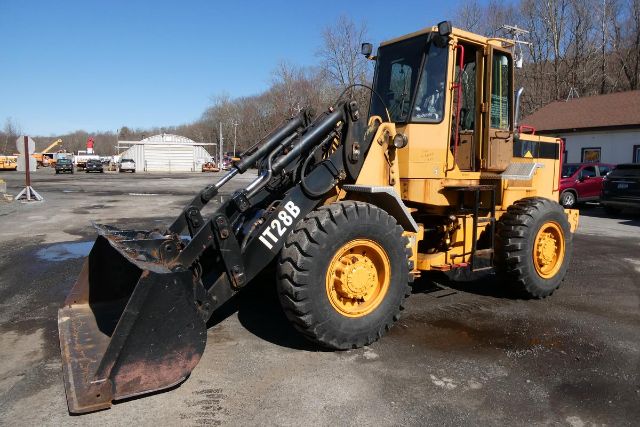
Showing 1 to 12 of 28 results
Have caterpillar trucking equipment to sell? List it here to reach thousands of buyers.
About Caterpillar Trucking Equipment
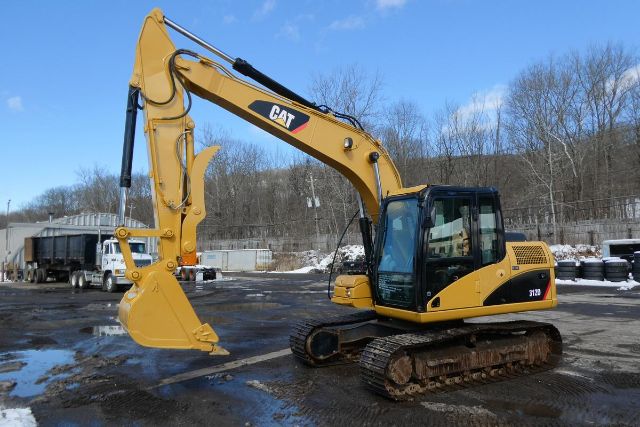
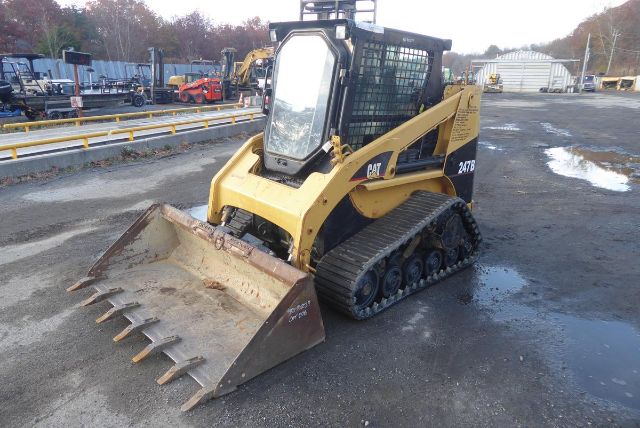
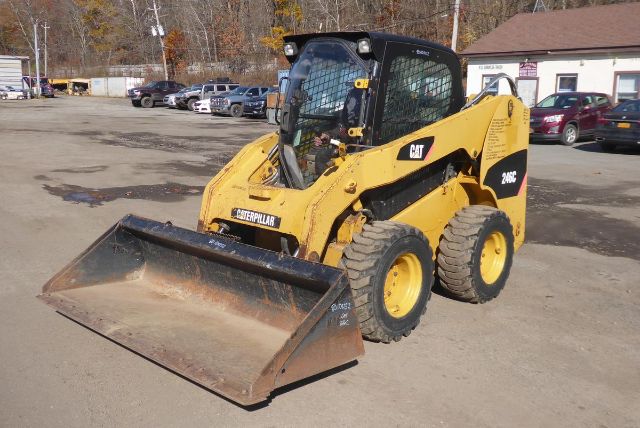
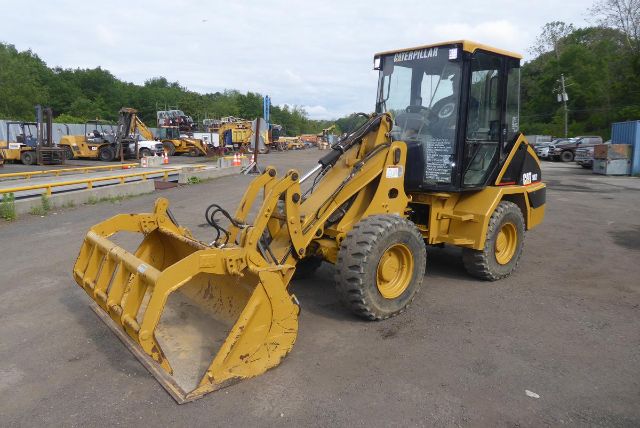
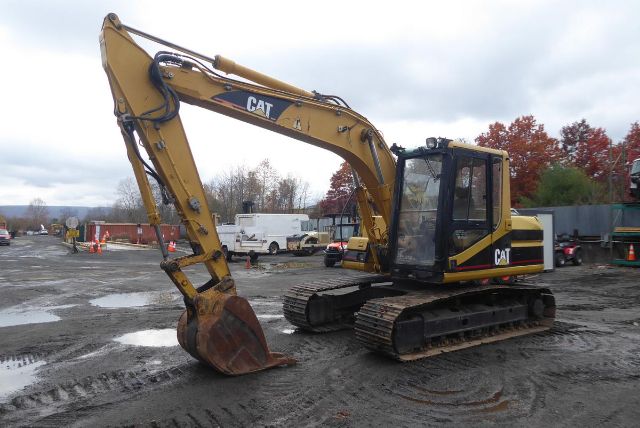
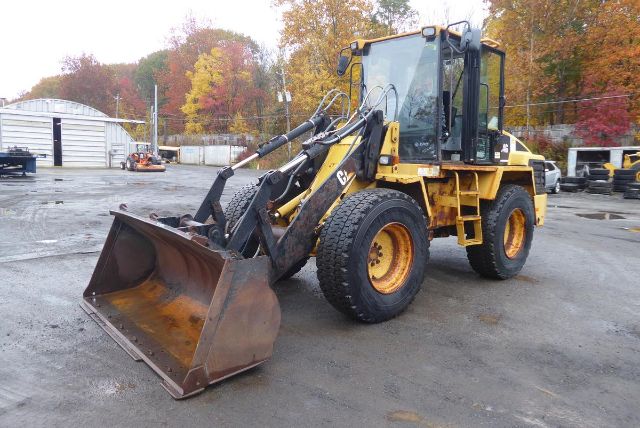
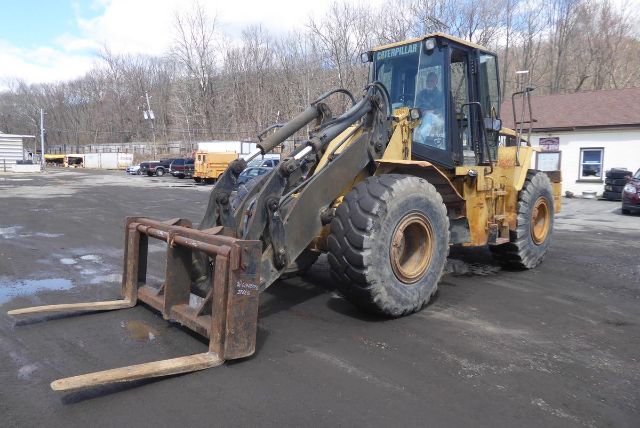
A good Caterpillar purchase decision usually starts with application and transport weight. Smaller Cat track loaders and skid steer loaders are practical for site prep, loading, grading, and material handling where compact size matters. Mid-size excavators like the Cat 312 series are common choices for trenching, utility work, demolition, and general earthmoving, with attention paid to undercarriage life, boom and stick condition, auxiliary hydraulics, and pin and bushing wear. Larger Cat wheel loaders and motor graders bring a different set of considerations, including tire size, operating weight, articulation or center pin condition, transmission shift quality, and hydraulic cylinder leakage. If the machine will be hauled regularly, overall width, boom-down length, height, and legal transport weight matter as much as engine horsepower.
Cat equipment is often favored because parts support is strong and many models have long service histories in demanding applications. That said, buyers should inspect used Caterpillar equipment closely for the issues that drive repair cost. On excavators, look at final drives, track wear, rollers, sprockets, swing bearing play, and cold-start behavior. On wheel loaders, check center articulation, bucket linkage, third-function hydraulics, transmission response, and brake performance. On compact track loaders, inspect track condition, drive motors, quick coupler operation, and lift arm alignment. On graders, moldboard circle wear, ripper function, steering response, and tandem condition can tell you a lot about remaining life. Cab condition, working heat and AC, and the accuracy of the hour meter also affect value, especially for fleet buyers comparing multiple units.
Common Caterpillar specs vary widely by machine class, but buyers typically compare engine family, horsepower, operating weight, undercarriage or tire setup, attachment compatibility, and hydraulic capability. Many Cat machines are available with enclosed cabs, joystick controls, quick couplers, auxiliary hydraulics, forks, buckets, rippers, or additional valves for specialized attachments. For trucking and equipment buyers, that versatility is part of the appeal. A Caterpillar machine with the right attachment setup, transport dimensions, and service record can cover a broad range of work while holding resale value better than many off-brand alternatives.
Frequently Asked Questions
What types of Caterpillar equipment are most common in trucking and fleet operations?
The most common Caterpillar equipment seen in commercial fleet and support roles includes excavators, wheel loaders, motor graders, skid steer loaders, and compact track loaders. These machines are used for site development, road work, utility installation, snow operations, aggregate handling, and loading support. The right category depends on the work being done and how often the machine needs to be transported between jobs.
What should I inspect first on used Caterpillar equipment?
Start with the major cost items: engine condition, hydraulic performance, drivetrain or hydrostatic drive function, undercarriage or tire condition, and structural wear at pins, bushings, articulation points, and boom or lift arm components. Fluid leaks, hard starting, excessive smoke, poor steering, and abnormal play usually indicate higher repair exposure. Service records and a cold start test are especially valuable when comparing older high-hour machines.
How important is transport weight when buying Caterpillar equipment?
Transport weight is critical because it affects trailer selection, permitting, route planning, and total operating cost. A machine may fit the job but still be a poor fleet choice if it pushes you into more expensive hauling requirements. Buyers should confirm operating weight, overall width, height, and travel length in haul configuration before purchase, especially for excavators, graders, and larger loaders.
Do Caterpillar machines hold their value well?
In many equipment categories, Caterpillar machines hold value better than lesser-known brands because of broad parts availability, strong dealer support, and long-standing demand in construction and fleet markets. Condition still drives price more than brand alone. A well-maintained Cat with documented service history, solid undercarriage or tire life, and functional hydraulics will usually command stronger resale than a neglected unit with the same model number.
Are older Caterpillar models still practical to buy?
Older Caterpillar models can still be practical if the machine matches your workload and the condition is verified carefully. Many legacy Cat machines are simple, proven, and repairable, which appeals to buyers who value mechanical systems over newer electronics. The tradeoff is that deferred maintenance can be expensive, so inspection of drivetrain components, hydraulic cylinders, structural wear, and attachment setup is essential before committing.