
Caterpillar Wheel Loaders For Sale
Shop Caterpillar wheel loaders for material handling, yard work, and loading applications. Compare sizes, lift capacity, buckets, forks, and cab specs.
Learn more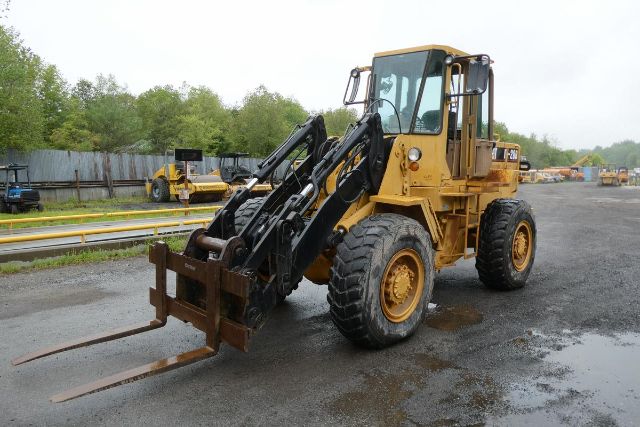
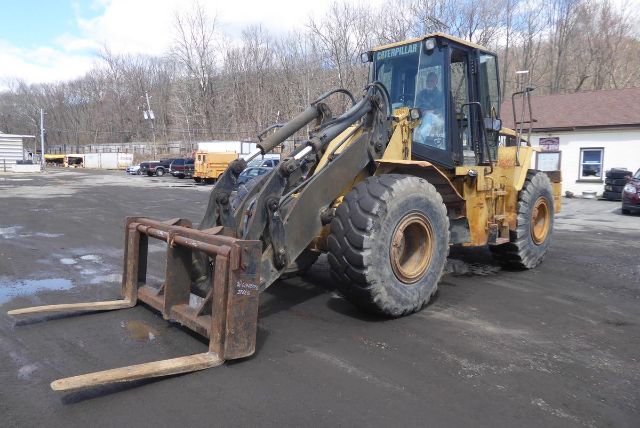
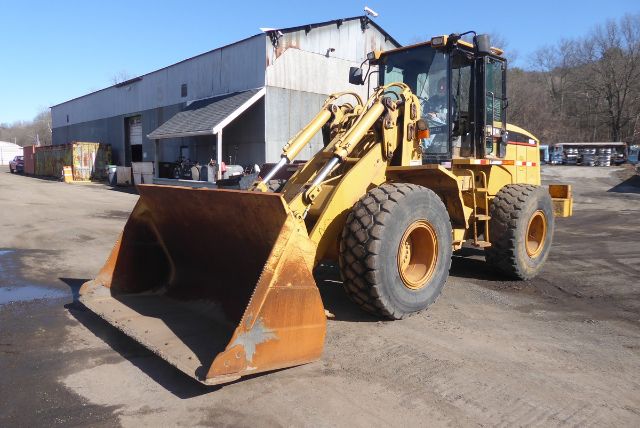
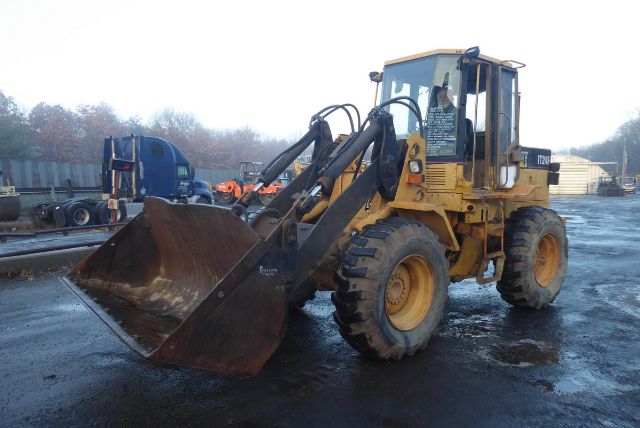
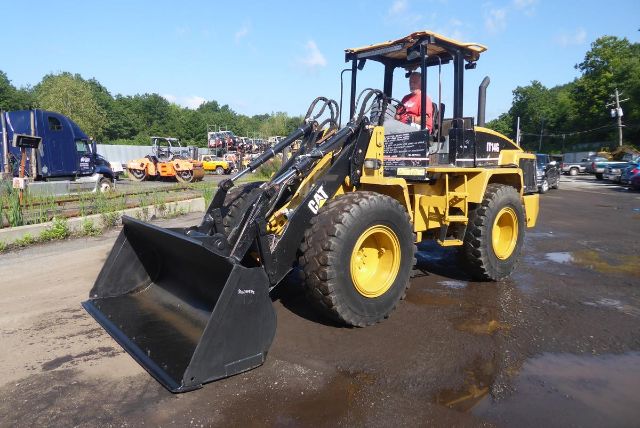
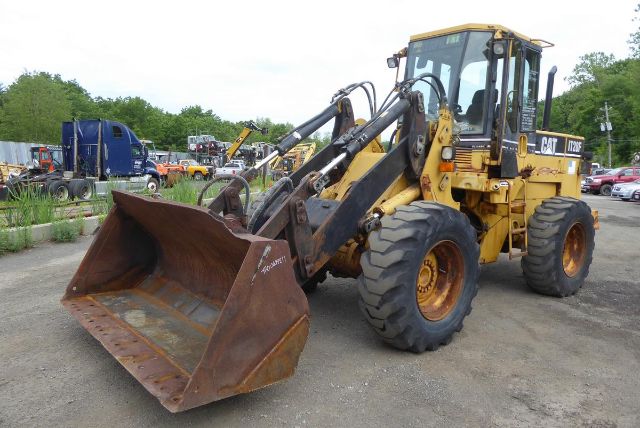
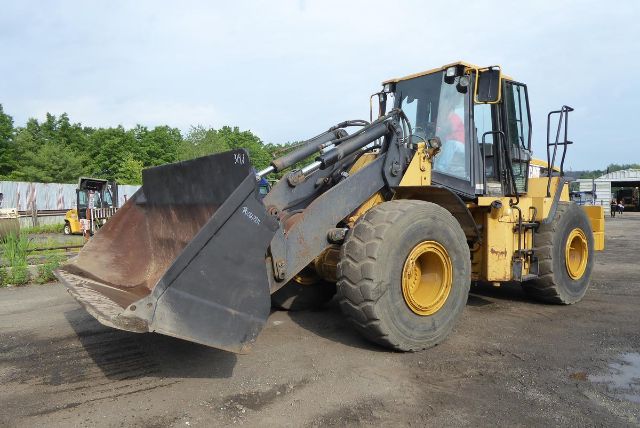
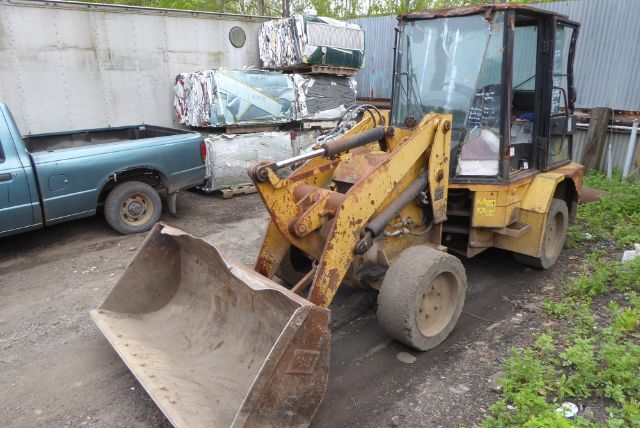
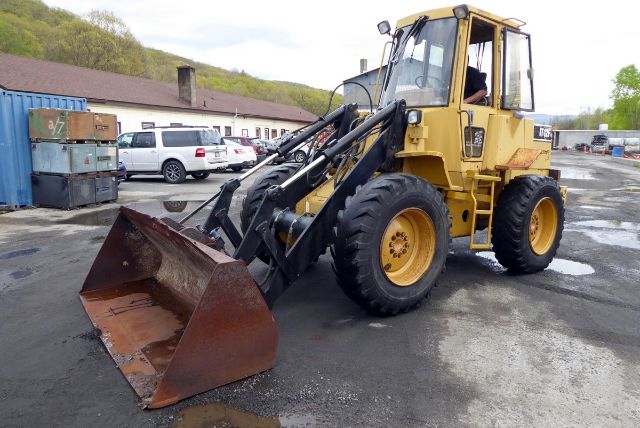
Showing 1 to 12 of 16 results
Have caterpillar wheel loaders trucking equipment to sell? List it here to reach thousands of buyers.
About Caterpillar Wheel Loaders
Frequently Asked Questions
What should I look at first when buying a used Caterpillar wheel loader?
Start with the machine size, operating weight, and intended attachment setup. A compact Cat wheel loader works well for tight yards, barns, landscape supply, and light truck loading, while a larger integrated toolcarrier or production loader is better for bulk materials, pallet handling, and repeated loading cycles. After size, inspect engine performance under load, transmission shift quality, hydraulic response, articulation joint wear, pin and bushing play, tire condition, and any seepage at lift, tilt, and steering cylinders. Service history matters, but the condition of the center joint, loader arms, bucket linkage, and quick coupler often tells you just as much about how the machine was used.
What is the difference between a Caterpillar wheel loader and a Caterpillar integrated toolcarrier?
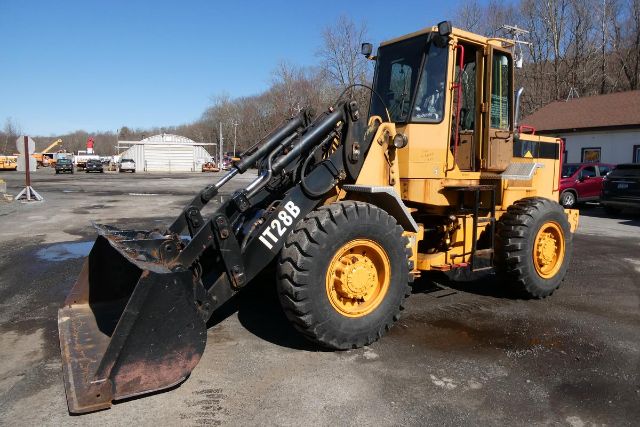
A standard Caterpillar wheel loader is designed primarily for digging, loading, and pushing into piles with strong breakout force and loader geometry suited to bucket work. A Caterpillar integrated toolcarrier, often identified by models like the IT18B or IT28F, is set up for greater versatility with attachments such as forks, buckets, grapples, and specialty tools. Toolcarriers are commonly preferred where the machine spends as much time handling palletized material as it does loading aggregate or dirt. If your operation needs frequent attachment changes and more material-handling flexibility, an IT model can be the better fit.
Are compact Caterpillar wheel loaders practical for trucking yards and small facilities?
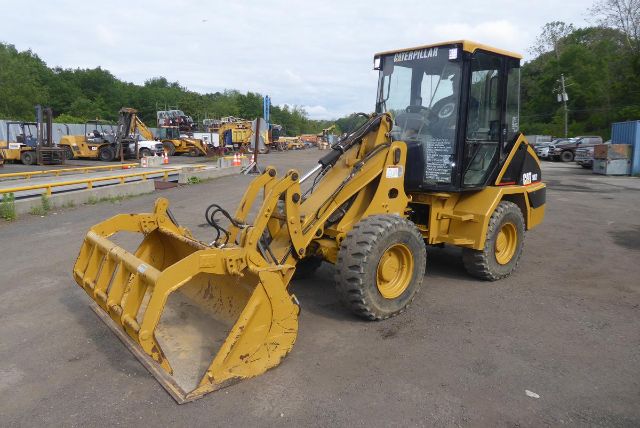
Yes. Compact Cat wheel loaders are often a strong fit for trucking terminals, mulch yards, feed lots, scrap operations, and municipal shops where maneuverability matters more than raw production. Machines in this class typically offer easier transport, lower overall height, tighter turning radius, and enough lift height for loading smaller trucks, stacking materials, or handling snow and debris. Many buyers look for enclosed cabs with heat, 3rd valve hydraulics, and quick couplers because those features improve year-round usability and make it easier to switch between buckets, forks, and grapples.
What common specs matter most on a Caterpillar wheel loader listing?
The most useful specs are operating weight, engine horsepower, tire size, transmission type, bucket width and capacity, lift height, and whether the machine has a quick coupler or auxiliary hydraulics. Tire choice is especially important because pneumatic tires are common for mixed surfaces, while solid or press-on tires are often preferred in scrap, recycling, or puncture-prone environments. Buyers should also compare cab configuration, heat and air conditioning, overall width for site access, and the condition of the bucket edge, forks, and attachment interface. These details affect both productivity and repair cost.
How many hours is too many on a used Caterpillar wheel loader?
Hour meter reading by itself does not determine value. A well-maintained Cat wheel loader with higher hours can still be a solid machine if the engine starts clean, the transmission pulls properly, the hydraulics are responsive, and the center articulation area is tight. Lower-hour machines can still need expensive work if they were abused, neglected, or run with poor lubrication and worn attachments. Look for signs of cylinder leaks, wheel seal issues, driveline noise, frame cracking, sloppy pins, and weak brakes or steering. The better question is how the loader presents mechanically and structurally at its current hours, not just the number on the meter.