
Vacuum Trailers For Sale
Vacuum trailers for oilfield, industrial, and waste fluid hauling. Compare barrel capacity, tank material, pump setup, code status, and axle specs.
Learn moreBrowse Vacuum Trailers by Make

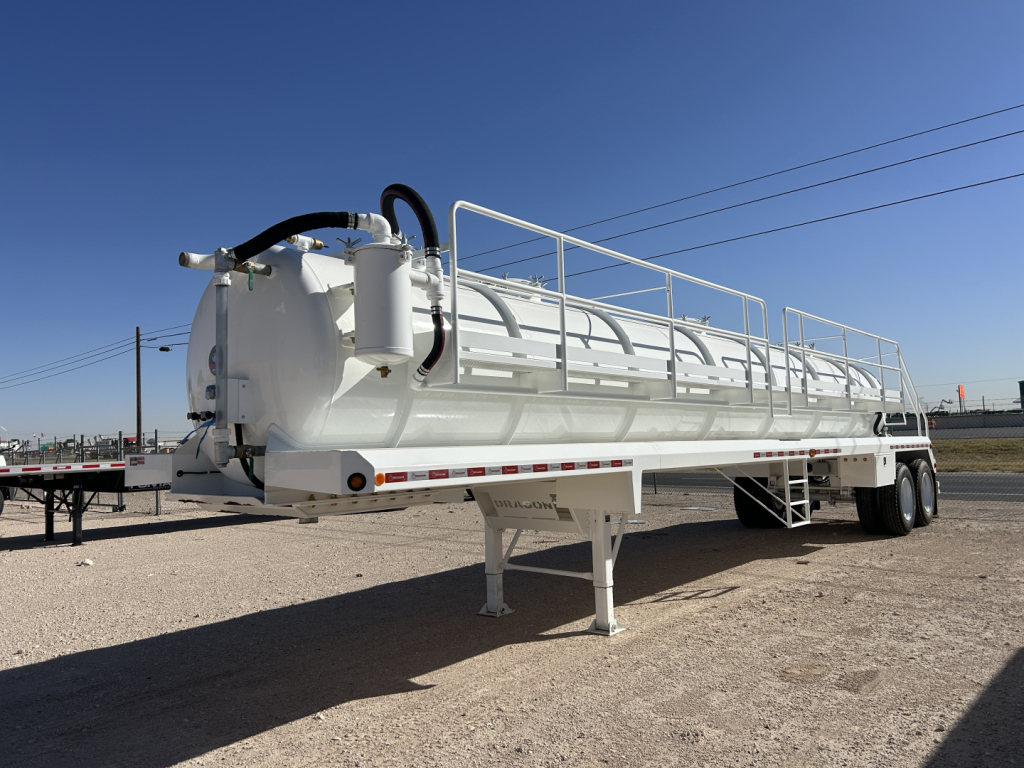
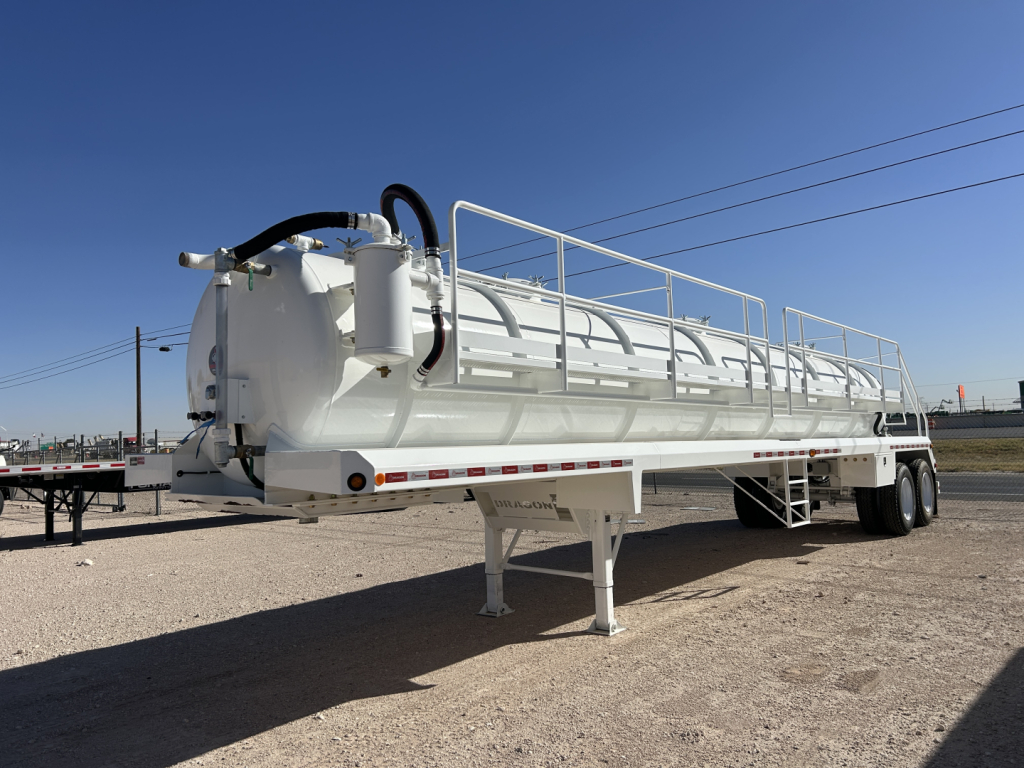
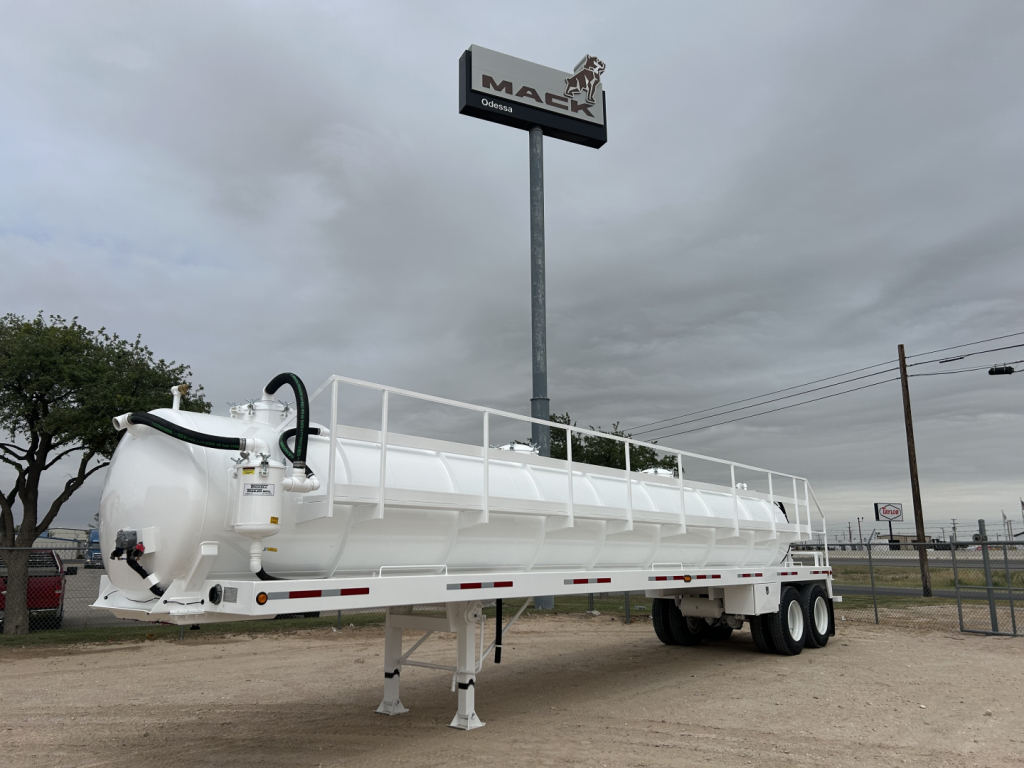
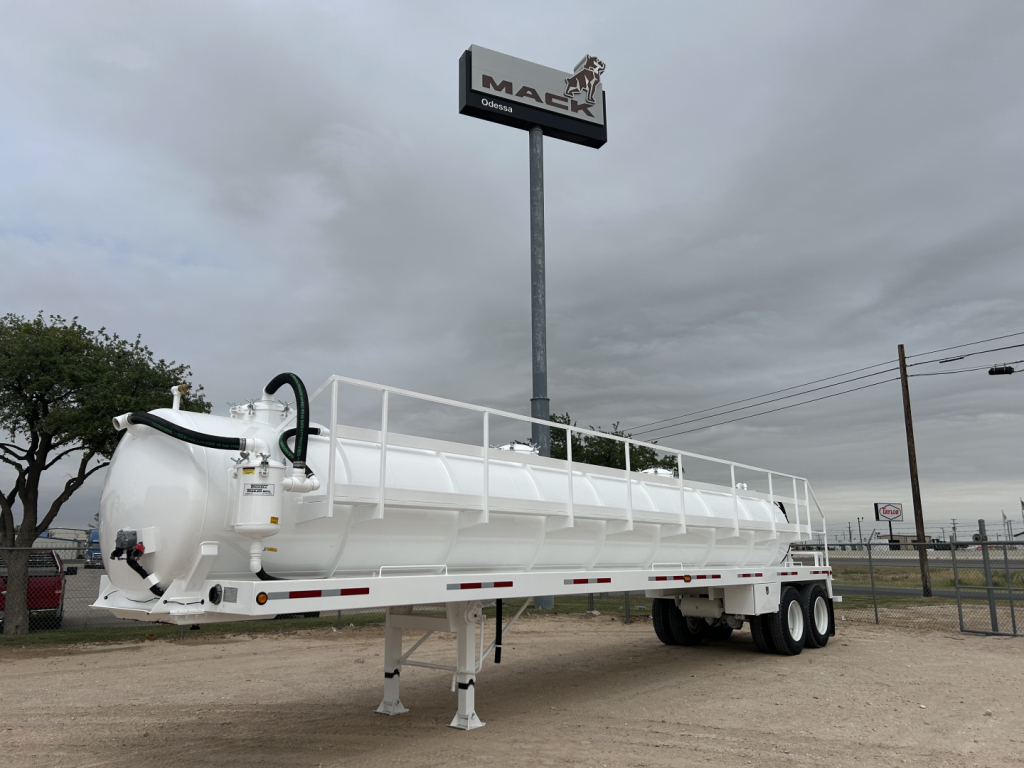
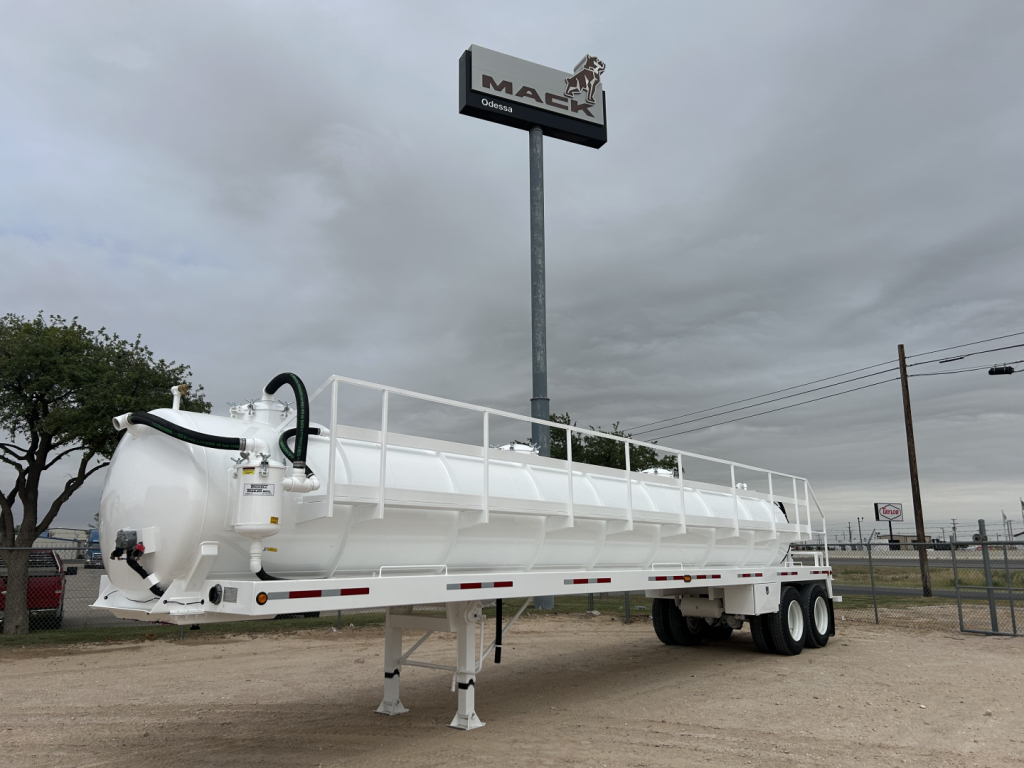
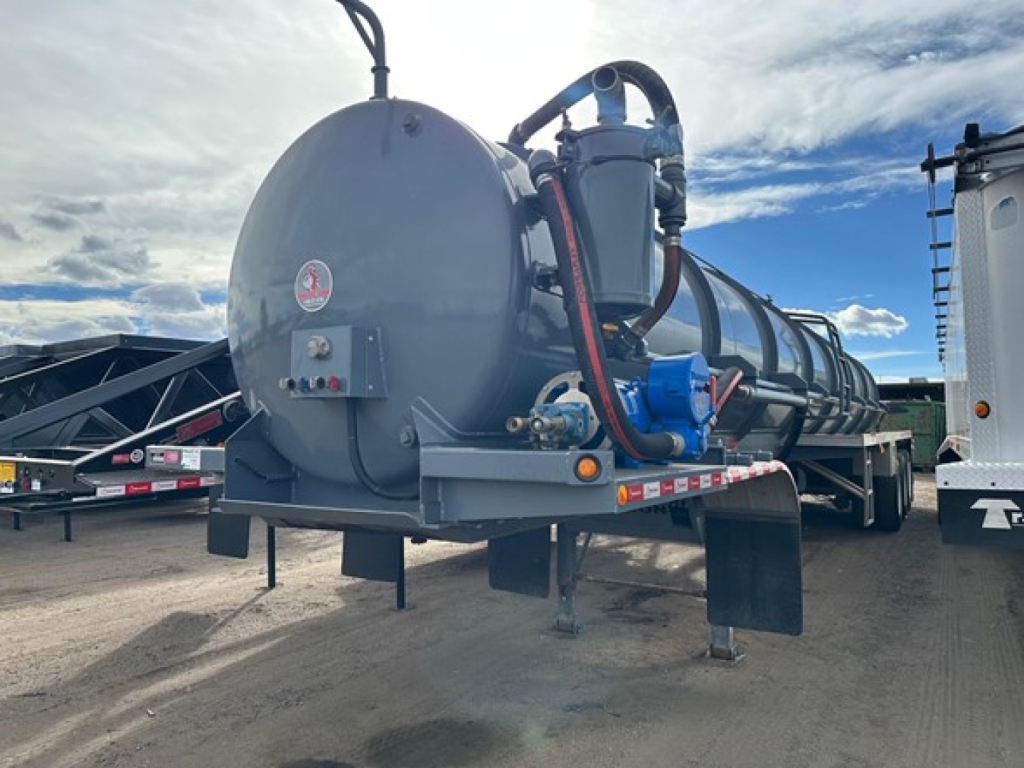
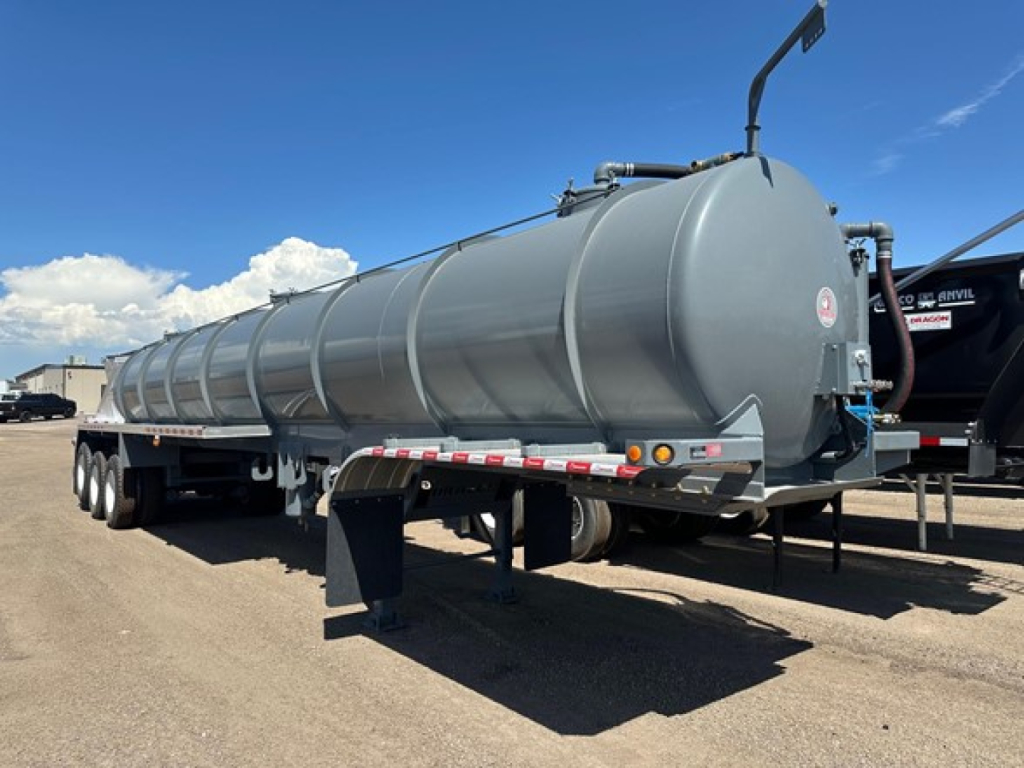
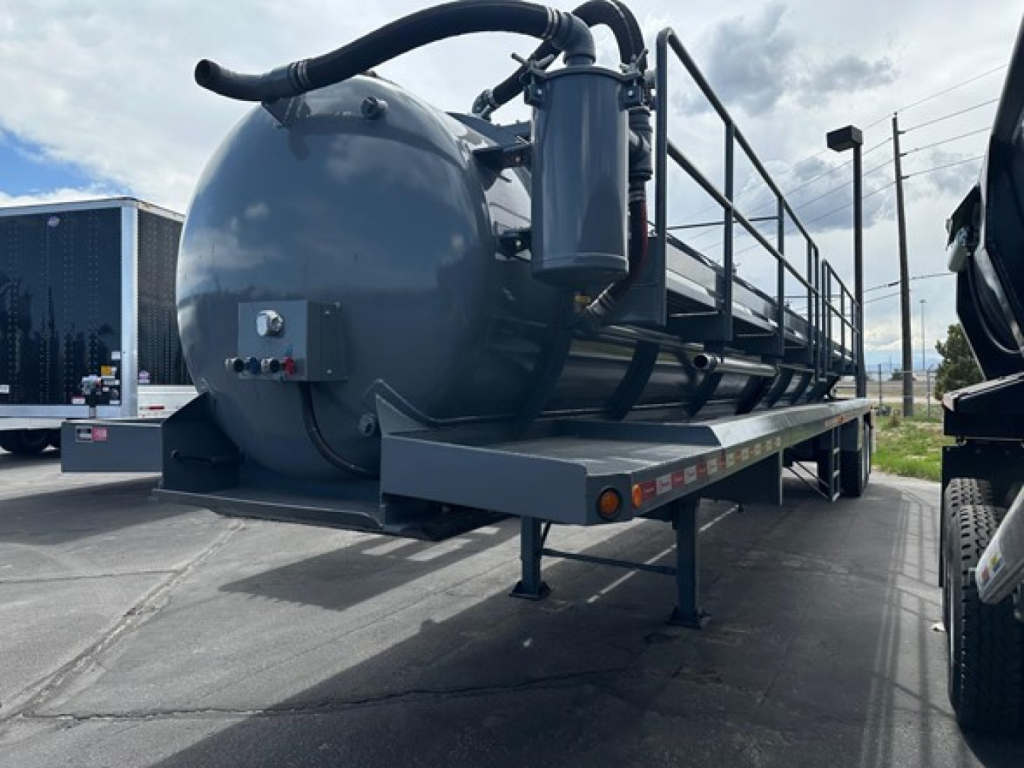
Showing 1 to 12 of 16 results
Have vacuum trailer to sell? List it here to reach thousands of buyers.
About Vacuum Trailers
Tank construction drives both weight and service life. Aluminum vacuum trailers are popular when payload matters and corrosion resistance is a priority. Steel tanks remain common for rugged service and lower upfront cost. Buyers should compare shell thickness, head thickness, internal baffles, epoxy lining, and overall tank shape. Straight round single-compartment tanks are common, with multiple manways, rear discharge plumbing, sight glasses, scrubbers, shutoff pots, and relief protection built into the package. A well-spec'd trailer will also include practical details that affect daily use, such as hose trays, catwalks with handrails, toolboxes, work lights, manual dump valves, and accessible ladder placement.
Running gear and vacuum system specs deserve close attention because they affect uptime and compatibility with your tractor or hydraulic setup. Tandem axle configurations with air ride suspension are common in this category, often paired with 30,000-lb axles, 11R22.5 or 11R24.5 tires, ABS, and drum brakes. On the vacuum side, buyers should verify pump brand and model, hydraulic motor requirements, relief valve settings, operating pressure, vacuum rating in inches of mercury, and charge-discharge plumbing size. Rear butterfly valves, sump arrangements, primary and secondary shutoffs, and hose connection layout can make a big difference in field efficiency, especially when the trailer is used for repeated loading cycles or mixed jobsite conditions.
The best vacuum trailer for sale is the one that fits the material, route, and unloading method without forcing compromises on legal payload or serviceability. Oilfield operators may prioritize barrel capacity, pump performance, and washout-friendly interiors. Industrial and environmental fleets may care more about lining, corrosion resistance, hose storage, and maintenance access. Older used vacuum trailers can still be productive if the tank integrity, pump condition, suspension, brakes, and valves have been properly maintained. Newer trailers often bring updated lighting, air systems, safety rails, laser axle alignment, and cleaner plumbing layouts. Before buying, confirm product compatibility, pressure and vacuum limits, axle ratings, kingpin setup, and whether the trailer is non-code or built for a regulated application.
Frequently Asked Questions
What is the difference between a code and non-code vacuum trailer?
A non-code vacuum trailer is typically used for water, drilling mud, produced water, and similar non-hazardous or less regulated fluids where ASME or DOT pressure vessel code construction is not required. A code trailer is built to a specific regulatory standard for certain products, pressures, or hazardous applications. The right choice depends on what you haul, how it is classified, and where you operate. Buyers should verify the intended commodity and compliance requirement before selecting a trailer.
What size vacuum trailer is most common?
Common vacuum trailer sizes in this market are around 130 BBL to 150 BBL, which translates to roughly 5,460 to 6,300 gallons. Smaller units are often chosen when weight restrictions, shorter routes, or tighter jobsite access matter more than maximum volume. Larger trailers are preferred in oilfield and industrial fluid service where maximizing each trip improves utilization. Capacity should always be evaluated against tank material, axle rating, and legal gross weight.
Is an aluminum vacuum trailer better than steel?
Aluminum vacuum trailers usually offer lower tare weight and better corrosion resistance, which can improve payload and long-term durability in wet or corrosive service. Steel trailers often cost less initially and hold up well in tough field conditions, but they generally weigh more and may require closer attention to corrosion control. The better choice depends on what you haul, expected service life, maintenance practices, and how important payload is to your operation.
What vacuum trailer specs matter most to a buyer?
The most important specs are tank capacity, code status, tank material, shell and head thickness, baffle design, axle rating, suspension type, tire size, and pump setup. Buyers should also review operating pressure, vacuum rating, relief valves, discharge plumbing, shutoff system, manway count, hose storage, and interior lining. These details affect safety, legal compliance, maintenance cost, and how efficiently the trailer performs in the field.
Can a used vacuum trailer still be a good buy?
A used vacuum trailer can be a strong value if the tank is structurally sound and the vacuum system, valves, suspension, brakes, and lights are in good working order. Inspection should focus on tank corrosion, lining condition, signs of repairs, pump wear, leaking seals, brake function, tire age, and axle alignment. Service records and pressure or leak test documentation add confidence, especially for fleets that need dependable uptime.