
Used Trailers For Sale
Shop used semi trailers by type and spec. Compare lengths, axles, suspensions, and materials to match your freight, lanes, and compliance needs.
Learn morePopular Trailers Categories
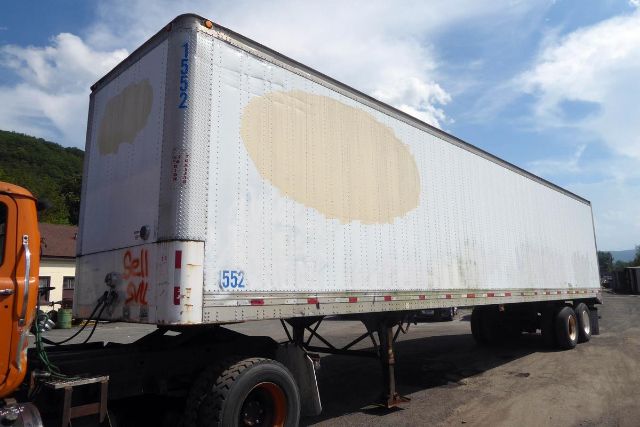
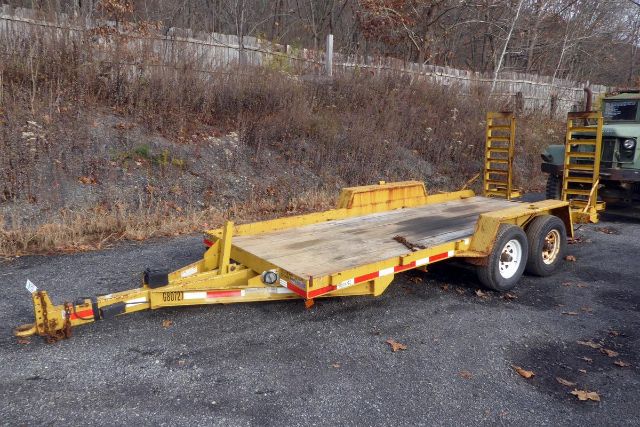
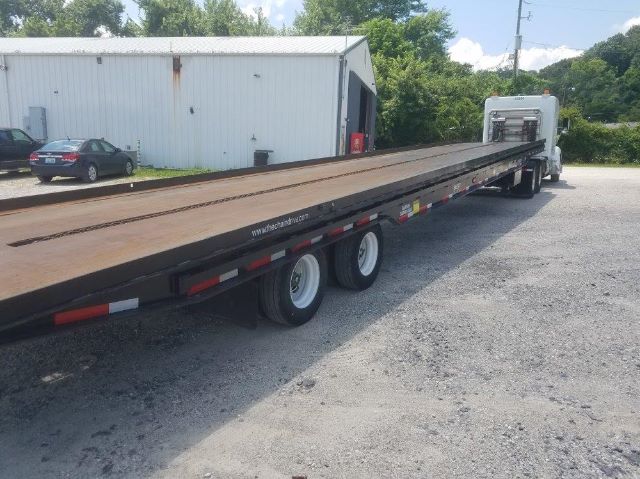
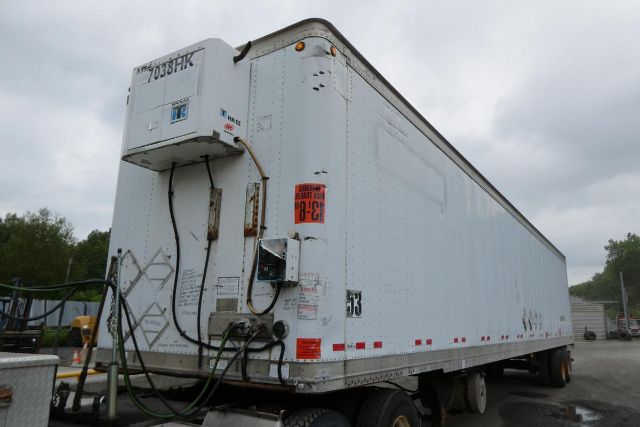
Showing 1,741 to 1,752 of 1,774 results
Have used trailer to sell? List it here to reach thousands of buyers.
About Used Trailers
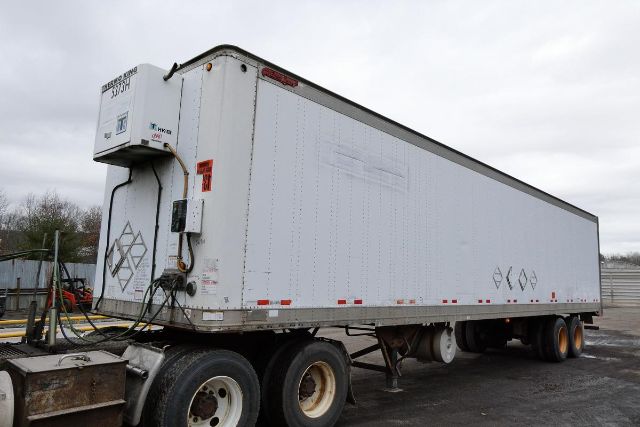
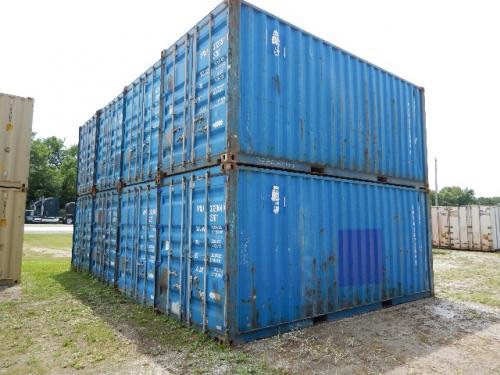
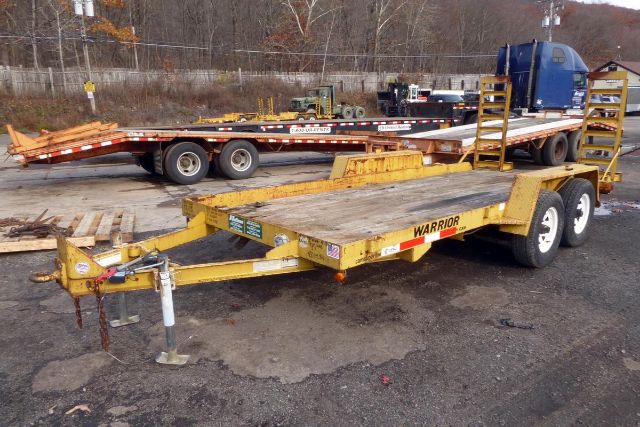
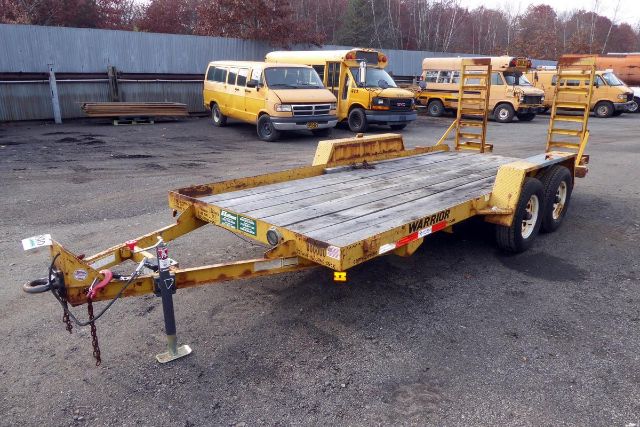
Trailer type drives payload, operating cost, and resale. Dry vans range from riveted aluminum to composite plate with options like logistics posts, e-track, scuff liners, and roll-up or swing doors. Reefers add the cost and complexity of a TRU, so insulation integrity, chute condition, and engine hours matter, along with CARB compliance if you run California. Flatbeds and step decks come in steel, combo, or full aluminum with choices like coil packages, winches, stake pockets, bulkheads, and sliding or fixed tandems. Lowboys and RGN detachables are spec’d by capacity in tons, deck style, and neck type hydraulic or mechanical, with outriggers for wide equipment. Dumps can be frameless or full frame, half-round or square, with liners, high-lift gates, and tarp systems. Tankers vary by commodity aluminum for fuel, stainless for food grade or corrosives with DOT 406, 407, or 412 codes, baffles, and wash requirements. Hoppers, pneumatics, livestock, car carriers, containers and chassis fill specialized lanes.
Component choices affect uptime and fuel burn. Air-ride suspensions protect freight and equipment but add complexity compared to spring. Drum brakes remain common and economical to service, while air disc improves stopping and reduces fade at a higher initial cost. Automatic tire inflation systems extend tread life and cut roadside calls. Roof bows, translucent roofs, laminated hardwood floors, or composite floors each trade weight for durability. Aerodynamic skirts and tails on vans can deliver measurable fuel savings on long-haul work and qualify for SmartWay specs. Foodservice and beverage fleets often prioritize side doors and liftgates. Port and intermodal operations focus on 20-40-45 ft chassis, slider pins, twist-lock condition, and lighting reliability.
On used trailers, structure beats cosmetics. Inspect kingpin wear, landing gear alignment, crossmembers for cracks, rail straightness and camber on flats, and corrosion in frames and subframes. Check roof seams, sidewalls for waves, scuff liner damage, and floor integrity at the dock plate zone. Measure brake lining, inspect drums or rotors, verify ABS operation, and look for leaks at wheel seals and air systems. On reefers, document TRU hours, service history, set-point accuracy, insulation tightness, and CARB status. For dumps, examine cylinder pins and trunnions. For tankers, review thickness reports, interior lining, last pressure or leak test, and commodity suitability. Tires, date codes, and matching casings tell you about fleet maintenance. Title, VIN tags, rating plates, and the last FMCSA inspection help avoid surprises. Salt states accelerate corrosion, oilfield and ag lanes stress frames, and regional rules from bridge laws to CARB should match the lanes you plan to run.
Frequently Asked Questions
How do I choose the right trailer length and axle setup for my lanes?
Start with legal limits and freight profile. A 53 ft tandem suits most dry freight, but tight metro routes may benefit from 48 ft. California’s 40 ft kingpin-to-rear-axle rule often requires specific kingpin settings and a movable tandem. Spread axles on flatbeds improve bridge and axle weights for coils or machinery but increase tire scrub in tight turns. Heavy or Canadian routes may justify tri-axles. Map your common loads and states, then match length, slider range, and axle spacing to stay legal while maximizing payload.
What should I look for when evaluating a used reefer trailer?
Confirm the TRU’s hours, service records, and start-stop performance. Check temperature pull-down and recovery, listen for abnormal compressor or fan noise, and scan for active codes. Inspect the insulation envelope roof, sidewalls, and floor for moisture intrusion and damaged foam, as well as chute condition and door seals. Verify CARB compliance dates if operating in California. Examine the fuel tank, lines, and battery condition, then assess typical trailer items floors at dock impact areas, crossmembers, brakes, ABS, tires, and lighting.
Is air-ride or spring suspension better on a used trailer?
Air ride offers smoother transport, better freight protection, and can reduce structural fatigue. It pairs well with sensitive cargo and long-haul vans, reefers, and flats. Springs are simpler and often lighter with lower upfront and maintenance costs, common on regional dumps, hoppers, and some flats. In used equipment, inspect air bags, height control valves, and bushings on air systems, and check spring packs and hangers on mechanical suspensions. Choose based on cargo sensitivity, ride requirements, and typical road conditions.
What are the trade-offs between steel, combo, and aluminum flatbeds or step decks?
Steel frames maximize strength and are cost effective but add weight and can corrode faster in salt regions. Combo trailers use steel frames with aluminum decks to balance strength and weight. Full aluminum trailers offer the lowest tare weight for higher payload and corrosion resistance, at a higher purchase price and with different repair considerations. For coils or heavy point loads, confirm rated concentrated load, main-beam condition, winch spacing, rub rail and pocket integrity, and whether a coil package is installed.
Which regulations can impact a used trailer purchase?
Bridge laws drive axle spacing and kingpin settings. California restricts kingpin-to-rear-axle to 40 ft and enforces CARB rules on transport refrigeration units by model year and compliance upgrades. Certain states and Canadian provinces require specific axle counts or SPIF compliance for weight allowances. Tankers must meet DOT code requirements for the commodity. Some shippers or lanes require SmartWay kits or skirts on dry vans. Align the trailer’s spec and documentation with the states and customers you plan to serve.