
2024 Trailers For Sale
Shop 2024 trailers for sale including flatbed, reefer, dump, and drop deck models with current specs, axle setups, and body options.
Learn morePopular Trailers Categories
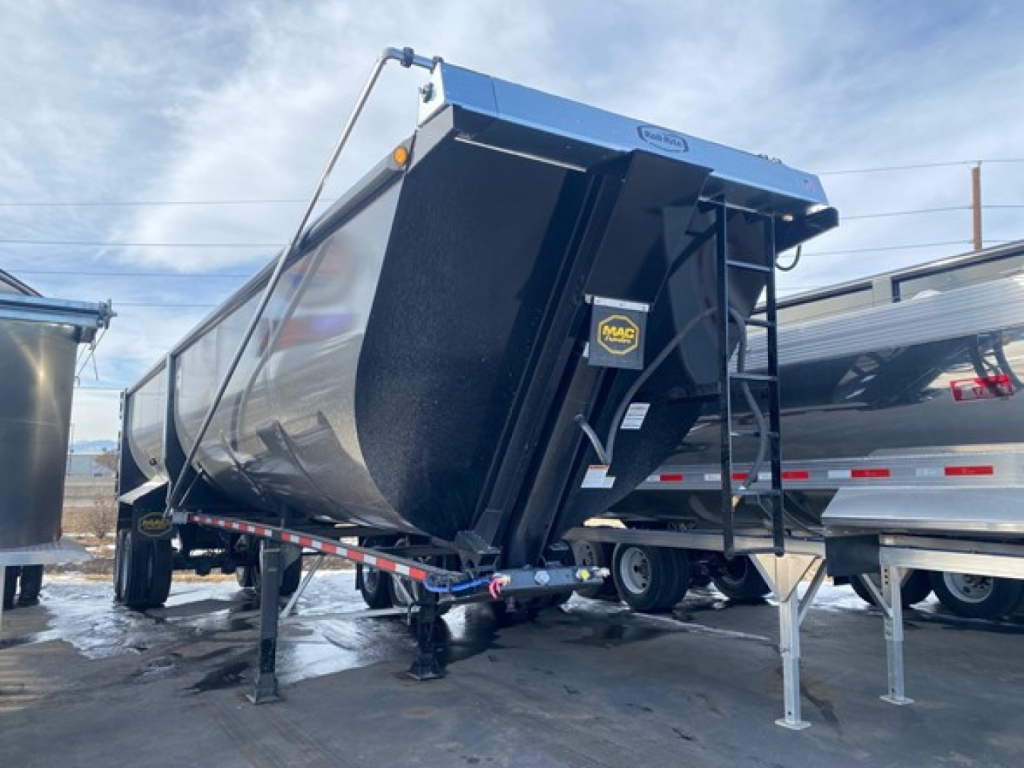
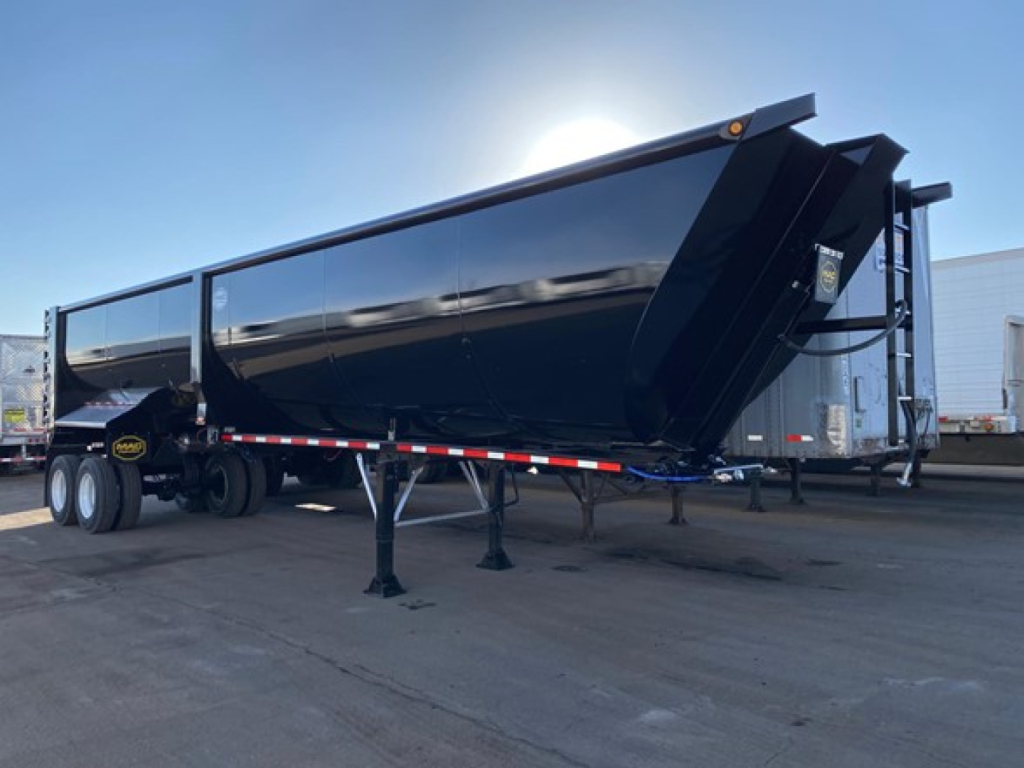
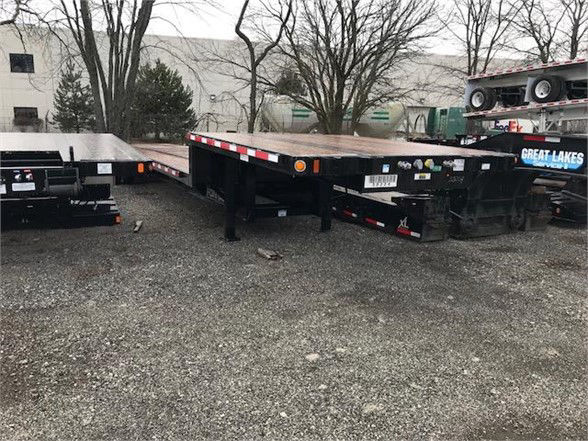
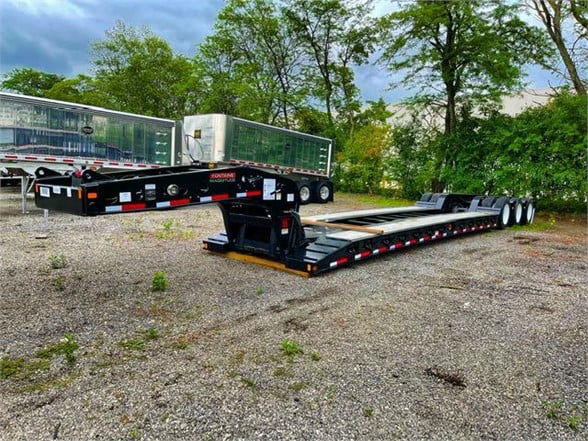
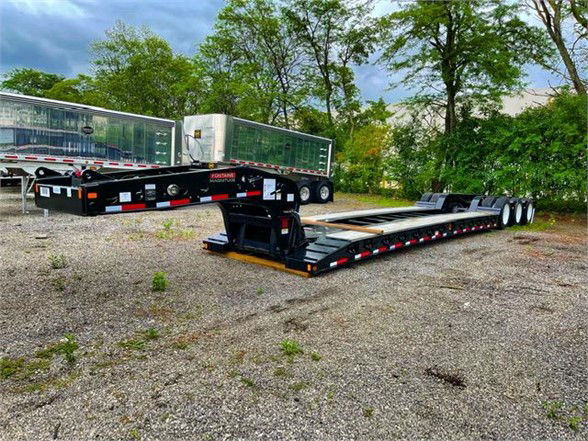
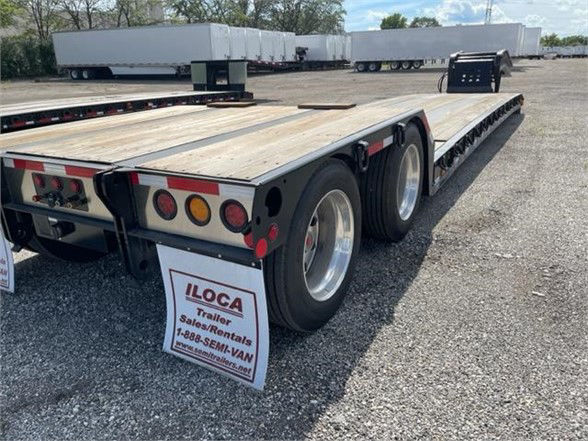
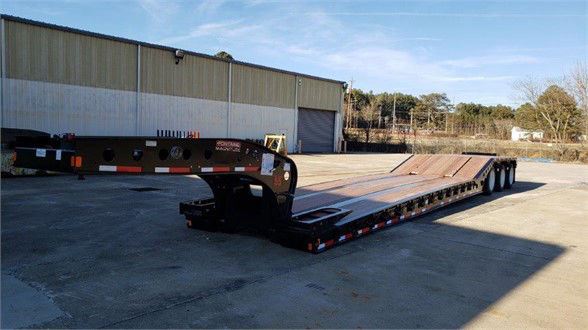
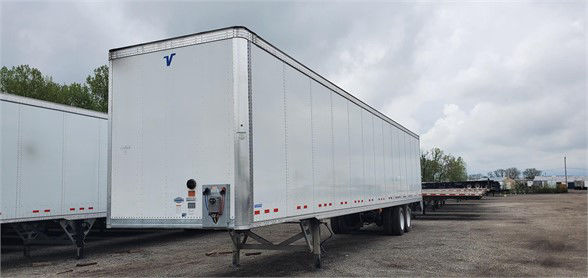
Showing 121 to 132 of 154 results
Have 2024 trailer to sell? List it here to reach thousands of buyers.
About 2024 Trailers
For refrigerated freight, 2024 reefer trailers often center on 53-foot lengths, swing doors, air ride suspension, duct or flat floors, and Carrier or Thermo King units with low engine hours compared with older equipment. Buyers should pay close attention to insulation condition, lining material, door seal integrity, reefer unit hours, and whether the trailer has features like scuff liners, duct floors, telematics, and sliding tandems. For flatbed and drop deck work, the key decisions usually come down to aluminum versus steel construction, overall weight, deck height, kingpin settings, winch track layout, coil package equipment, tire inflation systems, and whether the axle spread fits state bridge laws and customer loading practices. A lighter aluminum trailer can improve payload, but durability expectations and repair environment still matter.
Dump trailers in the 2024 model year are often evaluated on body material, hoist design, liner options, gate style, suspension spec, and axle capacity. Buyers hauling aggregate, scrap, grain, or demolition material should match the trailer to the commodity first, because floor thickness, side wall design, and overall cubic capacity directly affect service life and legal payload. On any 2024 trailer, check tire size and remaining tread, wheel type, brake life, suspension brand, landing gear condition, and electrical system layout. Late-model trailers can offer strong resale appeal, but only if the spec fits the lane, the commodity, and the maintenance program behind it.
A smart comparison between 2024 trailers should include empty weight, structural design, floor type, axle placement, and loading compatibility with your docks, forklifts, tarping systems, or refrigeration requirements. A reefer used in food service has a different priority list than a drop deck used for machinery, and a dump trailer for construction debris will not be spec'd like one for grain or asphalt. Buyers who focus on application-specific details usually make the better purchase than buyers who shop by model year alone. The 2024 model year is most attractive when it combines modern component specs, lower wear, and a trailer design that supports the exact freight cycle it will run.
Frequently Asked Questions
What should I look for first when comparing 2024 trailers for sale?
Start with the trailer category and intended freight, then move to structural and running gear specs. Length, width, axle configuration, suspension type, floor design, tare weight, and body material will affect payload, loading method, and legal operation more than the model year by itself. After that, inspect brakes, tires, wheels, landing gear, lighting, and any application-specific equipment such as reefer units, winch tracks, coil packages, or liner systems.
Are 2024 reefer trailers worth the premium over older refrigerated trailers?
They can be, especially when lower reefer unit hours, updated control systems, and cleaner trailer interiors reduce maintenance risk. A 2024 reefer may offer better insulation integrity, newer emissions-era refrigeration technology, improved telematics compatibility, and less wear on doors, flooring, and suspension components. The premium makes the most sense when uptime, temperature control, and food-grade condition are critical to the operation.
What is the advantage of aluminum construction on a 2024 trailer?
Aluminum construction usually reduces trailer weight, which can improve legal payload and fuel efficiency in weight-sensitive operations. That matters most in flatbed, drop deck, and some refrigerated applications where every pound of tare weight counts. The tradeoff is that repair approach, duty cycle, and long-term durability expectations should be considered carefully, especially in severe service or impact-heavy operations.
How do I choose between tandem, spread axle, and sliding axle setups on a 2024 trailer?
The best axle setup depends on bridge law requirements, loading patterns, maneuverability needs, and customer dock conditions. Tandem sliding axles offer flexibility in scaling and dock approach. Spread axles can improve weight distribution and stability for some flatbed applications, but they may increase tire scrub and limit maneuverability in tight areas. Fixed or specialty axle layouts should be evaluated against the exact routes and freight profile the trailer will run.
Does a 2024 model year automatically mean lower maintenance?
Not automatically. A newer trailer often has less wear, but maintenance needs still depend on build quality, application, and how the unit has been used. Tires, brakes, suspension bushings, reefer components, floor condition, and electrical systems can all vary widely even among late-model trailers. A current inspection, maintenance history, and close review of wear items are still essential before purchase.