
2019 Trailers For Sale
Browse 2019 trailers for sale, including reefer and lowboy models with modern specs, common fleet features, and buyer-focused guidance.
Learn morePopular Trailers Categories
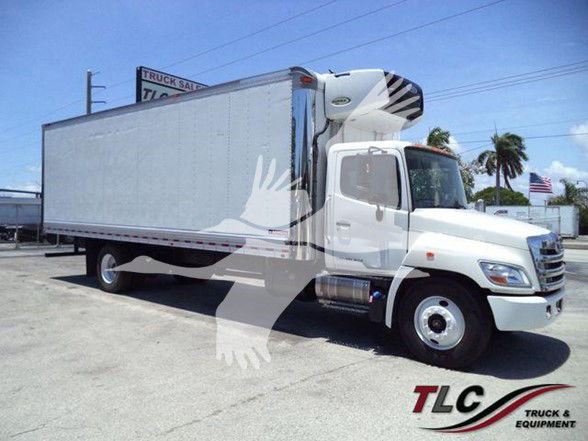
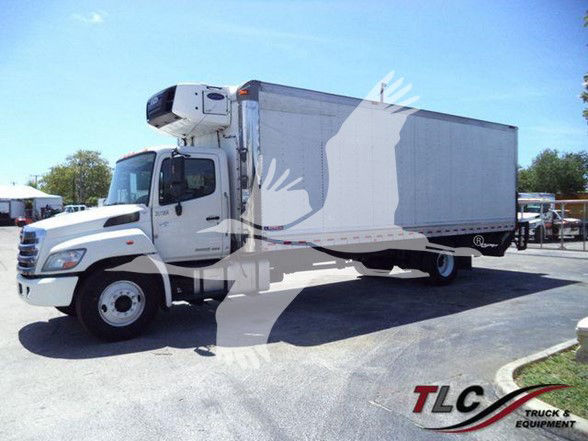
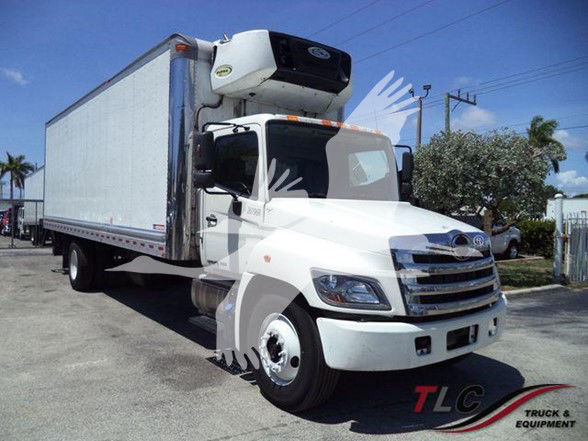
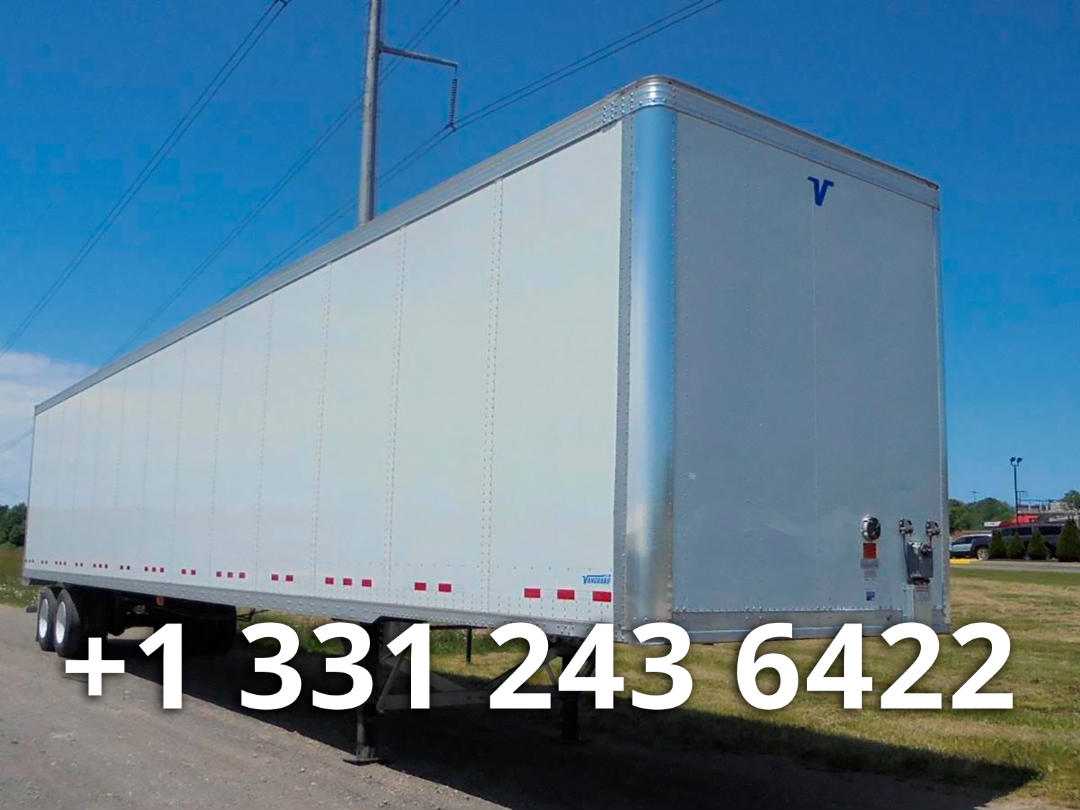
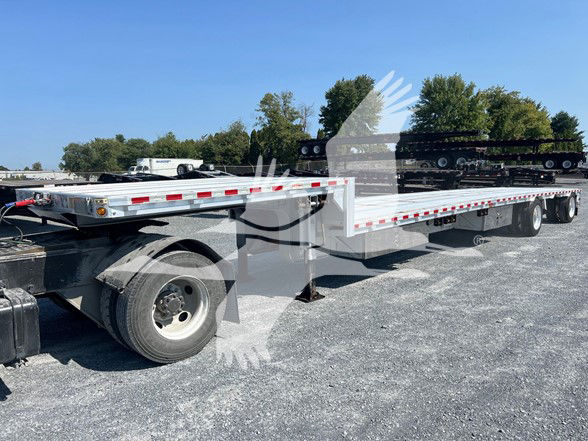

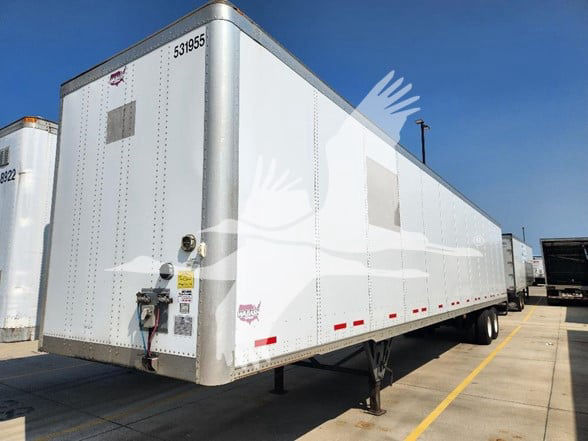
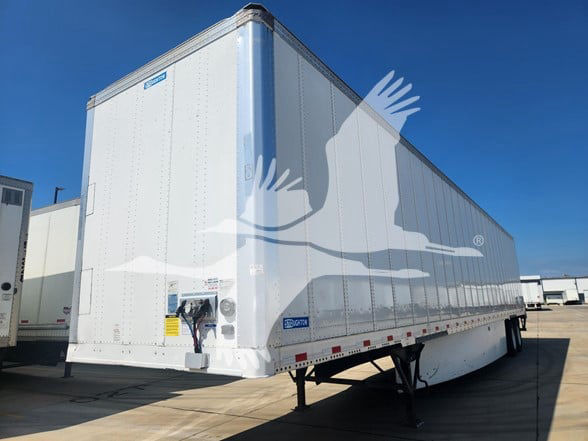
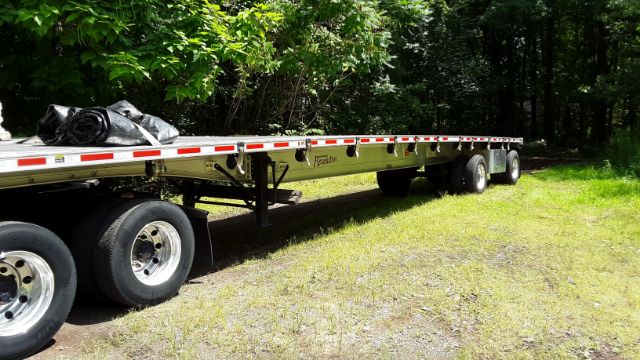

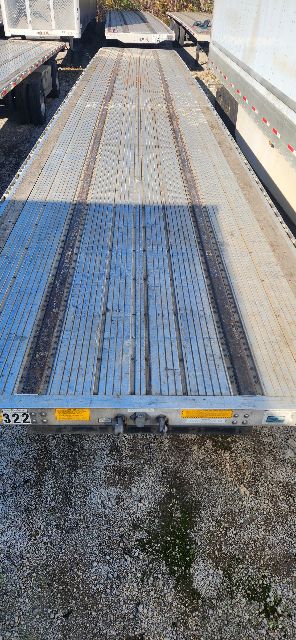
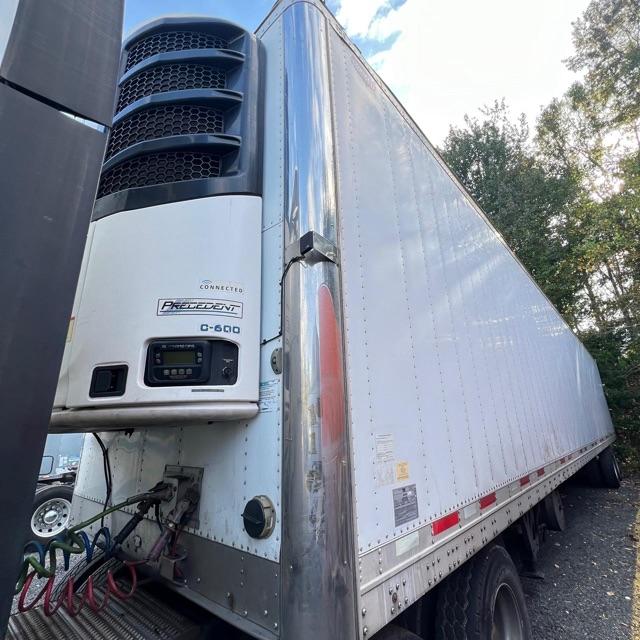
Showing 85 to 96 of 136 results
Have 2019 trailer to sell? List it here to reach thousands of buyers.
About 2019 Trailers
On refrigerated trailers, 2019 units commonly include 53-foot length, 102-inch width, 13-foot 6-inch overall height, aluminum duct floors, scuff liners or scuff plates, swing doors, and proven refrigeration platforms from Carrier or Thermo King. Buyers should pay close attention to reefer unit hours, interior height, floor condition, door frame integrity, chute configuration, and signs of previous temperature-control issues. Features like stainless front radius panels, stainless rear frames, low-profile 22.5 tires, aluminum wheels, and tire inflation systems can reduce maintenance exposure and improve long-haul operating efficiency. Sliding tandem position also matters if the trailer will run in states with bridge-law sensitivity or in tight dock environments.
On heavy haul and equipment trailers, a 2019 lowboy or hydraulic detachable gooseneck trailer can offer current-era design without the cost of a new build. Common checkpoints include deck height, loaded deck height, kingpin setting, axle count, suspension type, outriggers, D-ring count, neck design, and concentrated load support through the main deck and crossmember structure. A 35-ton class lowboy from this year may be set up with air ride suspension, open wheel wells, wood flooring, swing-out outriggers, boom wells, and bucket pockets, which are all useful details if the trailer will handle excavators, dozers, or other uneven-load machinery. Tire and brake remaining percentages are especially important on used lowboys because replacement cost adds up quickly across multiple positions.
The smartest way to shop 2019 trailers is to start with the application, then narrow by dimensions, weight rating, suspension, and maintenance-sensitive components. Reefer buyers should verify unit service history, fuel system condition, and cargo area wear. Lowboy buyers should inspect neck operation, frame condition, ramp or detach function, and signs of stress around outriggers and deck transitions. Across all 2019 trailer types, this is a model year where many units still reflect current fleet specifications, which makes them attractive for buyers who want late-model capability, established parts support, and a lower acquisition cost than new equipment.
Frequently Asked Questions
What should I look for when buying a used 2019 reefer trailer?
Focus on the refrigeration unit first, including engine hours, service records, temperature pull-down performance, and any history of evaporator or compressor repairs. Then inspect the trailer body for floor damage, soft spots, wall punctures, door seal condition, chute integrity, and corrosion around the rear frame and door frame. A 2019 reefer can still be a strong fleet asset if the unit has been maintained properly and the insulated body has not been compromised.
Is a 2019 trailer old enough to have lower cost but new enough for modern fleet specs?
Yes. For many buyers, 2019 is a practical middle ground because trailers from this year often include features that are still common in active fleet service, such as air ride suspension, sliding tandems, aerodynamic components, tire inflation systems, and aluminum wheel packages. At the same time, they usually cost less than newer late-model units, which can improve return on investment if maintenance condition is verified before purchase.
What matters most on a 2019 lowboy or hydraulic detach trailer?
The key factors are rated capacity, deck height, deck length, neck style, axle configuration, and structural condition. Buyers should inspect the detachable gooseneck system, frame rails, crossmembers, outriggers, D-rings, and wear areas around the loaded deck and rear transitions. On a used heavy haul trailer, the condition of the detach mechanism and the structural integrity of the deck are usually more important than cosmetic appearance.
Are disc brakes and tire inflation systems valuable on 2019 trailers?
Yes, especially in high-mileage fleet use. Disc brakes can improve stopping consistency and simplify brake service on some trailer applications, while tire inflation systems help maintain proper tire pressure and reduce irregular wear or roadside failures. On a 2019 trailer, these features can lower operating cost over time if they are complete, functional, and supported with normal maintenance.
How do I compare different types of 2019 trailers on the same marketplace page?
Start by separating trailers by application instead of price alone. A 53-foot reefer should be compared by reefer unit brand, interior dimensions, floor design, and insulation-related condition, while a lowboy should be compared by capacity, loaded deck height, axle setup, neck type, and tie-down equipment. Once the application matches your freight or equipment, then compare remaining life in tires, brakes, suspension, and major components to understand the true cost of ownership.